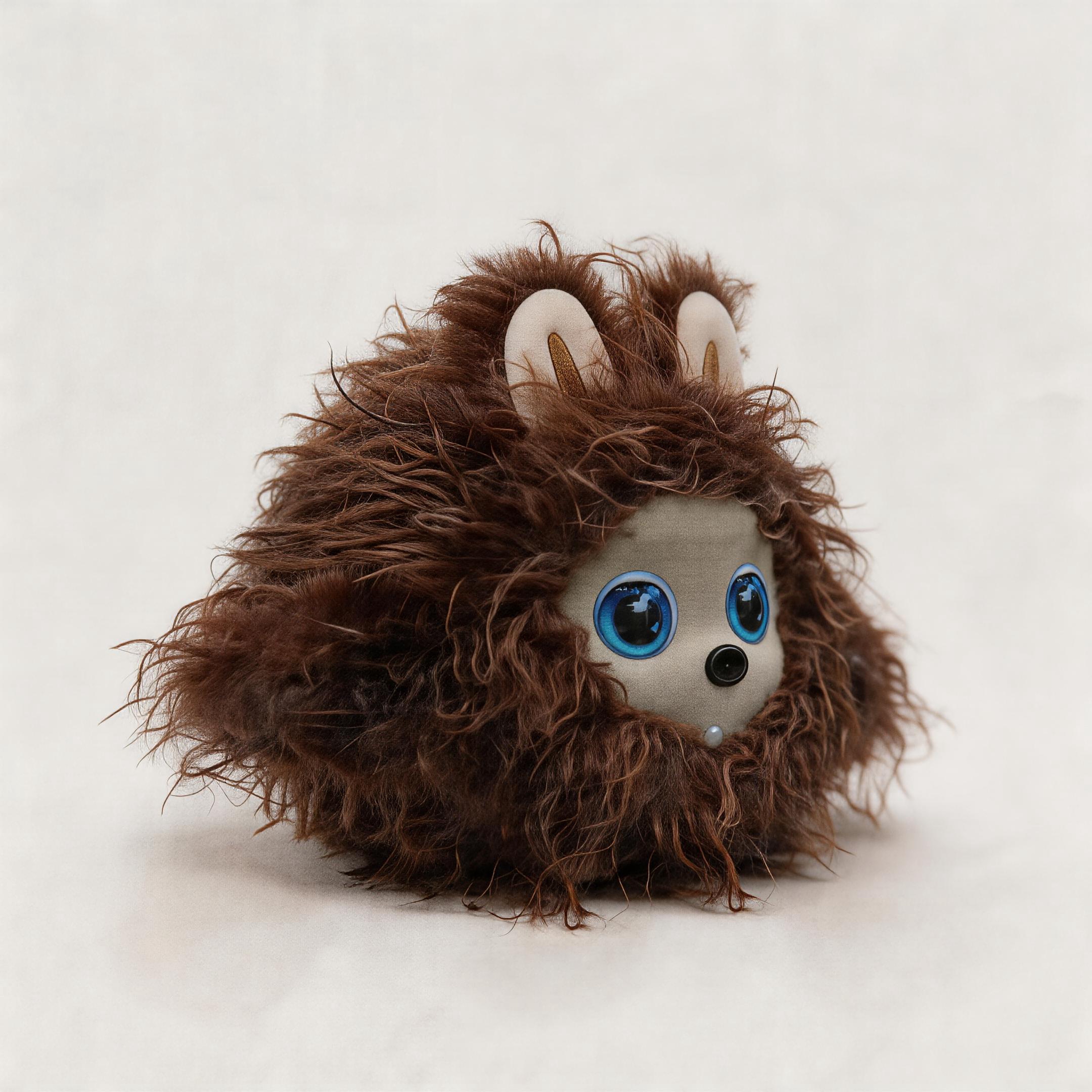
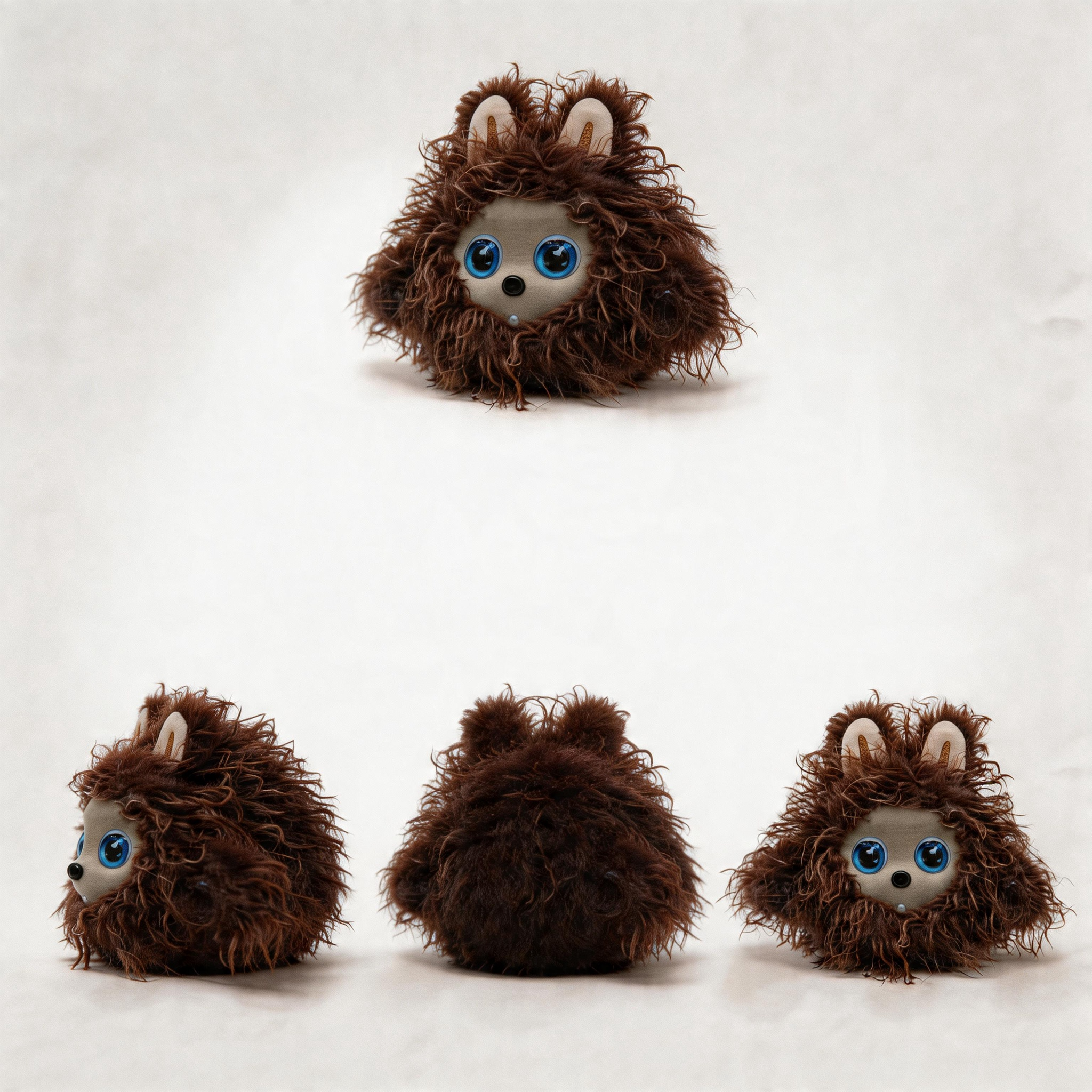
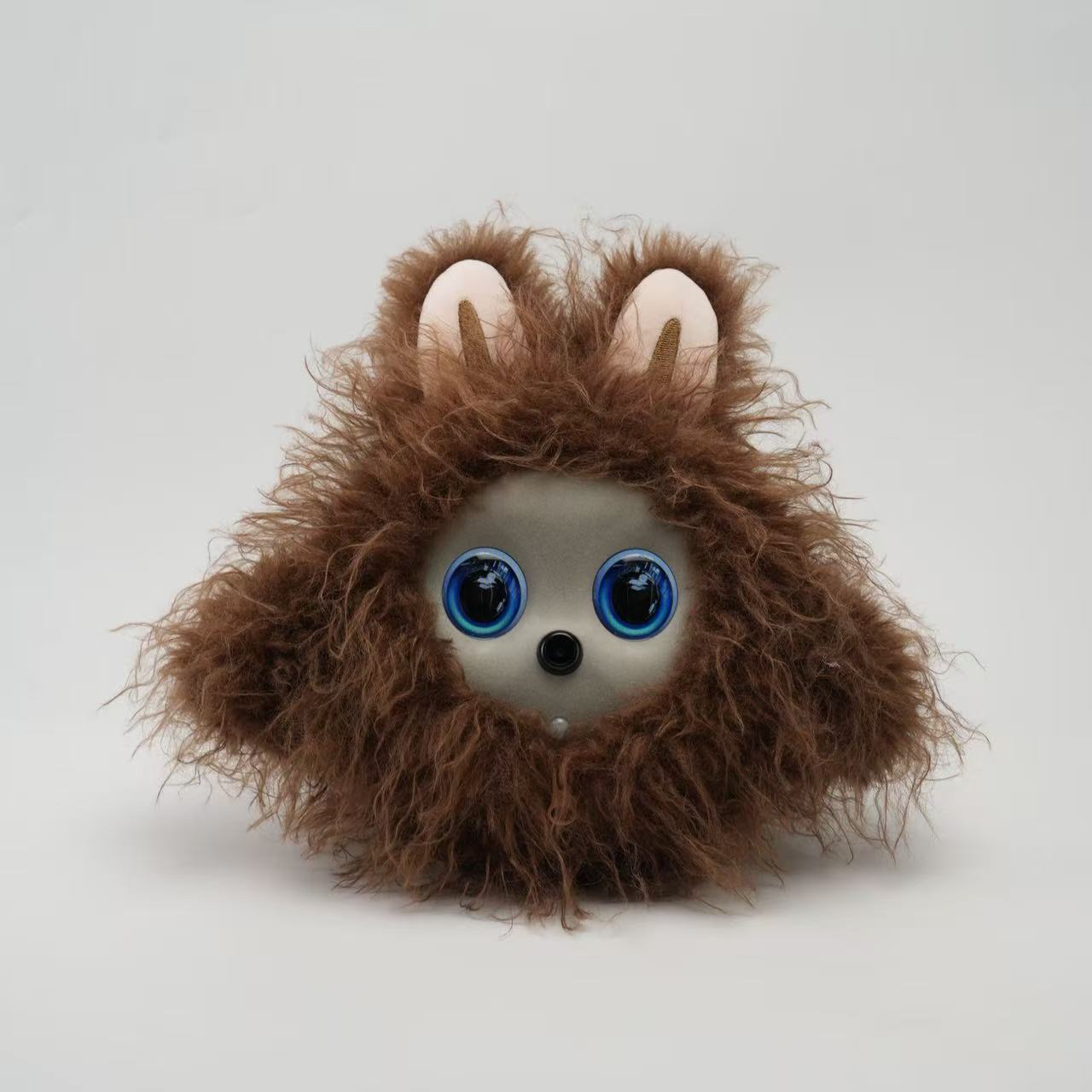
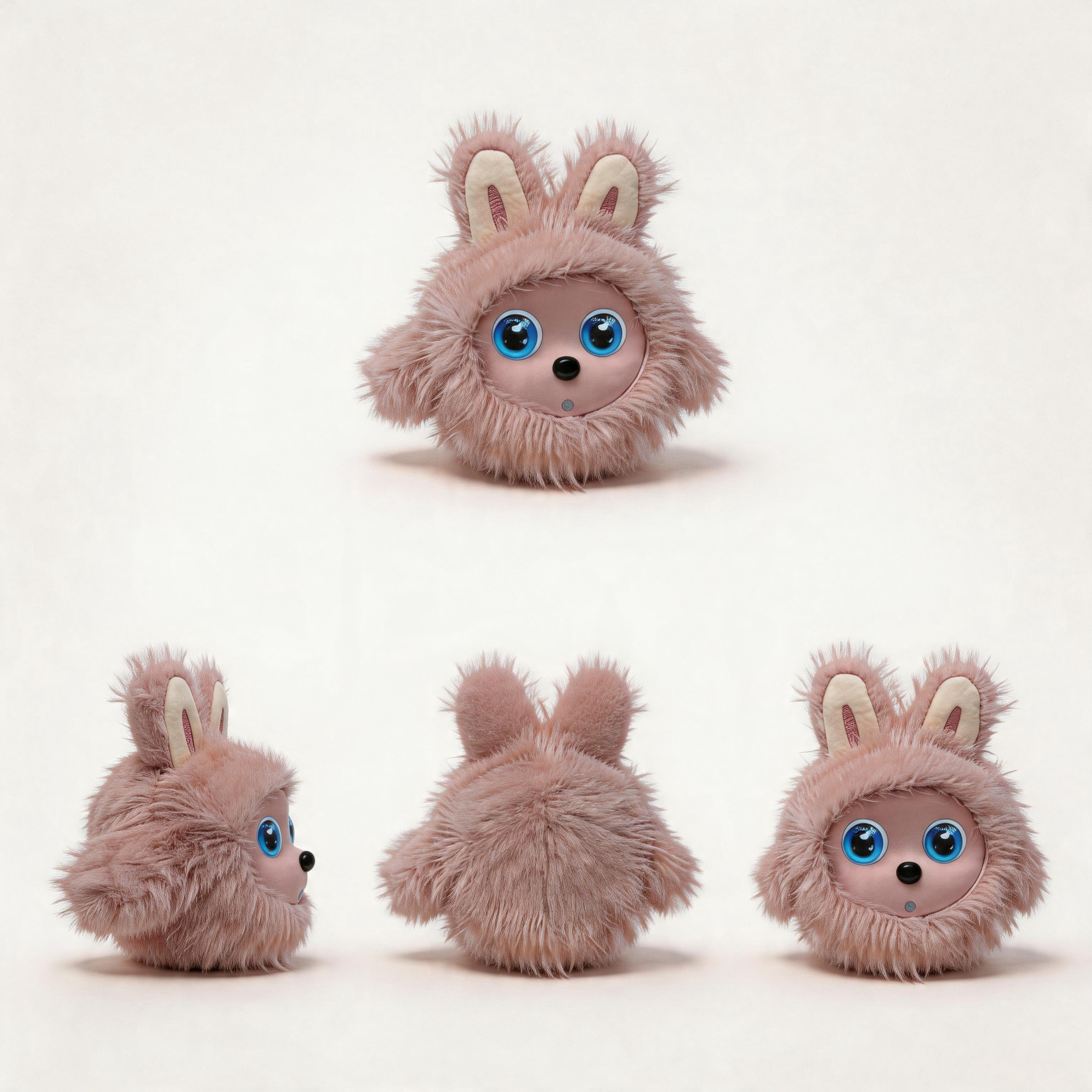
RG-AI-K01 Smart Robot AI Bunny Plush Toy for Children Early Learning
CE / FCC / RoHS
Early STEM Audio
Bilingual Firmware
MOQ: 100 pcs
Inquire Now
Engineered with embedded voice recognition modules, tactile sensor arrays, dynamic emotional algorithms, and fully certified compliance architectures (EN71, CE, FCC, RoHS) for institutional and retail deployment.
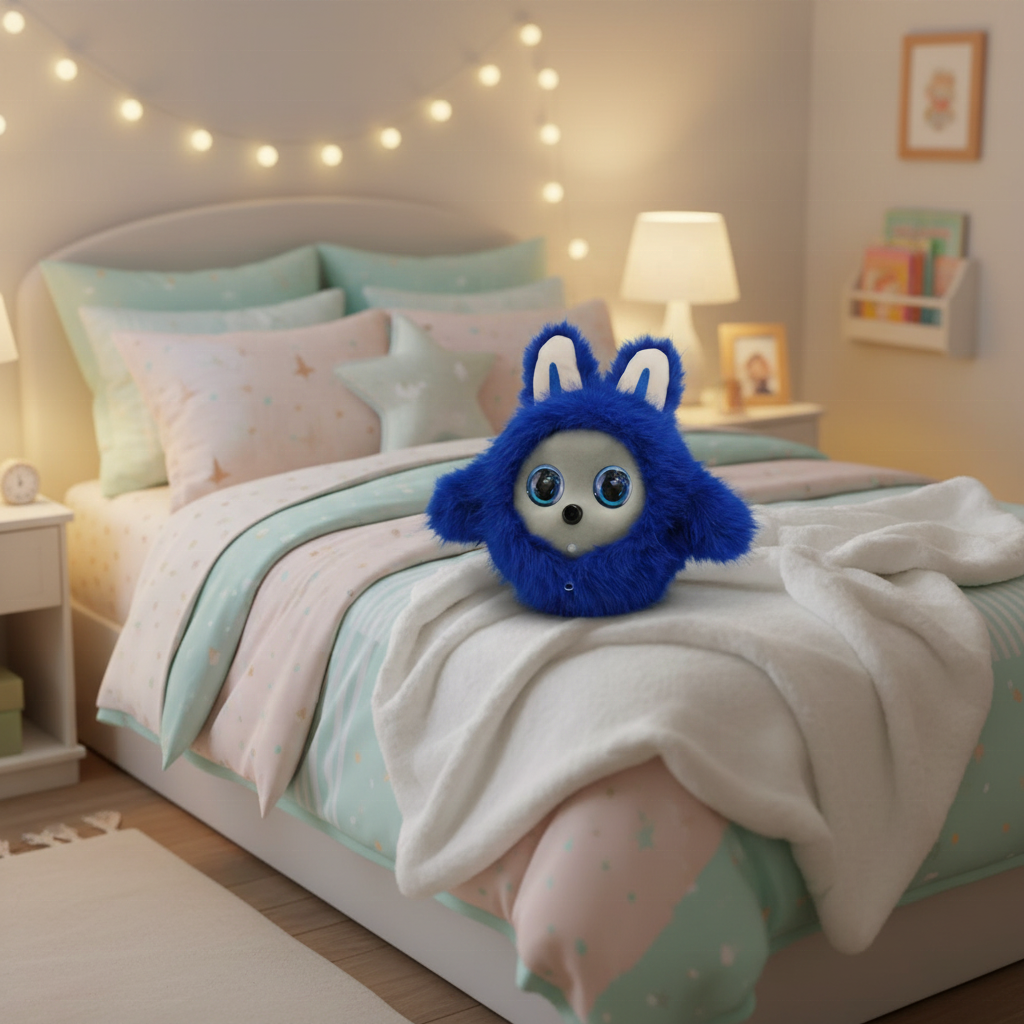



The Oriental Republic of Uruguay represents one of the most technologically advanced, institutionally stable, and digitally connected consumer markets in Latin America. With virtually 100% of urban households connected via high-speed FTTH (Fiber-to-the-Home) under national digital frameworks and ubiquitous 4G/5G deployment by Antel, the technical infrastructure for IoT, cloud-native conversational robotics, and smart hardware is mature. However, deploying intelligent companion robotics such as AI robot pet dogs and biomimetic conversational quadrupeds requires a granular understanding of local socioeconomic conditions, demographic realities, and regulatory compliance.
Uruguay has the oldest demographic profile in South America, with over 15% of its population aged 65 and above. In departments such as Montevideo, Canelones, and Maldonado, solitary living among seniors has triggered acute demand for therapeutic and non-pharmacological companion devices. Robotic pets eliminate veterinary overhead, physical walking demands, and allergy risks while mitigating cognitive decline through scheduled conversations and sensory stimulation.
High real estate valuations and compact apartment living across districts like Pocitos, Punta Carretas, and Cordón create rigid limitations on traditional domestic dog ownership. Co-property statutes often restrict medium-to-large breeds. AI companion pets offer high sensory gratification—simulating barking, tail-wagging, and tactile leaning—within whisper-quiet residential sound thresholds and zero maintenance constraints.
Through decades of national digitization (Plan Ceibal), Uruguayan children possess high technical literacy. Premium families and private academic institutions seek AI toys that transcend simple mechanical playback. Our robotic architecture integrates interactive Python-programmable behaviors, bilingual English-Spanish conversational engines, and sensory learning modules perfectly suited for classroom or home cognitive training.
Off-the-shelf smart toys designed for generic international markets fail in the Southern Cone due to linguistic nuances, regional telecommunications mandates, and RF regulations. Our engineering facility resolves these friction points at the factory level.
Standard Castilian or neutral Latin American Spanish (Mexican synthetic voice sets) generates significant emotional dissonance among Uruguayan end-users. Uruguayan Spanish relies heavily on voseo conjugations ("¿Cómo estás vos?", "Vení acá", "Mirá") and specific colloquial intonations. Suzhou ESPS collaborates with regional linguistic datasets to flash custom Natural Language Processing (NLP) models. The wake-word detection, conversational latency, and synthesized phoneme outputs are tailored for Rioplatense cadence, ensuring authentic emotional bonding for domestic companion pets.
All radio-frequency emitting consumer robotics entering Uruguay must comply with national decrees regulated by the Unidad Reguladora de Servicios de Comunicaciones (URSEC). Our Wi-Fi 2.4/5GHz and Bluetooth Low Energy (BLE 5.2/5.3) transceivers are configured to operate strictly within permitted power density curves, backed by CE and FCC test documentation. This pre-compliance architecture guarantees seamless customs clearance through the Carrasco International Airport customs terminal or the Port of Montevideo free trade zones.
Uruguay operates on a 230V / 50Hz single-phase electrical grid using Type C and Type L plug standards (UNIT / URSEA certification standards). Our charging cradles and internal Power Delivery circuits feature over-voltage, thermal-cutoff, and short-circuit protections audited under strict CE/RoHS guidelines. Battery modules employ high-density UN38.3 certified Lithium-ion polymer cells engineered to withstand continuous companion usage without thermal leakage through soft plush coverings.
Uruguay's Personal Data Protection Act (Ley Nº 18.331) mirrors European GDPR requirements. Our robot pet dogs utilize a localized hybrid processing architecture: safety-critical keyword detection, motor reflexes, and tactile purring/barking occur instantly on edge microcontrollers (latency <80ms), while conversational deep-dialogue uses anonymized, encrypted HTTPS/TLS 1.3 tunnels to regional AWS/Azure servers, ensuring zero non-consensual voice harvesting of minors or elders.
Founded in 2010 in Fenghuang Town, Zhangjiagang, Jiangsu, Suzhou ESPS brings deep mechatronic heritage, precision metalworking tolerance, and tactile plush production together under one comprehensive quality management system.
Our 6,000㎡ plant, dedicated clean-assembly bays, and 69 certified hardware specialists are verified on-site by SGS Group. We operate under triple management credentials: ISO 9001 (Quality), ISO 14001 (Environmental), and OHSAS 18001 (Health & Safety).
Unlike trading intermediaries, we control precision motor integration, capacitive sensor arrays, electronic PCBA surface mounting, and structural skeletal injection molding alongside custom plush tailoring. One accountable vendor eliminates sub-supplier coordination failure.
We provide complete flexibility on Incoterms including FOB Shanghai/Ningbo, CIF Montevideo, CIP, or direct DDP. We provide verified documentation: Certificates of Origin, commercial packing declarations, MSDS battery freight dossiers, and dual-stage quality reports.
Clear, direct answers regarding customs declarations, product customizations, technical certification, and international supply chain parameters.
Whether you require sample units for market validation, customized Rioplatense voice integration, or full-scale container supply delivered to Montevideo, Suzhou ESPS is your direct engineering and manufacturing partner.
