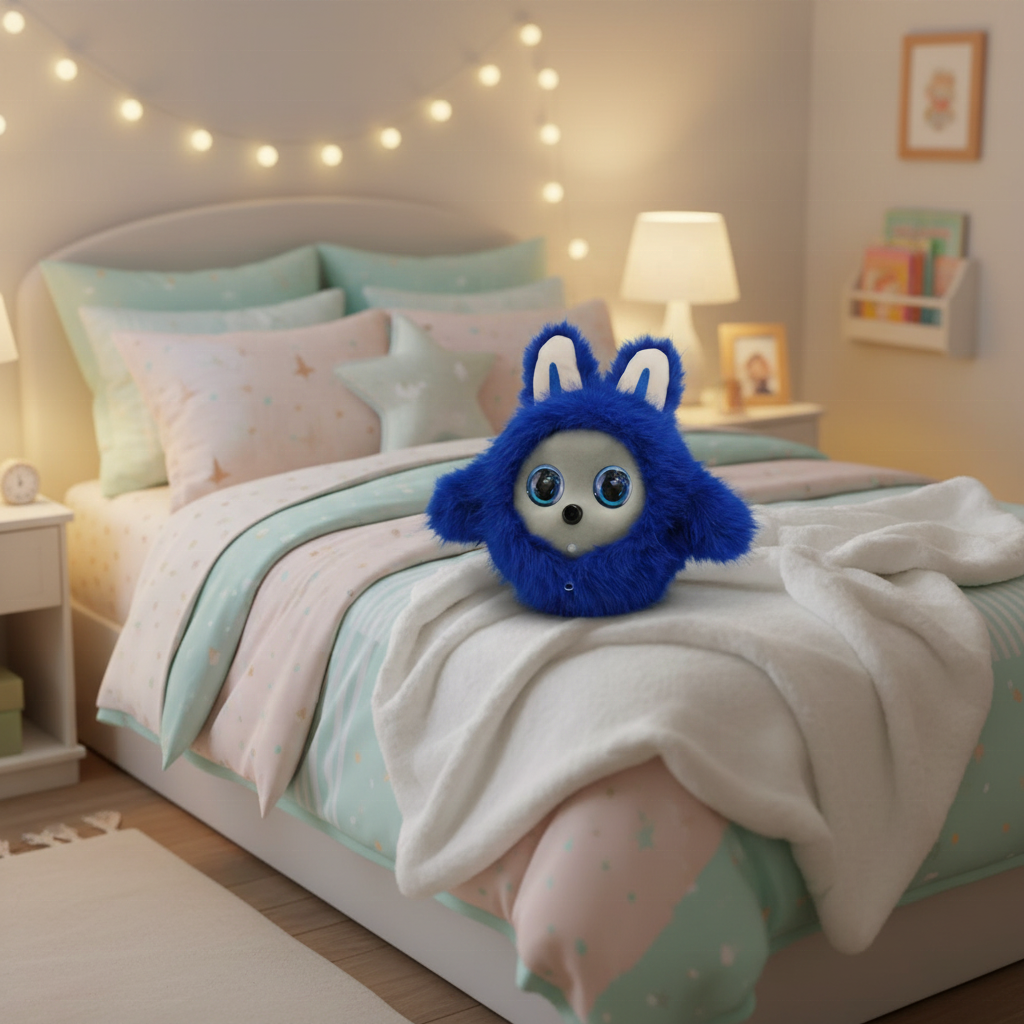
RG-AI-K01 AI Educational Robot Bunny Plush Toy with Smart Learning Mode and Dialogue
MOQ: 100 pcs
Explore Specs
Engineered with multi-axis rhythmic synchronization, speech processing modules, and ultra-safe plush encapsulation. Each model is fully customizable under complete OEM/ODM agreements for commercial distribution across Osaka, Kobe, and Kyoto.
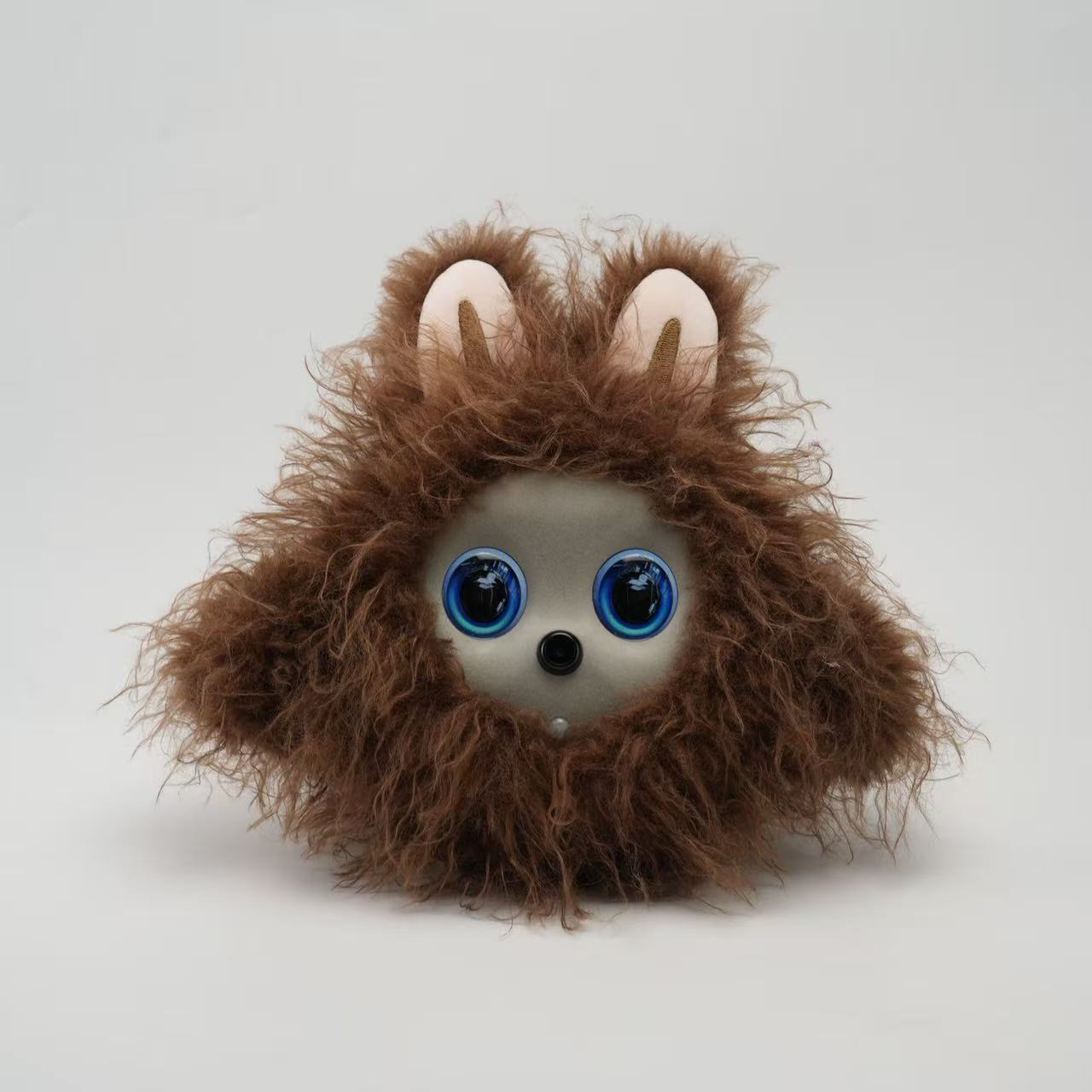
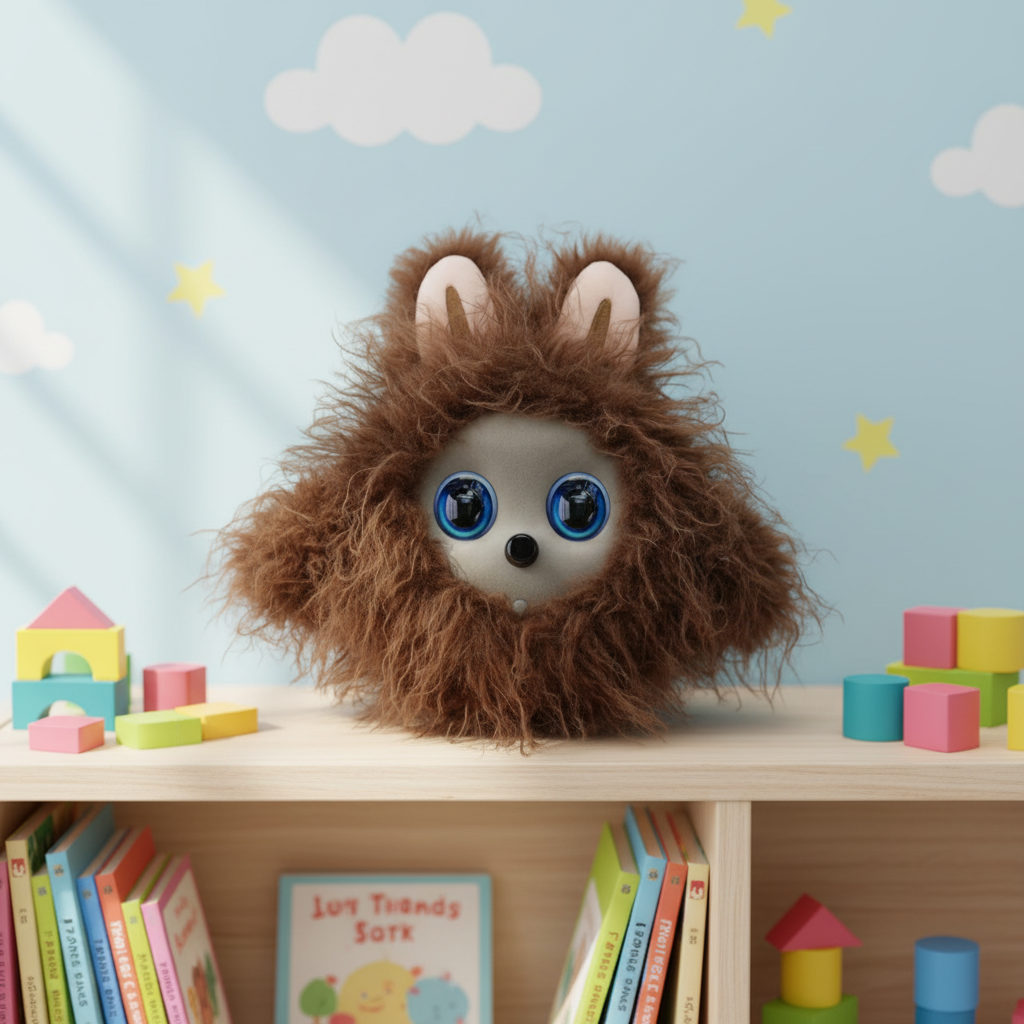
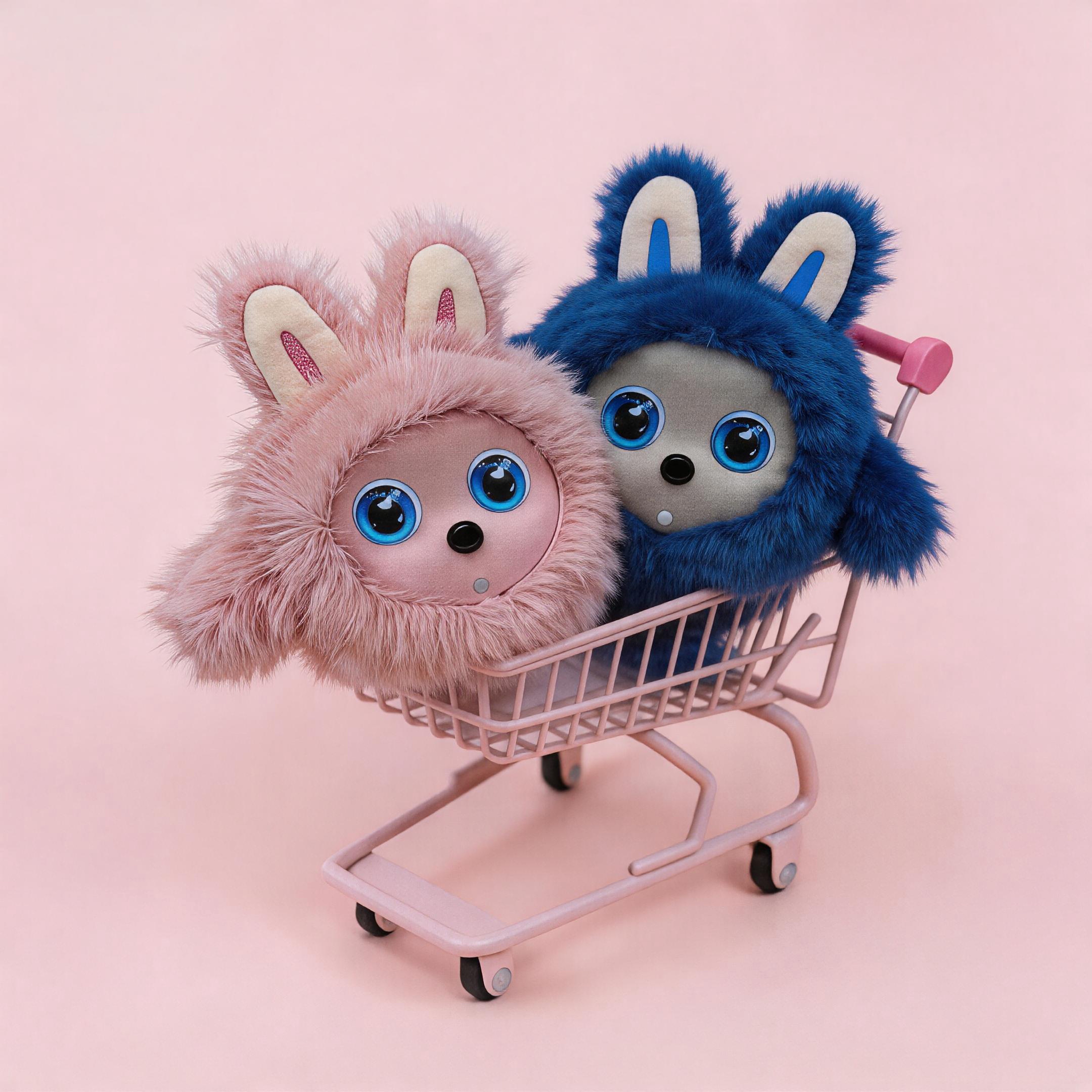
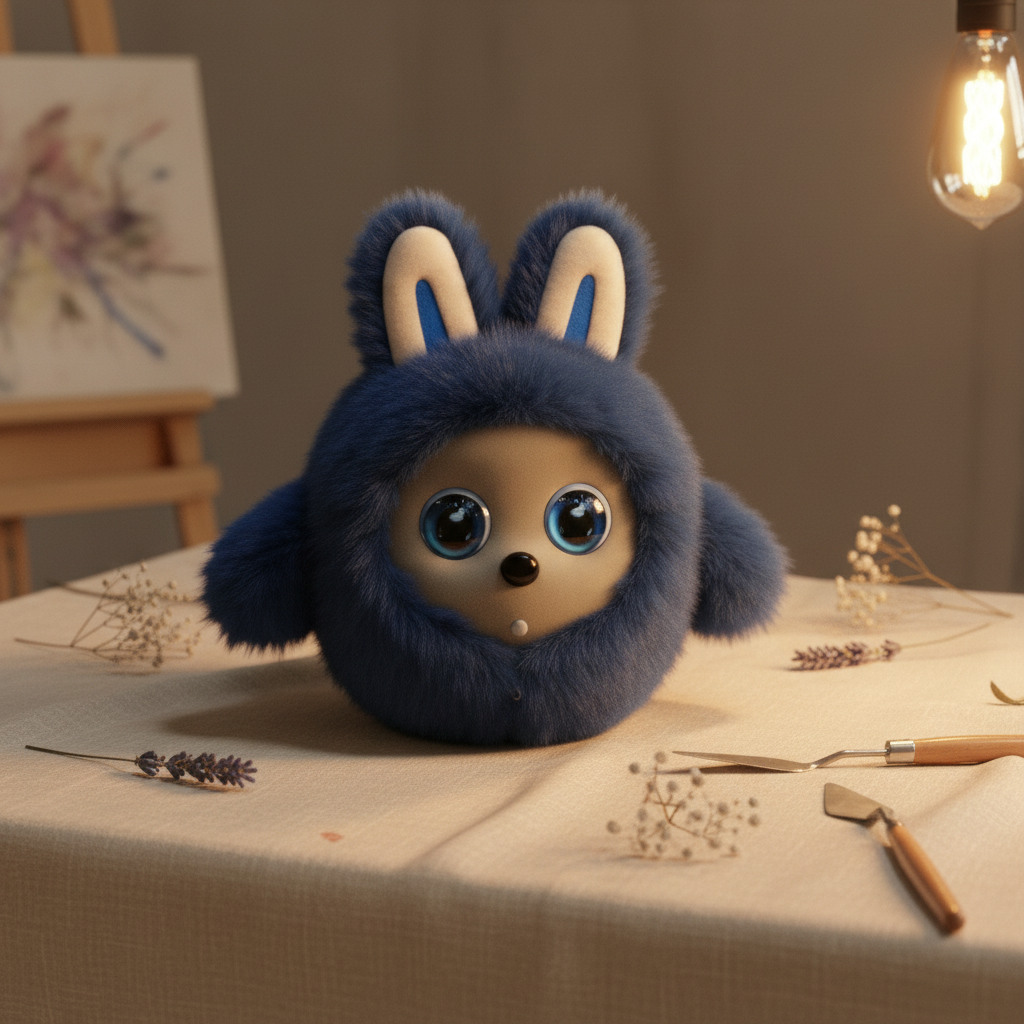
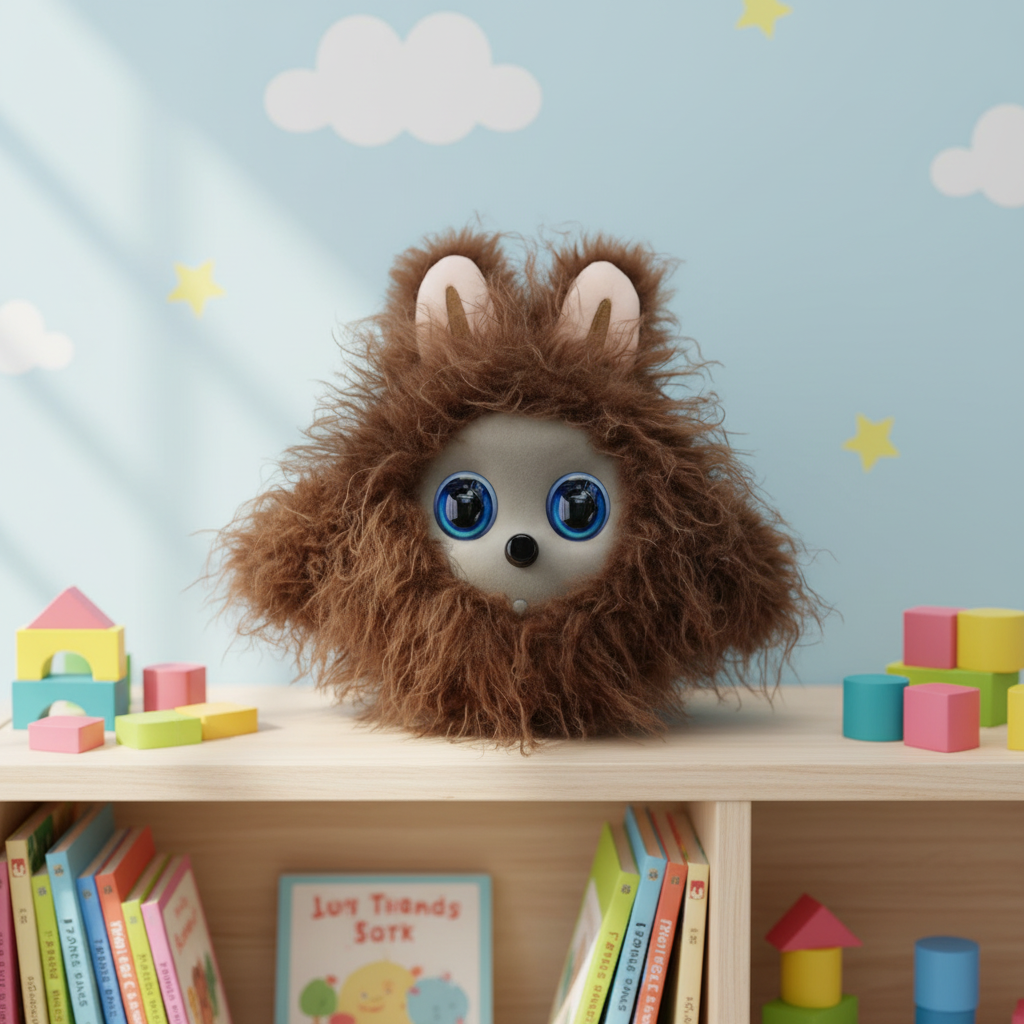
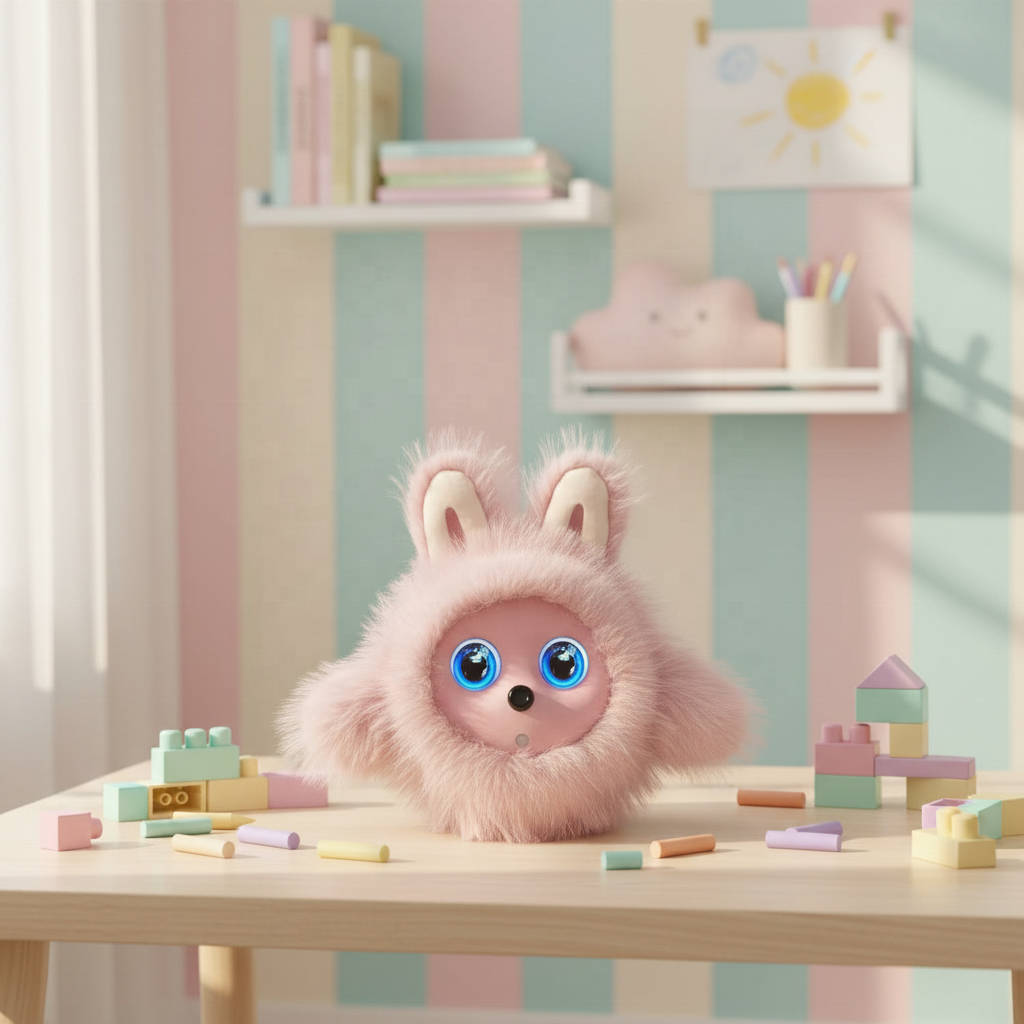
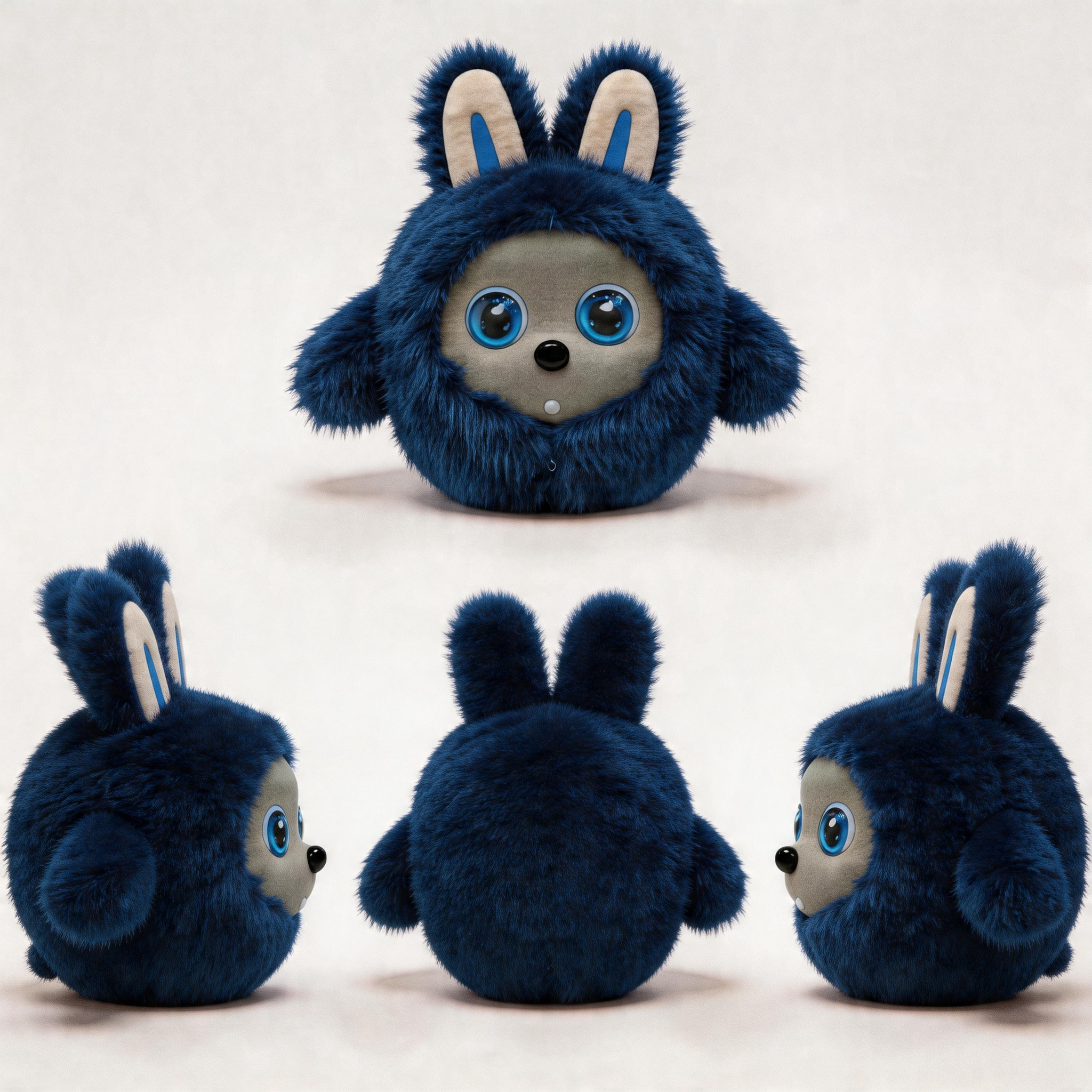
As the commercial epicentre of Western Japan and host of Expo 2025, Osaka exhibits unique purchasing channels, institutional demands, and distinct consumer psychographics in consumer animatronics.
Osaka's commercial ecosystem—spanning Namba, Umeda, and the specialized electronics corridors of Nipponbashi (Den Den Town)—demands agile robotic inventory. Retail buyers seek high-margin conversational animatronics that combine captivating kinetic shelf-appeal with plug-and-play domestic consumer accessibility.
Across Osaka Prefecture's private education sector, kindergarten operators and after-school Eikaiwa (English conversation) academies are substituting passive audio props with active robotic dance toys. Multi-axis movement combined with precise phonetic call-and-response reinforces language acquisition through embodied rhythm.
Addressing Kansai's aging demographic, senior recreation centers in Sakai and Higashiosaka incorporate soft-shelled kinetic companions. Gentle choreographed dancing routines stimulate cognitive alertness, alleviate social isolation, and provide tactile therapeutic comfort without the mechanical hazard of hard-surface industrial robots.
Exporting programmable or radio-linked dancing toy robotics into the Japanese domestic market requires strict navigation of the Radio Act (Giteki / TELEC Certification), the Electrical Appliance and Material Safety Law (PSE mark), and the voluntary safety protocols dictated by the Japan Toy Association (ST Standard).
| Regulatory Dimension | Japanese Legal Standard | ESPS Manufacturing Implementation |
|---|---|---|
| RF & Telecommunication | MIC Technical Regulations Conformity (TELEC / Giteki Mark) | Pre-certified 2.4GHz BLE & Wi-Fi modules integrated into internal PCB, isolated from motor noise using surface ground shields. |
| Mechanical & Kinetic Safety | ST Standard Part 1 (Physical/Mechanical Properties) | Dual torque-limiting clutch systems in knee and neck gears to prevent child finger pinching when limbs are physically restrained during dance loops. |
| Flammability & Chemical | ST Standard Part 2 & Food Sanitation Act (JFSL) | BPA-free, non-toxic vinyl exterior and OEKO-TEX compliant plush coats rigorously tested against lead, phthalates, and heavy metal extraction. |
| Battery & Charging | PSE Mark / Lithium-Ion Safety (METI Ordinance) | Integrated battery management circuits (BMS) with overcurrent, thermal cutoff (PTC), and dual short-circuit physical isolation layers. |
As a verified Chinese direct exporter, Suzhou ESPS Technology Co., Ltd. supplies Osaka-based trading firms with comprehensive documentation binders, encompassing test reports from accredited third parties (SGS, TUV) to guarantee customs clearance through the Ports of Osaka and Kobe without administrative demurrage.
Originating in 2010 as a precision hardware fitting manufacturer in Zhangjiagang, Jiangsu, Suzhou ESPS Technology Co., Ltd. solved the fundamental challenge that plagues conventional toy supply chains: the disjointed fragmentation between mechatronic PCB developers and plush artisan sewers.
By integrating metalworking tolerances, robotic gear trains, voice-recognition microcontrollers, and precision sewing under an ISO 9001, ISO 14001, and OHSAS 18001 certified infrastructure, we eradicate kinematic jamming, acoustic motor buzzing, and seam tearing during cyclic dance movements.
Consumer robotics destined for Japanese retailers cannot tolerate motor failure, acoustic whirring, or software desynchronization. Our production lifecycle guarantees uncompromised field longevity.
High-torque POM micro-gears undergo continuous 500-hour stress testing. Gearboxes are encapsulated with synthetic silencer lubricants to ensure operating noise levels remain below 42dB—essential for quiet Japanese household environments.
Acoustic calibration includes dual-microphone beamforming for Kansai-ben dialect nuances and high-clarity voice recognition. Embedded audio DSP boards dynamically filter internal servo motor vibration from pickup sensors.
Assembled robotic toys undergo 1.2-meter multi-angle drop tests on concrete blocks covered with industrial vinyl flooring, followed by seam tension tests (70N minimum pull force) to guarantee compliance with rigorous child-proofing standards.
Actionable commercial answers addressing customs regulations, Minimum Order Quantities, localized firmware, and maritime freight routes to Western Japan.
Consult directly with our mechatronic engineering and export team. Receive complete technical documentation, customized Japanese-market feasibility feedback, and factory direct quotations within 24 hours.
