Featured Zibby & Smart Companion Series for the Uzbekistan Market
Engineered by Suzhou ESPS Technology Co., Ltd. with SGS onsite verification, featuring dual safety standards (CE, EN71, FCC, RoHS), reinforced acoustic cavities, and bespoke localized firmware.
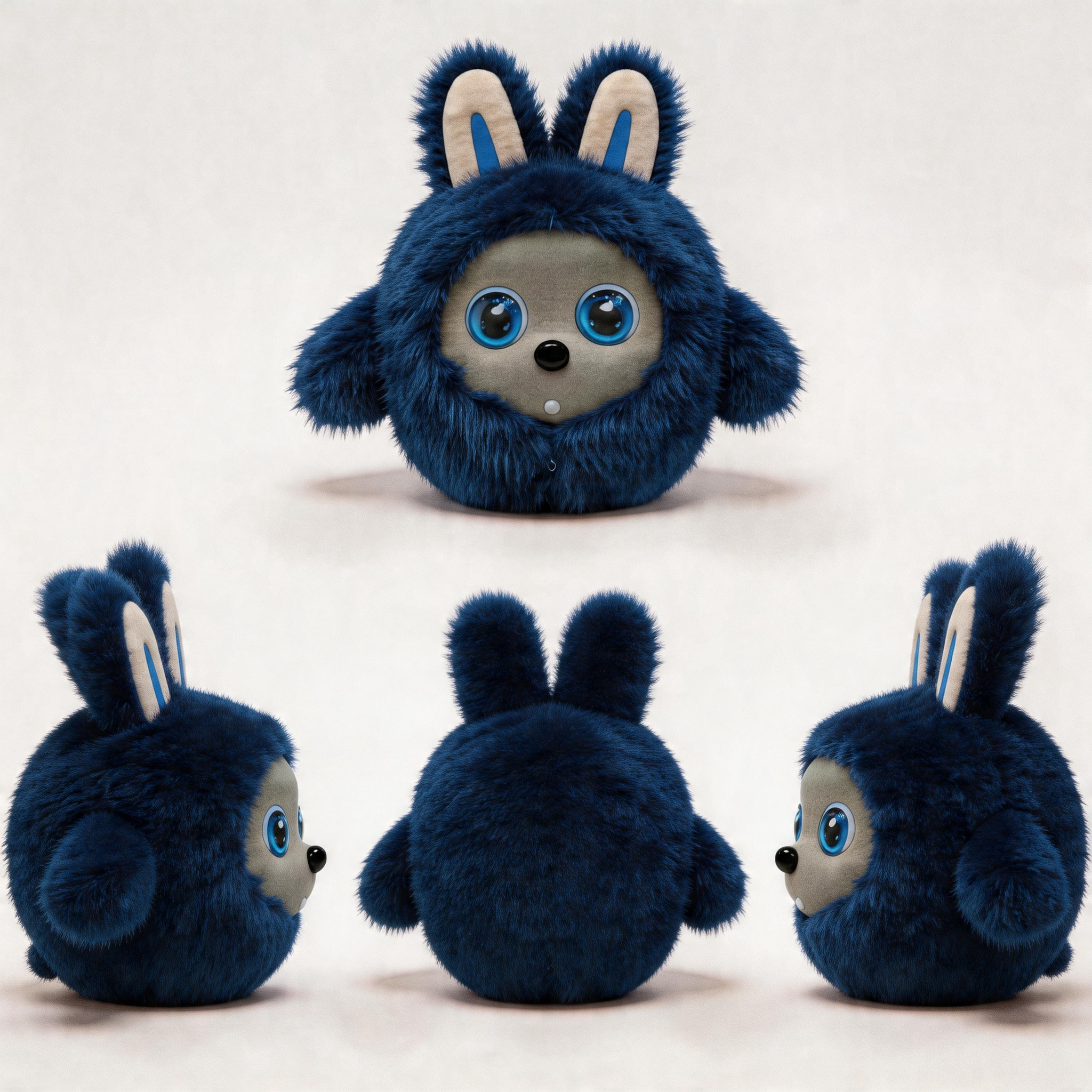
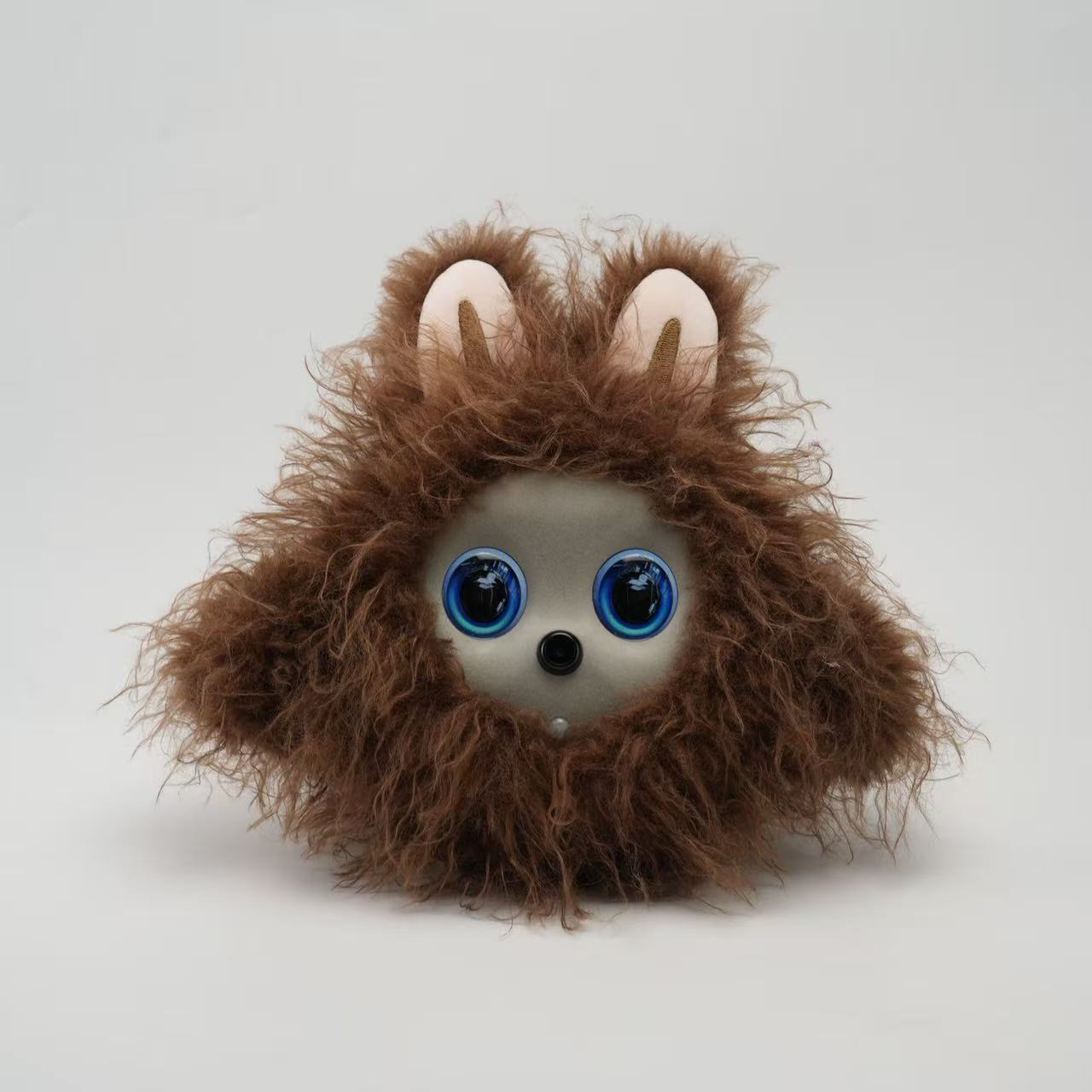

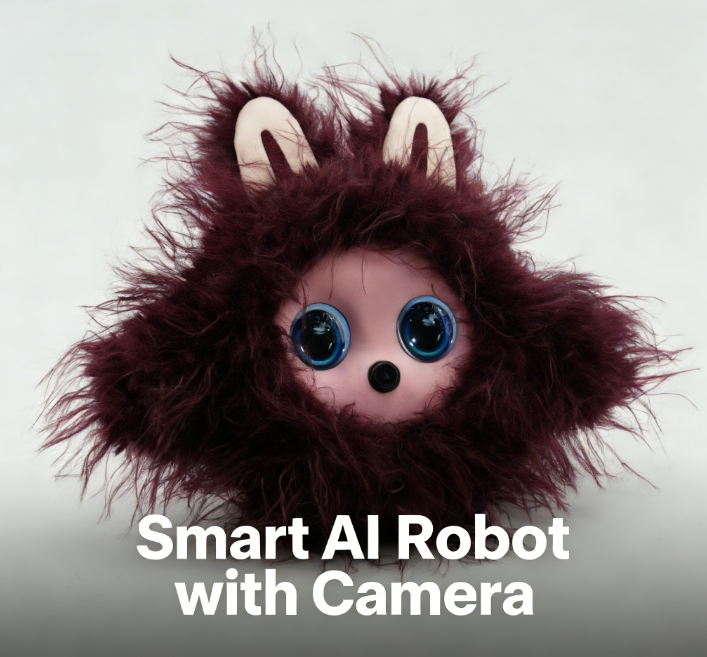

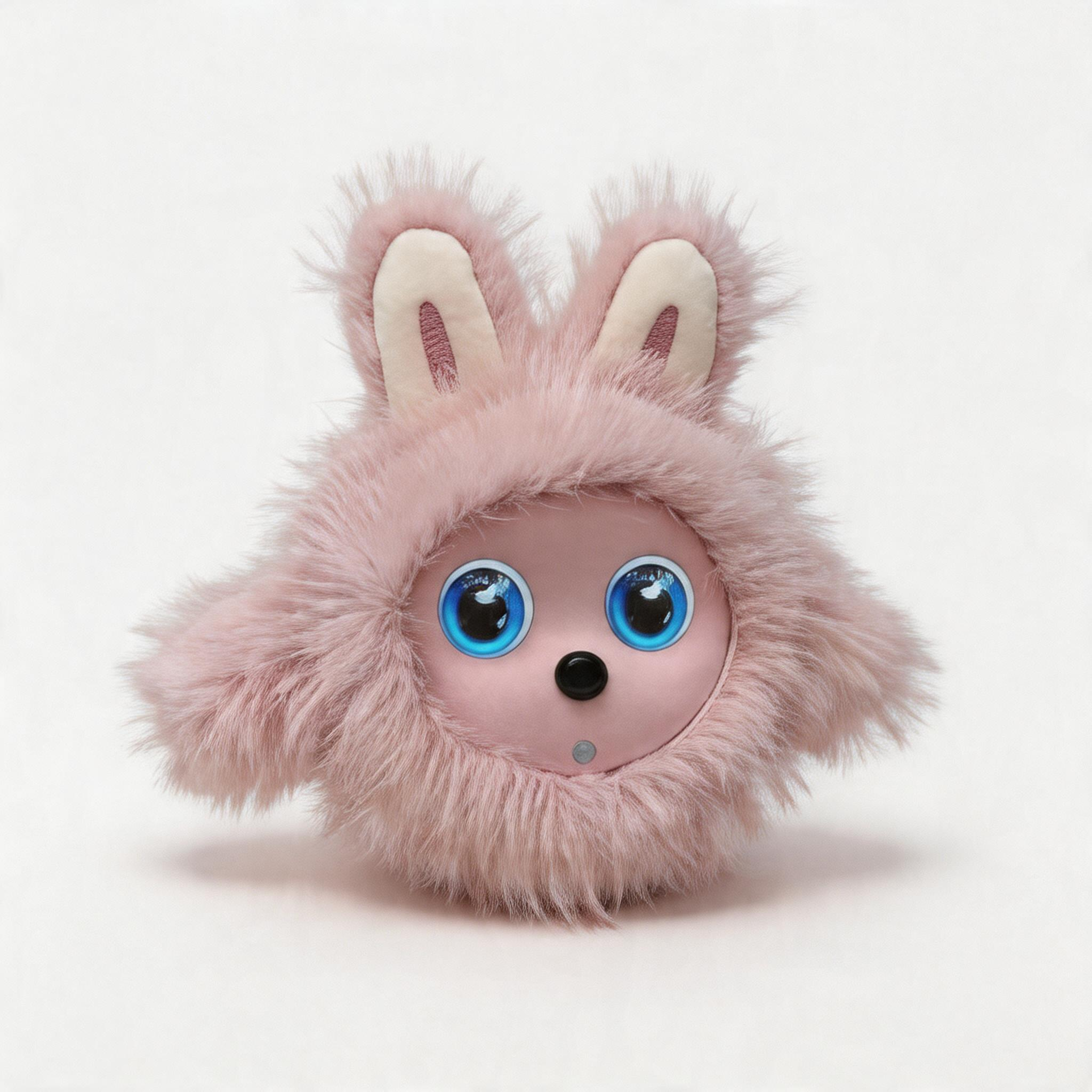
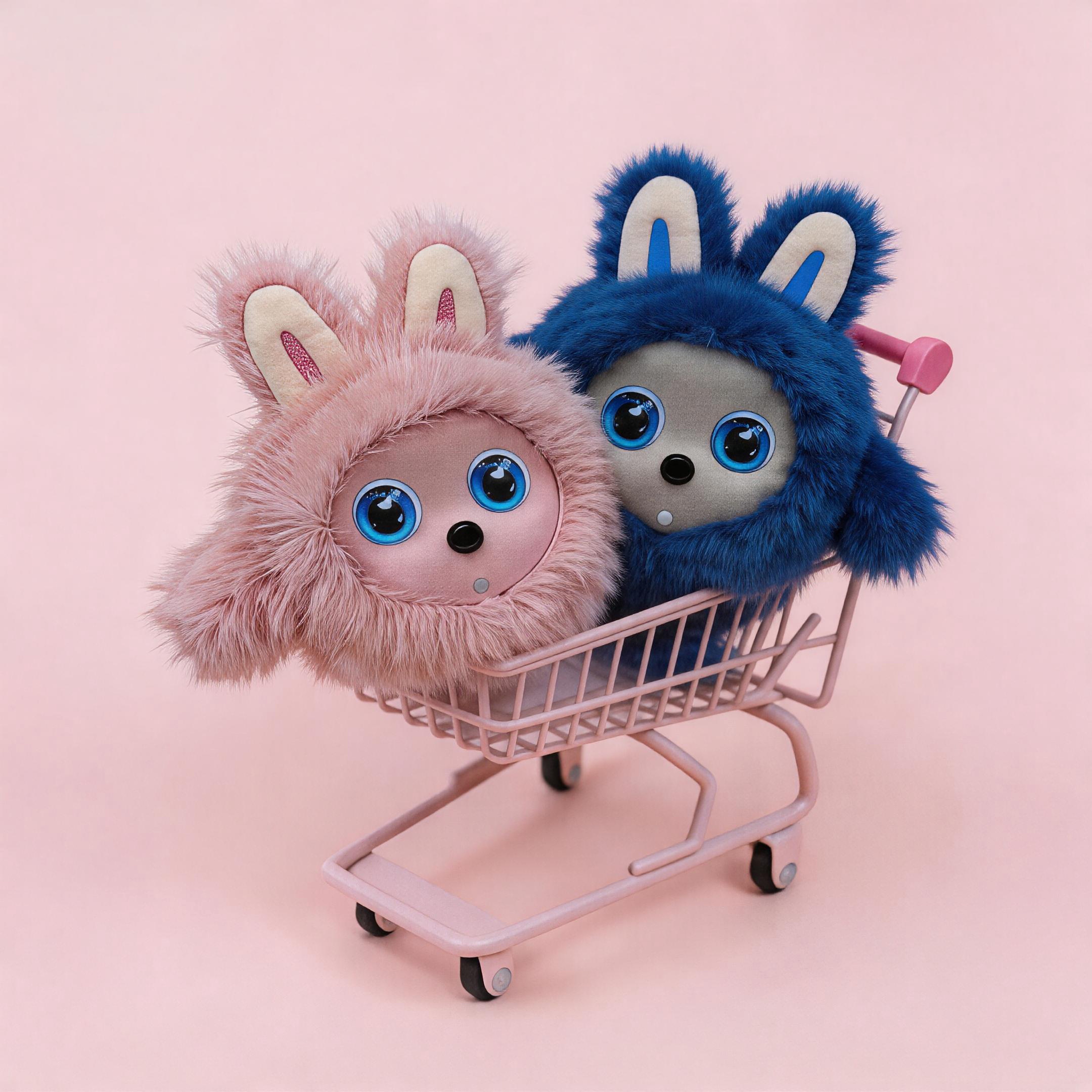

Uzbekistan Market Transition: Digital Pedagogy & Companion Robotics
Demographic dividends, comprehensive early education reforms, and state-mandated digital literacy programs create unprecedented demand for AI-driven interactive learning hardware across Tashkent, Samarkand, and the Fergana Valley.
The Republic of Uzbekistan is currently experiencing the most substantial demographic expansion and public education modernization within Central Asia. With a national population surpassing 36.8 million citizens and more than 30% of the population under 14 years of age, government expenditure on preschool infrastructure under the Ministry of Preschool and School Education (Maktabgacha va Maktab Ta'limi Vazirligi) has reached historical highs. Central to this strategic transformation is the shift away from rote instruction toward interactive, technology-enabled pedagogical models that foster critical thinking, linguistic agility, and emotional well-being from early childhood.
The nationwide decree implementing the "Digital Uzbekistan 2030" Strategy has placed modern automated learning devices directly inside primary schools, state kindergartens, and public library nodes. Concurrently, rapid urbanization in Tashkent, Namangan, and Bukhara has catalyzed an affluent urban middle class seeking private developmental tutoring, international bilingual curricula, and screen-free developmental toys. The Zibby educational companion robot series (epitomized by our precision-engineered RG-AI-K01 architecture) serves directly as an educational bridge—combining physical tactile comfort with conversational artificial intelligence that guides young learners through localized multilingual vocabulary, logical problem-solving, and socio-emotional exercises.
From an industrial standpoint, deploying conversational robots in Uzbekistan requires robust speech synthesis engines capable of parsing Central Asian phonemes, localized accents, and bilingual grammatical shifts. Children in major urban hubs frequently switch between Uzbek (the state language) and Russian (widely spoken in commerce and technical education), while private education systems heavily emphasize early English acquisition. Our custom OEM/ODM pipeline bridges this technical gap by embedding custom neural acoustic algorithms, offline dialogue trees, and customized speech recognition libraries into durable plush casings designed to withstand rigorous daily use in commercial preschools.
Localized Application Scenarios in Uzbekistan's Education Ecosystem
How early education chains, private academies, public institutions, and specialty retailers integrate our interactive robotics into daily educational and commercial routines.
Private Preschools & International Academies
Tashkent's competitive private preschool sector (e.g., Mirzo Ulugbek and Chilanzar districts) utilizes the Zibby robot as an interactive assistant in bilingual classrooms. The device initiates conversational prompts, conducts vocabulary drills in English and Russian, and facilitates screen-free interactive storytelling that satisfies parents' demand for cognitive development without mobile device dependency.
Regional Public Kindergartens & Rural STEM Nodes
In provincial centers such as Fergana, Andijan, and Samarkand, localized institutional variants of the RG-AI-K01 serve as standardized speech modeling tools. Equipped with preloaded offline phonics curricula in Uzbek Latin and Cyrillic scripts, the robots bridge teacher shortages by delivering clear acoustic pronunciation and interactive mathematics challenges to classroom groups.
Omnichannel Retail & Electronics Chains
High-end electronics distributors and retail conglomerates (such as Texnomart, MediaPark, Korzinka, and premier toy boutiques in Tashkent City Mall) position the Zibby line as a premium developmental gift. Featuring retail-ready Uzbek/Russian packaging, localized user manuals, and USB Type-C fast-charging protocols, the product meets turnkey consumer expectations.
Key Technological & Market Drivers Shaping Uzbekistan's AI Toy Sector
Anticipating regulatory updates, linguistic integration trends, and localized consumer preferences over the next five years.
1. Shift from Cloud Reliance to Edge-AI & Offline Voice Processing
While broadband connectivity has expanded rapidly across Uzbekistan under Uztelcom and private operators, rural connectivity variations still pose hurdles for real-time cloud NLP latency. Our engineering team prioritizes hybrid architecture: core developmental interactions, songs, fairy tales (o'zbek xalq ertaklari), and phonics algorithms operate fully on embedded microprocessors with local flash storage, while optional cloud tethering enables expanded conversational LLM queries when paired with home or school Wi-Fi.
2. Stringent Compliance with Law No. ZRU-547 on Personal Data Protection
Uzbekistan's Law on Personal Data (No. ZRU-547) imposes rigorous rules regarding the processing and storage of minors' biometric and conversational data within national boundaries. Unlike low-cost consumer toys that route unprotected voice recordings through untrusted foreign servers, our OEM platforms utilize physical privacy cut-off switches, zero-retention voice transmission protocols, and fully on-device voice processing modes to ensure zero regulatory friction for importers.
3. Demand for Tactile Multi-Sensory Emotional Companion Interfaces
Educational theorists and speech-language pathologists throughout Central Asia emphasize that hard plastic robotic devices often fail to form lasting emotional bonds with toddlers. The RG-AI-K01 long-eared bunny series blends precision ABS skeletal robotics with ultra-soft, hypoallergenic Velboa plush outer skins, capacitive touch sensors in the ears and paws, and expressive LED backlit eye arrays that respond organically to pats, hugs, and vocal praise.
4. Silk Road Logistics Optimization via Central Asian Freight Corridors
Under the China-Central Asia economic transit framework, rail freight efficiency from Chinese manufacturing centers (Jiangsu and Zhejiang) to Tashkent (Chukursay, Sergeli stations) has reduced customs and transit windows to just under two weeks. Containerized freight via Khorgos and Alashankou land ports eliminates volatile maritime tariffs and bypasses geopolitical bottlenecks, providing stable, scheduled inventory turns for institutional tenders.
Suzhou ESPS Technology Co., Ltd. — Your Verified OEM/ODM Factory
SGS-verified custom manufacturer combining sixteen years of precision electromechanical manufacturing with advanced software-hardware integration. We eliminate multi-vendor friction by providing end-to-end tooling, PCB assembly, acoustic engineering, plush tailoring, and certified export compliance under one roof.
SGS-Audited Manufacturing Facility
Verified 6,000 m² operating plant in Zhangjiagang, Jiangsu, staffed by 69 certified professionals. Fully audited onsite across assembly pipelines, electrical test beds, clean rooms, and quality management protocols.
Triple ISO Management System
Strict operational compliance certified under ISO 9001 (Quality Management), ISO 14001 (Environmental Standards), and OHSAS 18001 (Occupational Health & Safety), ensuring flawless consistency from first sample to high-volume production.
Dual-Stage Material & Functional Inspection
100% incoming inspection on textiles, memory chips, high-density lithium polymer batteries, and microphone arrays, followed by algorithmic stress tests on wake-word sensitivity and seam-tensile endurance.
Scalable Industrial Network
Backed by over 40 long-term contracted partner factories and tooling houses across Jiangsu and Guangdong, providing rapid throughput scalability for seasonal procurement cycles and nationwide state tenders.
Certified Global Export Portfolio
Full CE, FCC, RoHS, and EN71 safety and electromagnetic documentation available immediately for rapid submission to Uzbek technical standards agencies (Uzstandard) and customs inspection bodies.
99.18% Rapid Response & Multilingual Support
Experienced export engineering staff dedicated to Central Asian customs documentation, localized firmware packaging, and door-to-door (DDP/CIP) multimodal logistics execution.
Direct Export Logistics Corridors to Tashkent, Uzbekistan:
Key Questions Local Importers, Distributors & Schools Ask Before Ordering
Clear, definitive answers addressing customs classification, language localization, safety certification, and commercial payment terms in Uzbekistan.
1. How does Suzhou ESPS handle Uzbek and Russian linguistic localization for Zibby robots?
2. What HS Code and import customs procedures apply to interactive robotic toys in Uzbekistan?
3. Does the product comply with Uzstandard (O'zstandart) and SanPiN health requirements?
4. What is the Minimum Order Quantity (MOQ) for custom-branded orders for Uzbekistan?
5. What payment methods and trade terms (Incoterms) do you accept for Central Asian clients?
6. How are battery safety and aviation/rail hazardous material regulations managed?
7. Can our educational institution update learning modules after deployment?
8. What is your warranty policy, technical spare parts provision, and after-sales support?
Launch Your Localized Zibby Educational Robot Line in Uzbekistan
Connect directly with our senior industrial engineering and export compliance team. We provide rapid sample dispatch, localized language acoustic previews, and complete landed freight estimates to Tashkent, Samarkand, and beyond.
