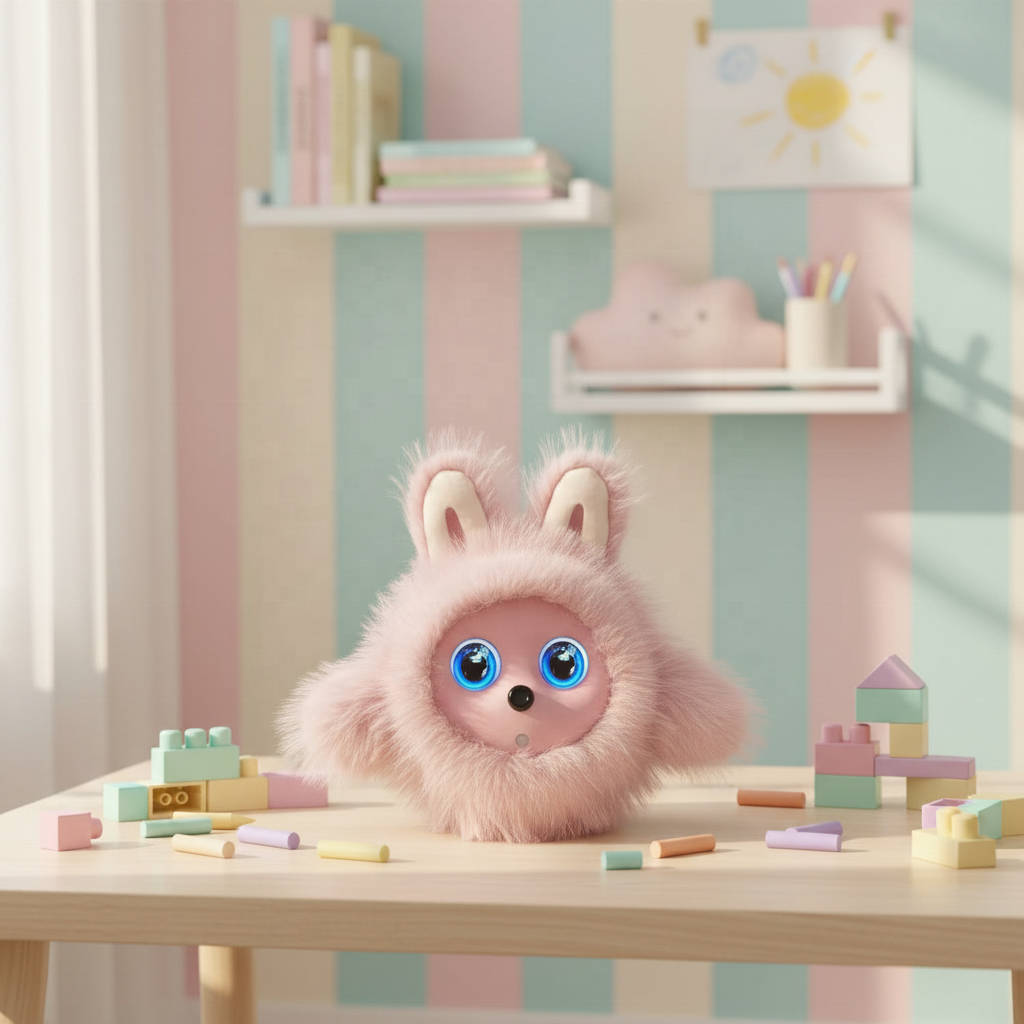
Precision B2B Engineering & Export

OEM/ODM Gesture Sensing Toy Factories & Suppliers in the Nagoya Market

Architecting next-generation optical, millimeter-wave radar, and infrared sensory robotics for Chūkyō industrial distributors, department store concessions, and STEM retail networks.

Enterprise Product Portfolio

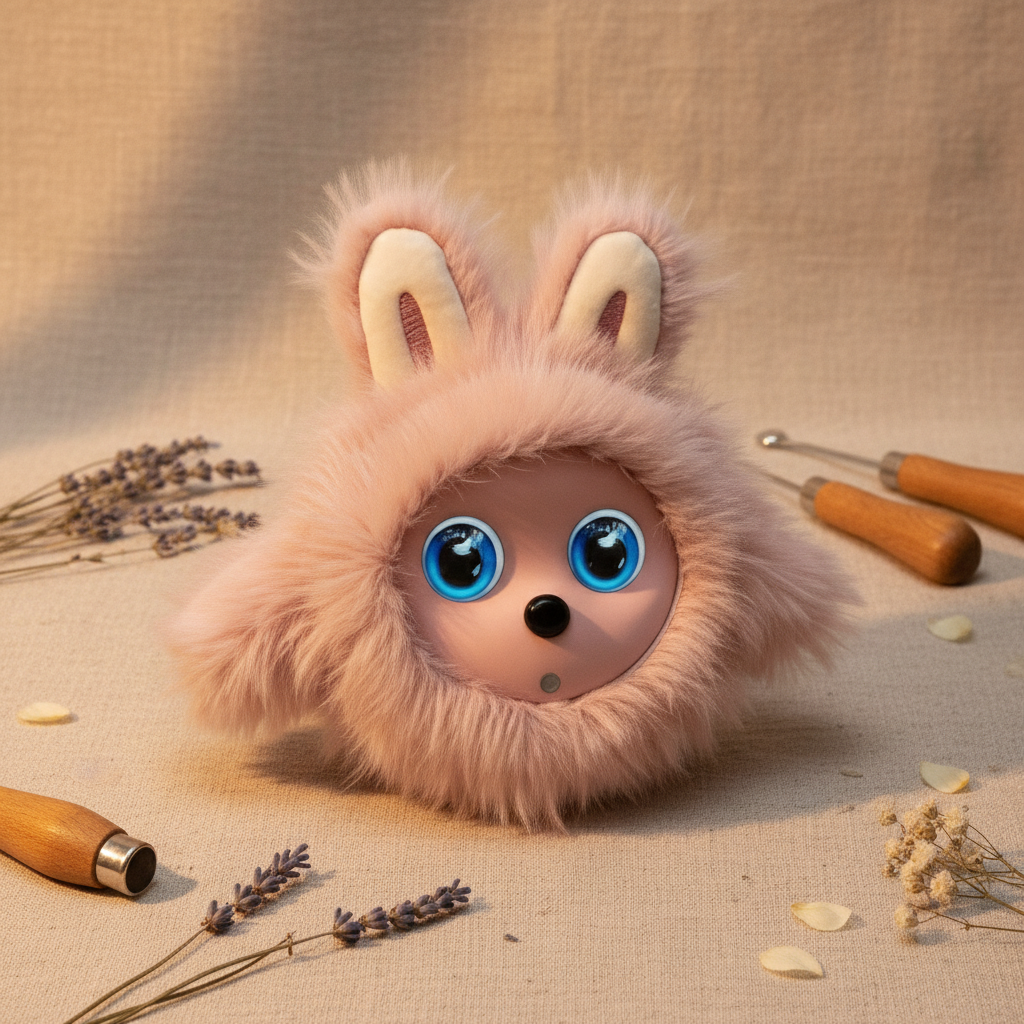
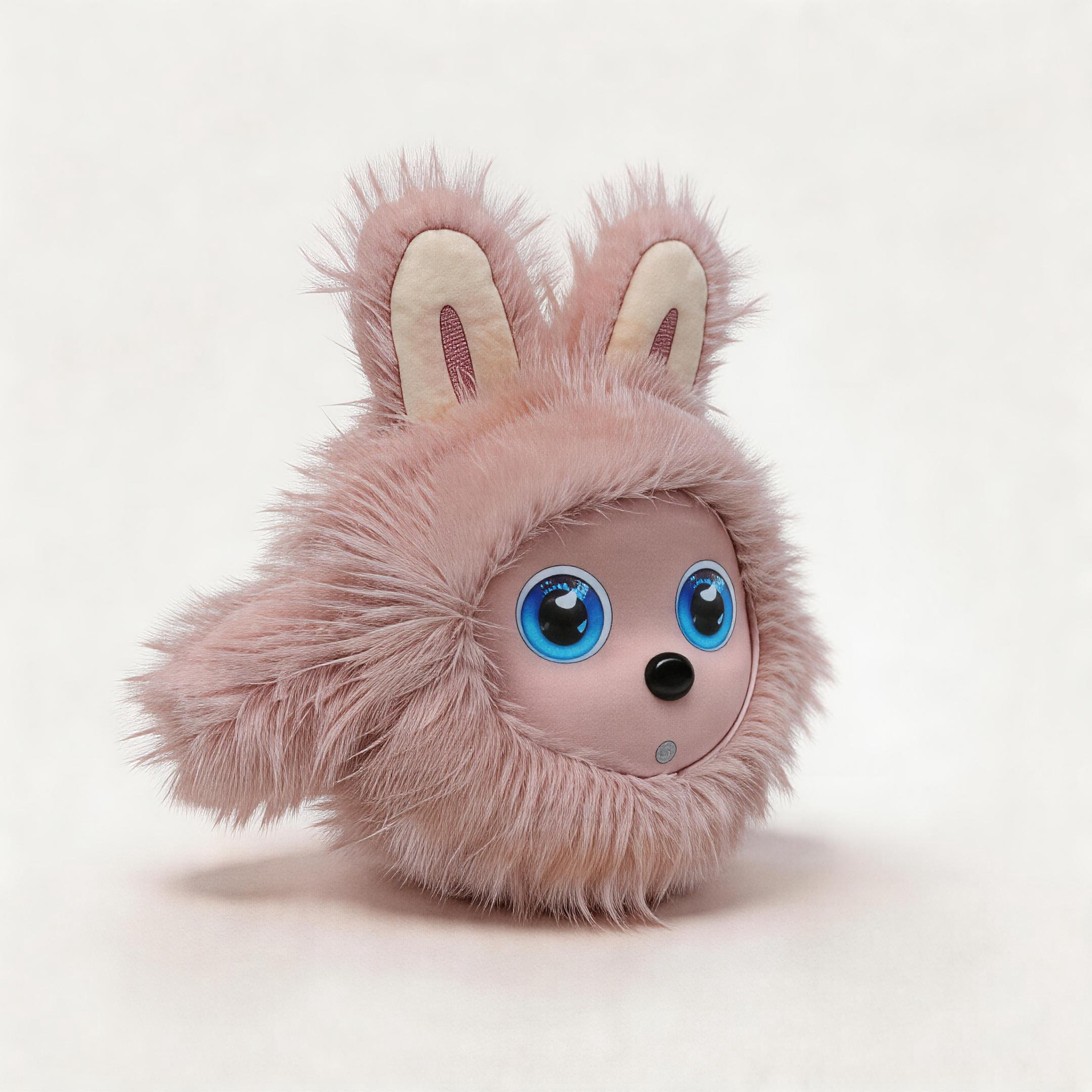
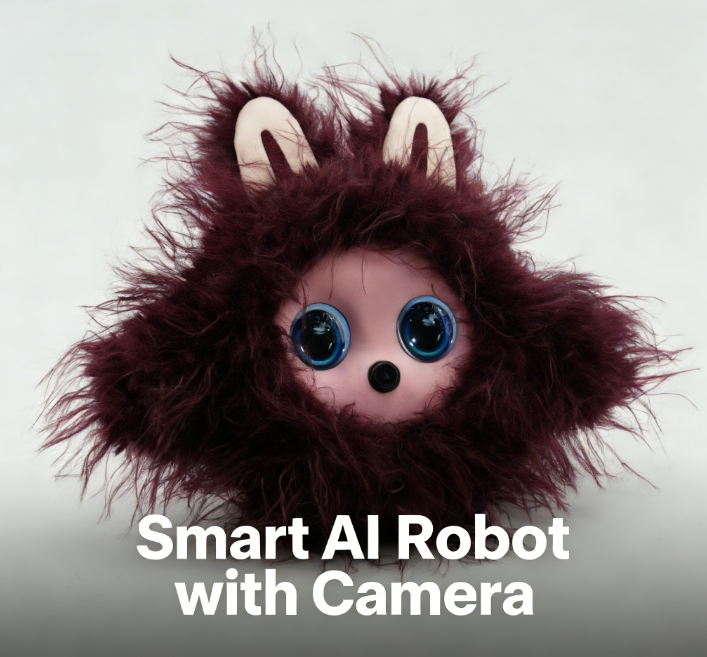
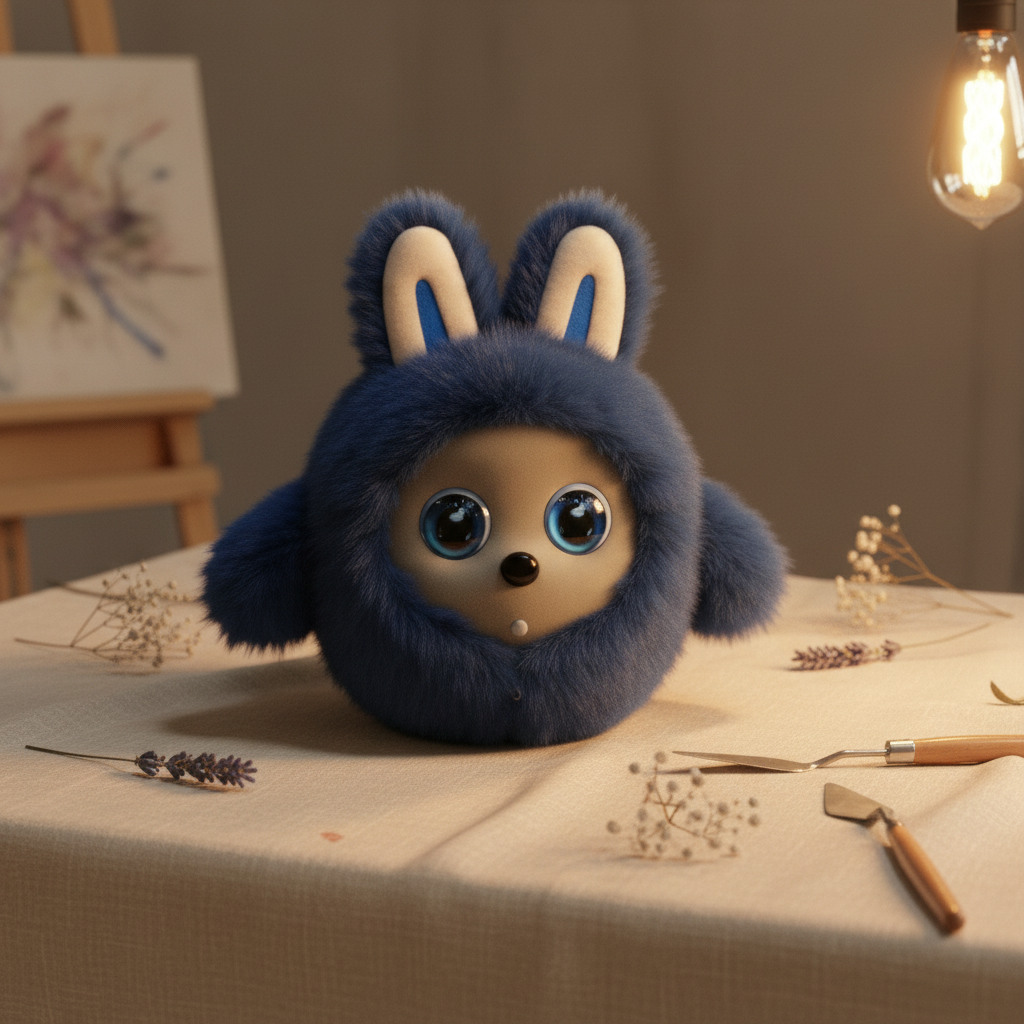
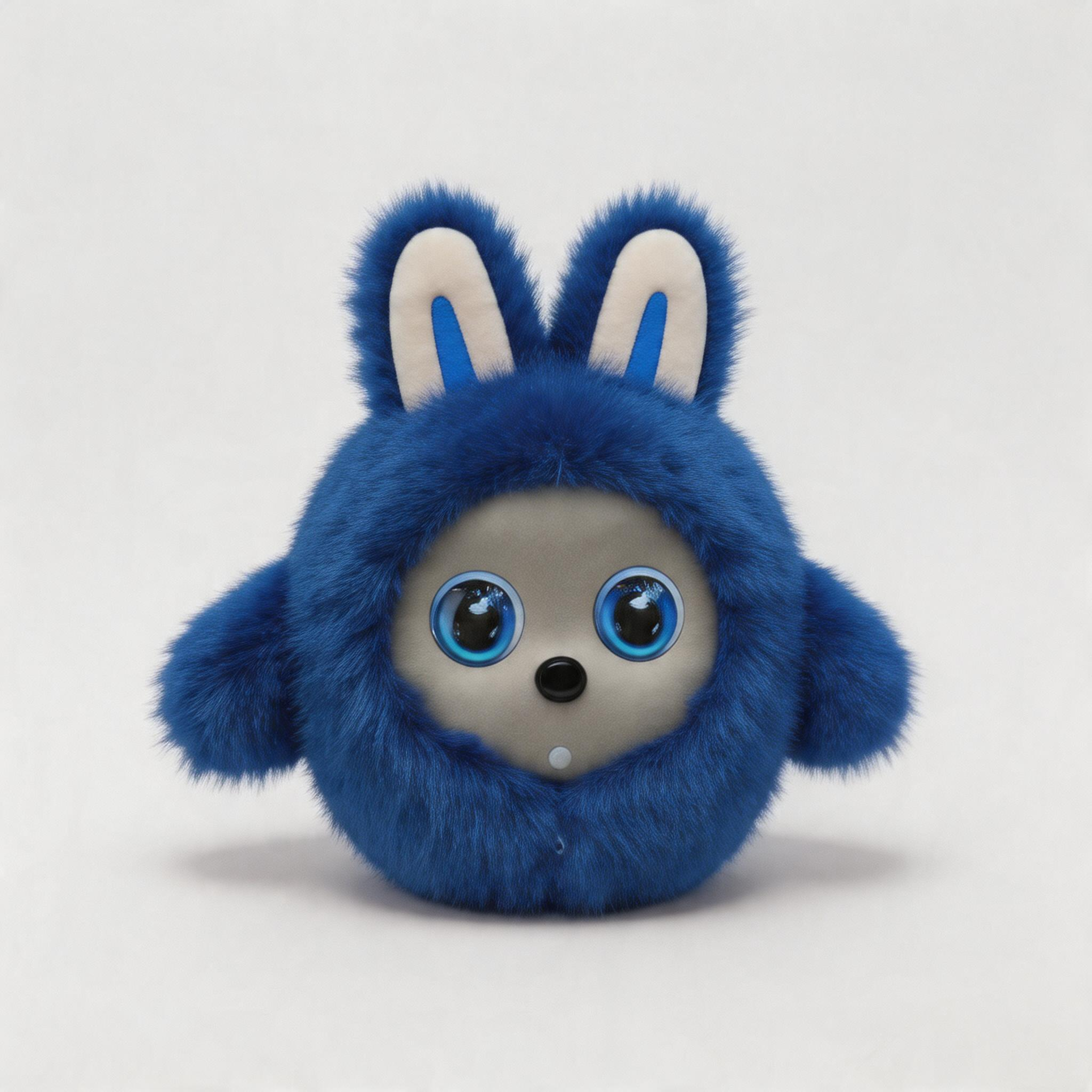
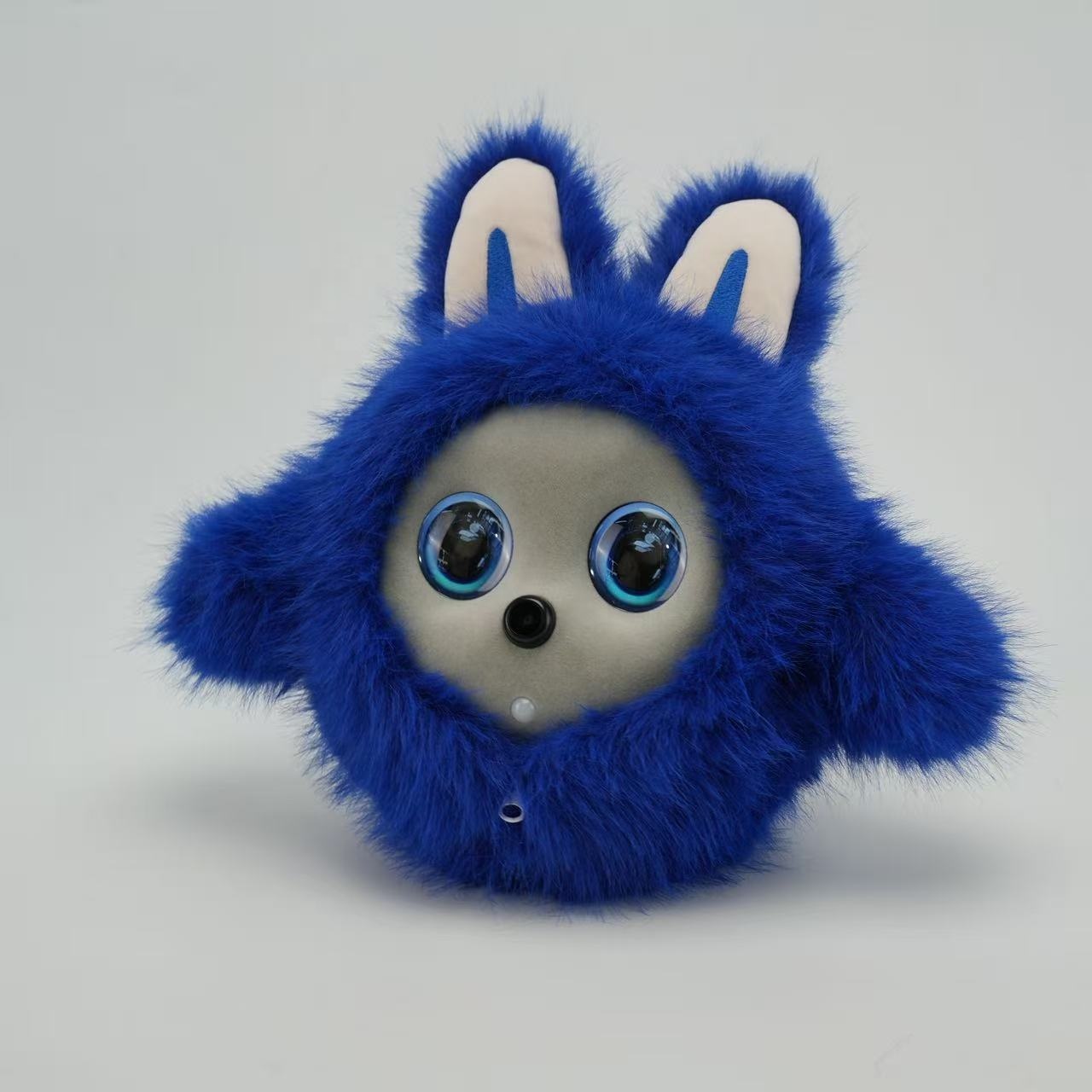
Featured Gesture-Sensing & Companion Robotic Platforms

Factory-calibrated hardware configurations equipped with multi-modal gesture sensing arrays, dynamic voice recognition, and real-time behavioral adaptation algorithms.
Aichi Prefecture Market Infiltration

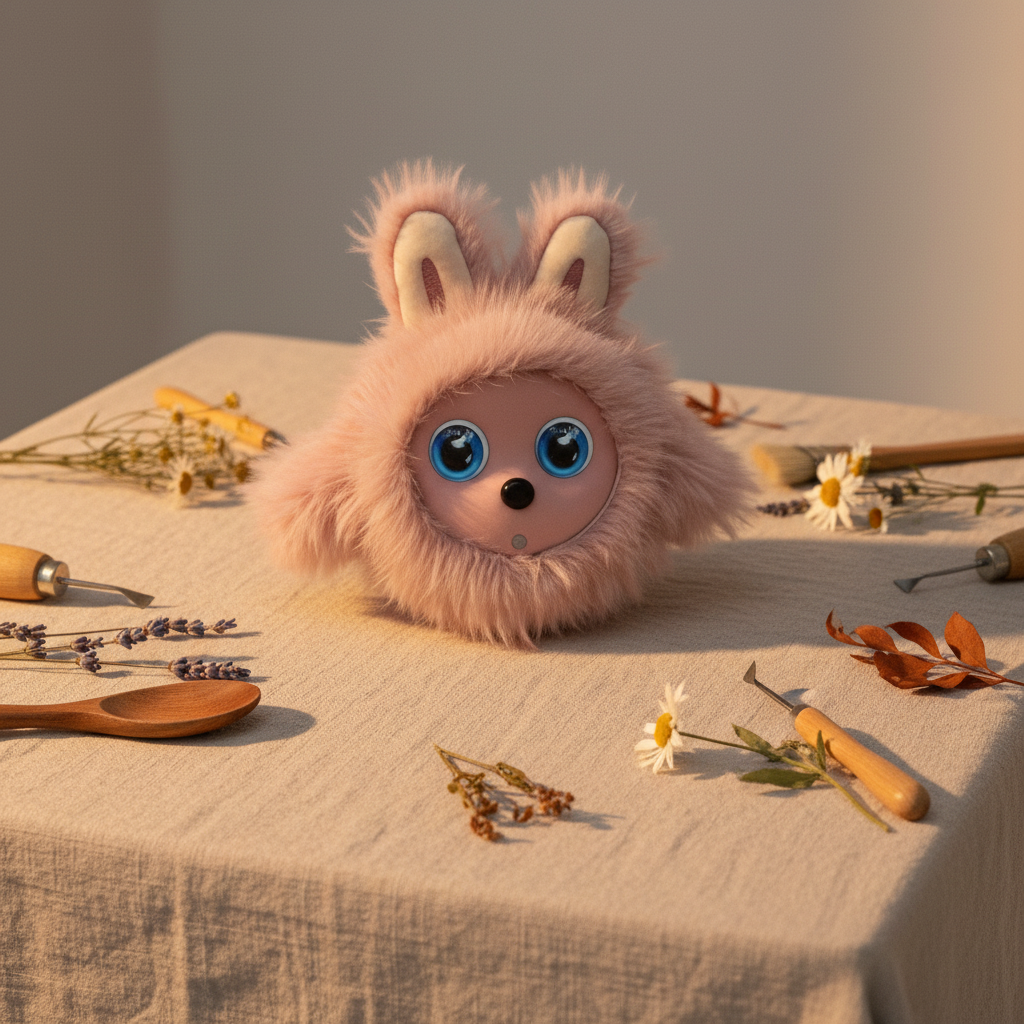
Localized Deployment Scenarios in the Greater Nagoya Area

Analyzing consumer touchpoints, channel architectures, and cultural expectations across the Chūkyō industrial core.

Sakae & Meieki Department Stores

High-end retail outlets within JR Central Towers, Matsuzakaya, and Mitsukoshi demand premium packaging, noiseless micro-actuators, and unblemished non-toxic soft-touch finishes tailored for the Japanese gifting culture (Oseibo and Omikuji seasons).

STEM Academies & Monozukuri Hubs

Nagoya's rich heritage as an engineering epicenter (monozukuri) makes interactive gesture-sensing toys highly desirable in after-school juku programs, fostering early spatial awareness and robotics programming foundations without intrusive displays.

Silver-Generation Emotional Care

Across Aichi's aging residential quarters, responsive gesture-activated plush companions mitigate loneliness without the hygiene overhead of live pets, executing low-stress tactile feedback and comforting responsive micro-dialogues.

Engineering Architecture

Sensory Convergence Trends Shaping Japanese Consumer Tech

From basic pyroelectric triggers to edge-computing optical matrixes: How OEM gesture toys comply with Japan's technical standards.

The Evolution from Infrared to Optical Edge Recognition

The domestic Japanese toy industry has moved beyond rudimentary ambient-light dependent photoresistors. Premium buyers across Nagoya demand Time-of-Flight (ToF) distance sensing and high-frequency capacitive arrays capable of differentiating a deliberate child's wave from random background interference.

At ESPS, our engineering architecture bridges high-speed microcontrollers with ultra-low-power standby modes, sustaining battery longevity while maintaining 50ms rapid wake-up cycles that align with strict Ministry of Internal Affairs and Communications (MIC) RF thresholds.

Sensor Technology Dual IR arrays + 940nm VCSEL Time-of-Flight Module
Sampling Frequency Up to 60Hz gesture refresh rate; 50ms latency
Detection Radius 30mm to 350mm conical gesture angle (adjustable)
Audio Processing Integrated DSP noise cancellation with Japanese phonetic models
EMC/RF Certifications TELEC (Japan Radio Law), CE-RED, FCC Part 15B
Operational Reliability

Manufacturing Infrastructure Backed by SGS Auditing

Suzhou ESPS Technology Co., Ltd. marries high-precision hardware processing with soft plush fabrication to deliver fully integrated smart interactive products.

SGS Onsite Verified Facility

Fully audited production premises spanning 6,000 m² of modern clean assembly workshops in Zhangjiagang, Jiangsu, audited by SGS Group for ISO 9001, ISO 14001, and OHSAS 18001 compliance.

Hardware DNA Since 2010

Over 16 years of high-tolerance metal stamping and electro-mechanical engineering from our monitor stand division gives our internal robotics armature superior durability compared to pure plush assemblers.

Two-Stage QA/QC Protocols

Raw component screening precedes SMT placement, followed by drop tests, thermal camera scans, seam tension checks, and 100% optical sensor calibration on live assembly belts.


16+
Years Exporting
6,000㎡
Floorspace
69
Verified Staff
40+
Network Factories
99.18%
Response Rate
4.9/5
Buyer Rating
Procurement Knowledge Base

Frequently Asked Questions by Japanese Importers

Navigating technical testing, customs classification, and Japanese safety compliances for gesture-sensing robotic toys.

How does ESPS guarantee compliance with the Japan Toy Safety Standard (ST Standard)?
Our products undergo testing designed to meet both international (EN71, ASTM F963) and Japanese domestic specifications. For the Japanese market, we coordinate tests via accredited bodies covering ST Part 1 (Mechanical and Physical Properties - preventing small detachment of sensory nodules), ST Part 2 (Flammability testing of outer plush and internal cotton fill), and ST Part 3 (Chemical properties, including heavy metal migrations and phthalate limits for food sanitation law compatibility).
What are the customs procedures and trade terms for shipments arriving at Nagoya Port (Chita Bay)?
We operate across diverse Incoterms, including FOB Shanghai/Ningbo, CIF Nagoya, and DDP directly to your central distribution warehouse in Aichi, Mie, or Gifu prefectures. Custom clearance documentation—including commercial invoices, detailed packing lists, battery hazardous transport certificates (UN38.3 + MSDS), and Certificate of Origin (under RCEP for preferential tariff rates)—are provided cleanly by our export operations team.
Can gesture response thresholds and custom Japanese voice prompts be flashed into the firmware?
Yes. Our custom firmware flashing process allows complete customization. We accommodate local sound files (recorded natively in Japanese with natural honorifics and emotional timbre), alter wake-up sensitivity, set gesture detection angles (e.g., narrow 25-degree cones for desk play vs. wide 60-degree fans for living room interactions), and customize the LED matrix response sequences directly in our Zhangjiagang SMT facility.
What is your minimum order quantity (MOQ) for custom OEM shell fabrics and proprietary injection molds?
Standard catalog units such as the RG-AI-K01 series can be sampled starting from 1 unit for testing, with production runs initiating at 100 units. For fully proprietary shell modifications, embroidered company logos, and retail-ready blister/window packaging designed for Japanese shelves, the MOQ starts at 500 to 1,000 units depending on mold tooling complexities.
Does ESPS maintain production capabilities outside of intelligent companion toys?
Yes. Suzhou ESPS Technology Co., Ltd. operates a high-precision hardware division that has manufactured industrial-grade monitor mounts, tablet POS stands, and mobile TV cart brackets since 2010. This structural engineering expertise guarantees that all robotic skeletons and mechanical joints in our plush lines are built with superior structural tolerances.

Launch Your Gesture-Sensing Toy Line for the Japanese Market

Connect directly with our engineering and export team. Receive comprehensive CAD schematics, test certification dossiers (EN71/CE/FCC/RoHS), and sample lead times within 24 hours.