Voice Active
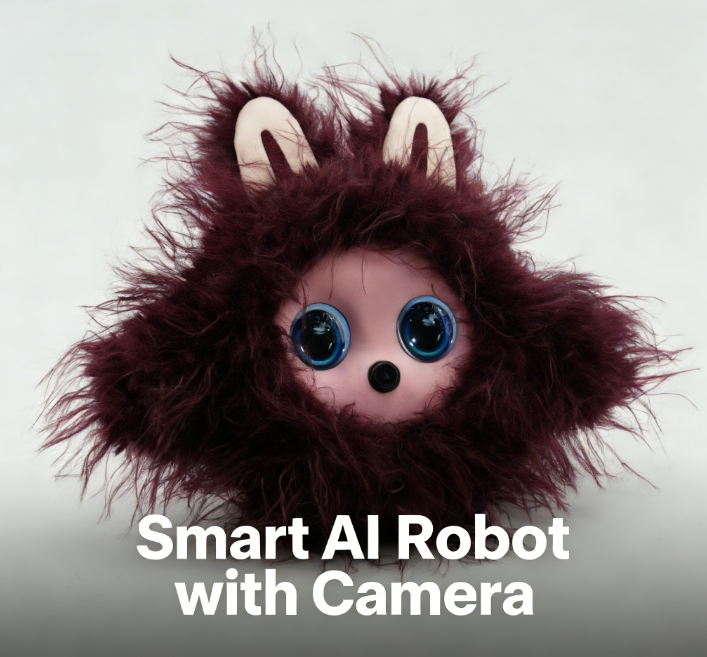
RG-AI-K01 AI Toy Robot Bunny Plush Companion with Cute Interaction and Talking
CE / FCC / RoHS
Natural NLU
Touch Sensors
Explore production-ready electronic plush architecture designed for turnkey custom hardware development, proprietary LLM connectivity, and full international child safety compliance.
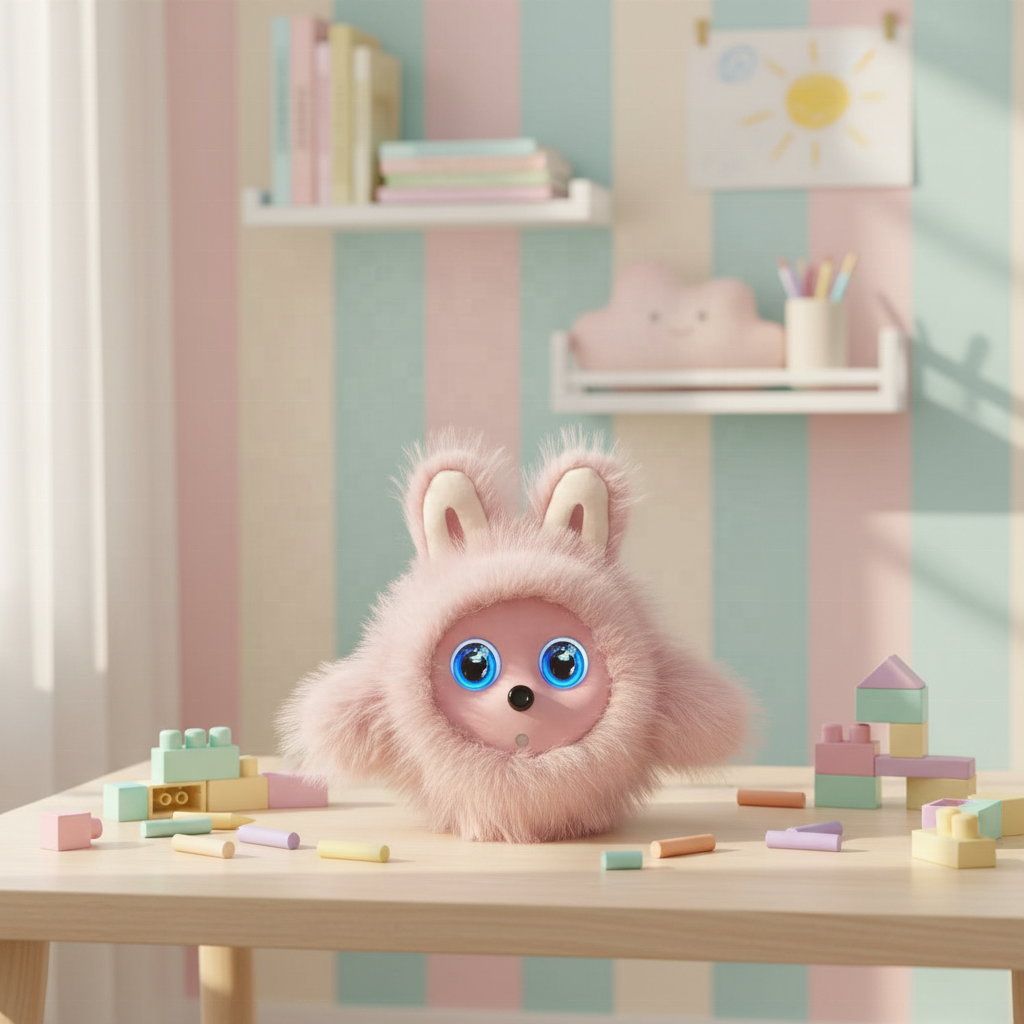
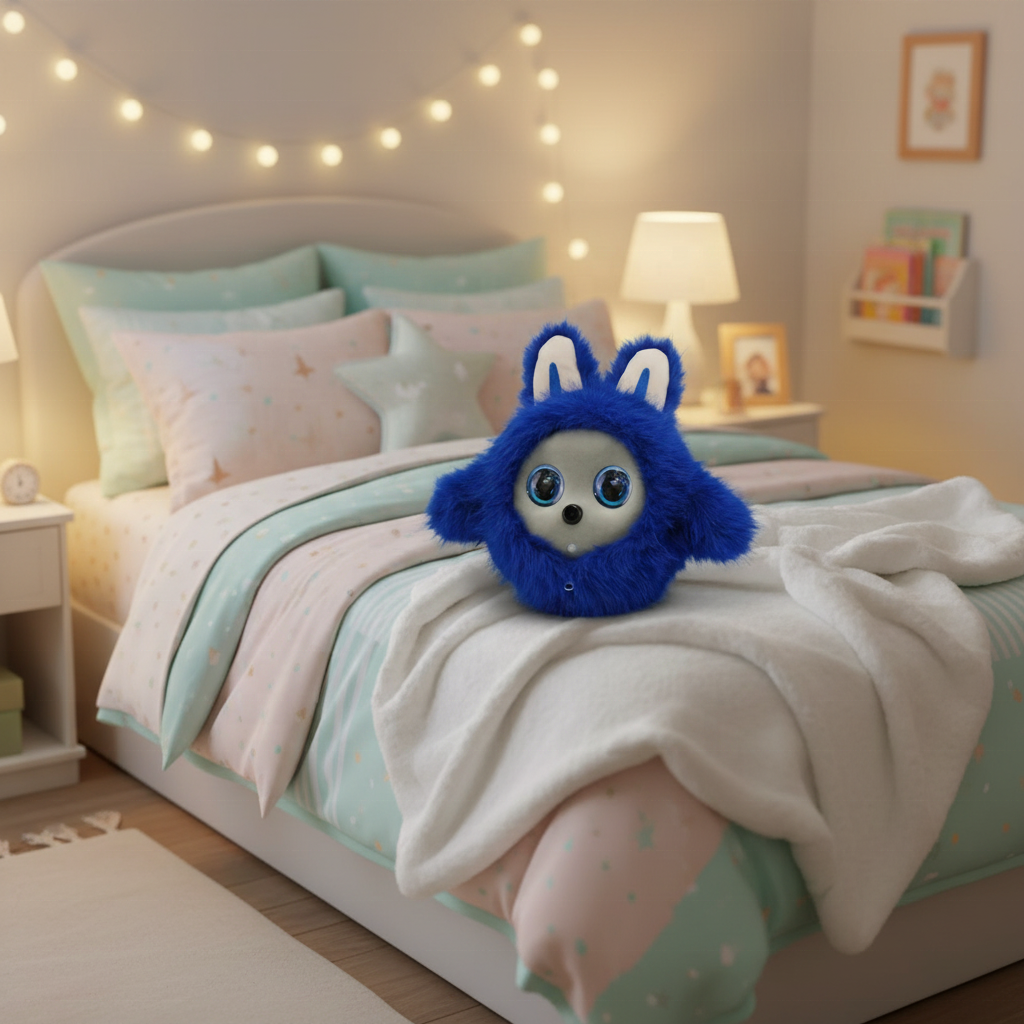
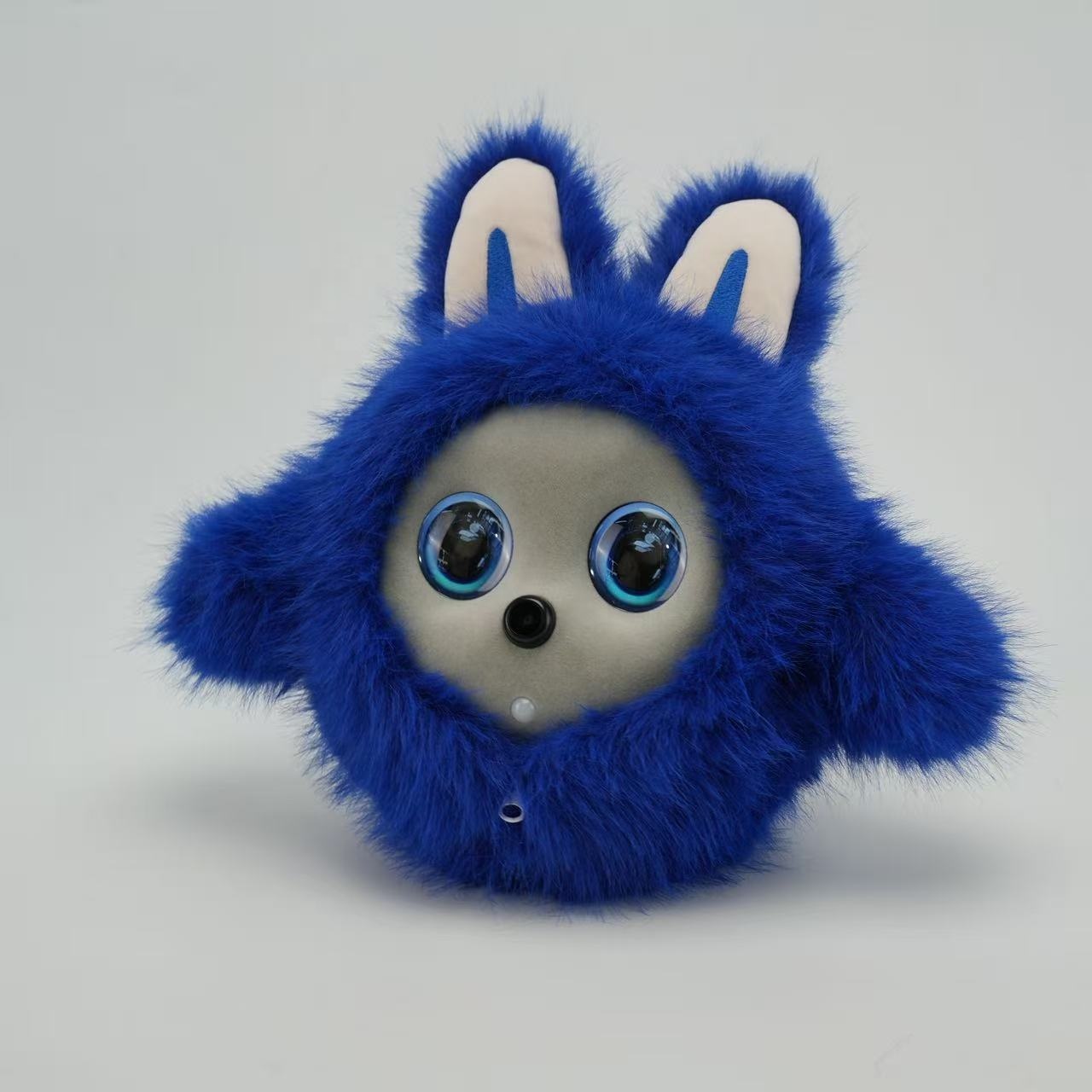
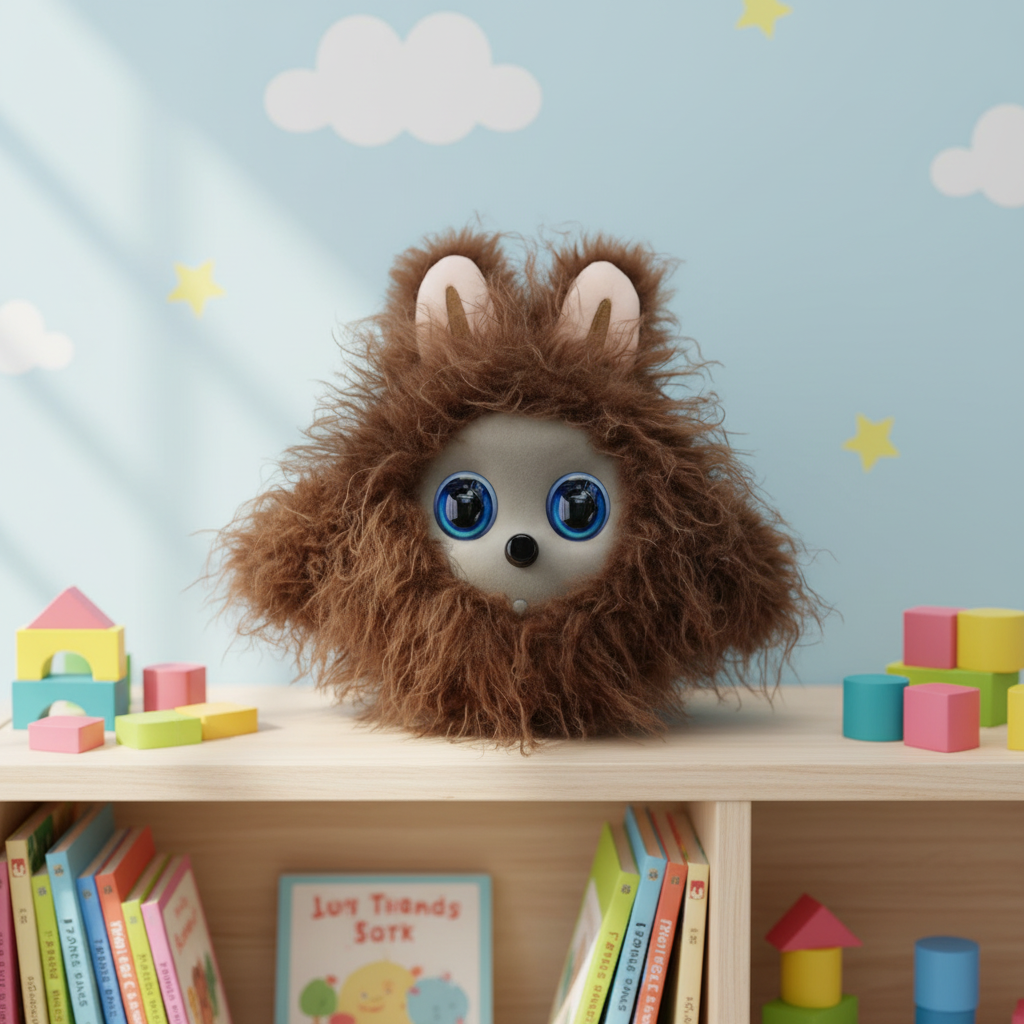
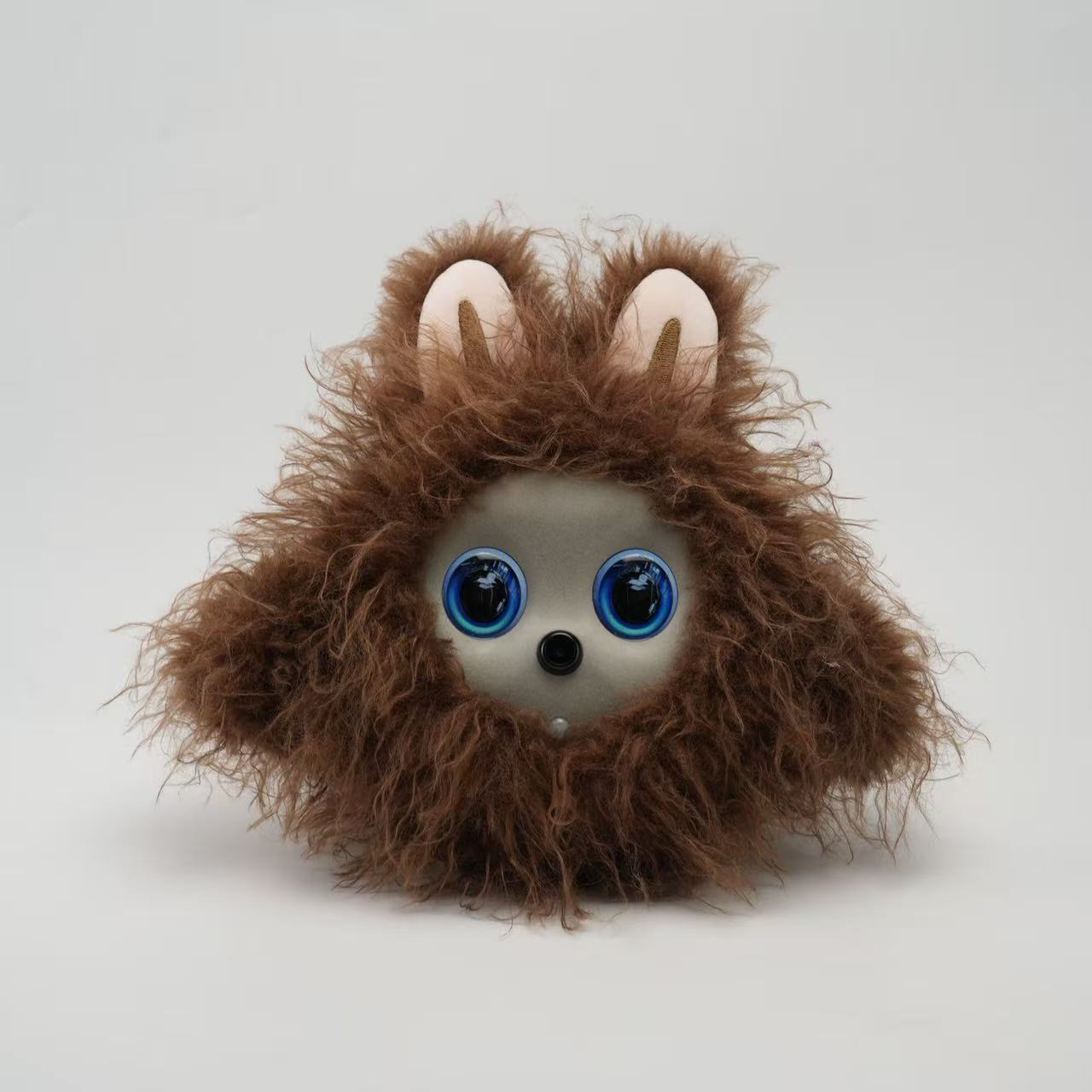


A comprehensive whitepaper on overcoming edge computing constraints, data sovereignty hurdles, and strict bilingual regulatory compliance under Canadian consumer safety frameworks.
The global intelligent conversational toy market has reached a critical inflection point. Legacy "talkback" electronic stuffed toys—relying on static pre-recorded MP3 sound IC chips and basic resistive switches—are obsolete. Today's tech-forward parents across the Canadian provinces (from urban tech hubs in Toronto, Ontario and Vancouver, British Columbia, to culturally preservation-conscious Montreal, Quebec) demand autonomous, dynamic interaction. Modern children expect non-scripted dialogue, empathetic emotional responses, context retention, and fluid conversational transitions.
However, bringing consumer-grade artificial intelligence into children's play spaces presents acute engineering and regulatory challenges. Integrating an active Large Language Model (LLM) into a plush toy demands an end-to-end hardware-software pipeline. This spans near-field directional microphone arrays, specialized acoustic echo cancellation (AEC), ultra-low latency voice packet streaming, on-chip neural voice processing, and strictly guarded Cloud-Edge hybrid architectures.
Suzhou ESPS Technology Co., Ltd. leads this cross-disciplinary convergence. Founded in 2010 as an ultra-precision mechanical hardware and mounting fittings pioneer in Zhangjiagang, Jiangsu, ESPS leverages over a decade and a half of tight-tolerance industrial assembly. Our facilities unite rigid electronics encapsulation, acoustic chassis balancing, and high-volume textile production under a single, verified manufacturing umbrella.
Engineered to adapt to Canadian federal standards, dual official languages, educational guidelines, and unique climatic retail challenges.
Canada's official bilingualism (mandated in Quebec under Bill 96 and widely supported nationwide through French immersion curricula) demands fluent code-switching. ESPS AI chatbot engines can seamlessly alternate between Canadian English and Québécois French phonemes. This dynamic acoustic adaptation ensures natural pronunciation without cloud-induced latency, making models like the RG-AI-K01 premier early-learning assets for bilingual households from Ottawa to Montreal.
Aligned with Ontario's Ministry of Education early-learning goals and British Columbia's Core Competencies framework, our conversational firmware can be programmed with modular STEM inquiry routines. Rather than merely answering questions, our AI companions prompt open-ended inquiry, guide storytelling, and reinforce logic puzzles. They serve as responsive educational aids in private academies, daycares, and after-school enrichment programs.
Children dealing with sensory overload or neurodivergence (including autism spectrum considerations) benefit from predictable, comforting interactions. Combining ultra-soft hypoallergenic plush with adaptive pitch-control audio algorithms, the RG-AI-K01 acts as a self-soothing emotional companion. Distributed in wellness clinics across Calgary and Toronto, it provides gentle, active-listening interactions that help reduce childhood anxiety.
Canadian winters subject supply chains to extreme thermal swings. Electronics shipped across freight corridors from the Port of Vancouver through the Rocky Mountains to Calgary and Winnipeg encounter temperatures dropping past -30°C. Standard commercial lithium batteries frequently suffer cathode degradation or premature self-discharge in these environments. ESPS equips all export-bound companion toys with cold-stable Li-ion battery protection circuits (BMS), ensuring robust shelf-life and safe winter home charging across Canadian distribution hubs.
With big-box domestic distributors (such as Canadian Tire, Indigo, and Mastermind Toys successors) pivoting heavily to curated, high-margin smart toys, our full ODM services deliver turn-key solutions. ESPS manages custom bilingual shelf packaging (featuring English and French copy compliant with the Consumer Packaging and Labelling Act), standardized retail barcodes, and integrated display trial modes ("Try-Me" audio firmware) engineered specifically for Canadian shelf appeal.
Key technological, legal, and consumer behavior shifts driving Canadian procurement decisions over the next five years.
Historically, smart toys offloaded all speech transcription and natural language processing to off-site cloud servers. While functional, this model creates critical failure points: high recurring API costs, broadband requirements, and child data vulnerability. The Canadian market is rapidly migrating to hybrid-edge architecture. By executing keyword activation, emotion recognition, and initial conversational intent locally on an embedded neural-network microchip, latency drops below 800ms, and off-grid voice playtime remains 100% stable without an active Wi-Fi connection.
The Canadian Office of the Privacy Commissioner (OPC) and pending legislation (Digital Charter Implementation Act / Bill C-27) impose strict guidelines on children’s biometric and auditory data. Smart toys with unencrypted, internet-connected microphones face immediate import and regulatory bans. Market leadership demands "Privacy-by-Design": toys featuring zero raw-audio recording retention, instantaneous ephemeral tokenization, encrypted cryptographic keys, and verifiable physical privacy switches built directly into the toy's PCB chassis.
A recurring point of failure in first-generation electronic plush toys was poor durability: food stains, liquid spills, and mechanical drops damaged non-removable electronic cores, frustrating parents. Canadian buyers now demand modular internal electronics. ESPS answers this by encapsulating all sensors, logic boards, and battery chambers inside an impact-resistant, moisture-sealed ABS shell. This entire core unzips effortlessly from the outer plush skin via child-safe concealed zippers, allowing 100% machine washing of the outer fabric.
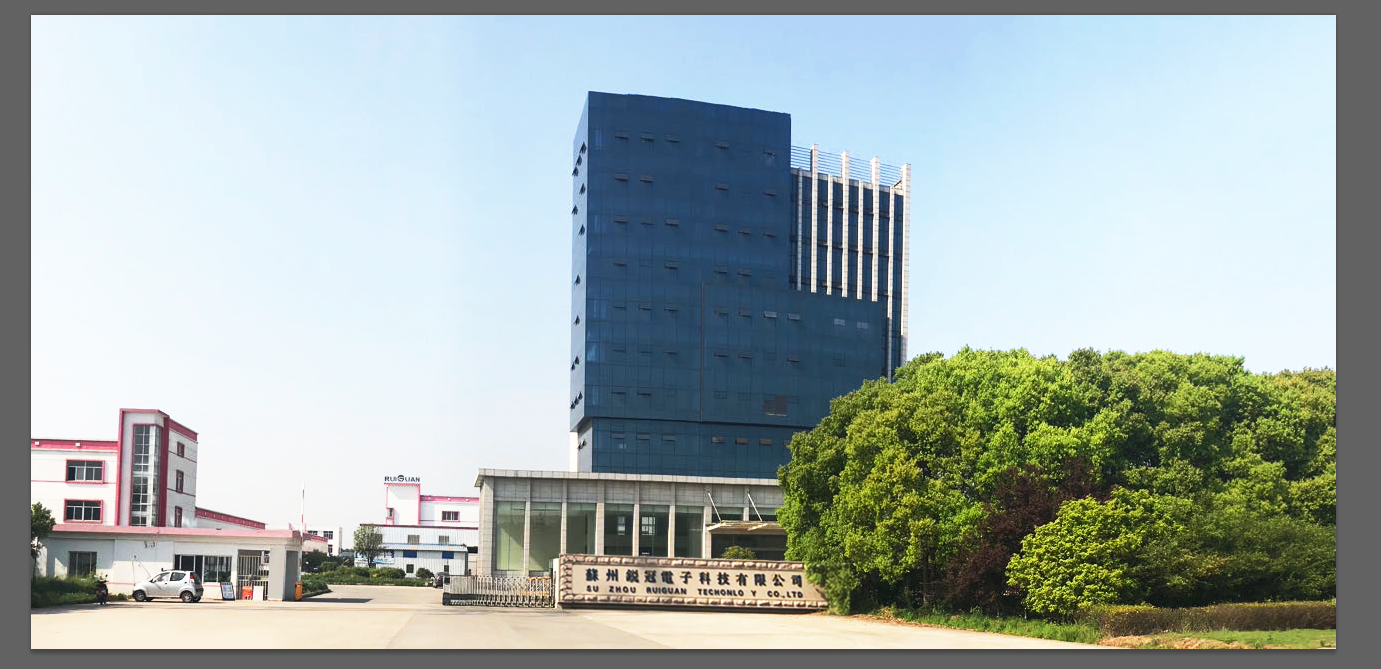
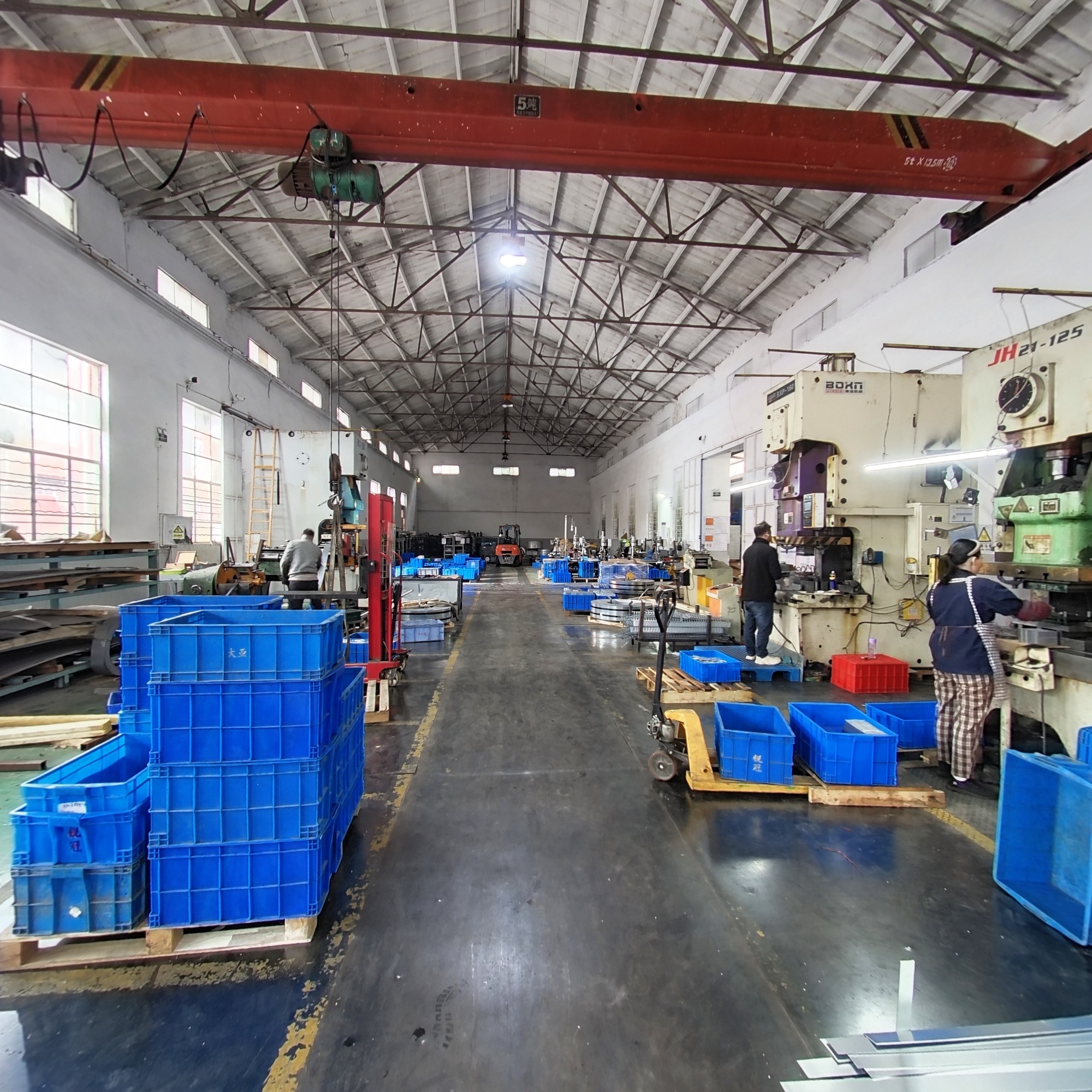
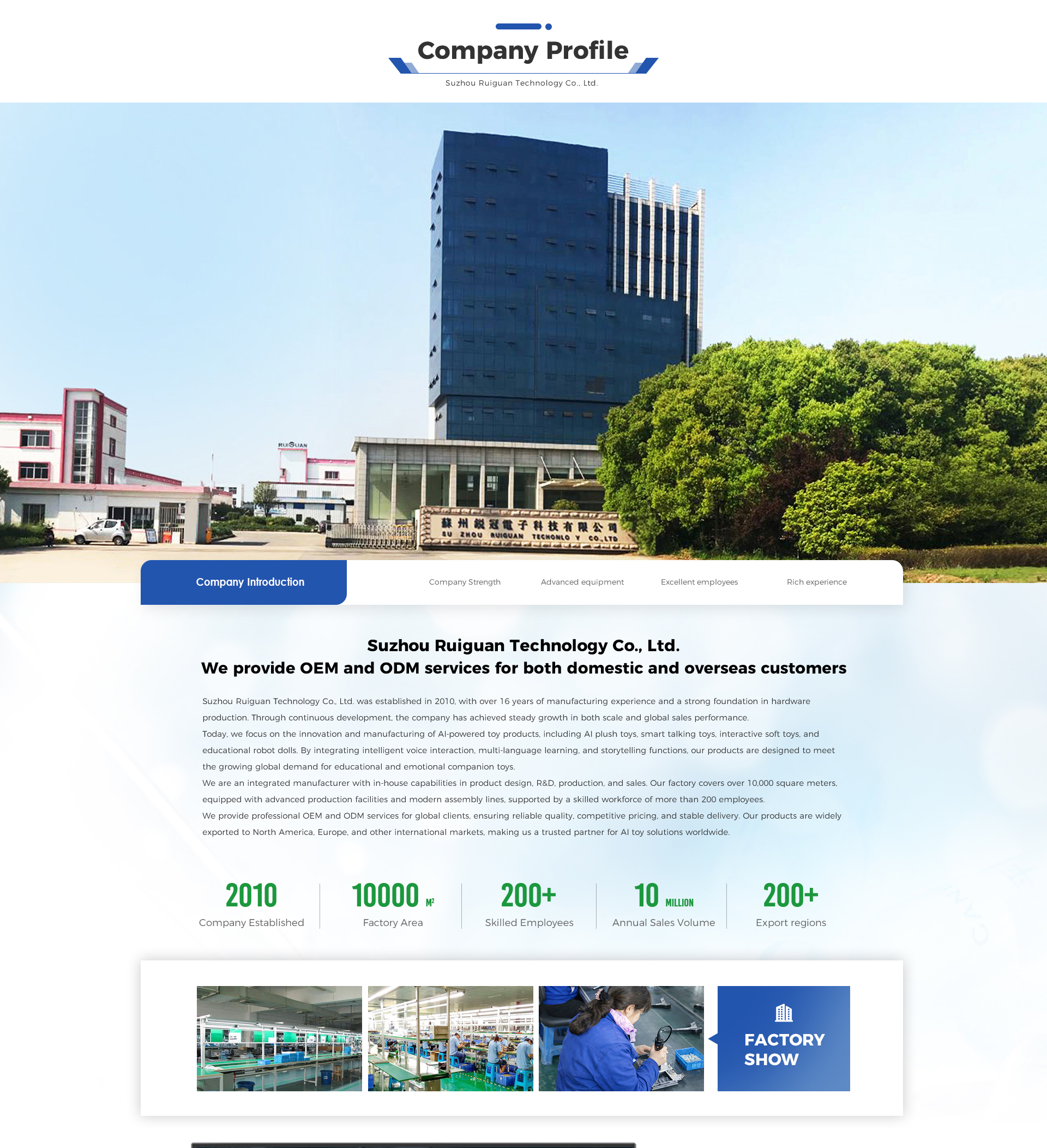
Unlike simple trading brokers, Suzhou ESPS Technology Co., Ltd. operates an onsite SGS-inspected manufacturing complex in Zhangjiagang, Jiangsu. Our industrial background spans high-precision monitor articulated hardware and advanced AI plush toys. By pairing deep metal-stamping, injection-molding, and clean-room PCB engineering with fine plush tailoring, we provide direct OEM/ODM factory pricing, strict IP protection, and uncompromised QC control.
Supported by over 40 long-term contracted specialized production facilities, 69 on-site technical operators, and a dedicated team of English-speaking export engineers, we support international partners from initial 3D prototypes to full-container shipments (FOB, CIF, DDP Vancouver/Montreal/Toronto).
Send an Inquiry
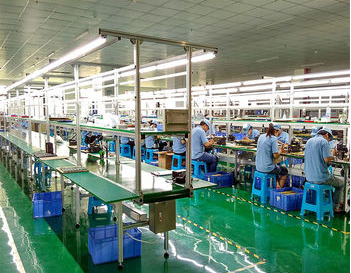
Direct photographic verification of our clean-room assembly, SMT electronics testing, fabric laser cutting, and certified toy testing lines.
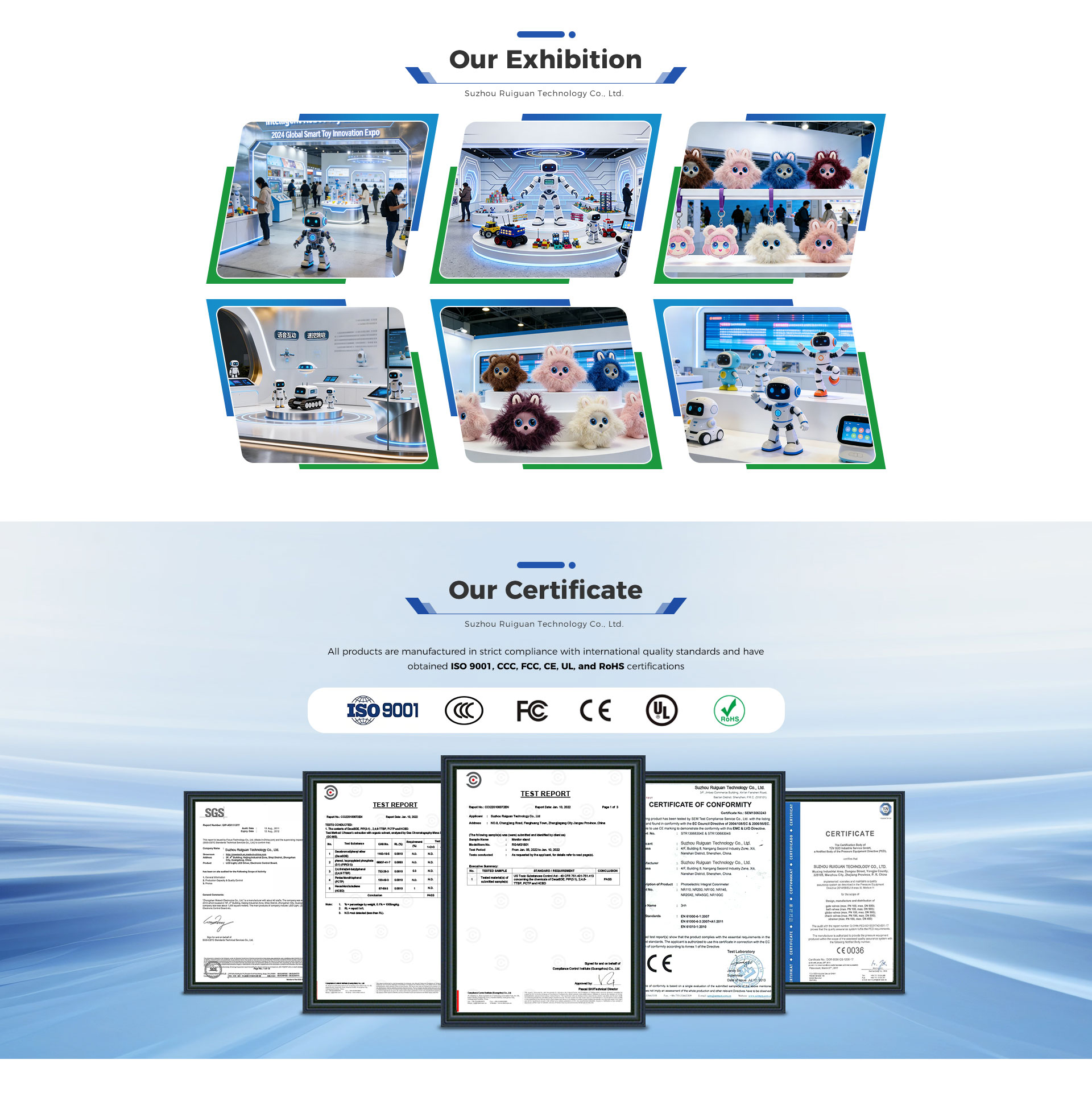
Essential regulatory, technical, and trade guidance covering CCPSA safety testing, ISED certification, bilingual packaging, and door-to-door delivery across Canada.
From industrial 3D CAD modeling, custom PCB design, and acoustic tuning to bilingual conversational engines and Health Canada CCPSA compliance—our engineering team is ready to accelerate your go-to-market timeline.
