High-Performance Interactive Robot Models for German Importers
Every platform features localized firmware architectures, bilingual German/English phoneme models, and modular voice-interactive plush assemblies certified for European distribution.
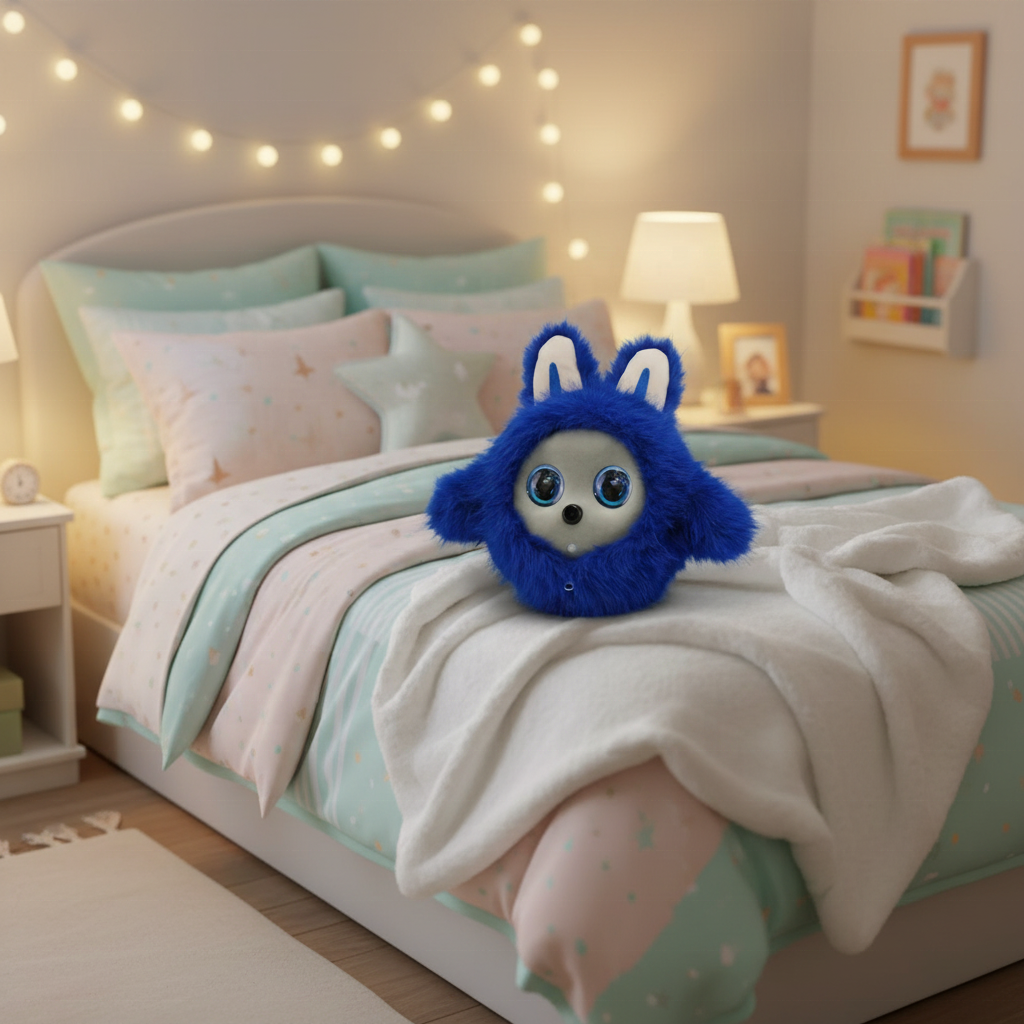
RG-AI-K01 Mini AI Robot Bunny Plush Smart Electronic Toy for Birthday and Holiday Gifts
Edge Voice Architecture · Dual Microphones · Micro-USB Charging
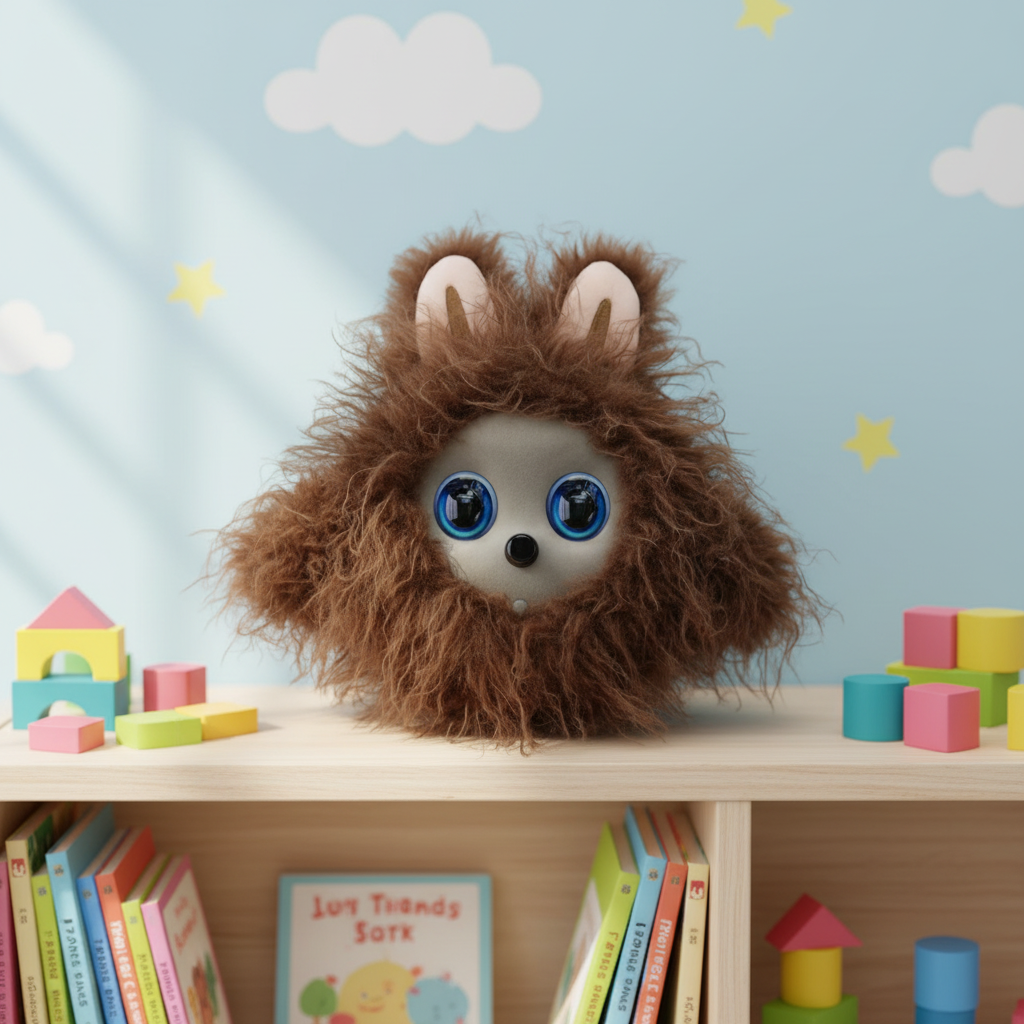
RG-AI-K01 Talking Robot AI Bunny Plush Toy for Children Early Learning and Dialogue
Dynamic German Vocabulary Modules · Offline Fallback Mode
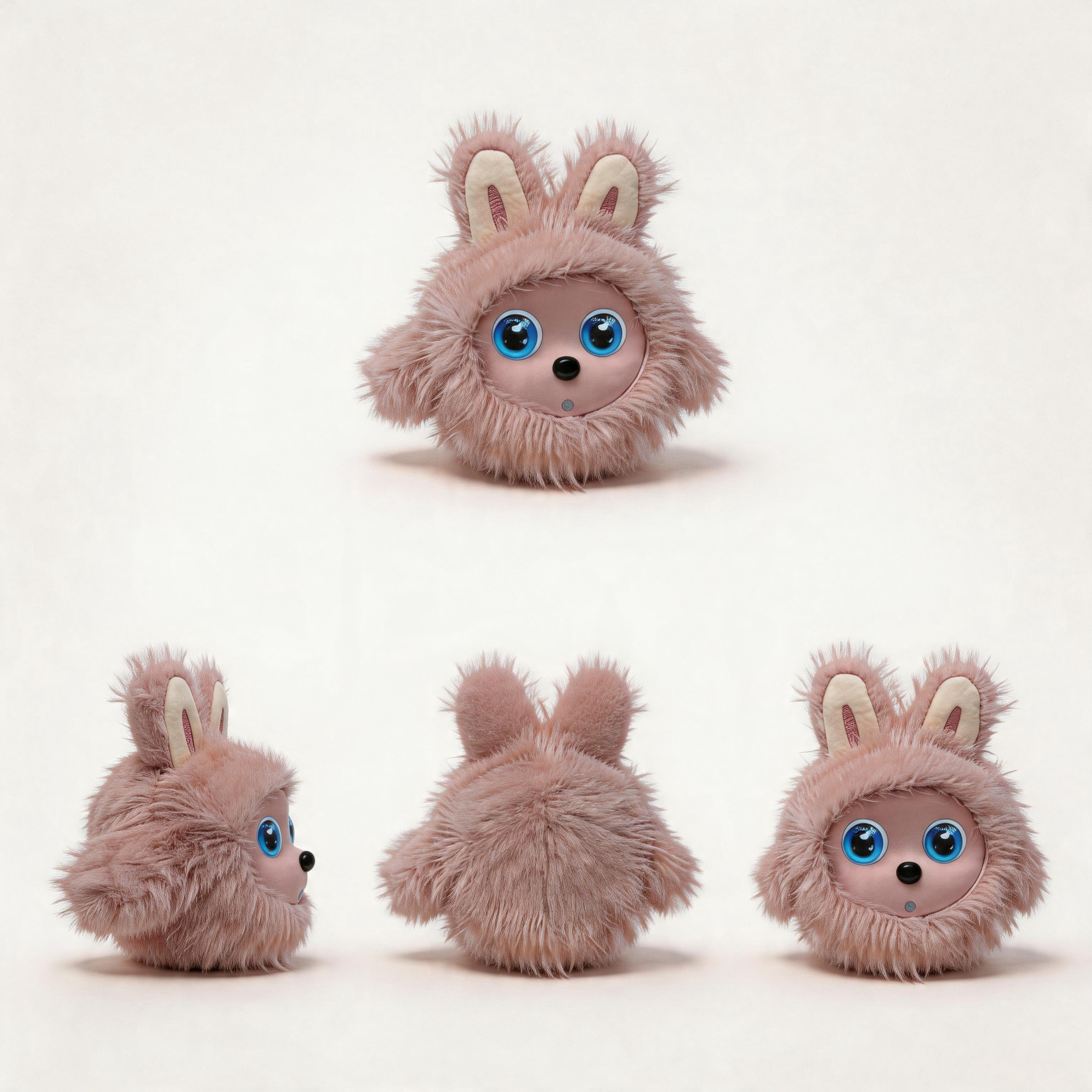
RG-AI-K01 New Design AI Robot Companion Bunny Plush Toy for Toddlers Learning
Hypoallergenic OEKO-TEX Cotton Skin · Reinforced Mechanical Housing
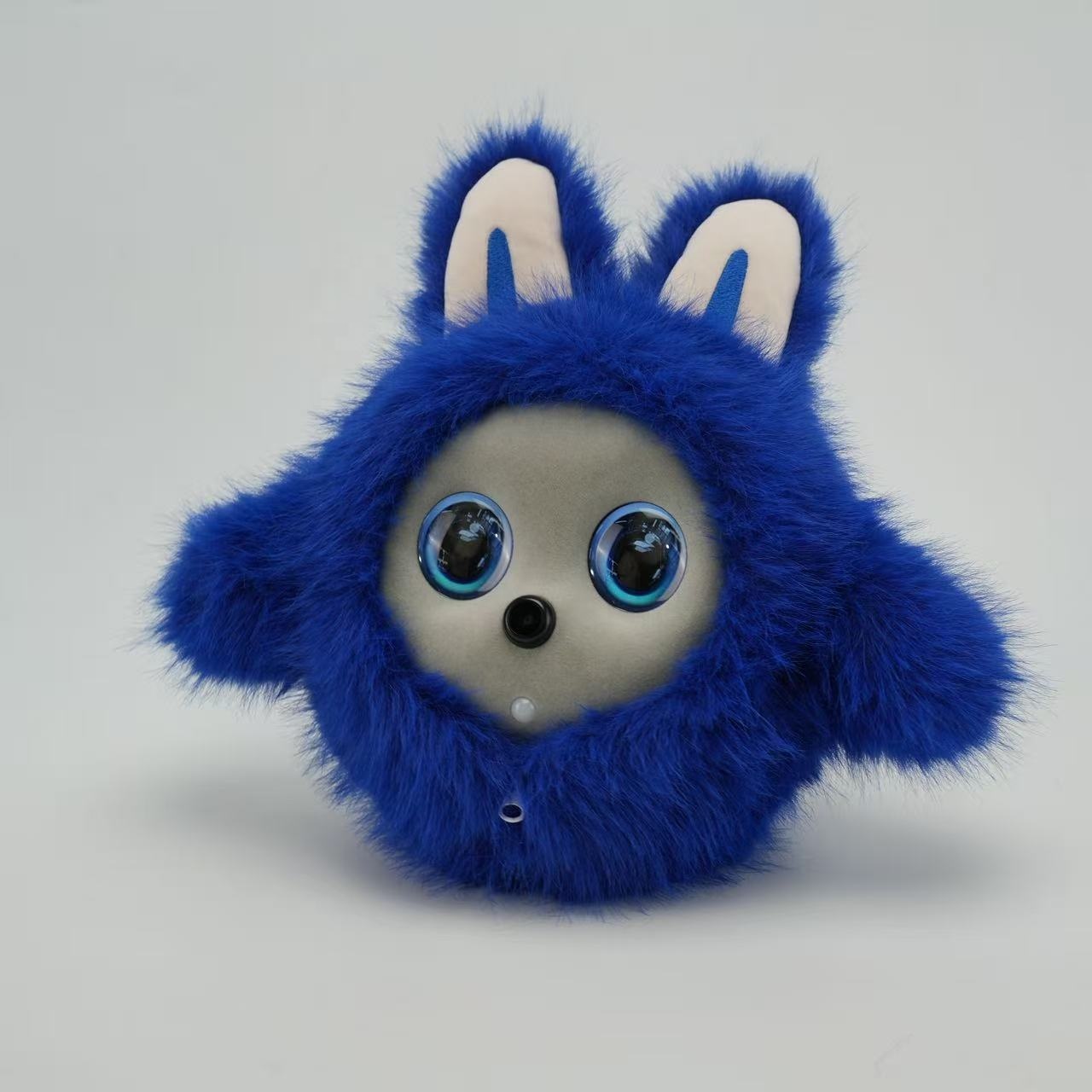
RG-AI-K01 AI Robot for Kids Smart Bunny Plush Companion with Voice Recognition
DSP Noise Reduction Chip · High Sensitivity Near-Field Mic
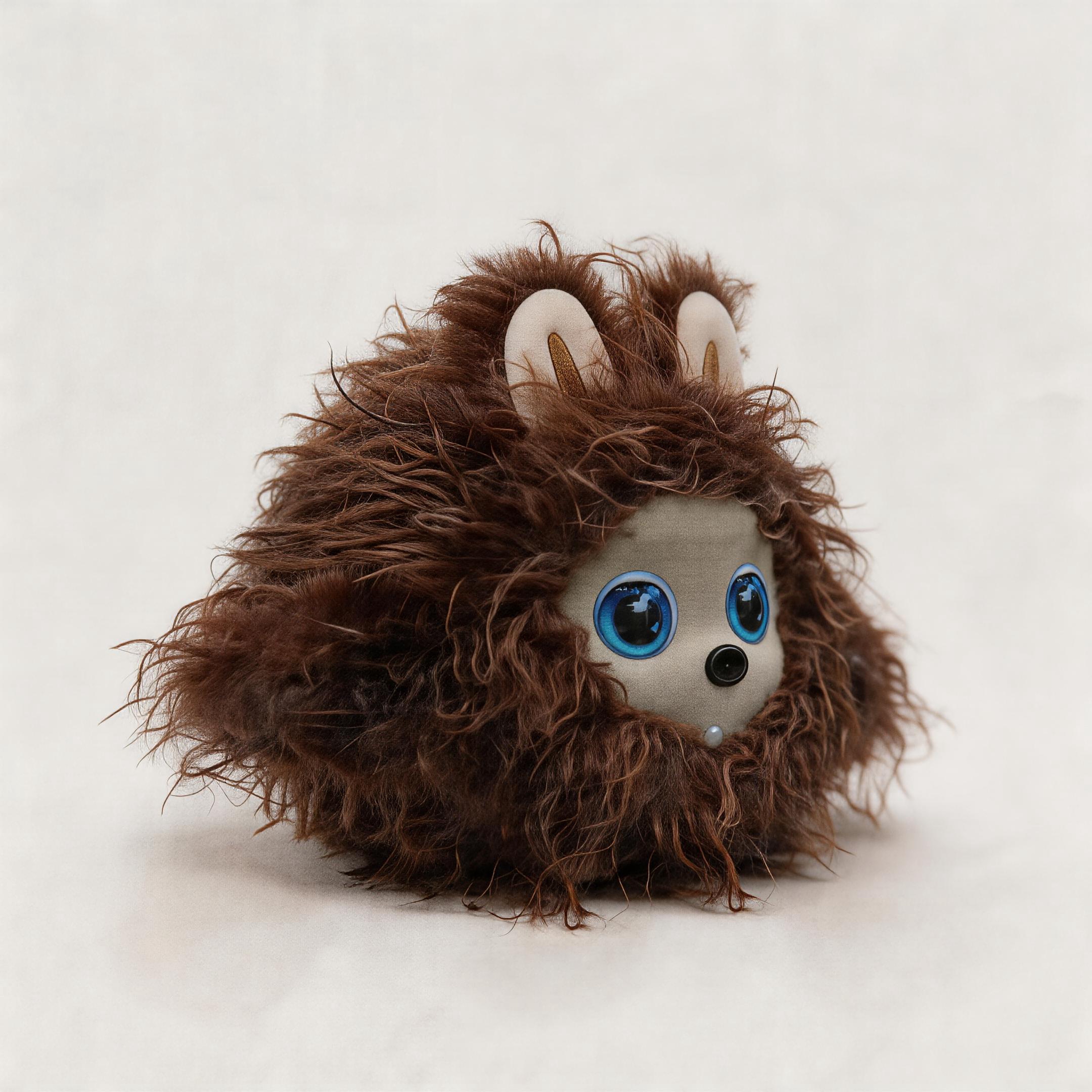
RG-AI-K01 Smart Robot AI Bunny Plush Toy for Children Early Learning and Gifts
Physical Microphone Mute Switch · Local EEPROM Dialogue Cache
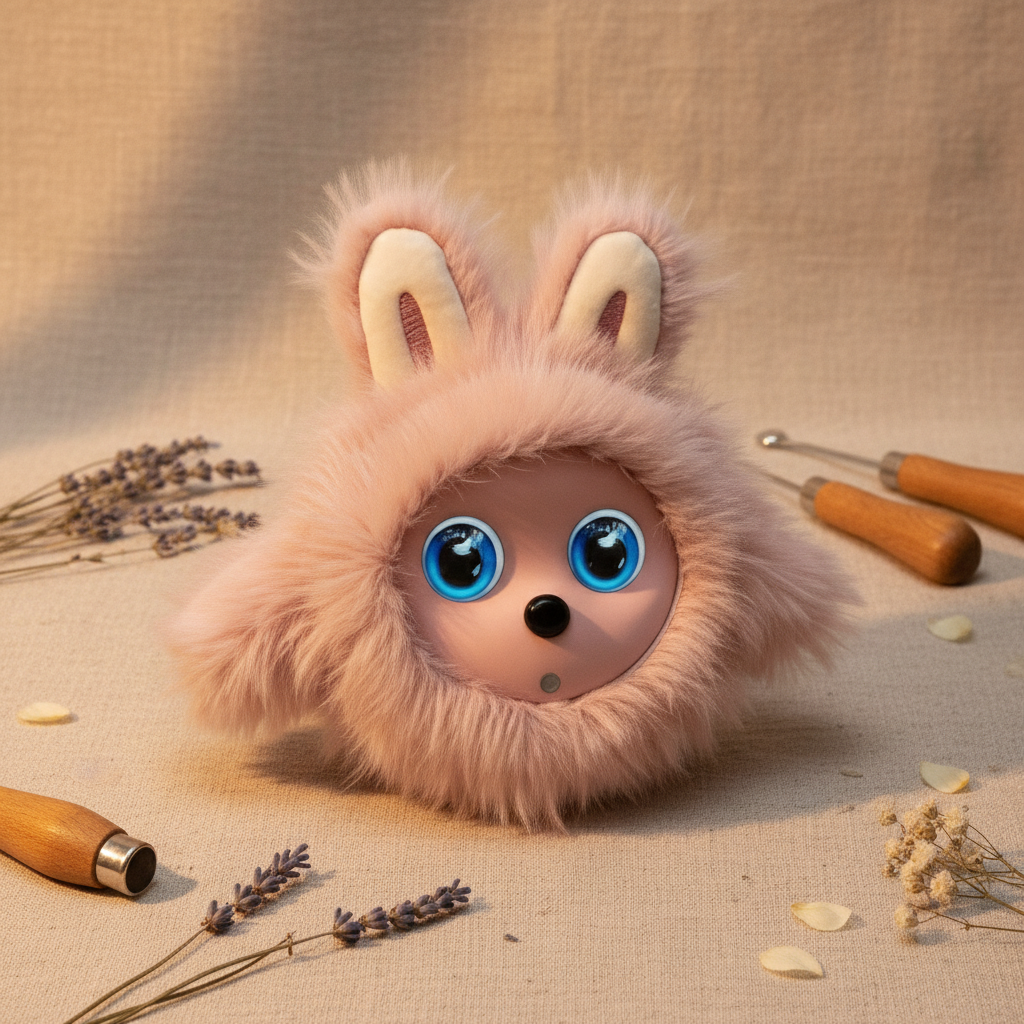
RG-AI-K01 New Release Smart Robot AI Bunny Plush Toy for Children Early Education
Interactive Storytelling Logic · Sensory Capacitive Touch Nodes
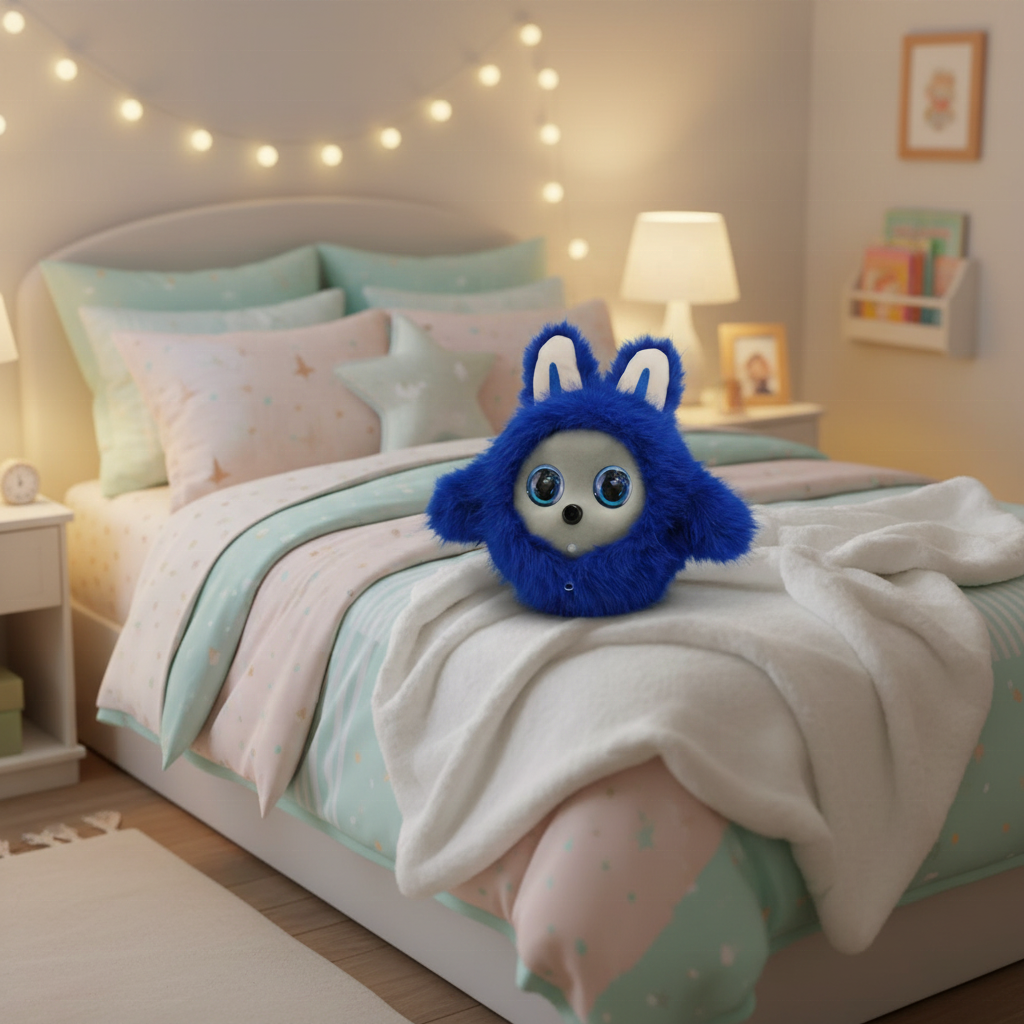
RG-AI-K01 AI Educational Robot Bunny Plush Toy with Smart Learning Mode and Dialogue
LED Visual Feedback Eyes · Progressive Educational Firmware
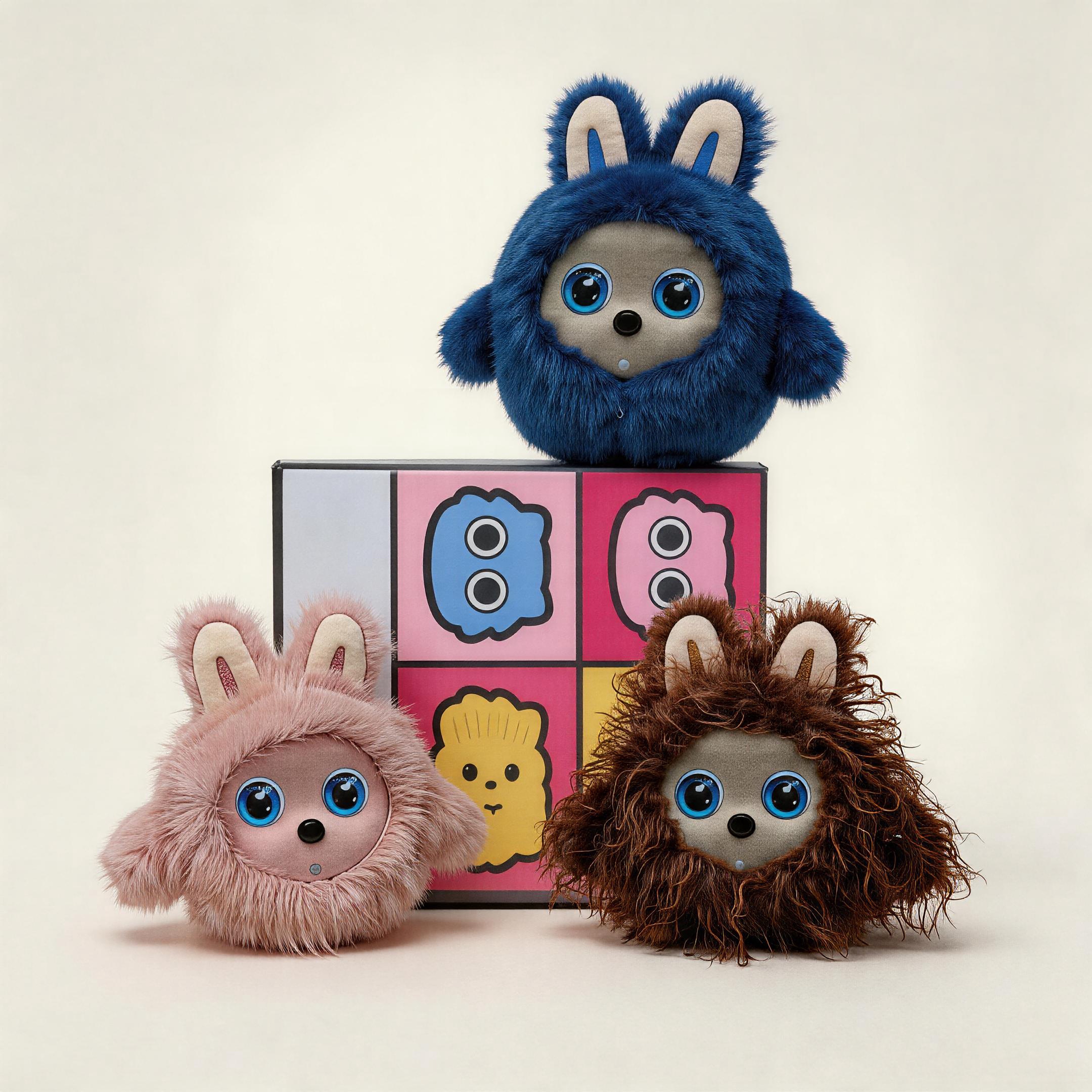
Innovative RG-AI-K01 AI Robot Pet Soft Bunny Plush with Intelligent Voice Interaction
German/English Multilingual Switching · Soft Poly-Fleece Washable Skin
Engineering Interactive Robot Toys for the German Regulatory & Consumer Landscape
Exporting intelligent consumer robotics and conversational plush toys to Germany (Federal Republic of Germany) requires navigating one of the most stringent product compliance, safety, and consumer trust ecosystems in the European Union. Unlike standard consumer electronics, connected AI toys designed for children intersect three heavily policed legislative verticals: EU Toy Safety Directive 2009/48/EC, the Radio Equipment Directive (RED 2014/53/EU), and European data sovereignty under the General Data Protection Regulation (GDPR / DSGVO).
At Suzhou ESPS Technology Co., Ltd. (ESPS), our engineering division bridges the gap between high-precision Chinese manufacturing agility and stringent German import prerequisites. By deploying localized edge-computing architectures, zero-cloud data retention fallbacks, non-toxic hypoallergenic fabrics verified under REACH Annex XVII, and reinforced internal chassis capable of surviving aggressive 850 mm DIN drop-test protocols, we empower German brand owners, educational distributors, and retail syndicates to scale conversational robotics without regulatory vulnerability.
- Acoustic Decibel Throttling: Hardcoded to <80 dB(A) sound pressure levels per DIN EN 71-1 close-to-the-ear toy parameters.
- Zero-Spionagespielzeug Architecture: Full exemption from § 90 TKG (German Telecommunications Act surveillance bans).
- DSGVO Privacy-by-Design: Localized voice tokenization with hardware-level microphone kill switches.
- Recycling Readiness: Registered and formatted for German ElektroG (WEEE), BattG, and VerpackG (LUCID) quotas.
German Statutory Compliance Architecture for AI Connected Toys
How ESPS precision manufacturing protects German importers against the German Federal Network Agency (Bundesnetzagentur) and customs trade blockades.
| Regulatory Domain | Standard / German Directive | Common Low-Tier Supplier Flaws | ESPS Technical Implementation | German Market Clearance |
|---|---|---|---|---|
| Mechanical & Physical | DIN EN 71-1:2014+A1:2018 | Weak ultrasonic seams; detachable eye parts failing the 50 mm cylinder choke test. | Dual-stitched internal safety pockets; high-tensile eye anchorage exceeding 90N pull tests. | Guaranteed Pass |
| Acoustic Safety | DIN EN 71-1 Cl. 4.20 | Unregulated dynamic speakers peaking over 85 dB, damaging toddler tympanic membranes. | Passive low-pass acoustic filtering and firmware sound throttling capped at 75–80 dB(A). | Guaranteed Pass |
| Data Privacy (DSGVO) | EU GDPR Art. 25 & 32 / BDSG | Unencrypted transmission of children's voice recordings to non-EU servers. | Edge-DSP processing for primary wake-words; optional cloud features use encrypted EU AWS nodes. | BSI-Aligned |
| Surveillance Ban | § 90 TKG (Telekommunikationsgesetz) | Hidden cameras or covert listening devices that turn the toy into an illegal bugging device. | Prominent multi-color status LEDs displaying active listening; visible physical toggle for mic off. | Zero Legal Risk |
| Environmental End-of-Life | ElektroG3, BattG, VerpackG (LUCID) | Glued batteries impossible to extract without destroying shell; unclassified plastics. | Tool-accessible, secure battery compartment; modular plush-to-core chassis disassembly. | Full WEEE Recyclability |
High-Yield Application Scenarios in the German Market
From Bavarian early learning centers to nationwide specialty toy distributors, explore where our interactive conversational robotics create tangible consumer and institutional value.
Kita & MINT Early Education
German daycares (Kindertagesstätten) and elementary schools prioritize MINT (Mathematik, Informatik, Naturwissenschaften, Technik) pedagogical concepts. Our conversational bunnies and STEM interactive dolls serve as non-screen robotic facilitators. They introduce language immersion, basic logical sequencing, and emotional social dialogue without exposing young minds to the addictive sensory overload of blue-light tablet screens.
Specialty Retail & Department Stores
Positioned for tier-one German retail buyers including Vedes, Idee+Spiel purchasing cooperatives, Smyths Toys DACH, and Müller department stores. Our retail-ready packaging features native German copywriting (Grüner Punkt, CE, age brackets, Triman logo for export spillover to France), anti-tamper magnetic gift boxes, and POS try-me demonstration firmware designed for high customer conversion on crowded retail shelves.
Seniorenpflege & Dementia Therapy
A rapidly expanding market in Germany is senior care (Seniorenresidenzen and Pflegedienste). The ultra-soft tactile feel of our RG-AI-K01 series combined with predictable conversational responses, melodic folk lullabies, and comforting breathing movements provides valuable non-pharmacological support for Alzheimer’s patients, reducing agitation and stimulating long-term verbal recall.
Omnichannel & Private-Label Brands
E-commerce operators scaling across Amazon.de, Otto.de, and independent Shopify stores require lean inventory agility. We provide small-batch custom labeling, custom German audio flashing, localized manual prints, and direct FBA pallets pre-labeled with German SKU barcodes and EPR registration declarations, keeping lead times between prototype and Hamburg port under 25 business days.
Emerging Trends in the German Interactive Toy Market
Consumer behavior in Germany is conservative yet tech-forward. Staying ahead of regulatory shifts and pedagogical preferences is essential for long-term category profitability.
The "Bildschirmfrei" (Screen-Free) Revolution
German parents are deliberately pushing back against excessive smartphone and tablet exposure for children under eight years old. The demand for Bildschirmfreie Spielzeuge (screen-free toys) has elevated intelligent audio companions. Toys that offer interactive storytelling, quiz-based dialogic learning, and musical interaction via tactile physical buttons or voice recognition are significantly outpacing screen-reliant app toys in purchasing intent.
EU Artificial Intelligence Act (AI Act) Readiness
The newly ratified EU AI Act imposes stringent transparency obligations on AI systems interacting with children (Articles 50 and 52). Toys deploying generative language models must clearly signal that the child is conversing with an artificial persona. ESPS is already architecting compliant firmware that embeds subtle audio signals and localized system prompts ensuring safe, hallucination-free conversations aligned with German pediatric guidelines.
Eco-Materials & Cradle-to-Cradle Packaging
In Germany, sustainability is not a marketing gimmick; it directly affects purchasing decisions. Importers face high fees under the Verpackungsgesetz (Packaging Act) for non-recyclable multi-layer plastics. ESPS offers 100% rPET (recycled polyethylene terephthalate) plush skins, FSC-certified unbleached kraft packaging with soy-based ink printing, and glueless internal assembly structures that drastically reduce German LUCID recycling levies.
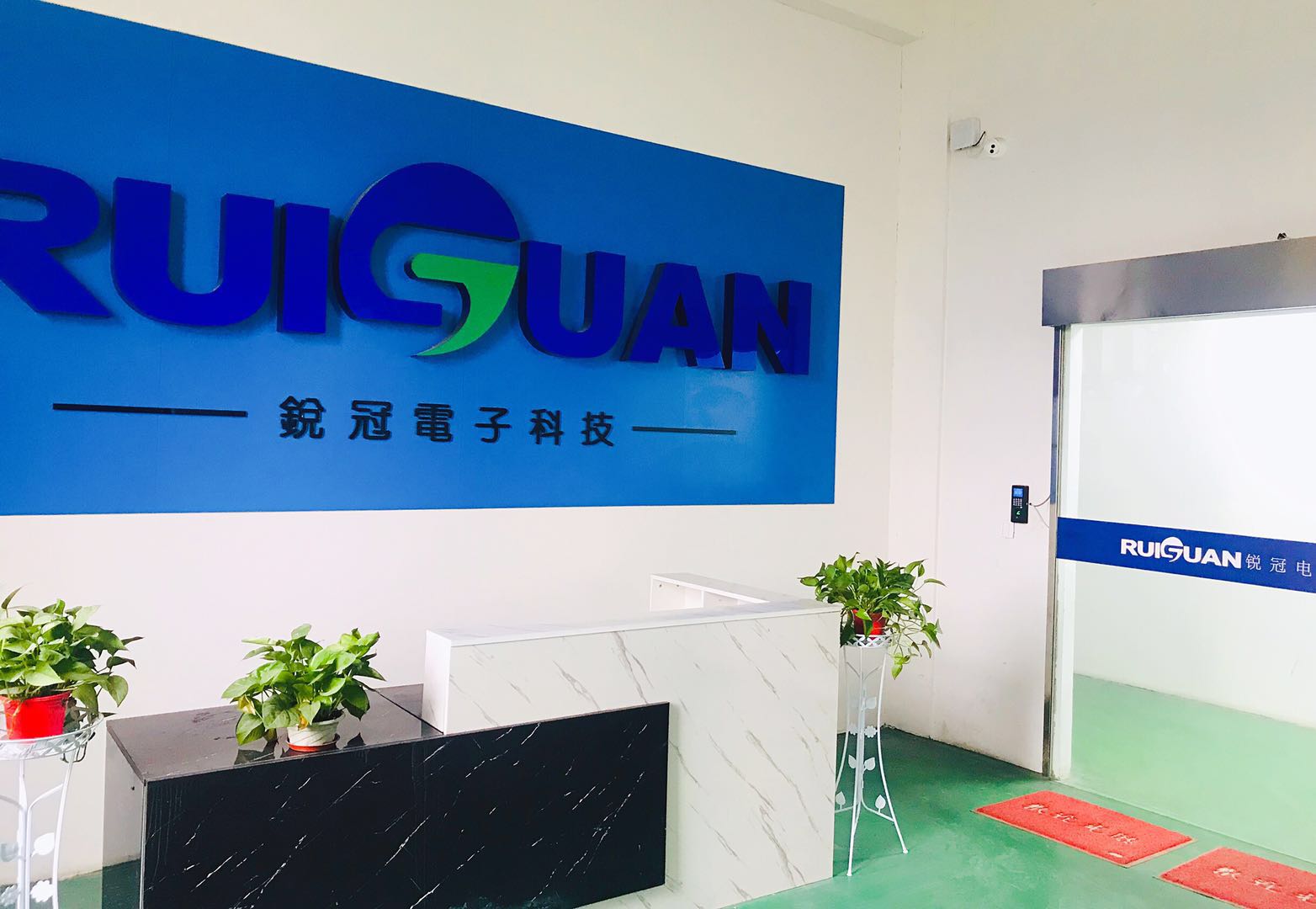
Suzhou ESPS Technology Co., Ltd. — Precision Mechatronics Meets Textile Craftsmanship
Founded in 2010 in Zhangjiagang, Jiangsu Province, Suzhou ESPS Technology Co., Ltd. originated as a precision hardware fitting and mounting manufacturer. That rigorous metalworking and micro-electronic heritage distinguishes us from standard plush toy factories that treat electronic components as cheap plug-in afterthoughts.
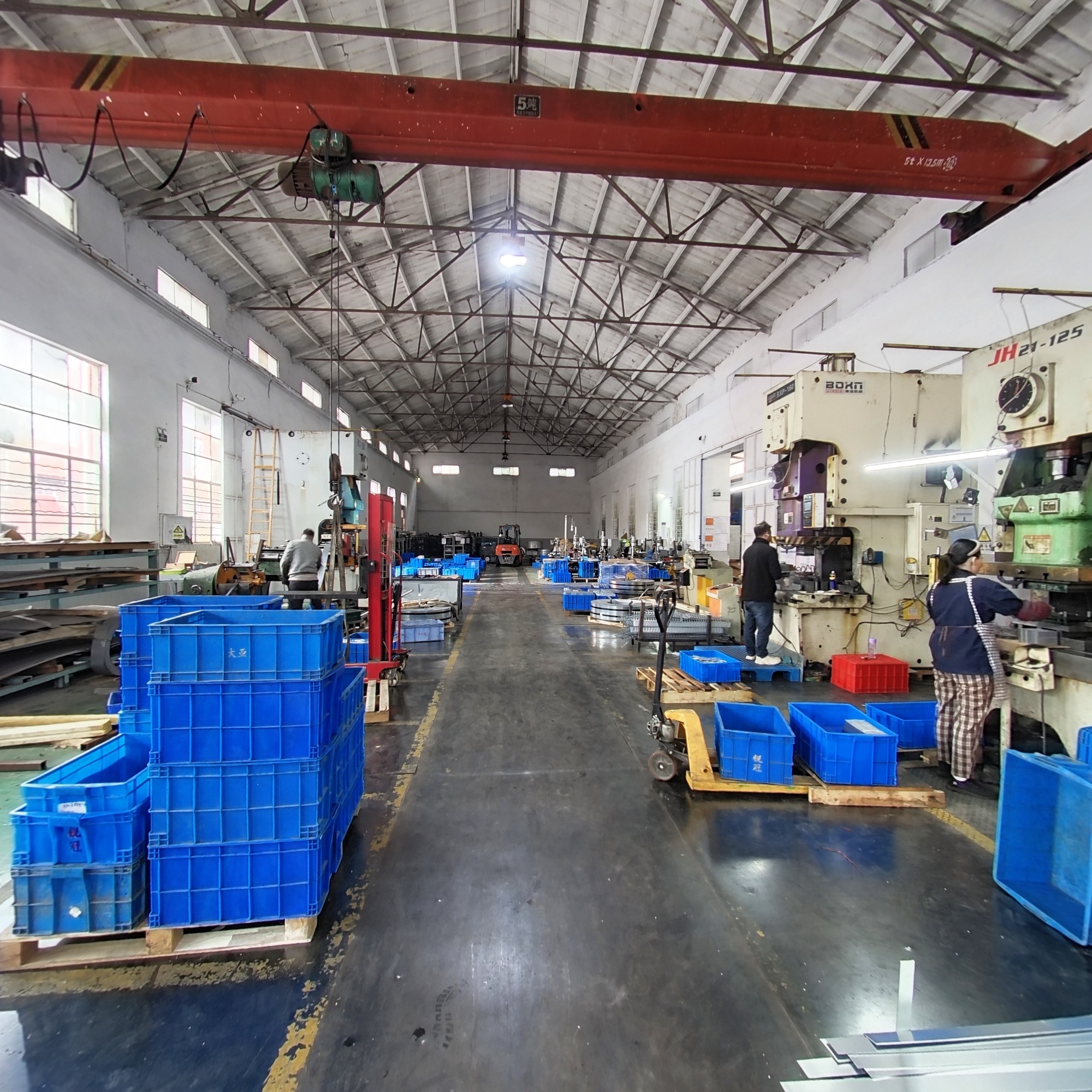
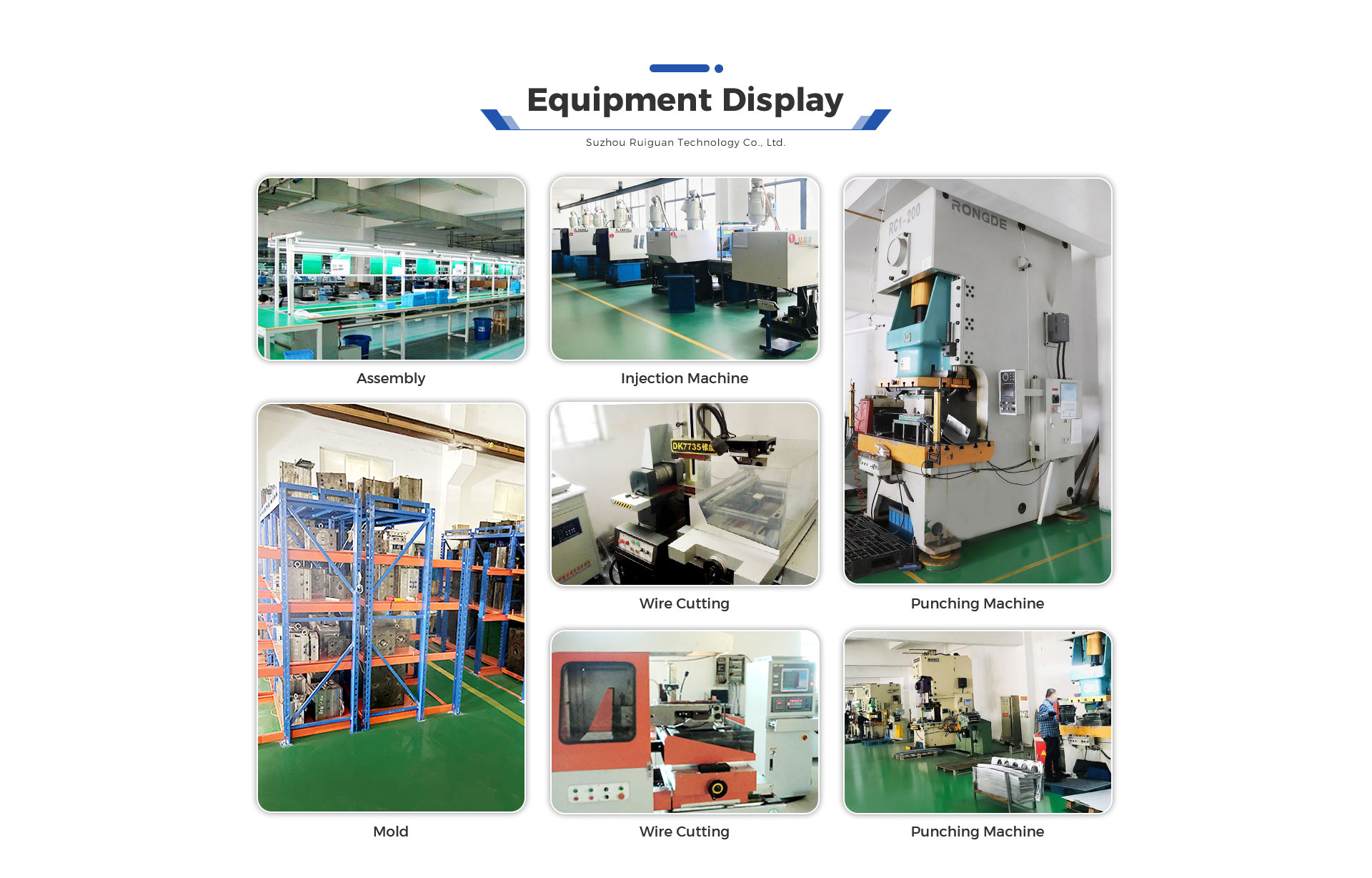
Our dedicated Zhangjiagang engineering hub integrates two specialized manufacturing competencies: AI-driven interactive plush robotics and high-precision display hardware (such as industrial monitor stands, POS brackets, and motorized TV carts). This unique convergence gives our robotic toys superior structural durability, balanced motor weight distribution, and acoustic chamber optimization that withstands years of energetic domestic handling.
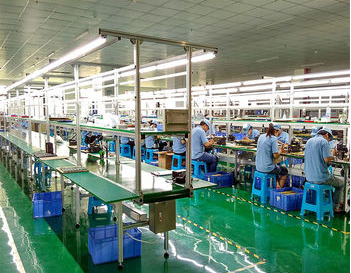
With an SGS-audited workshop, 69 on-site technical experts, and an extended cluster of 40 certified industrial partners, we execute comprehensive OEM/ODM projects from initial sketch, 3D rapid prototyping, PCB SMT placement, and injection molding to final ultrasonic fabric stitching. Importers work with one single, accountable manufacturer rather than coordinating disparate software agencies, electronics suppliers, and cut-and-sew subcontractors.
Frequently Asked Questions by German Importers & Wholesalers
Direct answers addressing German customs verification, testing laboratory protocols, firmware localization, and international supply chain logistics.
1. How do you ensure our imported interactive toys will not be seized under § 90 TKG as illegal surveillance devices?
2. Can you natively localize the speech synthesis and recognition into high German (Hochdeutsch)?
3. What test documentation and certificates are supplied with each production shipment to Germany?
• DIN EN 71-1, -2, -3 test reports conducted by internationally accredited laboratories (SGS / TÜV / Intertek) confirming physical drop safety, flame retardance, and migration of 19 toxic heavy metals.
• DIN EN 62115 electrical toy safety test documentation.
• RED (2014/53/EU) conformity reports covering RF emissions, SAR limits, and electromagnetic compatibility (EMC).
• RoHS 2.0 (2011/65/EU) chemical screening reports for the internal PCB and solder joints.
• UN 38.3 & MSDS transport certifications for rechargeable lithium polymer cells.
• A formal EU Declaration of Conformity (DoC) signed by our quality assurance director, enabling you to legally apply the CE mark.
