Featured AI Robot Companions & Interactive Hardware
Factory-direct smart robotic plush models engineered for latency-optimized acoustic processing, rugged child-proof mechanical shells, and seamless firmware adaptation for South American distribution channels.
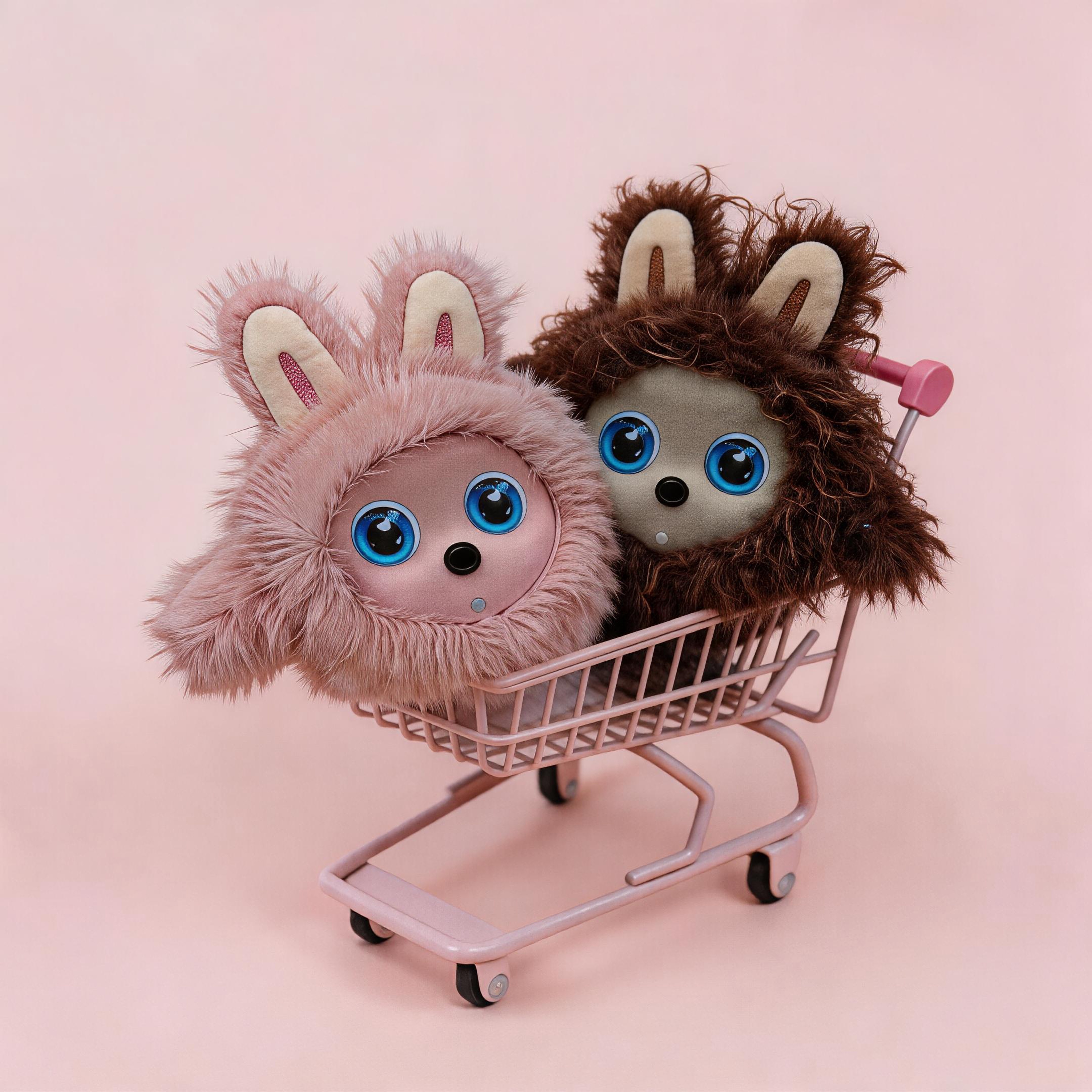
RG-AI-K01 Smart Robot Toy Bunny AI Companion with Interactive Features for Children
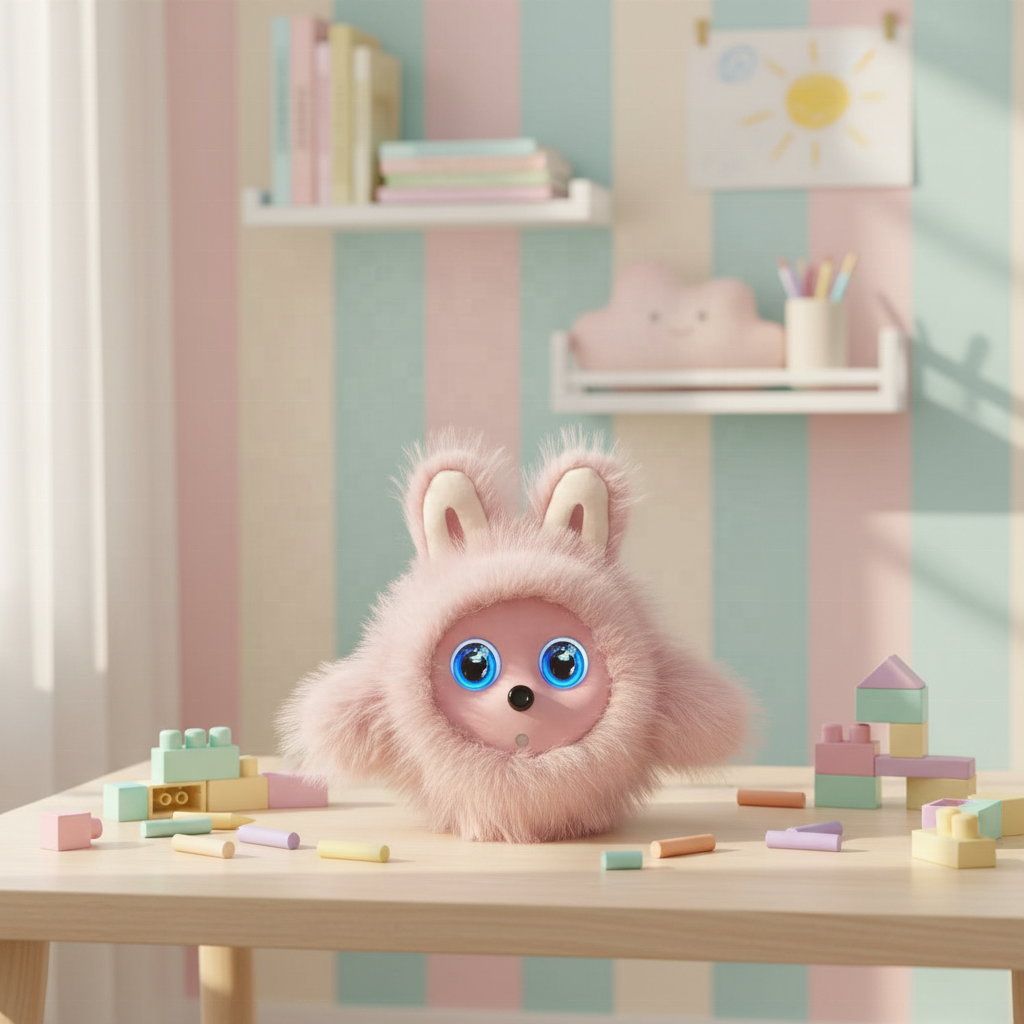
RG-AI-K01 AI Robot Companion Bunny Plush with Intelligent Voice Recognition
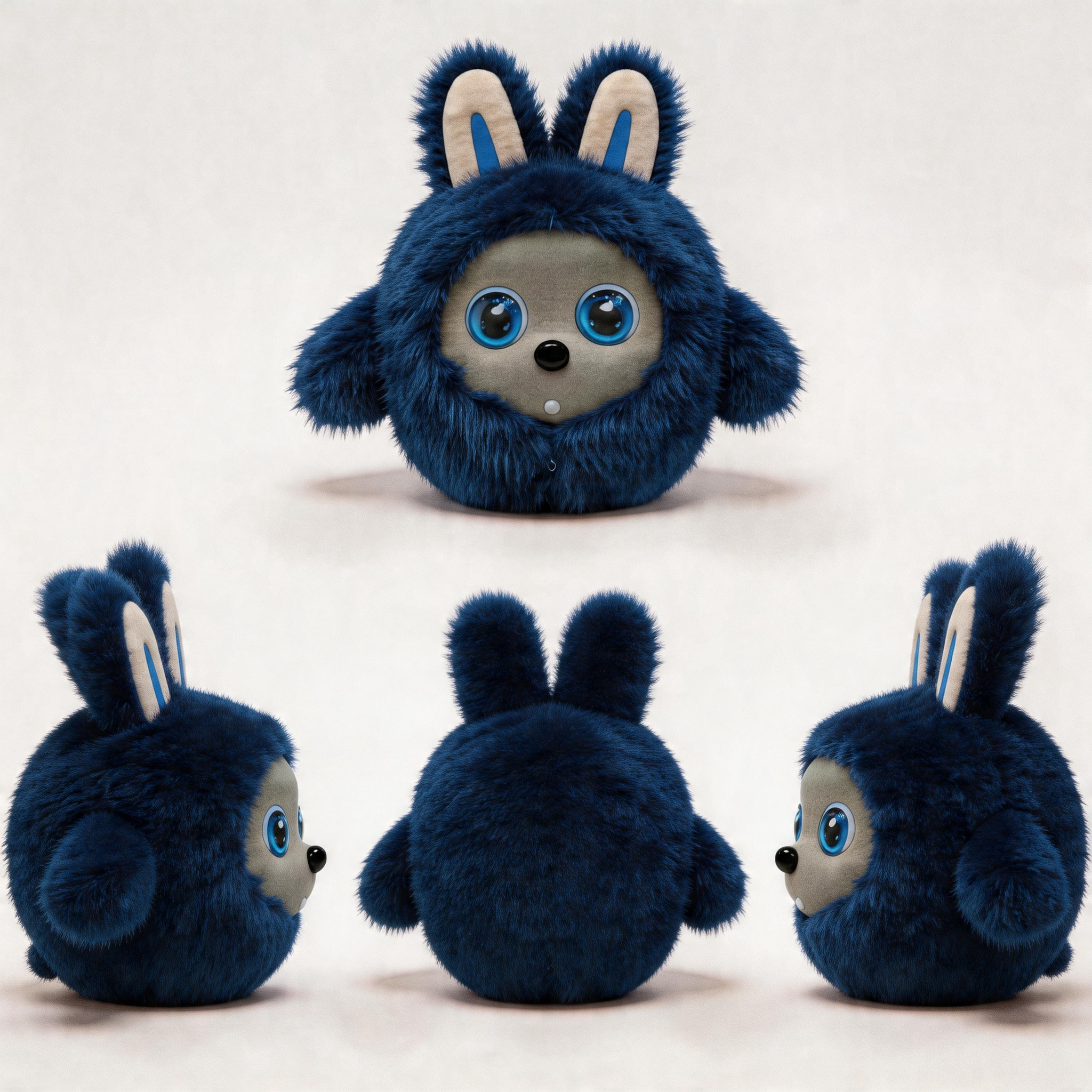
Factory Direct RG-AI-K01 Long-Eared Bunny AI Robot Plush Toy Smart Companion for Kids

RG-AI-K01 Bulk Price Smart AI Robot Companion Bunny Plush Doll with Large Ears for Gifts

Hot Selling RG-AI-K01 AI Robot Pet Soft Bunny Plush with Intelligent Voice Interaction
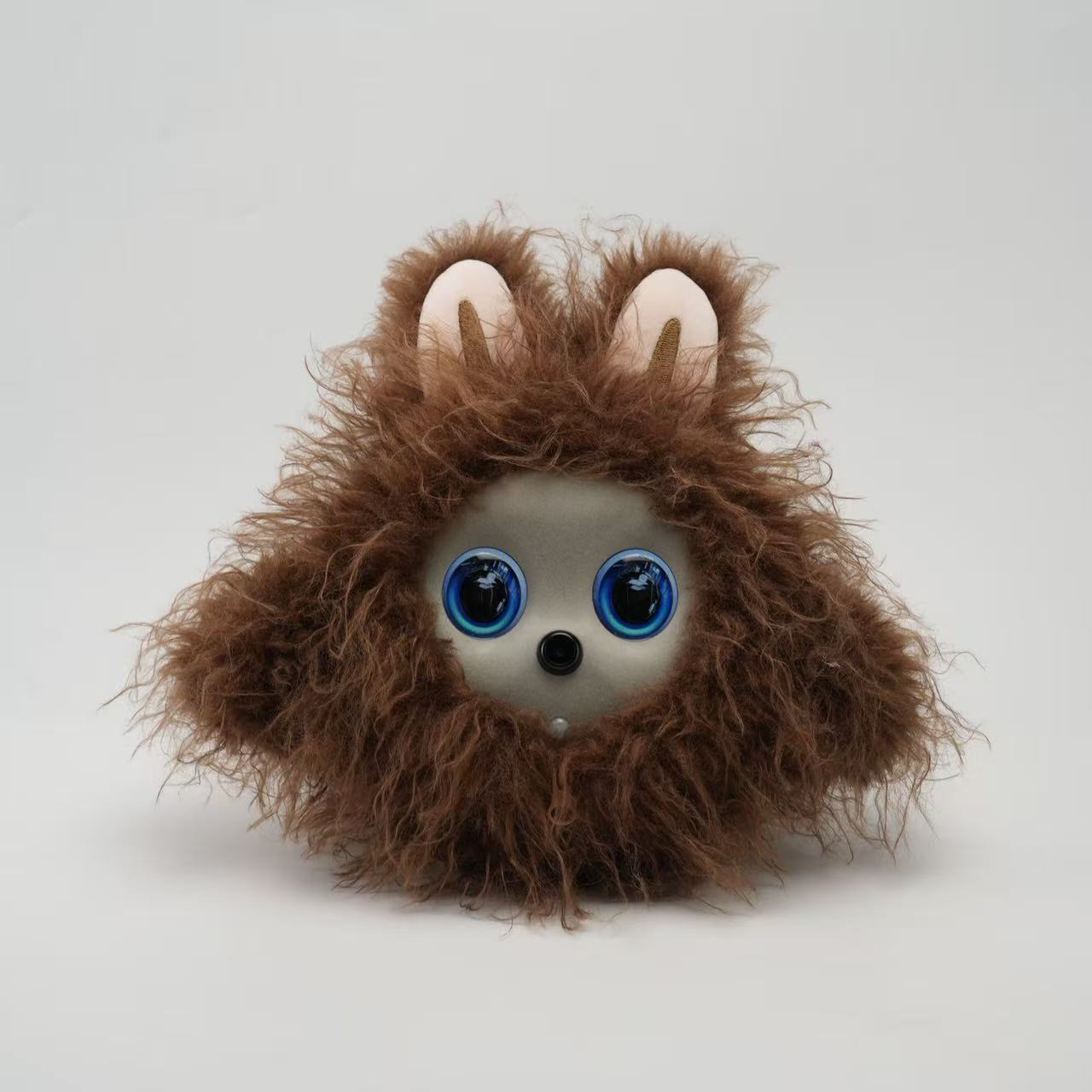
RG-AI-K01 AI Robot for Kids Smart Bunny Plush Companion with Voice Control

RG-AI-K01 High Tech AI Robot for Kids Smart Bunny Plush Companion with Voice Recognition
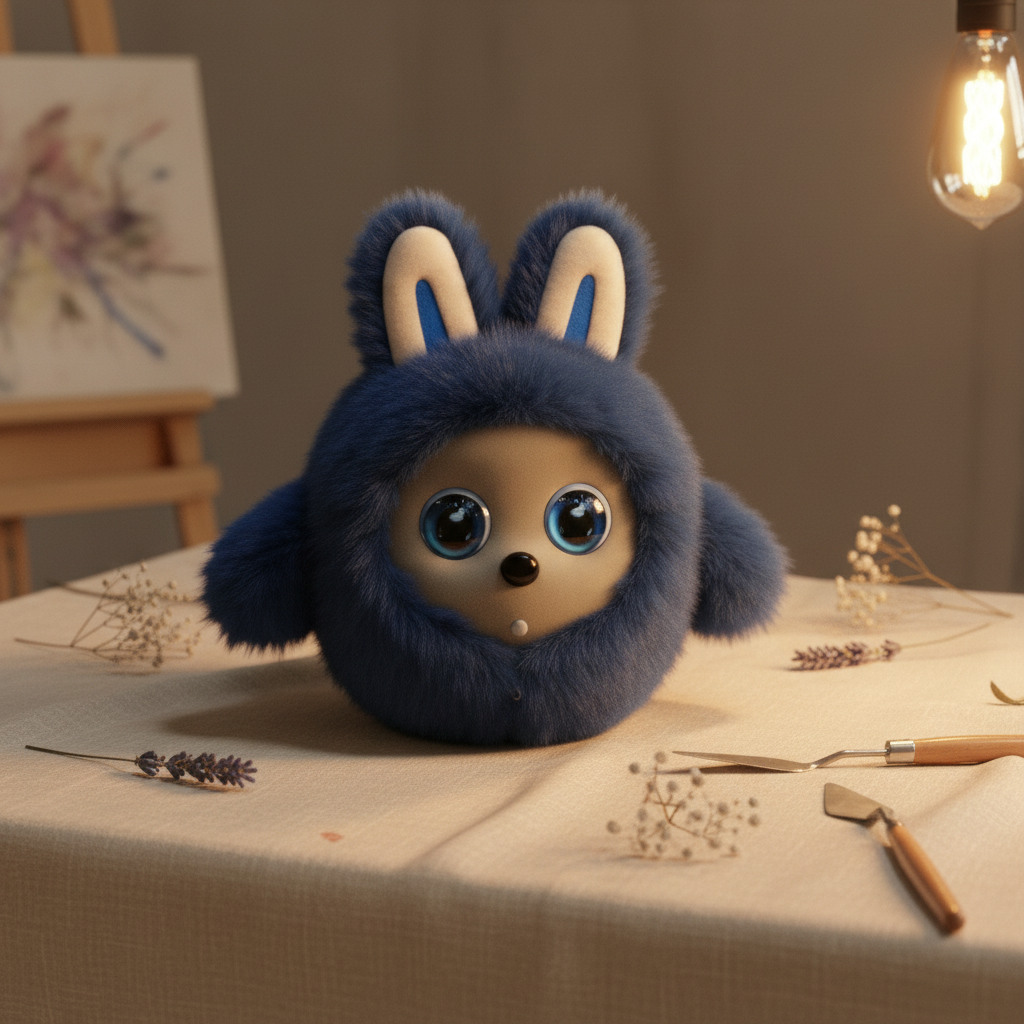
RG-AI-K01 Smart Robot AI Bunny Plush Toy for Children Early Education and Interaction
Navigating Brazil’s High-Growth Smart Toy & EdTech Frontier
An exhaustive industrial blueprint for toy brands, consumer electronics importers, and EdTech distributors across São Paulo, Rio de Janeiro, Curitiba, and Belo Horizonte seeking compliant, high-margin AI toy production.
The Latin American toy sector is experiencing an unprecedented technological transition. Brazil represents over 48% of South America’s total toy retail revenue, yet traditional static plush and non-interactive toys are losing market share to interactive, cognitive-developmental robotic companions. With over 45 million children under 14 years old, increasing smartphone and home broadband penetration, and an emerging middle class investing heavily in bilingual early education, the demand for AI-enabled conversational plush robots has grown by an estimated 28.4% year-over-year.
However, importing smart conversational toys into Brazil involves navigating one of the world's most intricate regulatory and fiscal frameworks. The combination of rigorous physical-mechanical and chemical testing under INMETRO (Portaria 302/2021 and NM 300 standards), strict wireless telecommunications homologation regulated by ANATEL (Agência Nacional de Telecomunicações), and rigid biometric data protection under LGPD (Lei Geral de Proteção de Dados - Lei nº 13.709/2018) creates significant barriers to entry. Suzhou ESPS Technology Co., Ltd. serves as an end-to-end original equipment and design manufacturing (OEM/ODM) partner, bridging cutting-edge Chinese electromechanical manufacturing with the localized compliance and linguistic specifications required by Brazilian customs (Receita Federal) and national retail chains.
Localized Application Scenarios in the Brazilian Market
Engineered to excel across commercial retail, private institutional education, pediatric therapeutic environments, and major holiday retail cycles throughout Brazil.
Bilingual Private EdTech & Daycares
Over 12,000 private bilingual preschools in São Paulo, Rio Grande do Sul, and Paraná demand interactive tactile tools that bridge Brazilian Portuguese (PT-BR) and English. Our smart bunny platform features edge-computed speech repetition, phonetic corrections, vocabulary quizzes, and storytelling algorithms tailored to bilingual early-childhood curriculums.
Pediatric Therapy & Neurodiversity Support
Clinics focusing on ASD (Autism Spectrum Disorder), ADHD, and anxiety across Brazil utilize soft, non-intimidating plush robots for socio-emotional learning. Our hardware integrates pressure-sensitive capacitive touch zones, soothing acoustic drivers, calming RGB LED light loops, and predictable interactive loops that prevent sensory overload during therapeutic interventions.
Dia das Crianças & Natal Peak Retailing
The retail surge around October 12th (Children's Day) and Christmas generates over 65% of Brazilian toy brand revenues. We support national retailers (Ri Happy, PBKids, B2W, Magazine Luiza) with fast turnaround SKU variations, distinctive localized gift packaging in Portuguese, and reliable container scheduling through Santos, Itajaí, and Paranaguá ports.
Brazilian Market Trends & Technical Adaptation
What smart hardware manufacturers and international procurement officers must implement to achieve long-term market dominance and zero customs holds in Brazil.
Edge AI & LGPD Strict Data Sovereignty
Brazil's ANPD strictly monitors the processing of minors' personal data under LGPD Art. 14. Our smart toys use local on-chip Automatic Speech Recognition (ASR) chips for offline wake-word recognition, local audio filtering, and strict end-to-end tokenized AES-256 cloud handshakes that do not store children's raw biometric voice recordings.
ANATEL RF Telecommunication Homologation
Bluetooth BLE 5.2 and Wi-Fi 2.4GHz modules must adhere to ANATEL Act 14448 (Restricted Radiation Equipment) and Act 7280 (EMC/SAR testing). We supply pre-certified RF chipsets, complete schematics, BOM documentation, and unshielded testing units to expedite testing within accredited Brazilian OCDs (Designated Certification Bodies).
INMETRO NM 300 Physical & Chemical Purity
Safety rules under ABNT NBR NM 300-1 through NM 300-6 demand zero phthalates in synthetic vinyl shells, heavy-metal extraction tests on surface pigments, and high-torque stitch-seam tests to ensure zero small-part choke hazards or battery compartment dislodgement even under severe drop impacts.
Engineering Blueprint: RG-AI-K01 Smart Bunny Platform
A detailed look at our core conversational architecture, engineered specifically for global export and field durability.
| Hardware / Sub-System | Technical Specifications | Brazil Regulatory / Market Compliance |
|---|---|---|
| Microcontroller & AI DSP | Dual-core 32-bit RISC-V @ 240MHz + dedicated Neural Processing Unit (NPU); supports offline wake-word recognition within 350ms. | Low power consumption, compliant with IEC/EN 62368-1; thermal envelope stays below 36°C during intensive processing. |
| RF Wireless Module | 2.4GHz 802.11 b/g/n Wi-Fi + Bluetooth BLE 5.2 dual-mode; integrated ceramic antenna with PCB isolation shielding. | Pre-aligned for ANATEL Act 14448 EMC/SAR testing; simplified declaration of conformity for imported IoT modules. |
| Audio & Voice Acquisition | Omnidirectional -42dB ±3dB MEMS microphone with hardware acoustic echo cancellation (AEC) and digital beamforming; 40mm 4Ω 2W high-fidelity speaker. | Optimized for high-cadence Brazilian Portuguese phonemes; dynamic noise reduction allows clean input in noisy domestic settings. |
| Rechargeable Power Pack | 1200mAh 3.7V Grade-A Lithium-Polymer cell with Seiko protection IC (over-charge, over-discharge, short-circuit, thermal cutoff). Type-C charging port. | UN38.3, MSDS, and IEC 62133 certified for air/sea freight into Port of Santos; compliant with INMETRO battery safety directives. |
| Plush Shell & Outer Fabric | 100% hypoallergenic polyester crystal super-soft velvet; 3D hollow PP cotton fill; triple-locked reinforced seams (exceeds 70N pull force). | INMETRO NM 300-1 (Mechanical/Physical) and NM 300-3 (Migration of Toxic Elements: lead, cadmium, mercury, barium zero-migration). |
| Sensors & Interactive Haptics | Capacitive touch sensors in ears, forehead, and paws; 3-axis accelerometer for shake/tilt detection; dual RGB LED interactive expression eyes. | No pinching points or accessible internal wiring; non-toxic ABS/PP inner skeleton with anti-shock silicone dampeners. |
Suzhou ESPS Technology: 16 Years of Manufacturing Excellence
From precision hardware tooling to intelligent electro-mechanical smart companions, discover why global brands trust our Jiangsu manufacturing facilities.
SGS On-Site Audited
Our 6,000㎡ plant in Zhangjiagang, Jiangsu, has undergone complete on-site inspection by SGS Group. Certified management systems include ISO 9001, ISO 14001, and OHSAS 18001.
Two-Stage QA Protocol
Raw materials (fabrics, stuffing, bare PCBs, lithium cells) undergo strict incoming QA, followed by 100% automated acoustic, drop, seam-strength, and burn-in testing on finished units before packing.
Precision Heritage
Founded in 2010 producing precision monitor arms, POS mounts, and mobile TV carts, we apply tight metal-to-plastic tolerance control and structural durability to high-tech robotic toys.
Flexible Trade Terms
Experienced in global maritime and air logistics: FOB Shanghai/Ningbo, CIF Santos, EXW, and door-to-door DDP services with full documentary clearance (NCM codes, Proforma, Packing Lists).
Frequently Asked Questions by Brazilian Importers & Brands
Clear, definitive answers addressing customs duties, technical homologation, Portuguese NLP integration, and order logistics.
What are the exact certification requirements for selling AI smart toys in Brazil?
To legally market smart toys in Brazil, two primary regulatory bodies are involved:
1. INMETRO (Portaria 302/2021 & NM 300 series): All toys intended for children under 14 must undergo mandatory testing for mechanical physical safety (small parts, sharp edges, seam tensile resistance under NM 300-1), flammability (NM 300-2), toxicity and heavy metals migration (NM 300-3), and phthalates content. The INMETRO conformity seal must appear on retail packaging.
2. ANATEL (Telecommunications Homologation): If the smart toy incorporates Wi-Fi, Bluetooth, or RF remote functionality, the internal wireless module must obtain an ANATEL Certificate of Homologation under Act 14448 and Act 7280. ESPS supplies pre-tested modular hardware and full technical dossiers to facilitate rapid certification through accredited Brazilian testing laboratories (OCDs).
How does the factory handle Brazilian Portuguese (PT-BR) localization and voice accents?
Unlike European Portuguese, Brazilian Portuguese features distinct cadences, open vowels, and colloquial grammar. For offline interactive models, our firmware engineers burn native PT-BR audio libraries recorded by professional Brazilian voice actors. For connected IoT models featuring conversational AI, our cloud integration connects with leading LLM APIs tuned for Brazilian Portuguese dialect models, recognizing both adult prompts and child phonetics from major metropolitan regions (São Paulo, Rio de Janeiro, Northeast).
How are Brazilian import taxes (II, IPI, ICMS, PIS/COFINS) accounted for during procurement?
Brazilian customs taxation is calculated on the CIF value under NCM classification 9503.00 (Tricycles, scooters, pedal cars, dolls, and other toys). The typical tax cascade includes Import Duty (II - approx. 20%-35% for toys), Industrialized Products Tax (IPI - 0% to 10%), PIS/COFINS (9.25%), and State VAT (ICMS - typically 17% to 19% depending on the destination state, such as SP or SC). We provide precise HS/NCM documentation, accurate unit pricing, and detailed packaging manifests to help your customs broker (Despachante Aduaneiro) calculate landed costs accurately.
What are the standard Minimum Order Quantities (MOQ) and production lead times?
For standard catalogue units with custom Portuguese packaging and silkscreen branding, our MOQ begins at 100 pieces. For deep custom OEM/ODM projects (custom plush molds, unique injection-molded chassis, custom PCB layouts, and proprietary voice wake-words), the MOQ is typically 1,000 to 2,000 units. Functional prototypes are delivered in 7-12 working days; initial production batches are completed within 25-35 days following golden sample sign-off.
How does ESPS guarantee child data privacy under Brazil’s LGPD regulations?
Compliance with LGPD (Lei nº 13.709/2018) Article 14 requires that processing data from children and adolescents must be performed in their best interests and with explicit parental consent. Our smart companion robots operate on a strict privacy-first architecture: voice wake words are processed locally on-device without cloud transmission. For internet-connected models, real-time audio streams are converted to encrypted text tokens in transit (TLS 1.3), immediately scrubbed of identifiable biometric markers, and never retained on servers for commercial profiling.
Can the factory supply custom retail packaging optimized for Brazilian department stores?
Yes. Brazilian retail regulations require full Portuguese labeling, including the importer's CNPJ, corporate address, country of origin (Fabricado na China), age recommendations, warning notices in Portuguese, and INMETRO seal placement. Our packaging design team provides full dieline templates, conducts drop-test validations for 5-ply export master cartons, and integrates tamper-evident retail blister or window-box presentations ready for shelves at Ri Happy, Lojas Americanas, or Mercado Livre fulfillment centers.
Ready to Scale Your Smart Toy Line in Brazil?
Connect with our engineering and international trade department today to discuss your target specifications, compliance documentation, and sample arrangements.
Contact Us