Featured CE-Certified STEM Robot Plush Series for Japan
Engineered with edge-computing acoustic processors, tactile capacitive sensors, and certified child-safe mechatronic enclosures. Fully compliant with international CE Directives and customizable for the Japanese consumer and educational markets.
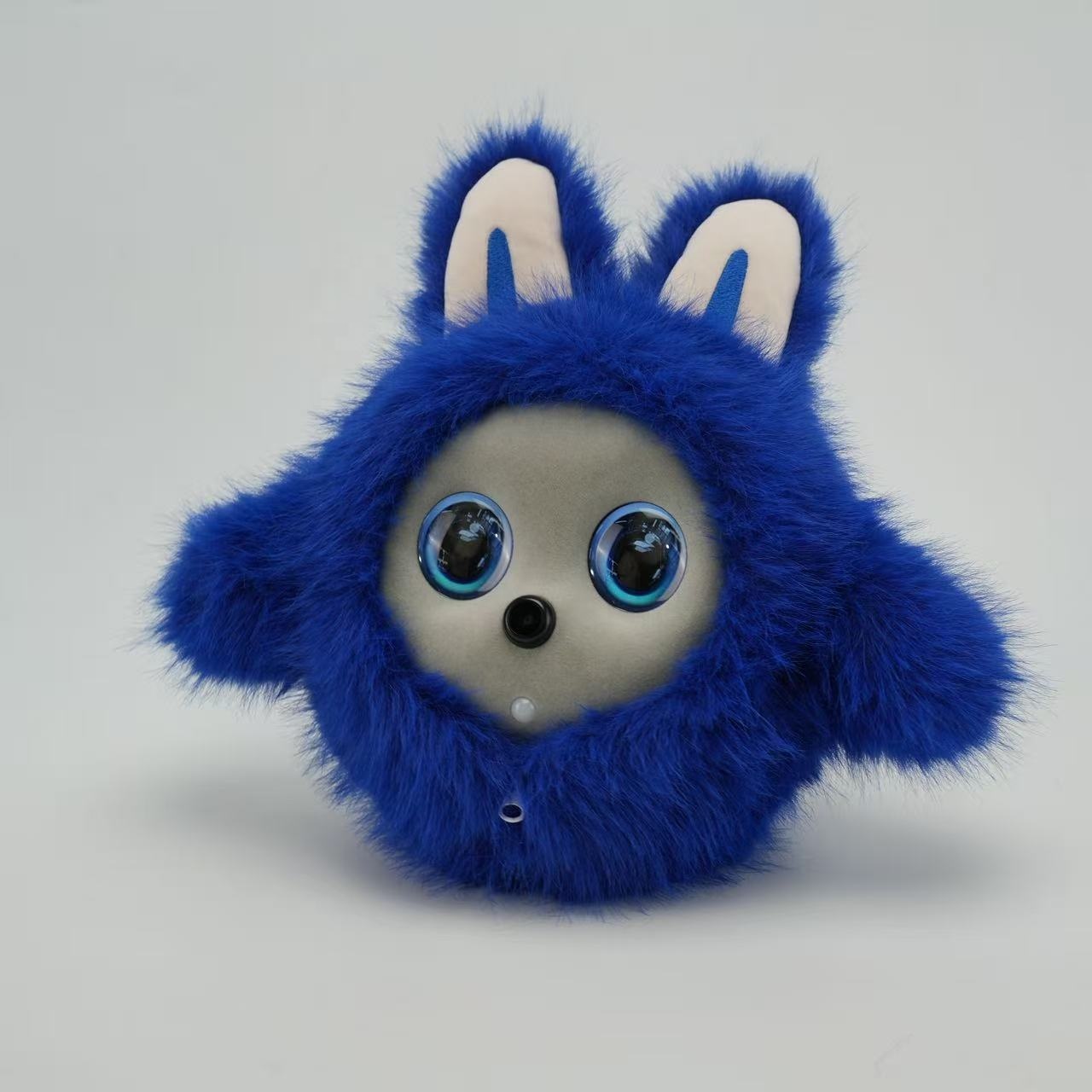
RG-AI-K01 AI Robot for Kids Smart Bunny Plush Companion with Voice Recognition
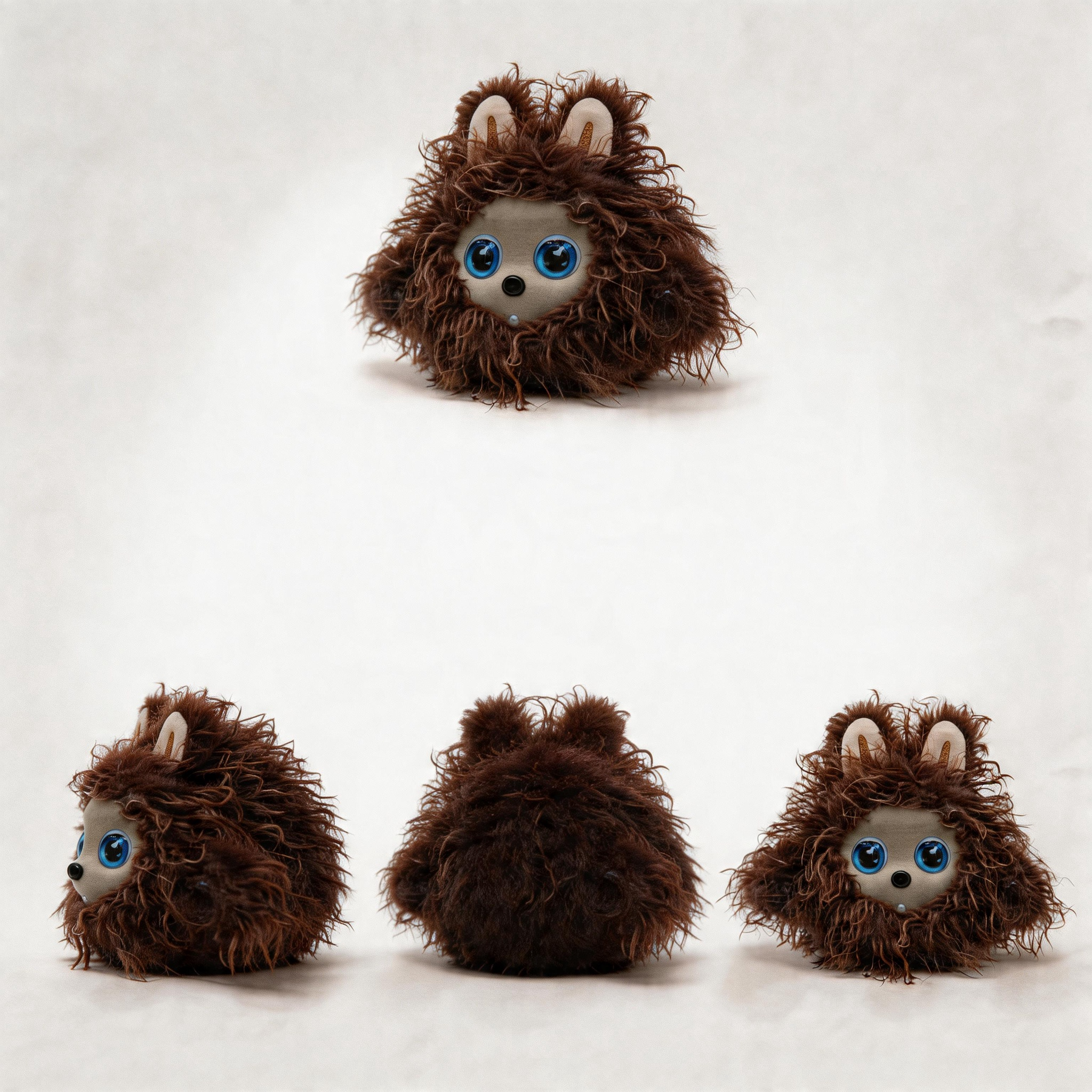
RG-AI-K01 2026 New Long-Eared Bunny AI Robot Plush Toy Smart Companion for Kids
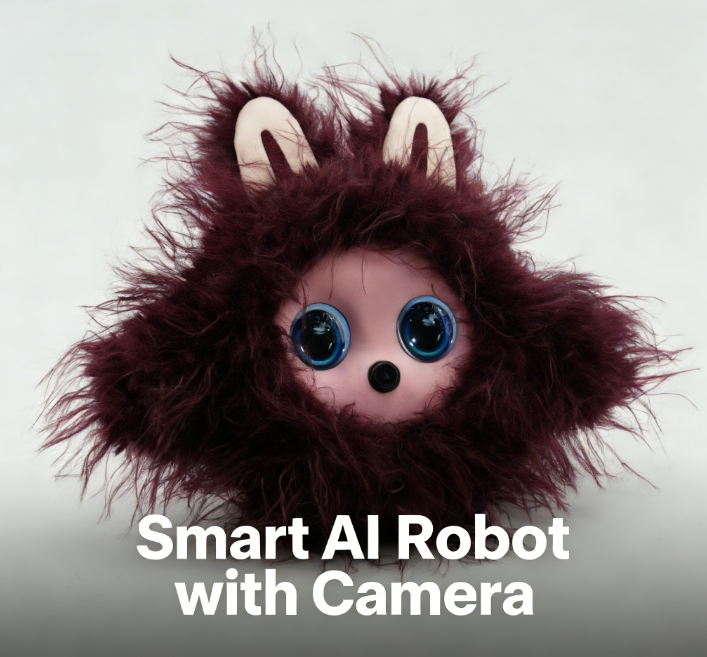
RG-AI-K01 AI Toy Robot Bunny Plush Companion with Cute Interaction and Talking
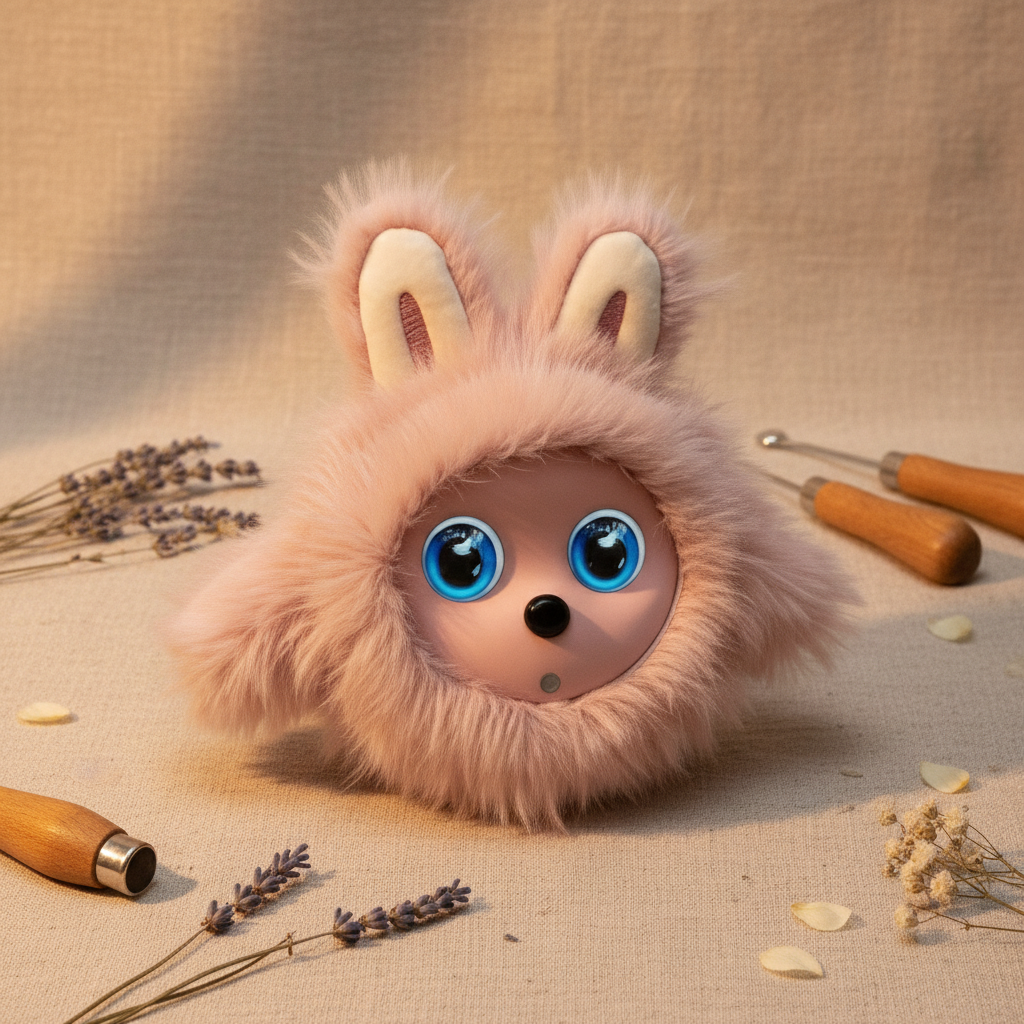
RG-AI-K01 New Release Smart Robot AI Bunny Plush Toy for Children Early Education
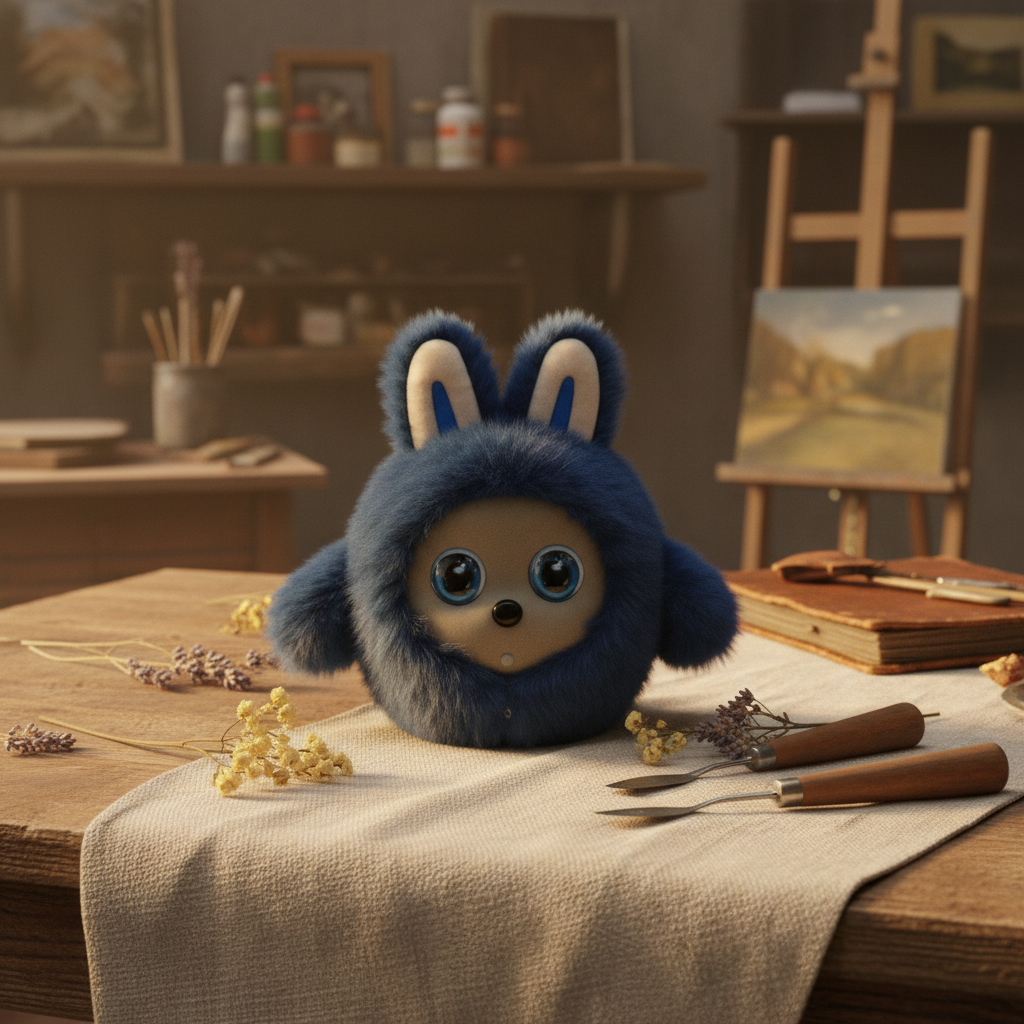
RG-AI-K01 Smart AI Robot Companion Bunny Plush Doll with Large Ears for Kids
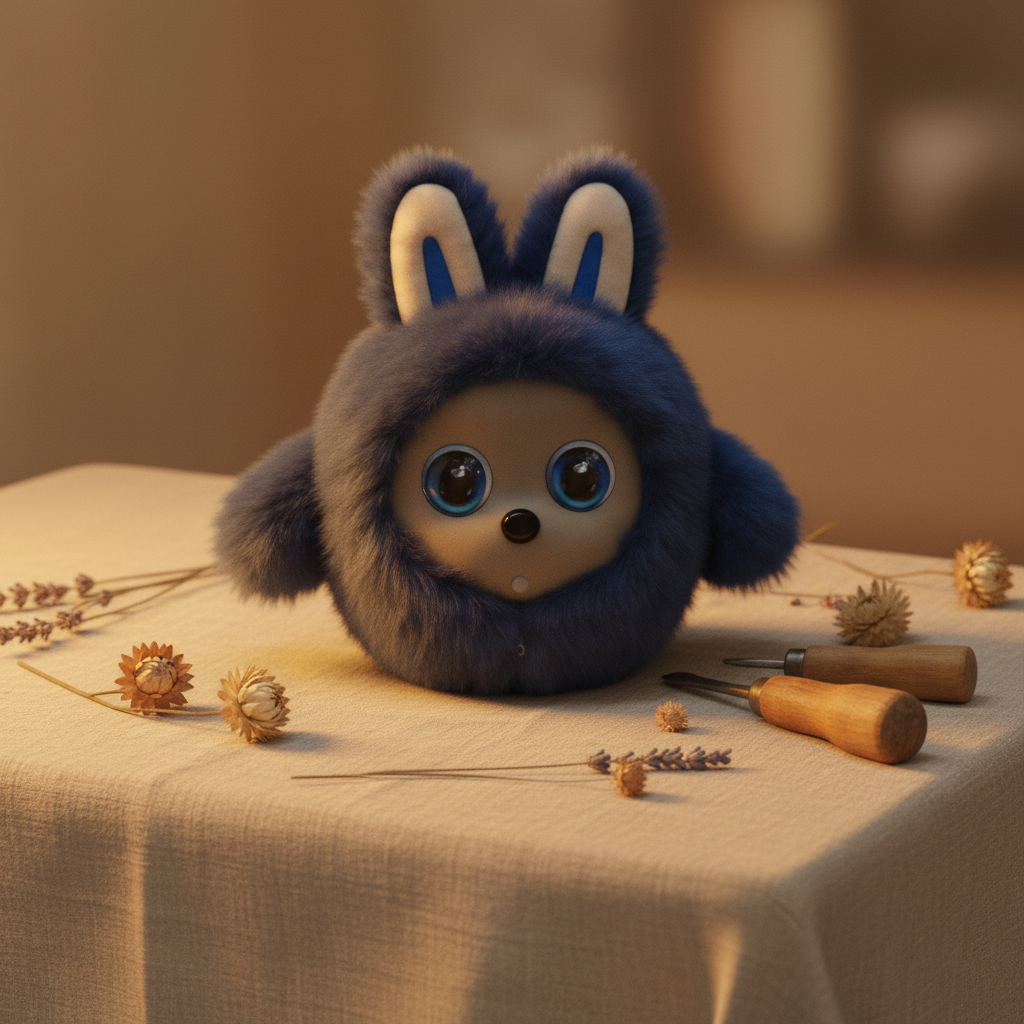
RG-AI-K01 AI Toy Robot Fluffy Bunny Plush with Intelligent Dialogue and Fun
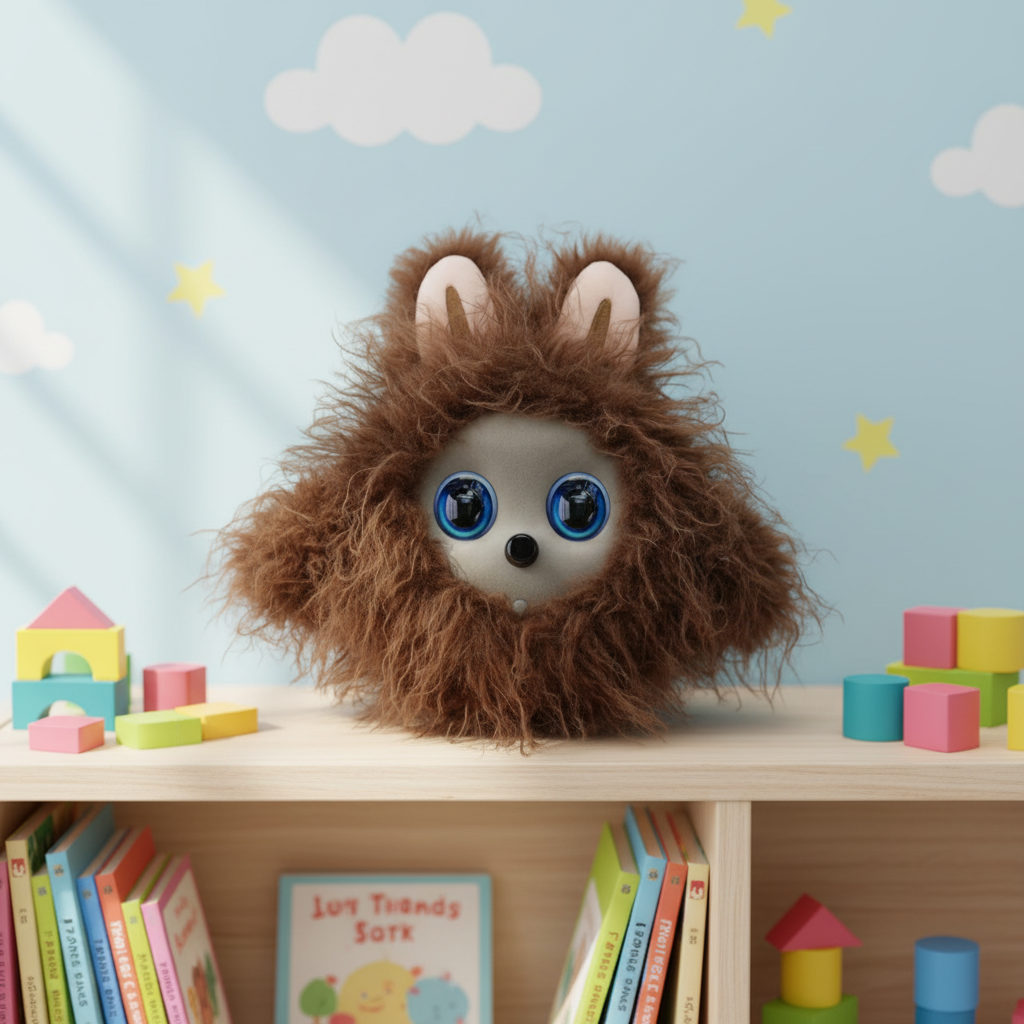
RG-AI-K01 Mini AI Robot Bunny Plush Toy with Intelligent Interaction and Talking
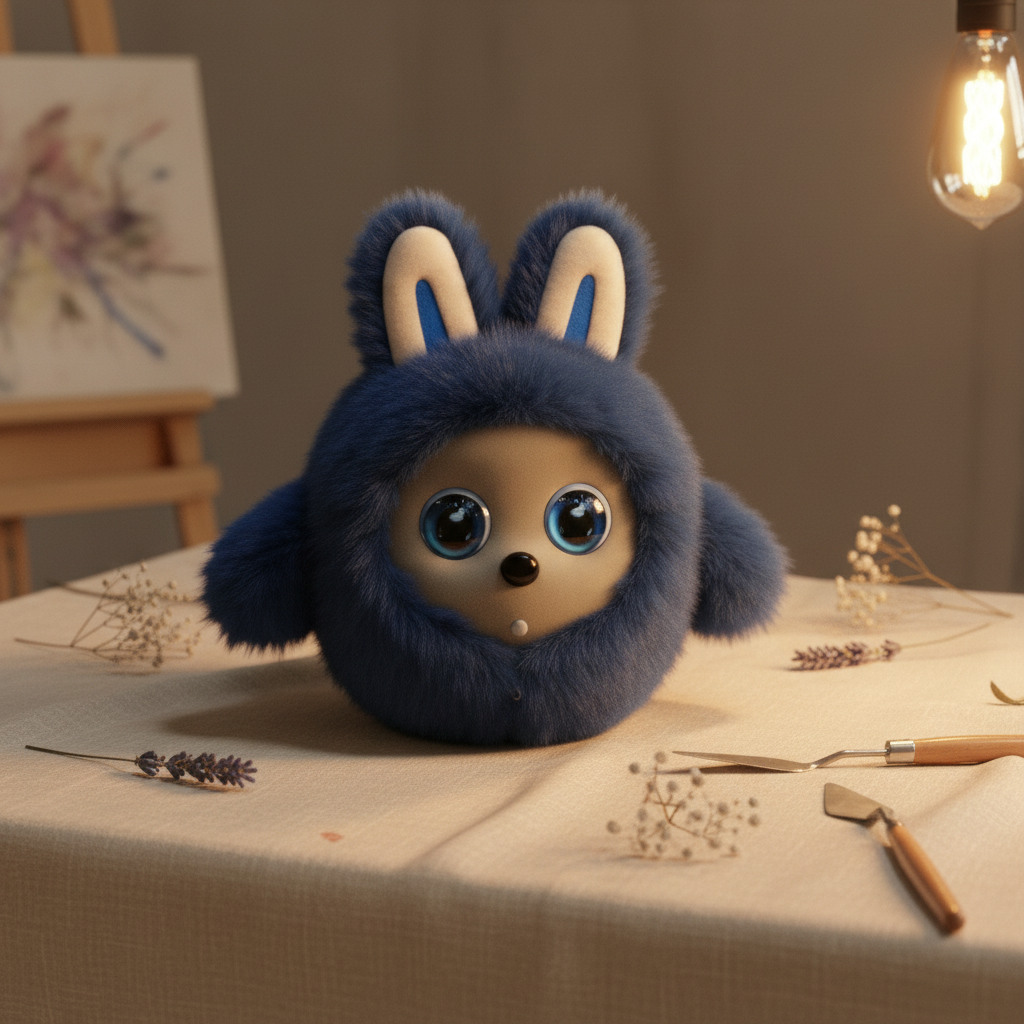
RG-AI-K01 Smart Robot AI Bunny Plush Toy for Children Early Education and Interaction
Engineering CE Directives for the Japanese Robotics Market
For commercial toy buyers, educational distributors, and cross-border brand owners targeting the Japanese market, understanding the technical synergy between the European CE Marking Framework and Japanese Domestic Standards is paramount. Japanese customs clearance (Tokyo, Osaka, Kobe ports) and downstream toy chain audits require airtight compliance records covering mechanical, flammability, electromagnetic, and biological endpoints.
CE Toy Directives (2009/48/EC)
EN 71-1, EN 71-2, EN 71-3 govern physical pinch hazards, seam tensile failure thresholds (>70N), flame propagation rates, and heavy metal chemical migration limits (including total lead, cadmium, and organotin compounds). Certified under accredited Notified Bodies.
Electric Safety (EN 62115 & PSE)
Covers electrical safety, internal battery thermal runaway containment, low-voltage charging insulation, and surface temperature rise (<43°C on soft-touch contact). Fully aligned with Japan's Electrical Appliance and Material Safety Law (PSE Act) for lithium-polymer cells.
Radio & EMC (CE RED / TELEC)
CE Radio Equipment Directive (2014/53/EU) testing maps directly to the Japanese Radio Law (MIC / TELEC Giteki mark). Pre-certified RF layouts across 2.4GHz Wi-Fi (802.11 b/g/n) and Bluetooth Low Energy (BLE 5.3) ensure zero spurious emission interference.
Suzhou ESPS Technology Co., Ltd. Precision Facilities
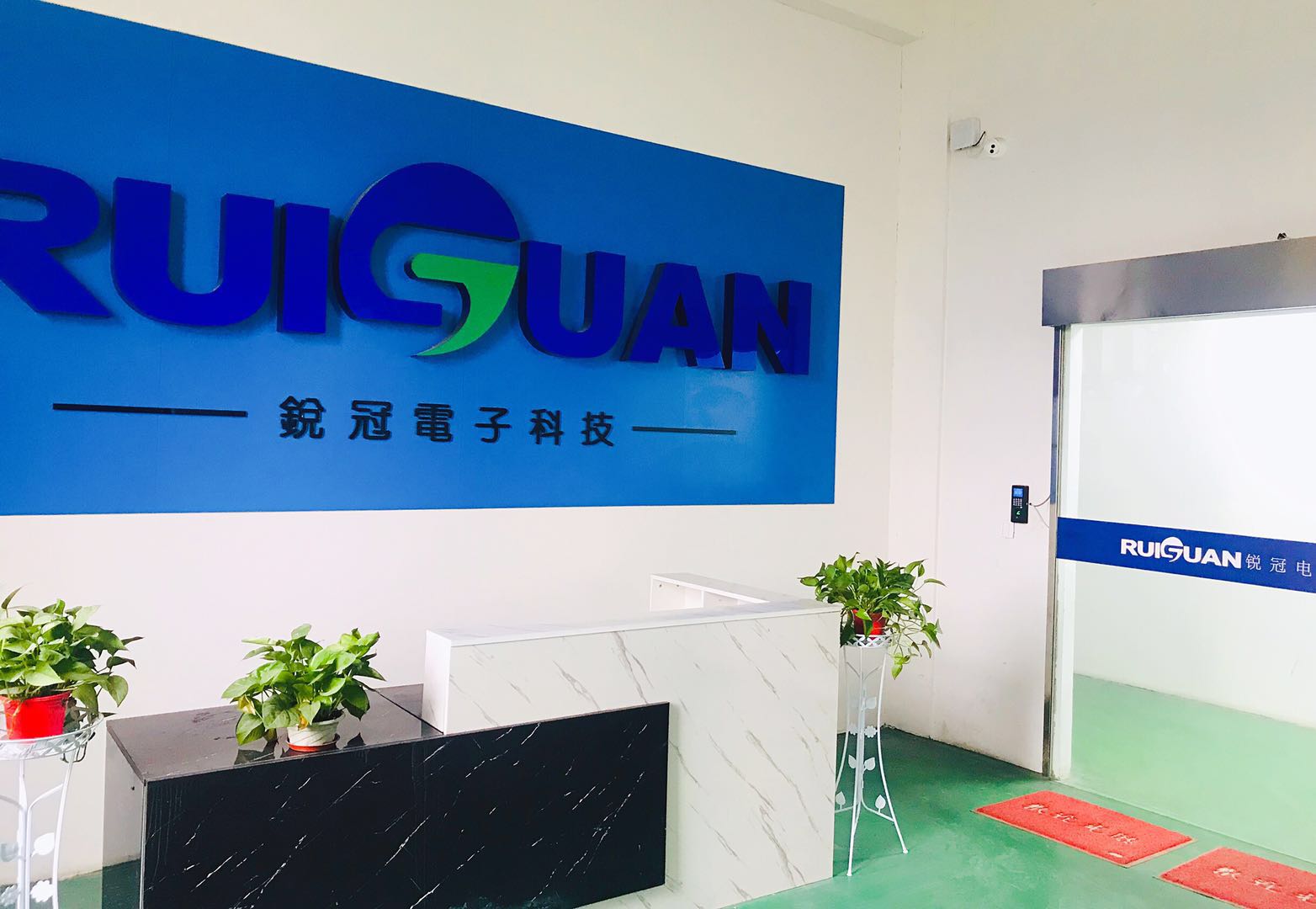
Established in 2010 in Zhangjiagang, Jiangsu, Suzhou ESPS Technology Co., Ltd. operates at the nexus of high-precision metal/electro-mechanical engineering and smart educational robotics. Our 6,000㎡ manufacturing floor is fully verified onsite by SGS Group, housing cleanroom SMT board mounting, automated plush ultrasonic cutting, and clean assembly lines.
With 69 certified production specialists, an internal hardware R&D team, and a network of 40 qualified satellite component factories, ESPS executes end-to-end turnkey OEM/ODM services: from bespoke acoustic chamber design and low-latency Japanese tokenizer integration to final custom gift-box retail packaging compliant with Japan's recycling labeling laws (Plastics/Paper marks).
 SGS Verified Manufacturer
 EN 71-1/2/3 Safety
 CE Marking Directive
 FCC Part 15 / EMC
 RoHS Lead-Free Clean
Localized Application Scenarios in Japan's Edutainment Ecosystem
From Tokyo's metropolitan prep academies to multi-generational households in Kanagawa and Osaka, ESPS STEM robot platforms solve crucial pedagogical and socio-cultural demands.
1. MEXT "GIGA School 2.0" & Elementary Programming Integration
Japan's Ministry of Education, Culture, Sports, Science and Technology (MEXT / 文部科学省) has mandated elementary programming logic since 2020. Our RG-AI-K01 series acts as an interactive, screenless coding anchor for early childhood learners (Ages 3–8). Rather than staring at tablet displays, children utilize voice commands and tactile RFID sequencing cards to program robotic responses, spatial movements, and musical synthesis. The platform teaches algorithmic sequencing (順次実行), conditional branch logic (条件分岐), and interactive debugging in an organic, anxiety-free tactile plush medium.
2. Juku (学習塾) & Private Mechatronics After-School Academies
Private cram schools (Juku) and weekend robotics clubs across Kanto and Kansai utilize our CE-certified platforms for specialized STEM enrichment. With modular open-UART pinouts and BLE 5.3 telemetry, students interface our robotic bunnies with micro:bit and visual Scratch programming environments. Students observe real-time sensor feedback: measuring ambient sound intensity via twin MEMS microphones, monitoring capacitance ear-touch sensors, and controlling multi-colored expressive eye LEDs through custom logic blocks, preparing for competitive Junior Robocon events.
3. The "Six Pockets" (六つのポケット) High-End Retail Market
Japan's declining birthrate has intensified capital investment per child: the famous "Six Pockets" economic dynamic where parents and both sets of grandparents pool discretionary income into premium developmental gifts. Sourced extensively by Tokyo department store chains (Isetan, Takashimaya, Bic Camera, Yodobashi), our CE-certified bunny robots serve as premier gifts during Children's Day (こどもの日), Shichi-Go-San (七五三), Christmas, and New Year Otoshidama (お年玉). The high-grade embroidered aesthetics and verified non-toxic fabrics resonate deeply with quality-sensitive Japanese buyers.
4. Intergenerational Affective Robotics & Elder-Child Co-Living
Japan's super-aged society (超高齢化社会) fosters unique living environments where grandparents and young grandchildren share day-to-day emotional spaces. The soothing tactile plush shell of the RG-AI-K01 series, combined with conversational Japanese Large Language Models (LLM) fine-tuned for empathetic, polite honorific speech (丁寧語・敬語), functions as a comforting therapeutic companion. It stimulates cognitive linguistic dexterity in developing children while mitigating loneliness and cognitive decline among co-residing elderly family members.
Key Trends Transforming Japan's STEM Toy Sourcing Strategy
As Japanese toy trade buyers shift sourcing away from obsolete battery-operated novelties, three transformative trends dominate commercial procurement discussions in Tokyo, Osaka, and Nagoya:
1. On-Device Edge-NPU & Japanese Child Privacy (APPI)
Japanese consumers and school boards are strictly cautious regarding continuous voice recording and cloud streaming. The enforcement of Japan's Act on the Protection of Personal Information (APPI / 個人情報保護法) mandates that children's voiceprints cannot be stored unencrypted on foreign servers. ESPS solves this via localized Edge-AI neural processing modules: wake-word detection, phoneme analysis, and basic conversational logic execute directly on the toy's onboard SoC without mandatory cloud connectivity, ensuring zero leakage of domestic voice data.
2. Shift From Pure Coding to "Affective STEAM" Learning
The Japanese educational philosophy is rapidly moving away from rigid computational syntax toward "Kokoro" (心) centered emotional intelligence combined with STEM. Educational researchers in Tokyo emphasize that empathy-driven interactions—such as nurturing an AI animal companion, programming its sleep cycle, and coaching its vocabulary—yield substantially higher STEM engagement among young girls and non-technical students than cold plastic vehicular robots. Soft robotics is recognized as the ultimate gateway to inclusive engineering literacy.
3. Rigorous Material Circularity & Clean Japanese Chem-Safety
Major Japanese retailers require compliance with the Japan Food Sanitation Act (食品衛生法) for toys designed for children under age 6, anticipating accidental mouth-contact. Simultaneously, leading Japanese department stores require eco-conscious supply chains utilizing GRS-certified recycled polyester (rPET) plush fabric and bio-based stuffing. Suzhou ESPS supplies fully documented non-toxic chemical lab test reports covering bisphenols, phthalates, and formaldehyde residues below detectable European and Japanese limits.
Suzhou ESPS Technology: Engineering Integrity Since 2010
Why leading educational importers, Japanese trading houses (Shosha), and OEM brands partner with our factory for turnkey robotic production.
Single-Source Turnkey OEM/ODM
Avoid the costly miscommunications of splitting plush shell manufacturing and sensitive PCB electronics across multiple subcontractors. ESPS controls CAD mechanical tooling, firmware flashing, cleanroom sewing, ultrasonic stuffing, and SMT assembly under one roof.
Two-Stage Rigid QA Protocol
Every batch undergoes 100% incoming raw material inspection (fabric colorfastness, battery internal resistance, IC solderability) followed by 100% automated electronic diagnostic testing (frequency response, motor torque, sensor response) before final AQL 0.4 box inspection.
Certified Management Systems
Our Zhangjiagang facilities operate under full ISO 9001:2015 Quality Management, ISO 14001 Environmental Management, and OHSAS 18001 Occupational Health systems. Factory operations are open to third-party audits by Japanese QA inspection teams.
Flexible Trade & Fast Shipping
Supporting flexible terms including FOB Shanghai/Ningbo, CIF Tokyo/Yokohama, EXW, and door-to-door DDP (incorporating Japanese Consumption Tax processing). Air express sample delivery within 5 to 7 days for swift stakeholder evaluation.
Frequently Asked Questions by Japanese Sourcing Directors
Detailed technical answers addressing Japanese regulatory clearance, localization, battery shipping, and minimum order requirements.
1. How does your CE certification accelerate Japan's TELEC Radio Law and PSE clearance?
2. Can the RG-AI-K01 platform be customized with Japanese speech recognition, wake words, and phonetics?
3. What is the Minimum Order Quantity (MOQ) for standard models versus custom OEM/ODM projects?
4. How does ESPS ensure compliance with Japan's Food Sanitation Act regarding mouth-contact safety?
5. What battery safety protocols are implemented for maritime container and air cargo to Japan?
6. What are the standard lead times for mass production orders shipped to Tokyo or Osaka?
Accelerate Your Educational Robotics Line in Japan
Speak directly with our bilingual OEM/ODM engineering specialists. Request physical testing samples, detailed CE/EN71 technical construction files, or discuss bespoke Japanese voice localization.
