Featured Smart Companion & Educational AI Plush Dolls
Engineered specifically for European safety directives and sub-zero Nordic operating environments. Each interactive model integrates low-latency micro-LCD emotional feedback, multi-dialect linguistic acoustic models, and EN 71 mechanical resilience.
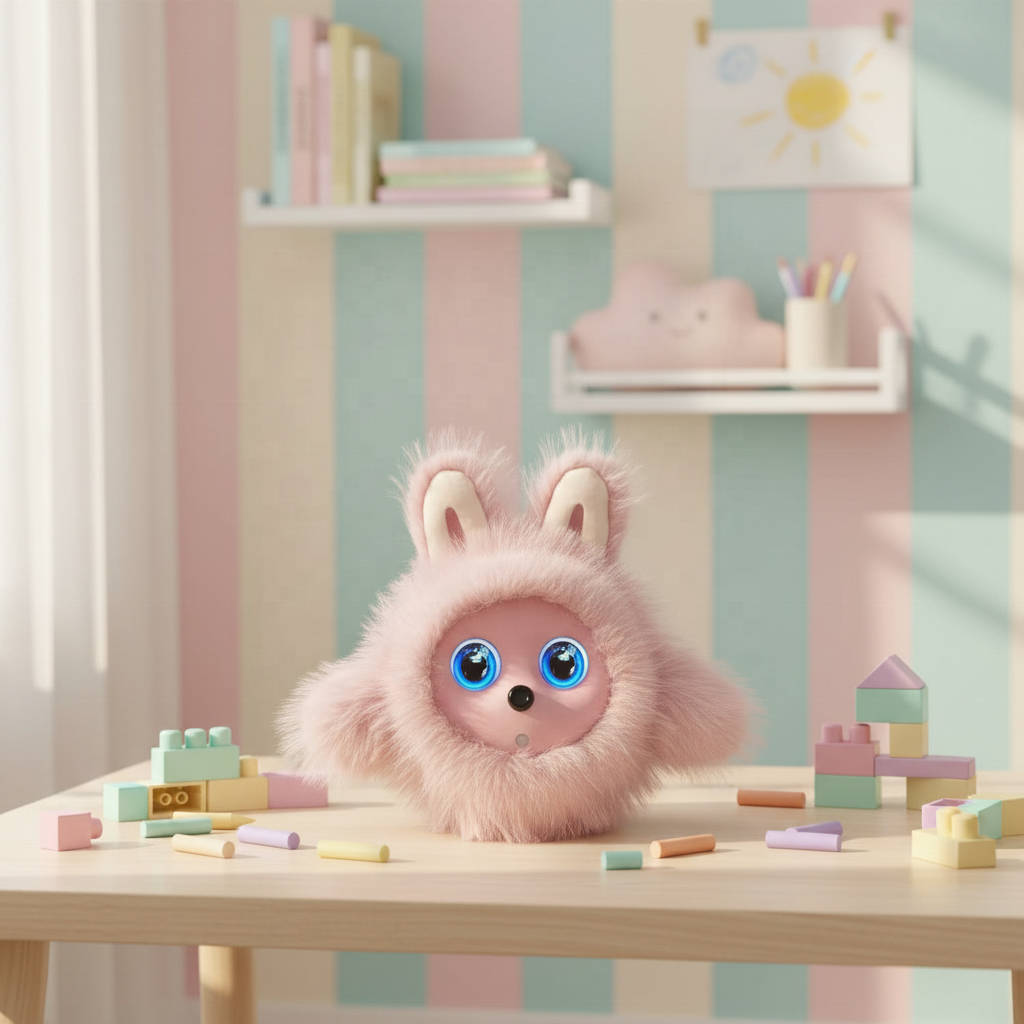
RG-AI-K01 Top Ranking AI Educational Robot Bunny Plush Toy with Smart Learning Mode
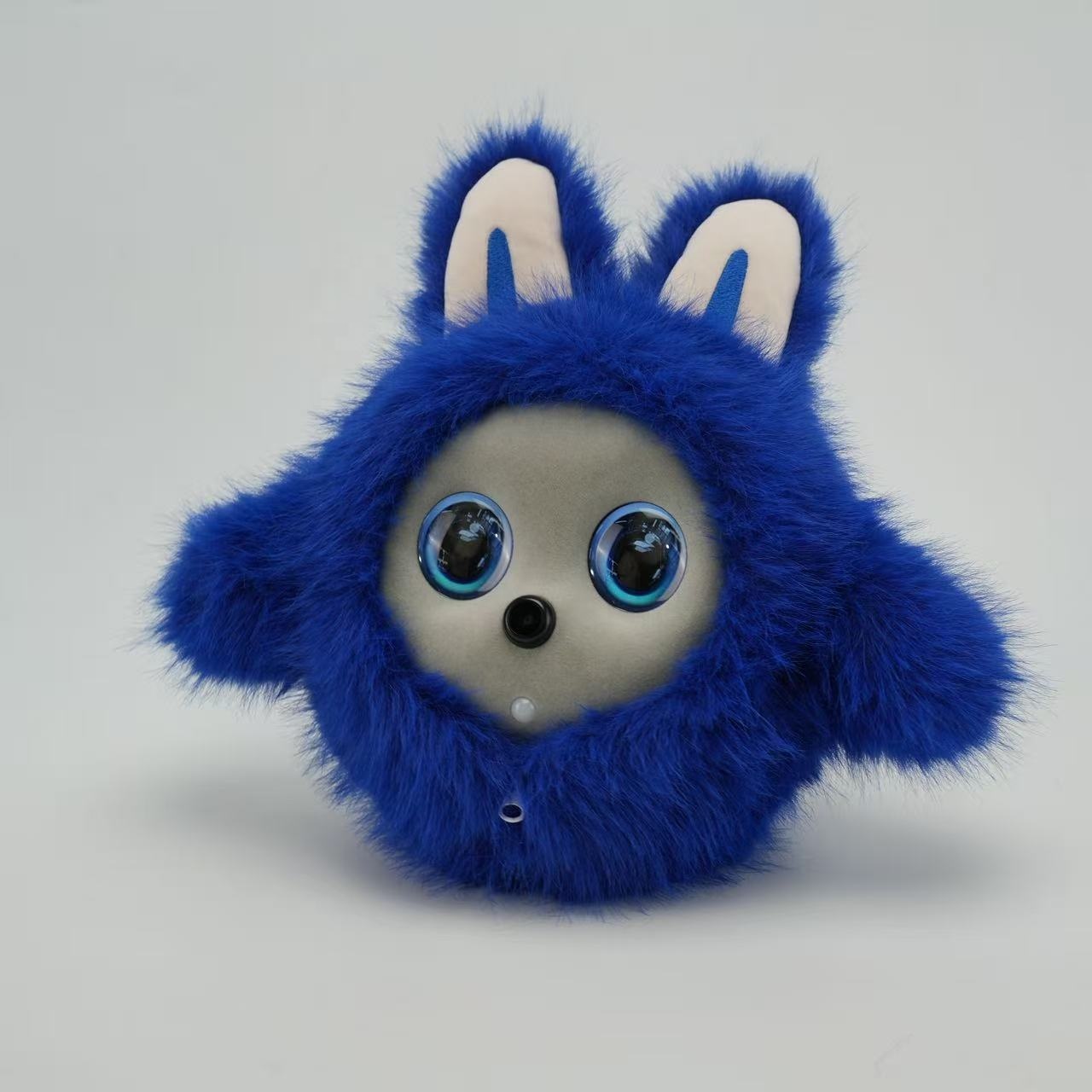
RG-AI-K01 AI Robot for Kids Smart Bunny Plush Companion with Voice Recognition
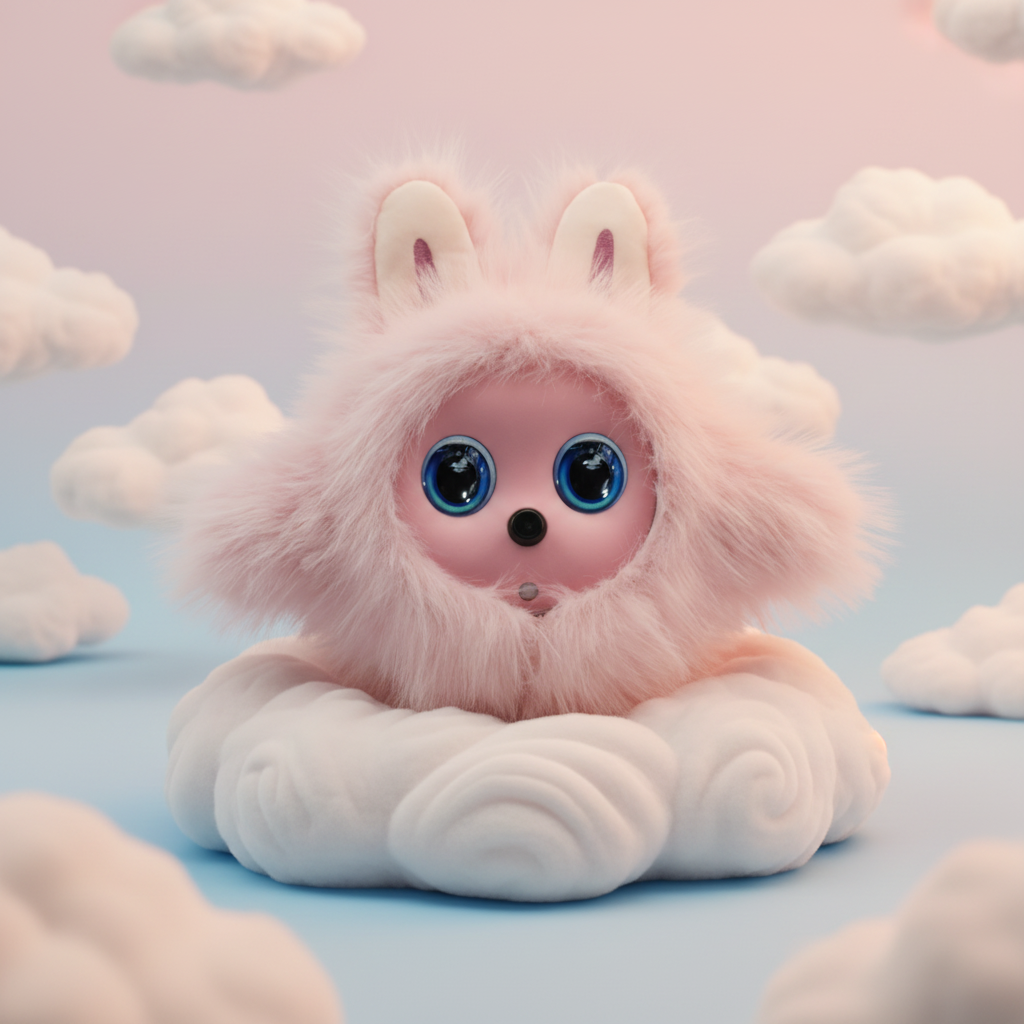
Hot Selling RG-AI-K01 AI Robot Pet Soft Bunny Plush with Intelligent Voice Interaction
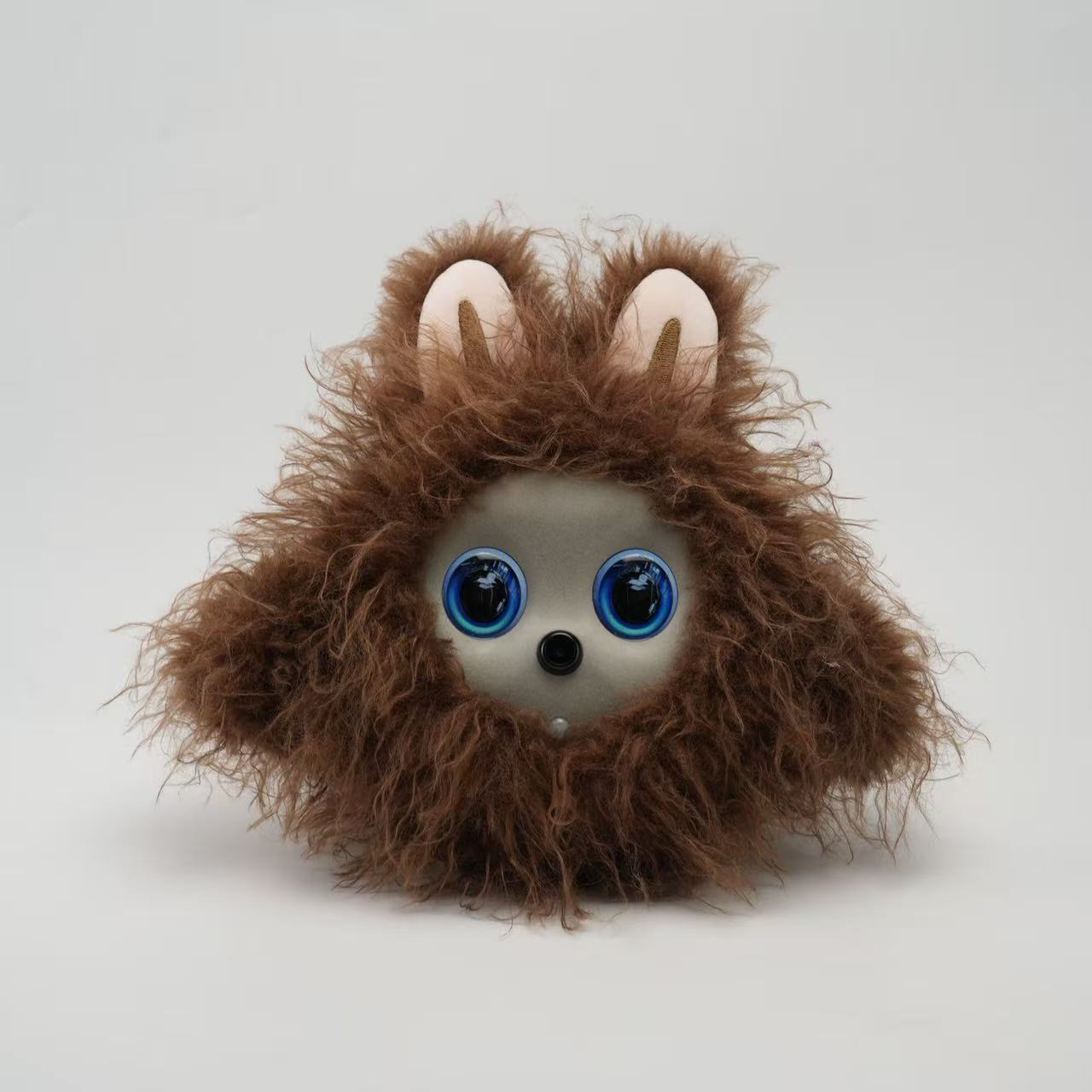
RG-AI-K01 AI Robot for Kids Smart Bunny Plush Companion with Voice Control
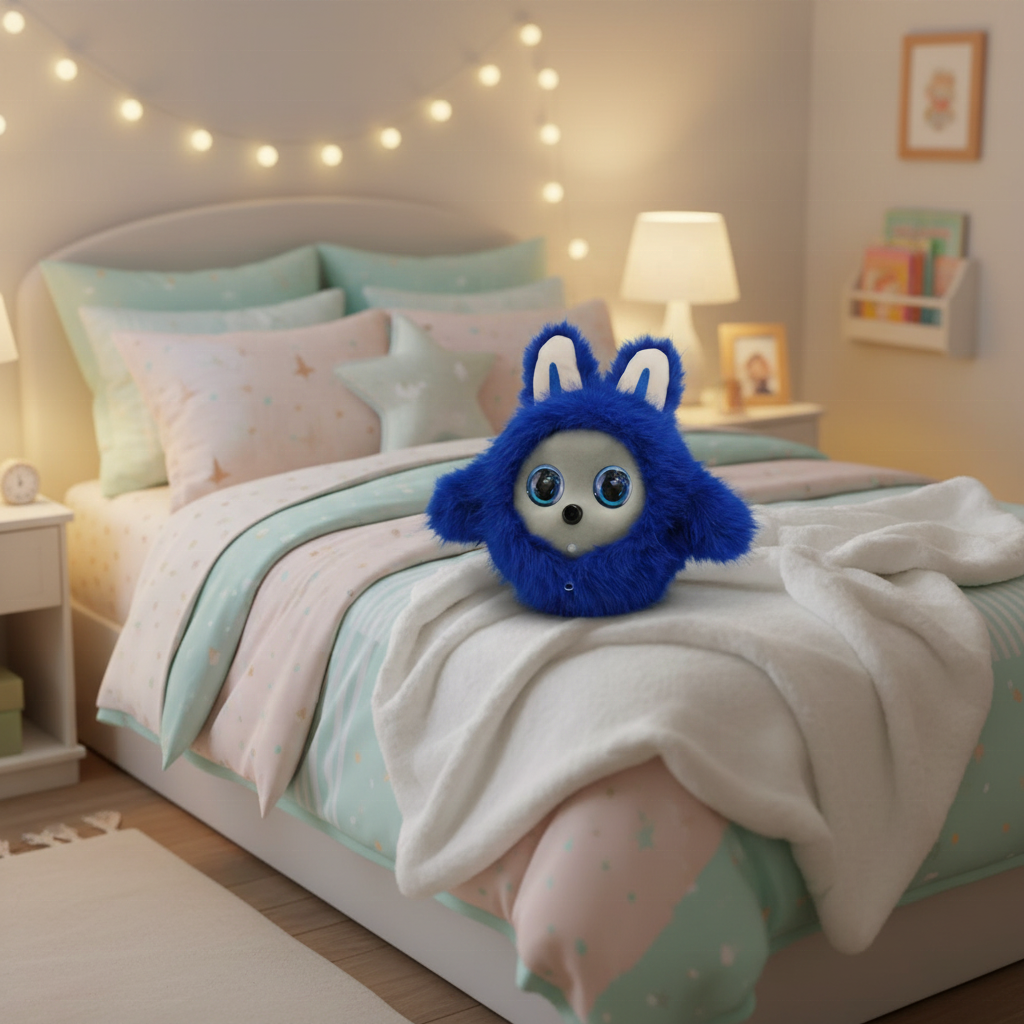
RG-AI-K01 AI Educational Robot Bunny Plush Toy with Smart Learning Mode and Dialogue
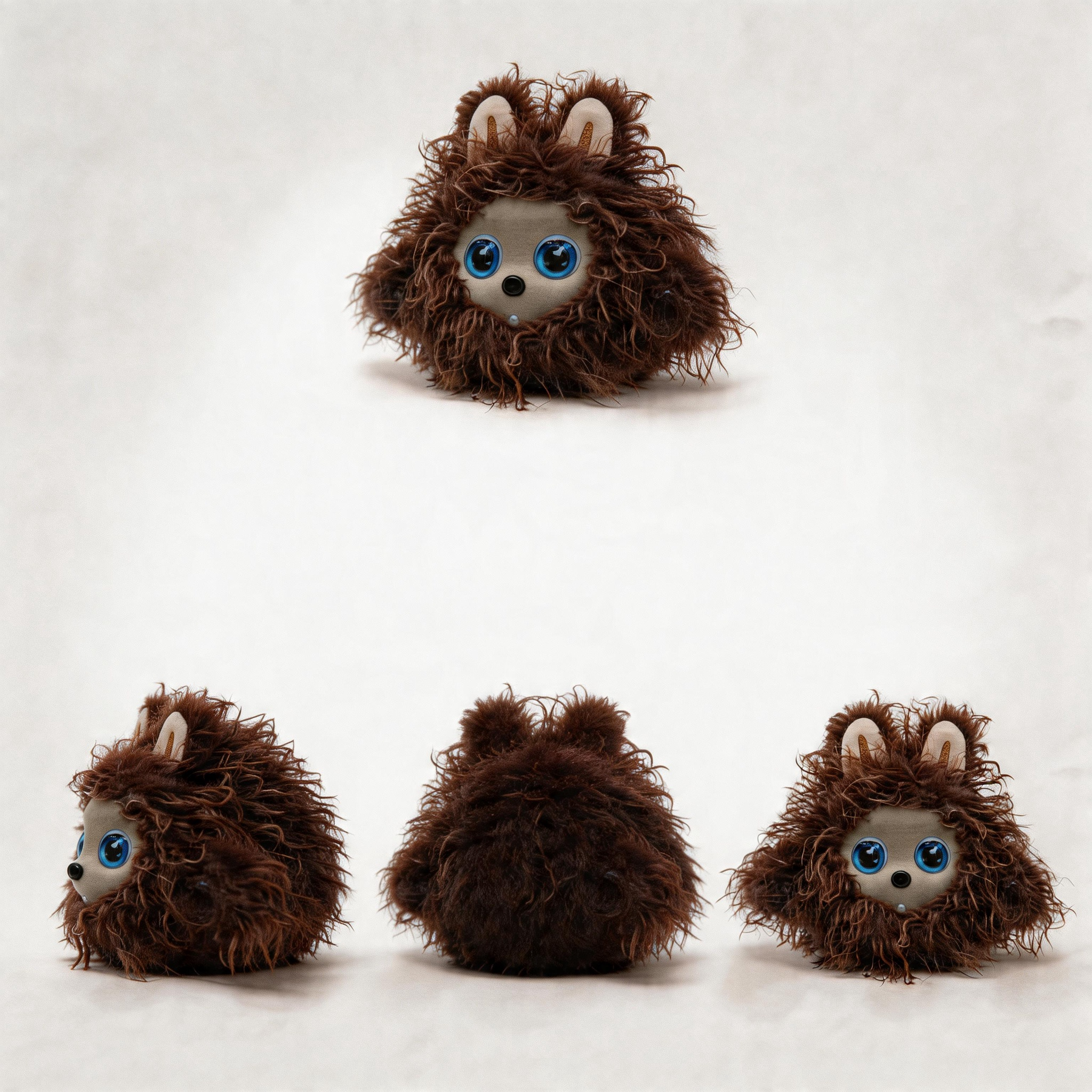
RG-AI-K01 2026 New Long-Eared Bunny AI Robot Plush Toy Smart Companion for Kids
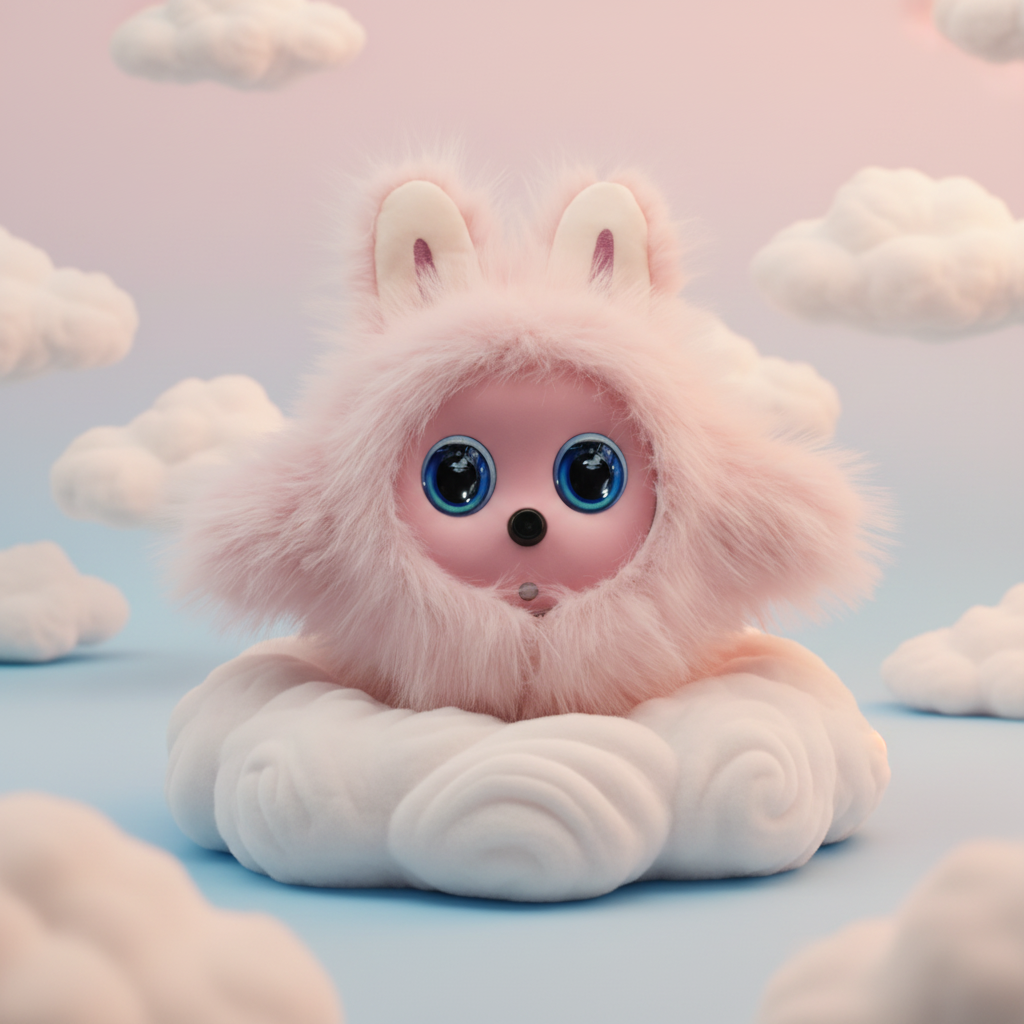
RG-AI-K01 Bulk Price Smart AI Robot Companion Bunny Plush Doll with Large Ears for Gifts
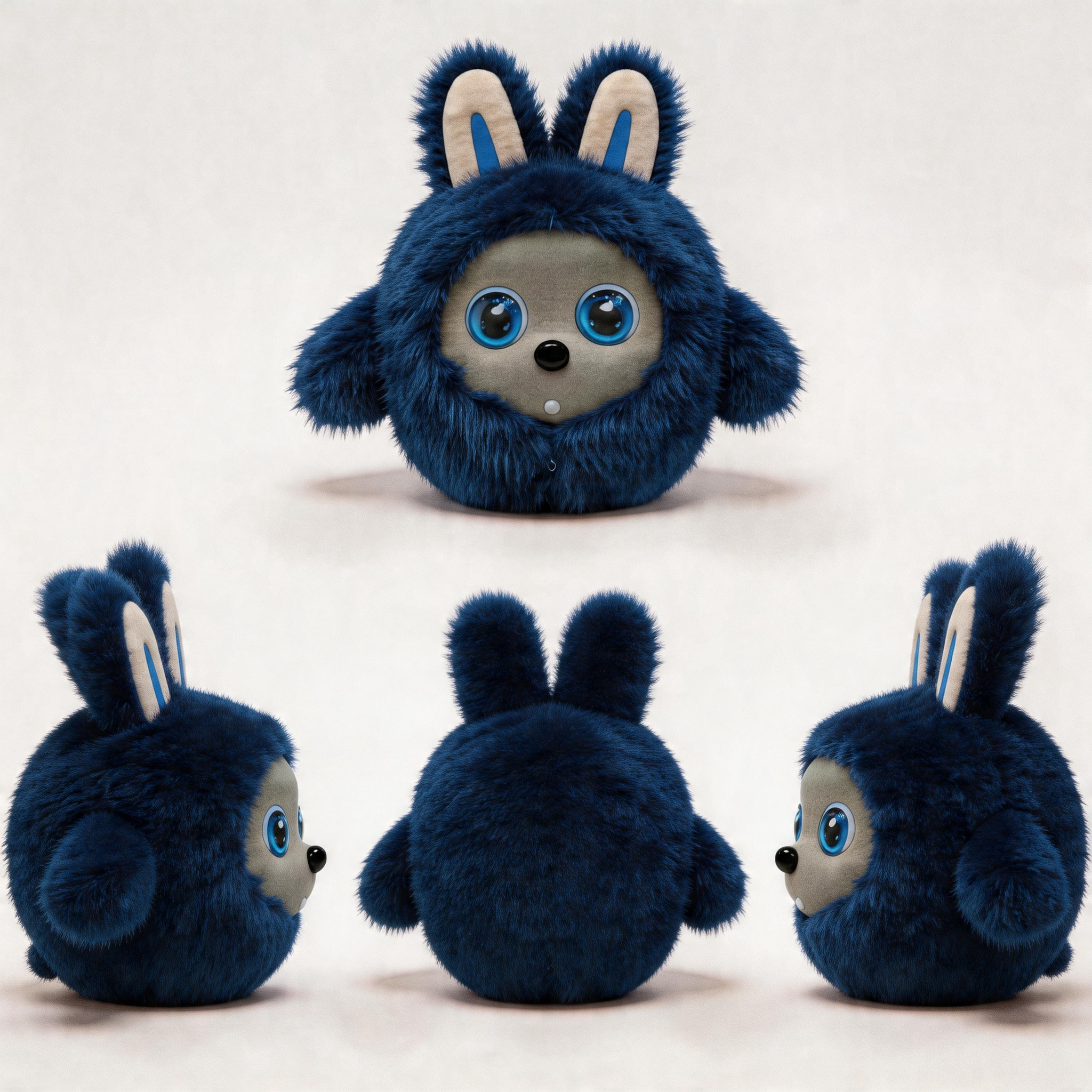
Factory Direct RG-AI-K01 Long-Eared Bunny AI Robot Plush Toy Smart Companion for Kids
The Norwegian Smart Toy Paradigm: Regulatory Rigor & Screen-Free Pedagogies
Norway represents one of the world's most sophisticated consumer markets for connected interactive consumer electronics, characterized by exceptional household purchasing power, early technological adoption, and unyielding regulatory scrutiny regarding child welfare and digital sovereignty. Norwegian municipal preschools (Barnehager) and discerning parents increasingly push back against passive screen time (tablets and smartphones), driving exponential commercial demand for tangible, conversational interfaces. The LCD Display AI Plush Toy addresses this exact cultural and pedagogical niche: it retains the emotional warmth, comfort, and sensory tactile grounding of an organic plush doll while leveraging localized micro-LCD eye displays to present vivid non-verbal social cues without triggering screen addiction.
However, successfully distributing AI-driven consumer toys in Norway necessitates navigating an intricate matrix of European Union and domestic standards enforced by the Norwegian Directorate for Civil Protection (Direktoratet for samfunnssikkerhet og beredskap - DSB), the Norwegian Communications Authority (Nkom), and the Norwegian Data Protection Authority (Datatilsynet). Suzhou ESPS Technology Co., Ltd. bridges this gap by offering engineered solutions where hardware compliance, child-first ethical data processing, and physical durability converge seamlessly into a unified supply chain.
Norwegian Regulatory Compliance Checklist for B2B Importers
Connected AI plush items imported into Oslo, Bergen, or Trondheim must strictly comply with the Toy Safety Directive 2009/48/EC (transposed into Norwegian law via Forskrift om sikkerhet ved leketøy), the Radio Equipment Directive (RED 2014/53/EU for Wi-Fi/Bluetooth wireless stacks), RoHS 2011/65/EU restriction of hazardous substances, and EN IEC 62115:2020 governing electric toys. Crucially, on-device audio gathering must meet GDPR Article 8 standards as strictly interpreted by Datatilsynet.
| Compliance Vector | Standard / Directive | ESPS Factory Engineering Implementation | Norwegian Market Risk Mitigation |
|---|---|---|---|
| Mechanical Safety | EN 71-1:2014+A1:2018 | Ultrasonically welded LCD bezels; 90N seam tensile reinforcement; torque-tested optical acrylic housings. | Prevents chocking hazards; passes Norwegian DSB destructive physical safety sampling. |
| Chemical Toxicity | EN 71-3:2019+A1:2021 & REACH | OEKO-TEX Standard 100 Class I virgin plush fabrics; heavy metal and phthalate-free casing. | Prevents endocrine disruptor penalties; aligns with Nordic Swan Eco-label sensibilities. |
| Data & Privacy Architecture | GDPR Art. 8 / Norwegian Personal Data Act | Edge-based wake word processing; zero biometric voiceprint retention; hardware mic-mute toggle. | Completely shields importers from Datatilsynet fines concerning children's personal data. |
| Wireless Radio & EMC | RED 2014/53/EU & EN 300 328 | Pre-certified 2.4GHz Wi-Fi / BLE 5.3 RF modules; low Specific Absorption Rate (SAR) shielding. | Guaranteed customs clearance via Nkom; zero RF interference with domestic networks. |
Localized Application Scenarios Across Norway
From municipal educational environments to Nordic eldercare wellness, our LCD AI plush robots provide purpose-driven utility tailored to Scandinavian demographics and lifestyle rituals.
Kindergarten (Barnehage) Linguistic Development
In Norwegian early education, pedagogical priorities center on exploratory play and emotional literacy rather than didactic screen lessons. Our RG-AI-K01 series acts as an interactive storytelling facilitator, speaking pure Norwegian Bokmål or regional dialects, using animated LCD eye micro-expressions to teach children how to recognize emotional nuances without visual fatigue.
Subarctic Winter Wellness & "Innekos"
During prolonged Scandinavian polar nights (mørketid), families spend extended periods indoors. The smart plush companion integrates circadian-friendly, low-blue-light LCD panels and soothing conversational routines. It serves as an affectionate bedtime relaxation companion, providing calming auditory narratives and ambient breathing haptics that soothe childhood evening anxiety.
Elderly Care & Dementia Therapy (Omsorgsbolig)
Norwegian municipalities are heavily investing in welfare technology (velferdsteknologi). Our tactile smart plush platforms are increasingly procured by specialized senior residences as therapeutic non-pharmacological tools for cognitive decline, stimulating memory recall through nostalgic folk music and non-threatening conversational companionship.
Bilingual Nordic-English Home Education
Norwegian parents place immense value on fluent English acquisition alongside their native tongue. Our firmware architecture supports instantaneous on-the-fly switching between standard Norwegian and native British/American English phonetics, providing real-time pronunciation guidance and vocabulary modeling within a stress-free play environment.
Strategic Trends Reshaping Norwegian Smart Toy Procurement
To maintain commercial leadership in the Nordic market, importers must adapt to tectonic shifts in consumer expectations, ecological regulations, and natural language technology.
1. Absolute Privacy via Edge AI Architectures
Following notable past investigations by the Norwegian Consumer Council (Forbrukerrådet) into insecure connected toys, Norwegian buyers reject unvetted cloud-streaming devices. The market trend has firmly pivoted toward on-device neural processing. Our models feature offline voice synthesis and localized semantic understanding for core conversational packages, eliminating unmonitored cloud uploads and ensuring ironclad family privacy.
2. Circular Materials & Ecodesign Mandates
Norway's climate goals require consumer electronics and plush manufacturers to adopt sustainable lifecycles. Importers favor toys built with GRS-certified (Global Recycled Standard) recycled polyester furs and PP cotton stuffings. Furthermore, modular design is mandatory: internal electronic cores, LCD sub-assemblies, and Li-ion power packs must be removable to permit textile shell laundering and responsible WEEE recycling.
3. Low-Temperature Lithium-Ion Resilience
Norwegian supply chain logistics involve prolonged sub-zero cargo transit during winter months, and outdoor winter pram storage remains standard kindergarten practice across Scandinavia. Conventional lithium batteries experience terminal voltage collapse below freezing. Our engineering integrates cold-resilient battery chemistries with integrated Seiko PCM protection circuits, ensuring operational safety from -20°C to +45°C.
Suzhou ESPS Technology: 16 Years of Precision Engineering Heritage
Founded in 2010 in Zhangjiagang, Jiangsu, Suzhou ESPS Technology Co., Ltd. began as a high-precision hardware fitting manufacturer, specializing in mechanical monitor mounts, ergonomic tablet stands, and specialized POS brackets. This deep heritage in tight-tolerance hardware fabrication directly informs our consumer electronics assembly today. While traditional plush factories frequently struggle with fragile electronic components and substandard wiring harnesses, ESPS integrates robust metal stamping, precision injection tooling, and optical display bonding under one audited roof.
Our verified 6,000㎡ industrial facility houses 69 specialized engineers, QC auditors, and assembly technicians, supplemented by an assessed alliance network of over 40 certified partner manufacturing facilities. This vertical integration allows Norwegian distributors, retail department store chains, and EdTech startups to source fully customized, certified AI plush products with zero third-party fragmentation.
SGS Onsite Assessed
Comprehensive third-party validation verifying production capacity, fair employee welfare, clean room assembly, and QA testing rigs.
Multi-Tier Quality Gate
Four-stage inspection: IQC for raw textiles/PCBs, IPQC for robotic voice calibration, FQC for drop/tensile safety, and OQC for packaging integrity.
Versatile Global Trade
Full support for standard trade terms including DDP (Delivered Duty Paid to Norwegian ports), FOB Shanghai/Ningbo, CIF Oslo, alongside flexible T/T settlement.
Frequently Asked Questions by Norwegian Importers
Essential technical, legal, and operational guidance addressing customs, testing protocols, linguistic tuning, and order management.
How do you verify compliance with the Norwegian Food Safety Authority (Mattilsynet) and DSB regarding toy materials?
Can ESPS deploy localized Norwegian Bokmål and Nynorsk text-to-speech (TTS) firmware?
What data architecture protects our brand from Norwegian Data Protection Authority (Datatilsynet) audits?
What are your Minimum Order Quantities (MOQ) for customized prototypes versus container loads?
How are Norwegian Customs (Tolletaten) clearance and 25% MVA (VAT) handled?
Are LCD display modules fragile during rough children's play or drops?
Launch Your CE-Certified AI Toy Line for Norway
Consult directly with our bilingual OEM engineering team. We provide complete technical data packages, EN 71 compliance files, physical design rendering, and rapid functional prototyping tailored to Nordic commercial retail standards.
