Featured Voice-Controlled AI Robotic Companions
Turnkey, EN71 and ASTM certified mechatronic platforms built on edge acoustic processors, multi-microphone arrays, and localized speech models tailored for international OEM/ODM retail brands.

Hot Selling RG-AI-K01 AI Robot Pet Soft Bunny Plush with Voice Interaction
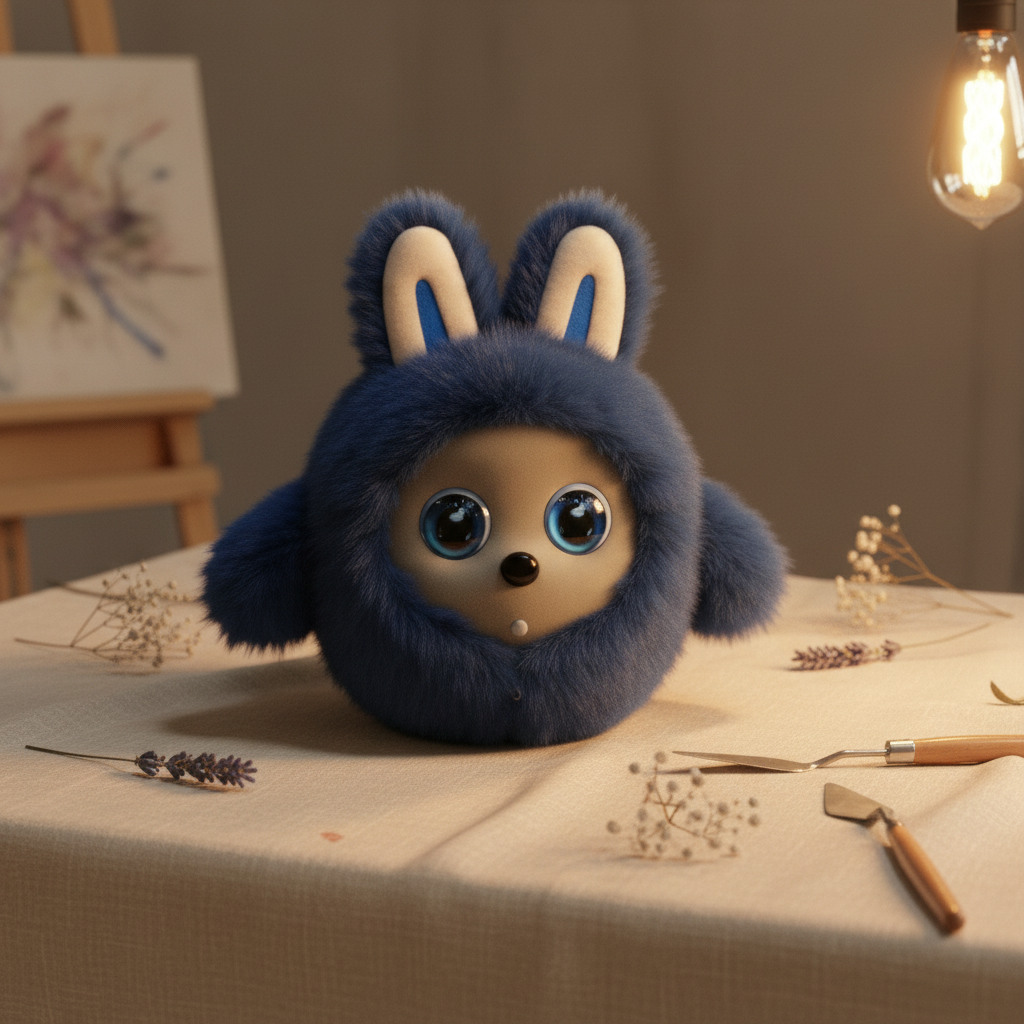
RG-AI-K01 Smart Robot AI Bunny Plush Toy for Children Early Education

RG-AI-K01 New Release Smart Robot AI Bunny Plush Toy Early Learning

RG-AI-K01 Talking Robot AI Bunny Plush Toy for Early Dialogue

RG-AI-K01 Top Ranking AI Educational Robot Bunny Plush Toy Smart Learning

RG-AI-K01 Smart Robot AI Bunny Plush Intelligent Conversation Soft Feel
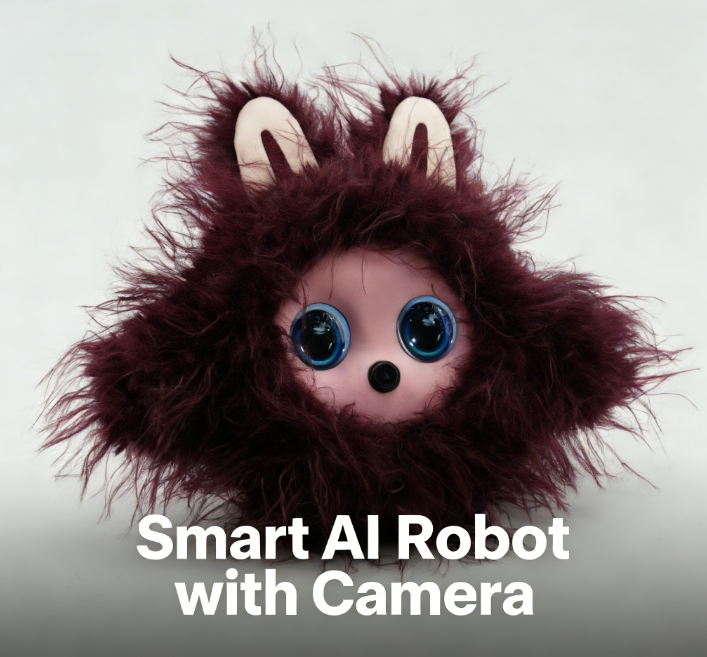
RG-AI-K01 AI Toy Robot Bunny Plush Companion Cute Interaction & Talking

RG-AI-K01 AI Robot Companion Bunny Plushie Smart Dialogue & Interaction
Demystifying Voice Control Mechatronics in Toy Manufacturing
How advanced acoustic beamforming, localized low-latency Digital Signal Processing (DSP), and soft plush integration converge to eliminate the standard pitfalls of children’s speech recognition.
The market for voice-controlled toys has undergone an aggressive paradigm shift. Traditional voice-chip novelties relied on rigid, single-command analog audio sensors that triggered canned audio tracks. Today's global toy importers demand adaptive edge-AI natural language processing (NLP) capable of deciphering non-linear syntax, high-pitch pediatric phonemes, and varied environmental acoustic conditions without violating stringent international children's data privacy regulations.
At Suzhou ESPS Technology Co., Ltd., we bridge the complex gap between mechanical rigidity and tactile softness. Located in Zhangjiagang, Jiangsu, our operational trajectory began in 2010 within precision mechanical engineering, high-tolerance displays, and automated mounts. This heavy manufacturing pedigree provides our smart toy division with an unparalleled advantage: we do not merely sew plush shells around generic third-party electronic boxes; we architect custom acoustic chambers, multi-microphone planar baffles, and heat-dissipating mechatronic skeletal frames designed specifically for continuous child-safe interaction.
Acoustic Far-Field Beamforming
Children rarely speak directly into microphones from standard acoustic distances. Our proprietary DSP mic arrays leverage differential time-of-arrival beamforming algorithms to isolate children's vocal frequencies (typically between 250 Hz and 3,000 Hz) while filtering out domestic television murmur, background motor hum, and acoustic seam resonance from internal robotic servos.
Localized Offline Inference Engine
Addressing privacy concerns such as US COPPA and EU GDPR-K, our flagship RG-AI series integrates robust on-device offline keyword spotting (KWS). Wake words such as "Hello Bunny" or custom customer wake phrases are executed entirely on silicon without pinging external server endpoints, eliminating network dropouts, reducing BOM latency to sub-200ms, and guaranteeing zero biometric leakage.
Thermal & Drop-Resistant Skeleton
Integrating lithium polymer cells and motorized articulation into a plush enclosure introduces thermal and mechanical vulnerabilities. ESPS implements fire-retardant VO-rated ABS internal shells with dedicated silicone shock dampeners, ensuring electronics endure 1.5-meter drop tests and prevent hot-spot surface escalation during charging or prolonged play cycles.
Future Sourcing Trends for Voice Control Toys
Key shifts retail buyers, supply chain executives, and brand distributors must account for over the next 3 to 5 years.
Procuring smart toys is no longer a localized transactional interaction based solely on FOB container prices. Major retail chains across North America, Western Europe, and the Asia-Pacific region are standardizing procurement frameworks around four transformative technological and regulatory pillars:
1. Zero-Trust Hardware Security
Toy safety now includes cyber security. B2B buyers must specify hardware root-of-trust (RoT) microcontrollers that protect firmware against unauthorized over-the-air (OTA) patching or voice hijacking, fulfilling both consumer product directives and cyber resilience mandates.
2. Emotional Multimodal Sensing
Voice is becoming multimodal. The next generation of voice-activated plush combines speech triggers with capacitive touch sensors in the ears and paws, six-axis gyroscopic gesture sensing, and RGB dynamic eye expressions to foster authentic emotional bonding.
3. Polyglot Code-Switching
Global distributors are shifting away from country-specific single-SKU models. Modern platforms support on-the-fly bilingual switching (e.g., English/Spanish, English/French, or English/Mandarin) loaded within unified flash memory to optimize inventory turnover.
4. Circular Eco-Acoustic Plush
ESG audits demand sustainable materials. Global buyers favor high-density rPET plush textiles derived from post-consumer recycled plastics, non-toxic water-based dyestuffs, and biodegradable acoustic mesh covers that do not muffle speech fidelity.
Voice Architecture Evaluation Matrix for Sourcing Teams
A systematic engineering comparison between conventional generic sound-box toys and ESPS advanced edge-AI intelligent companion robots.
| Evaluation Parameter | Legacy Low-Cost Sound Chip Toys | ESPS Intelligent Voice Robot (RG-AI Platform) | Strategic Procurement Benefit |
|---|---|---|---|
| Audio Input Sensor | Single omnidirectional electret condenser microphone (ECM) with no shielding. | Dual-MEMS differential array with acoustic waveguide and DSP noise-cancellation. | High accuracy recognition up to 3 meters away, even in noisy domestic settings. |
| Pediatric Voice Matching | Static acoustic thresholds; fails on varied vocal pitch or childhood lisps. | Dynamic spectral model optimized specifically for juvenile speech patterns. | Prevents child frustration, drives high product engagement, and slashes return rates. |
| Data Privacy Compliance | Unsecured cloud linkage or continuous active listening risks. | Certified on-chip inference with zero voice-data transmission or recording. | Full compliance with US COPPA, EU GDPR-K, and California Age-Appropriate Design Code. |
| Safety & Seam Integrity | Manual hand-stitching with minimal tensile pull documentation. | Double-locked computerized seams exceeding 90N pull-force tests (EN71-1). | Zero choking hazard risk from small internal electronic detachment. |
| Supply Chain Traceability | Multi-tiered subcontracting with fragmented sub-assembly quality. | Unified SGS-inspected Zhangjiagang plant + 40 controlled tier-1 component nodes. | Stable lead times, repeatable batch quality, and transparent factory auditing. |
Suzhou ESPS Technology: 16 Years of Export Excellence
Bridging high-tolerance mechanical engineering with cutting-edge emotional AI hardware.
Founded in 2010 in Fenghuang Town, Zhangjiagang, Jiangsu Province, Suzhou ESPS Technology Co., Ltd. has spent over sixteen years mastering export manufacturing for demanding international clients across North America, South America, Europe, Southeast Asia, and Oceania. Operating from an SGS-verified 6,000-square-meter facility with 69 verified production technicians and engineers, we operate an ISO 9001, ISO 14001, and OHSAS 18001 certified quality ecosystem.
Unlike traditional soft-goods suppliers who treat electronics as an afterthought, our heritage in heavy-duty commercial display mountings, tablet POS hardware, and ergonomic systems brings strict mechatronic discipline to plush manufacturing. Every electronic harness is vibration-damped, every lithium power circuit features redundant thermal cutoff fuses, and all raw textiles undergo incoming chemical analysis to guarantee zero phthalates, lead, or toxic colorants.
Turnkey OEM / ODM Spectrum
From sample-based reverse engineering to original clean-sheet styling, our in-house industrial designers, acoustic specialists, and software engineers turn client concept art into production tooling in as fast as 28 days, complete with customized multi-lingual speech libraries.
Two-Stage Rigorous QC Protocol
We enforce mandatory on-site raw material verification (AQL 1.0) on textiles, stuffing, and IC wafers, followed by 100% functional acoustic burn-in and pull-testing on fully assembled toys before packaging. Third-party testing reports accompany every export container.
Global Incoterm Agility
Whether you require FOB Shanghai, CIF Rotterdam, EXW Zhangjiagang, or full DDP delivery directly to regional fulfillment centers (such as Amazon FBA hubs across the USA and Europe), our international logistics desk manages export declarations, dangerous goods packaging for batteries (UN38.3), and customs clearance smoothly.
Frequently Asked Questions for Sourcing Voice Control Toys
Straightforward answers addressing MOQ, custom wake words, compliance, battery freight, and testing standards.
What is the standard Minimum Order Quantity (MOQ) for voice control toys?
Can the factory customize the wake word, voice content, and supported languages?
Which certifications and lab test reports are available for import clearance?
How do you address lithium battery transportation safety (air & ocean freight)?
What trade delivery terms and settlement methods do you support?
Ready to Engineer Your Custom Voice Control Toy Line?
Connect with our technical export directors today. Receive complete technical datasheets, certified test documents, compliance guidelines, and a comprehensive B2B quotation tailored to your market specifications.
