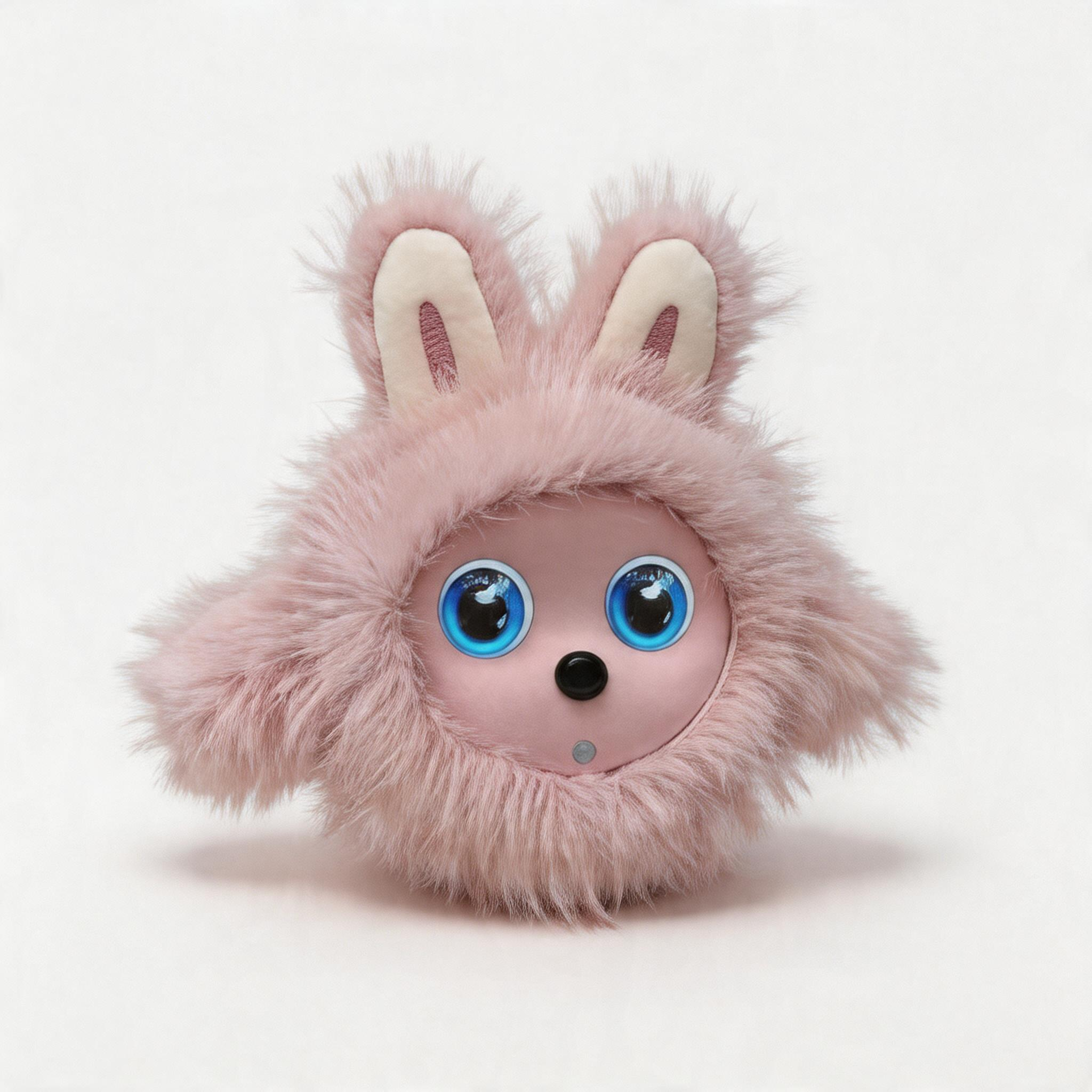
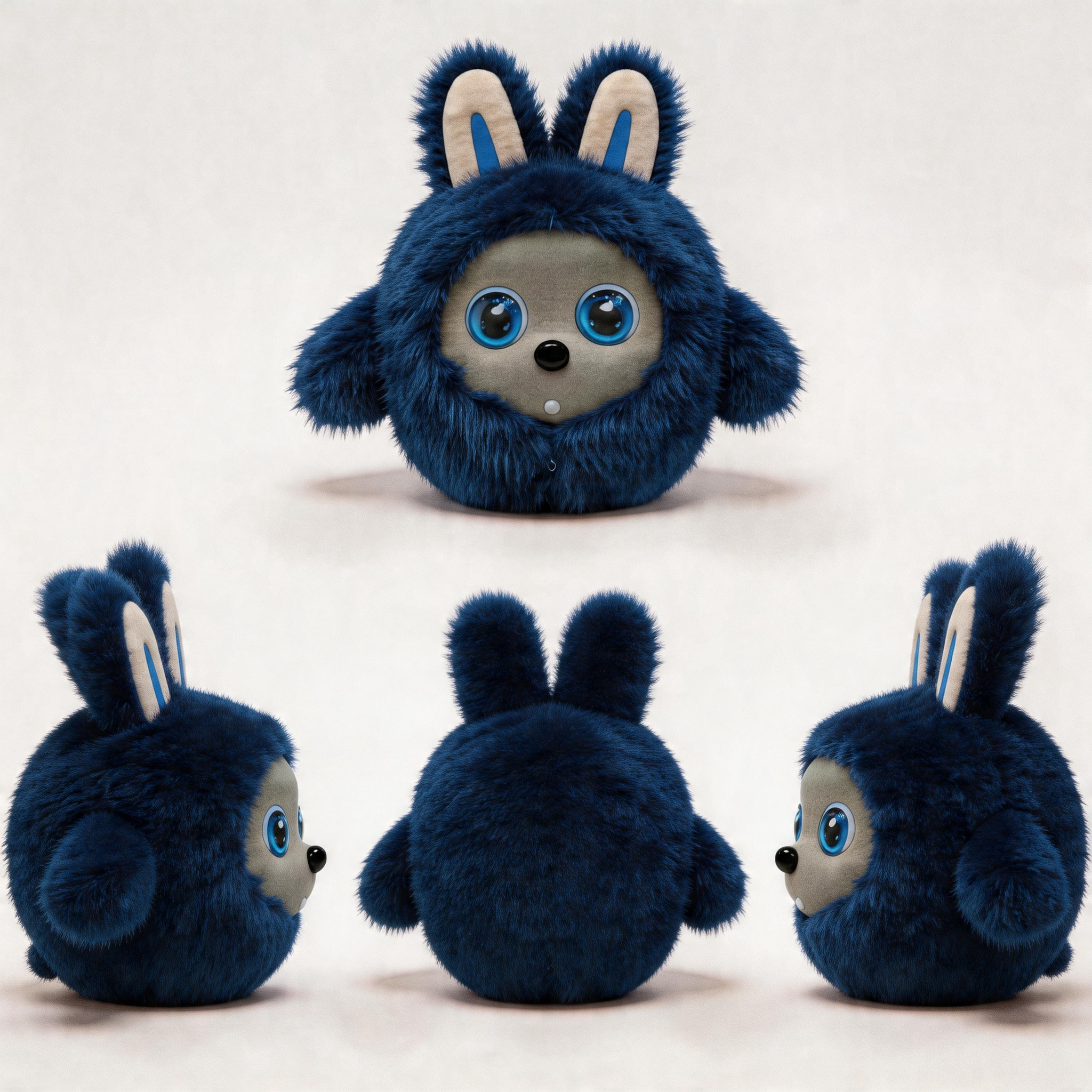
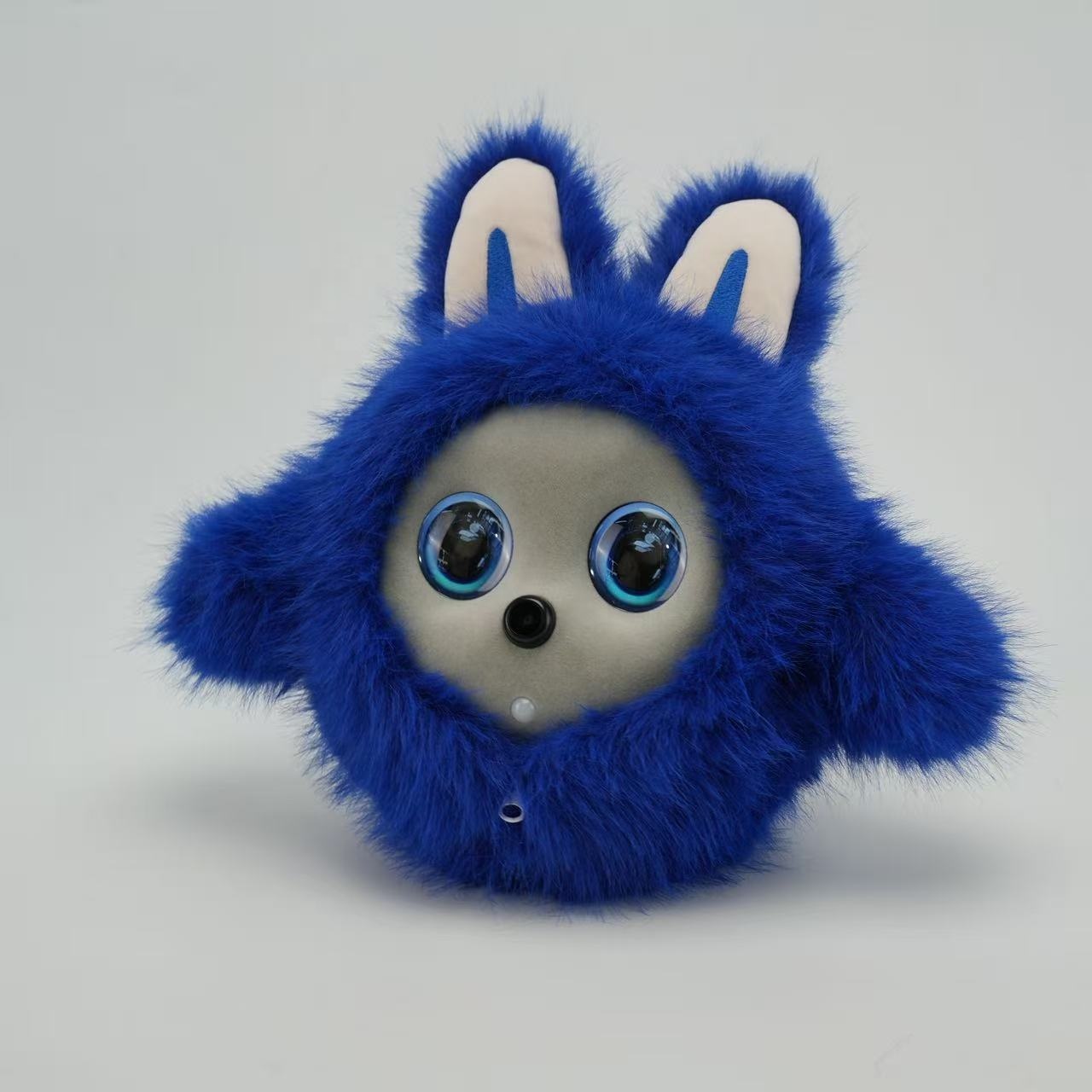
Top China Robotic Dog with Sound Factories & Exporters
An authoritative technical guide, market evaluation, and procurement roadmap for international toy importers, consumer electronics brands, and supply chain directors seeking certified acoustic robotic companions from verified Chinese OEM/ODM hubs.
Acoustic & Robotic Engineering: How China Factories Build Voice-Interactive Pets
In modern B2B sourcing, a "robotic dog with sound" or conversational animal companion is far more than an injection-molded shell with a buzzer. It represents the delicate convergence of micro-acoustic engineering, edge digital signal processing (DSP), motor vibration damping, and child-safe tactile industrial design.
Edge DSP & Far-Field Voice Pick-Up
Sourcing high-performance robotic dogs requires acoustic arrays capable of isolating voice commands from background noise. Our factories implement dual-microphone beamforming algorithms and localized DSP chips, ensuring 95%+ wake-word accuracy even while the robot's servo motors or internal gearboxes are actively articulating.
Acoustic Chamber Resonators
Tinniness and robotic distortion ruin user retention. We design miniature sealed sound cavities with customized bass-reflex channels embedded directly into the chassis. This delivers rich, natural canine barks, lifelike whimpers, and crisp educational dialogues without triggering plastic rattles or audio feedback loops.
Hardware-Plush Fusion & Thermal Dissipation
Integrating mechanical servos, high-density Li-ion battery packs, and audio modules inside soft, tactile plush presents severe thermal challenges. Our Zhangjiagang plant employs passive aluminum heat spreaders and fire-retardant internal skeleton brackets that maintain thermal equilibrium under 42°C throughout continuous runtime.
Verified Custom Manufacturer
Suzhou ESPS Technology Co., Ltd. — Your Single-Source China Partner
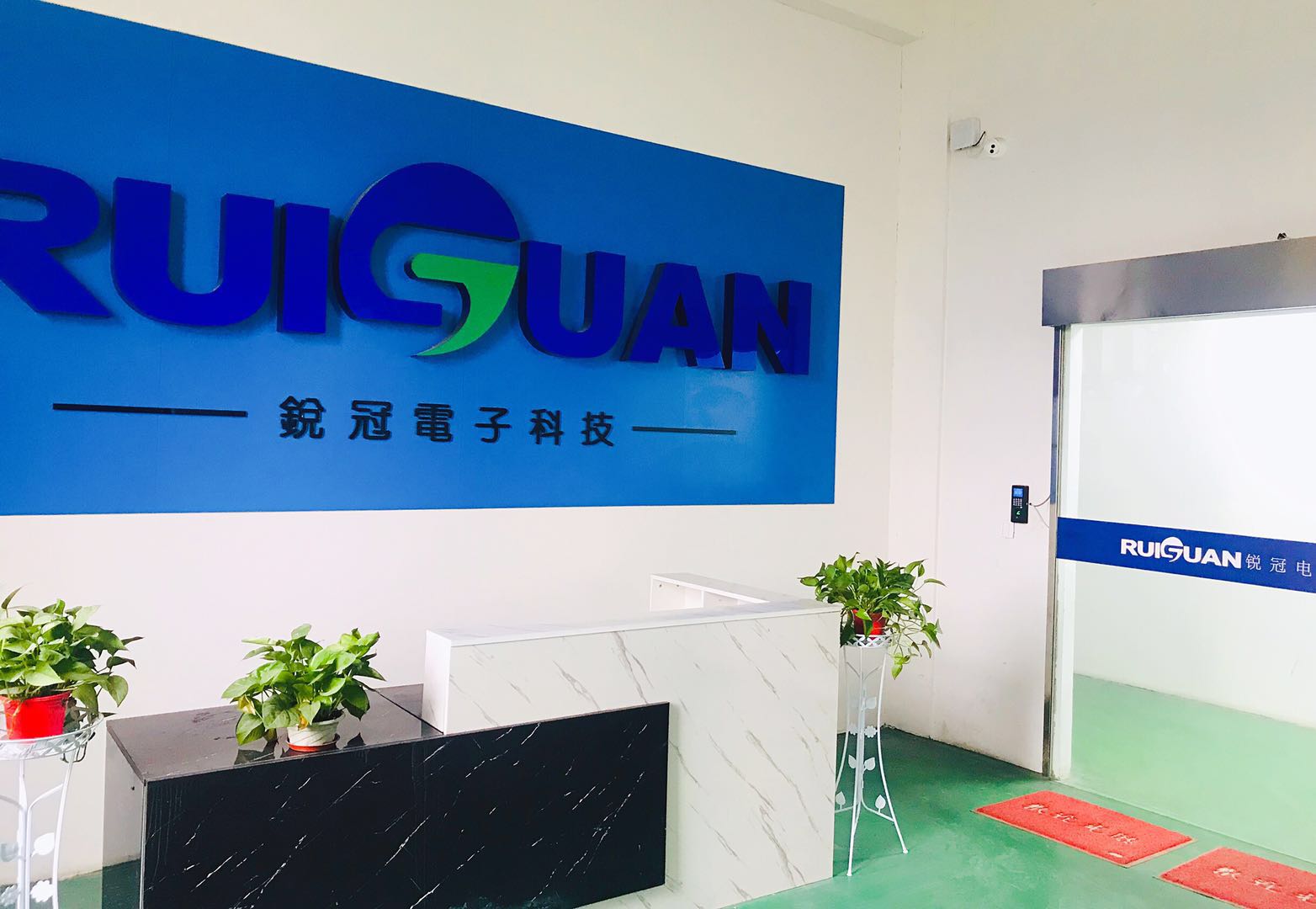
Founded in 2010 in Zhangjiagang, Jiangsu, Suzhou ESPS Technology Co., Ltd. is an SGS-verified manufacturer uniquely bridging high-precision mechanical engineering with advanced consumer electronics and smart interactive plush companions.
While standard toy trading houses broker between separate plush sewers and PCB assemblers—often causing catastrophic latency, mismatched sound cavities, and compliance failures—ESPS maintains complete in-house control over mechanical tooling, acoustic firmware calibration, plush patterning, and end-of-line electrical testing.
The ESPS Precision Pedigree: With 16+ years of heritage manufacturing high-precision display monitor arms, POS mounts, and commercial hardware brackets, our tooling tolerances and load-bearing QC exceed typical toy sector standards by over 300%.
SGS Onsite Assessed
ISO 9001 / 14001 / OHSAS 18001
69 In-House Skilled Technicians
Flexible Trade Terms (FOB, CIF, DDP)
Strategic Market Forecast
Future Sourcing Trends for Sound-Enabled Robotic Pets & Companions
Global buyer expectations are shifting rapidly from static repetitive playback toys toward generative, responsive, and eco-compliant robotic fauna. Procurement directors must align their RFPs with these four transformative vectors over the next 3 to 5 years.
1. Hybrid Edge-to-Cloud LLM Dialogues
Modern consumers reject static 8-second sound chips. Future robotic dogs combine instant offline low-latency sound effects (barking, purring, whimpering) with secure Wi-Fi / Bluetooth gateways connecting to localized LLMs for real-time natural language tutoring, storytelling, and emotional companionship.
Regulatory scrutiny under COPPA 2.0 (USA), the EU AI Act, and GDPR-K mandates that audio-enabled interactive toys strictly limit biometric storage. Procurement officers increasingly specify non-recording edge neural processors that execute voice commands without transmitting children's raw audio to external cloud servers.
3. Circular Eco-Materials & Recycled Polymers
European and North American retail giants now enforce sustainability thresholds across smart toy ranges. Sourcing contracts are prioritizing GRS-certified recycled polyester plush coverings, ocean-bound ABS robotic chassis, and non-toxic waterborne polyurethane outer coatings that meet zero-microplastic leaching criteria.
4. Modular Multi-Region Audio Localization
Global brands avoid single-region SKU lock-in by ordering modular audio daughterboards. A single robotic dog chassis can now be dynamically reflashed at final carton assembly with English, German, French, Spanish, Japanese, or Arabic speech algorithms, drastically lowering warehouse holding costs for cross-border retailers.
Regulatory Due Diligence
Global Certification Matrix for Voice-Interactive Robotic Pets
A robotic dog with acoustic output crosses three distinct regulatory categories: mechanical toy safety, radio-frequency spectrum emissions, and electro-chemical battery safety. Below is the mandatory compliance checklist every importer must verify before container release.
Regulatory Framework
Jurisdiction
Technical Scope for Robotic Sound Toys
ESPS Verification Status
EN71 Parts 1, 2 & 3
European Union / UK
Mechanical drop tests, seam tension (pull tests >90N), flammability, and heavy metal migration in plush skin and acoustic mesh.
Fully Documented
ASTM F963-17 / CPSIA
United States
Lead content (<90ppm), phthalate limits, battery compartment screw retention, and decibel limits (<85dB at 50cm for acoustic safety).
Fully Documented
FCC Part 15 Subpart B/C
United States
Electromagnetic compatibility (EMC) for microprocessor boards, oscillator clocks, and RF emissions from Bluetooth/Wi-Fi wireless modules.
Fully Documented
CE RED (Directive 2014/53/EU)
European Union
Radio Equipment Directive covering spectrum efficiency, safety, and acoustic disturbance thresholds for smart wireless companion robots.
Fully Documented
RoHS 2.0 & REACH
Global / EU
Restriction of hazardous substances in solder pastes, printed circuit boards (PCBs), micro-motors, and audio speaker magnets.
Fully Documented
UN38.3 & IEC 62133
Aviation / Maritime
Vibration, altitude, thermal shock, and external short-circuit qualification for internal rechargeable lithium-ion polymer cells.
Fully Documented
Procurement Knowledge Base
Frequently Asked Questions: Sourcing Robotic Sound Dogs from China
Direct technical answers to the most critical operational, financial, and manufacturing questions posed by international buyers during factory audits and contract drafting.
What is the typical Minimum Order Quantity (MOQ) for robotic dogs with sound?
For off-the-shelf catalog models featuring standard sound banks and standard fabrics, sampling begins at 1 to 10 units to allow for acoustic and physical validation. For standard branded production runs (custom logo placement, branded packaging, custom gift boxes), the baseline MOQ is 100 to 500 units. Full OEM/ODM custom developments—involving custom plastic injection molds, proprietary acoustic resonator development, or bespoke plush patterns—generally require 1,000 to 3,000 units to amortize tooling, mold fabrication, and firmware customization costs.
How do Chinese factories prevent mechanical servo motor noise from bleeding into audio recordings?
High-tier factories like Suzhou ESPS address electro-mechanical noise through three distinct engineering barriers: First, mechanical isolation utilizing silicone dampers between the gearboxes and the main outer shell to mitigate physical vibration transfer. Second, physical separation of the microphone port from motor heat sinks and drive gears. Third, firmware-level active noise cancellation (ANC) and low-pass filtering on the digital signal processor (DSP) that notch-filters out the predictable 200Hz–2kHz frequency signature generated by DC brushed motors.
Can the voice prompt, sound effects, wake words, and dialogue libraries be customized?
Yes. We provide complete voice and firmware customization. Importers can either supply their own pre-recorded .WAV / .MP3 sound assets (barking variations, multi-lingual dialogue scripts, character voices) or utilize our engineering team to synthesize neural AI voices. We can flash custom wake words (e.g., "Hey Rover!", "Hi Buddy!") directly into the ROM. Multi-lingual switching (such as English, Spanish, French, Japanese) can be configured via push-button triggers or automated app-based selection.
What quality control protocols are implemented during volume production?
Our ISO 9001 certified QA workflow encompasses: 1) Incoming Quality Control (IQC) inspecting fabrics, stuffing fiber cleanliness, battery protection ICs, and motor torque ratings; 2) In-Process Quality Control (IPQC) validating soldering joint integrity, pull-force on wired harnesses, and ultrasonic welding seal strength; 3) 100% Function & Acoustic Testing in sound-dampened test boxes verifying microphone sensitivity, decibel output (<85dB per toy standards), and dialogue logic; and 4) Final Random Inspection (AQL 1.5/4.0) covering drop resistance from 1 meter, seam tension test (>90N), and lithium battery cycle verification.
How are lithium-ion battery-powered robotic toys safely packaged and shipped internationally?
All internal lithium battery packs are certified under UN38.3 test summaries, IEC 62133 safety benchmarks, and accompanied by comprehensive Material Safety Data Sheets (MSDS). For ocean freight, products are classed under Section II of PI 966/967 (Lithium ion batteries contained in equipment) and loaded into fire-retardant outer export cartons with anti-static inner blisters. For air cargo express shipments, strict state-of-charge (<30% SoC) limits are maintained, and dangerous goods declarations are coordinated directly through our licensed freight forwarding network.
What international payment methods and Incoterms does your factory accept?
We maintain flexible B2B trade terms supporting FOB (Shanghai or Ningbo port), CIF, CFR, EXW, CIP, FCA, and full door-to-door Delivered Duty Paid (DDP) for buyers seeking hassle-free customs clearance and domestic delivery. Accepted payment mechanisms include wire transfer (T/T with a 30% deposit upon tooling/PO confirmation and 70% against the Bill of Lading copy), as well as irrevocable Letters of Credit (L/C at sight) for established enterprise accounts and high-volume container programs.
Launch Your Custom Robotic Pet Line with Confidence
Whether you require turn-key OEM manufacturing for existing voice-interactive models or ground-up ODM development from initial industrial sketches to retail-ready packaging, our Zhangjiagang engineering team provides rapid quoting within 24 hours.