Featured Interactive Musical & AI Robotic Companions
Engineered in compliance with EN 71, ASTM F963, CE, and FCC directives. Designed with premium sound-damping cavities, voice recognition chips, and skin-safe plush exteriors.
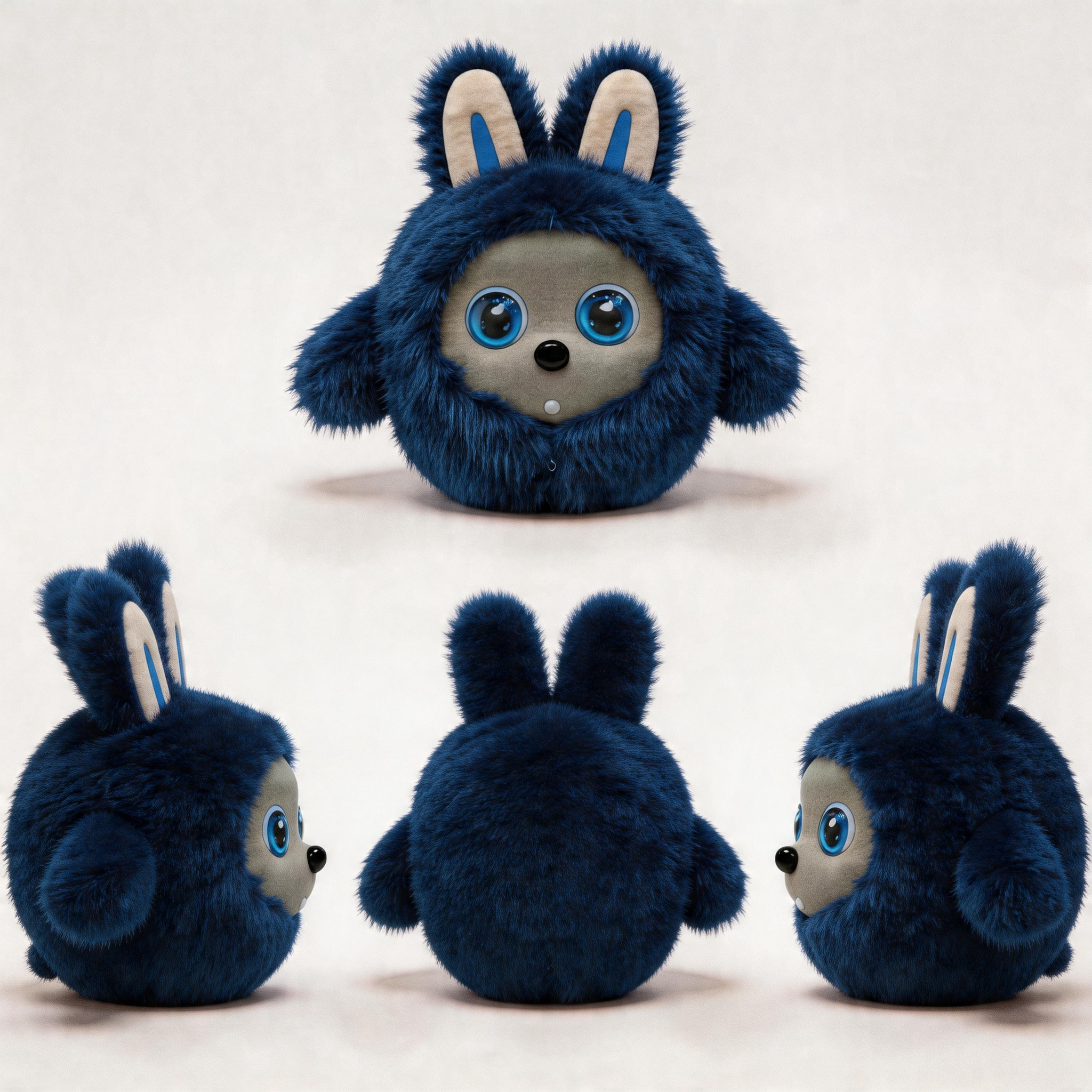
Factory Direct RG-AI-K01 Long-Eared Bunny AI Robot Plush Toy Smart Companion for Kids
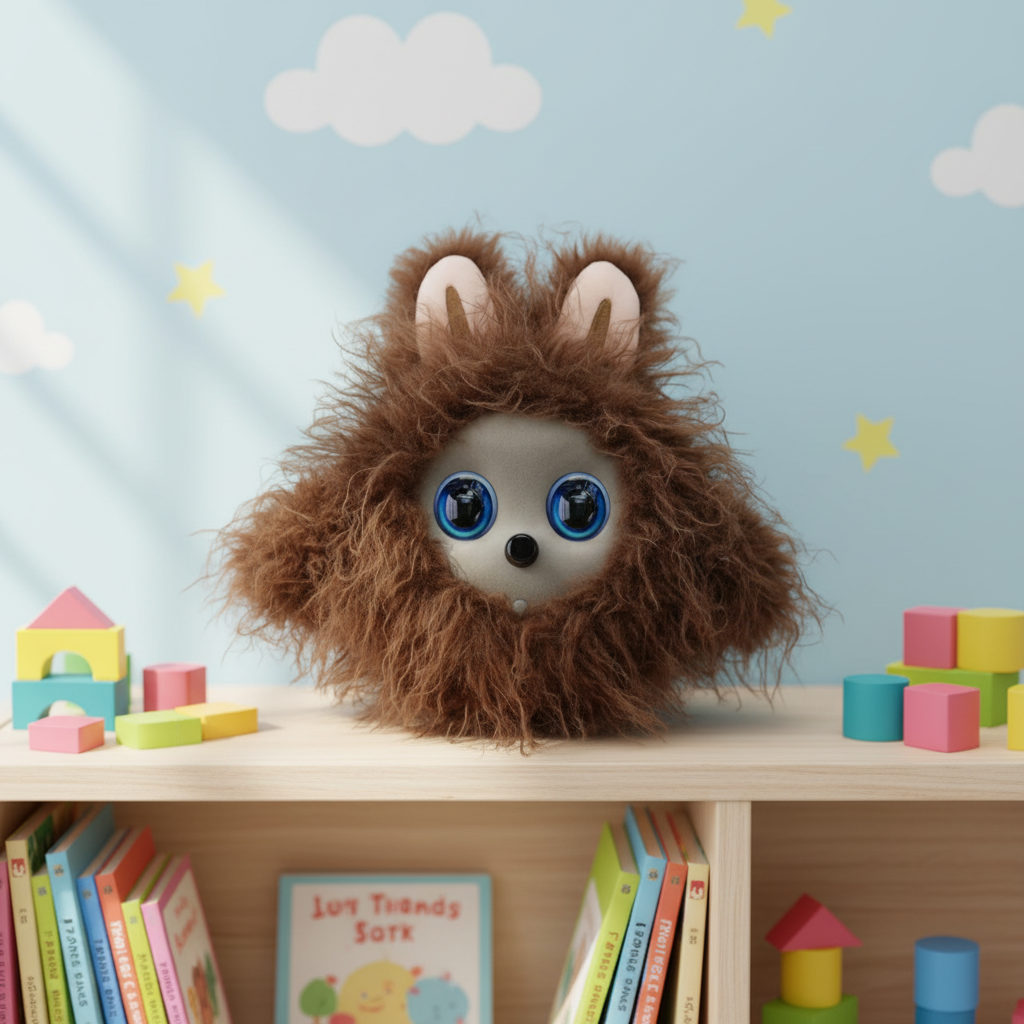
RG-AI-K01 Mini AI Robot Bunny Plush Toy with Intelligent Interaction and Talking
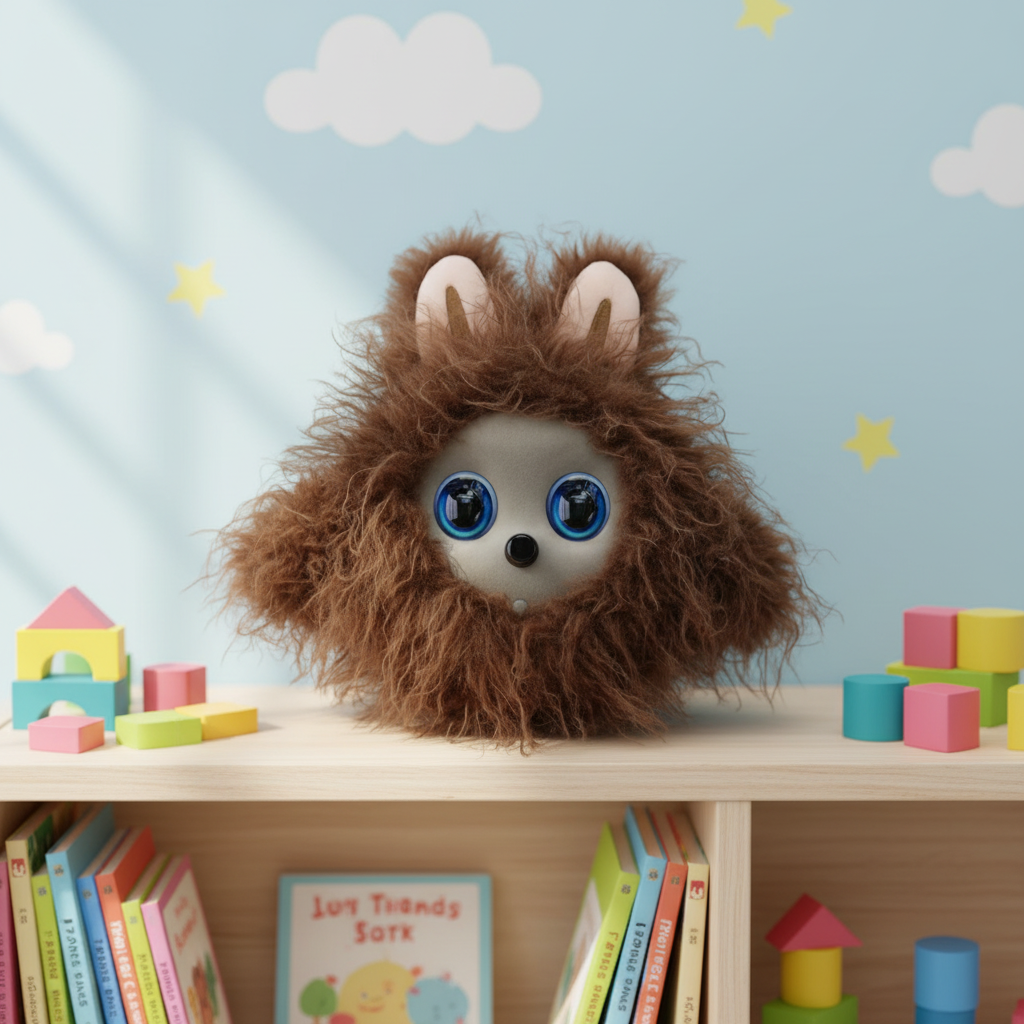
RG-AI-K01 Talking Robot AI Bunny Plush Toy for Children Early Learning and Dialogue

RG-AI-K01 Smart AI Robot Pet Plush Bunny for Interactive Fun and Daily Companionship
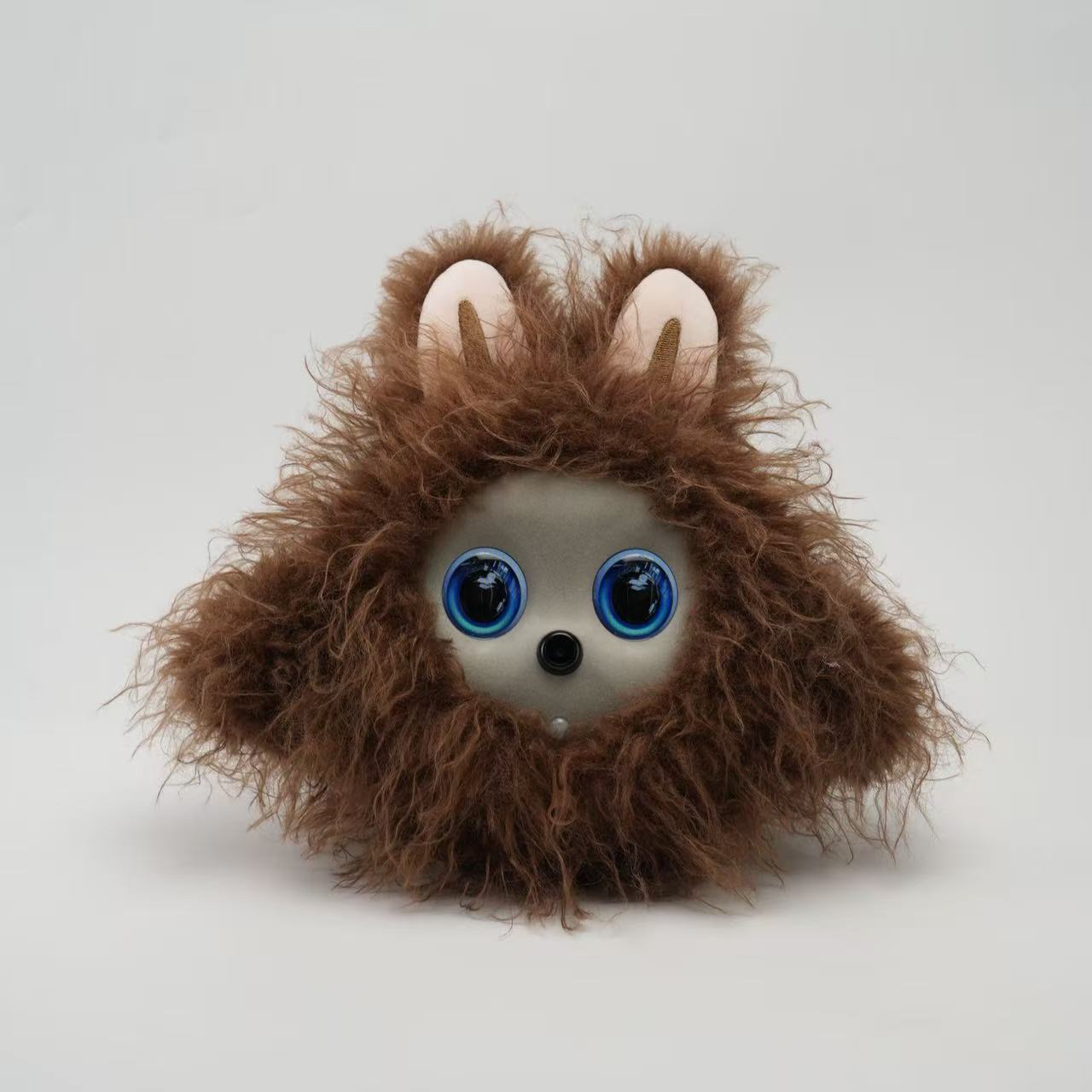
RG-AI-K01 Smart AI Robot Companion Bunny Plush Doll with Large Ears for Girls Gift
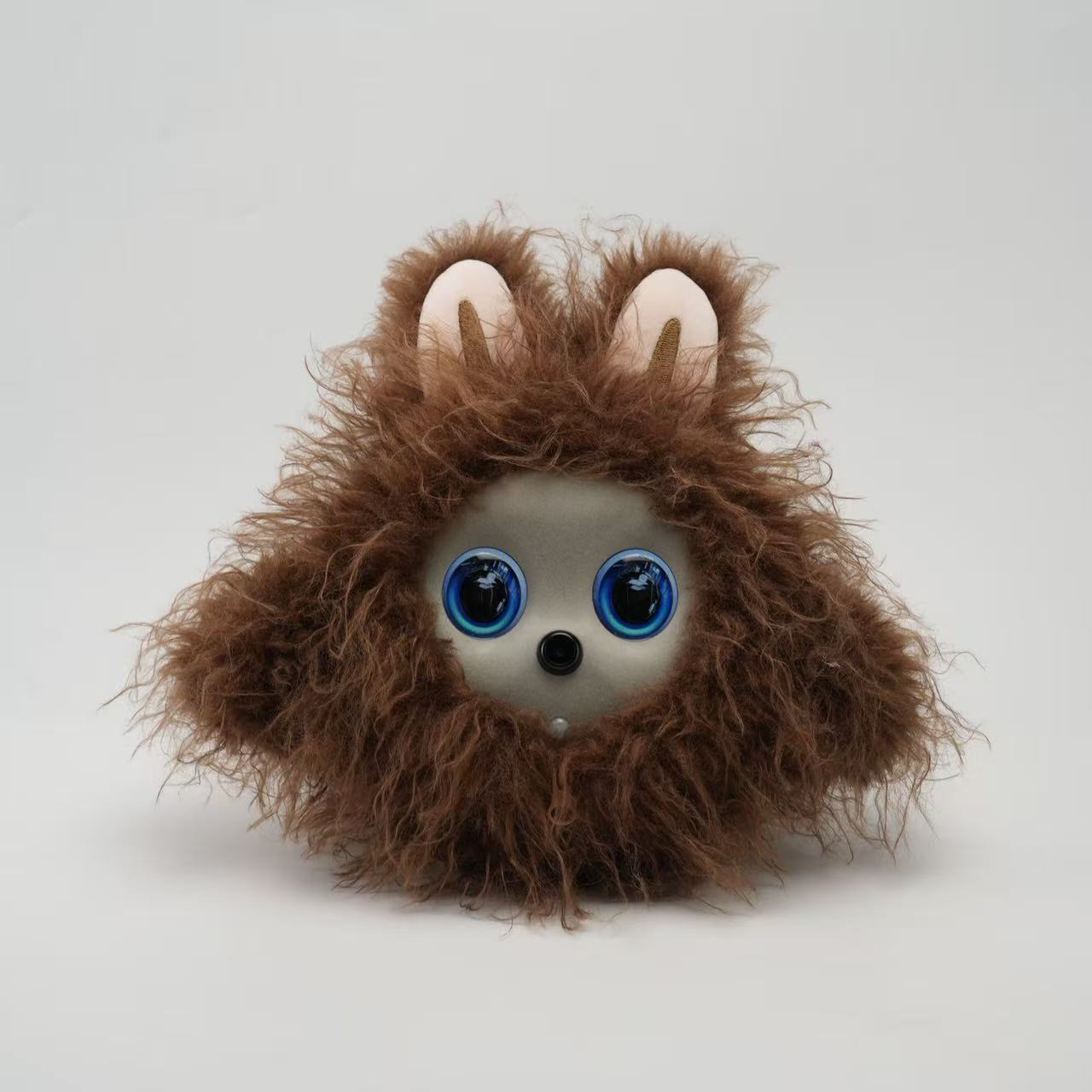
RG-AI-K01 AI Robot for Kids Smart Bunny Plush Companion with Voice Control
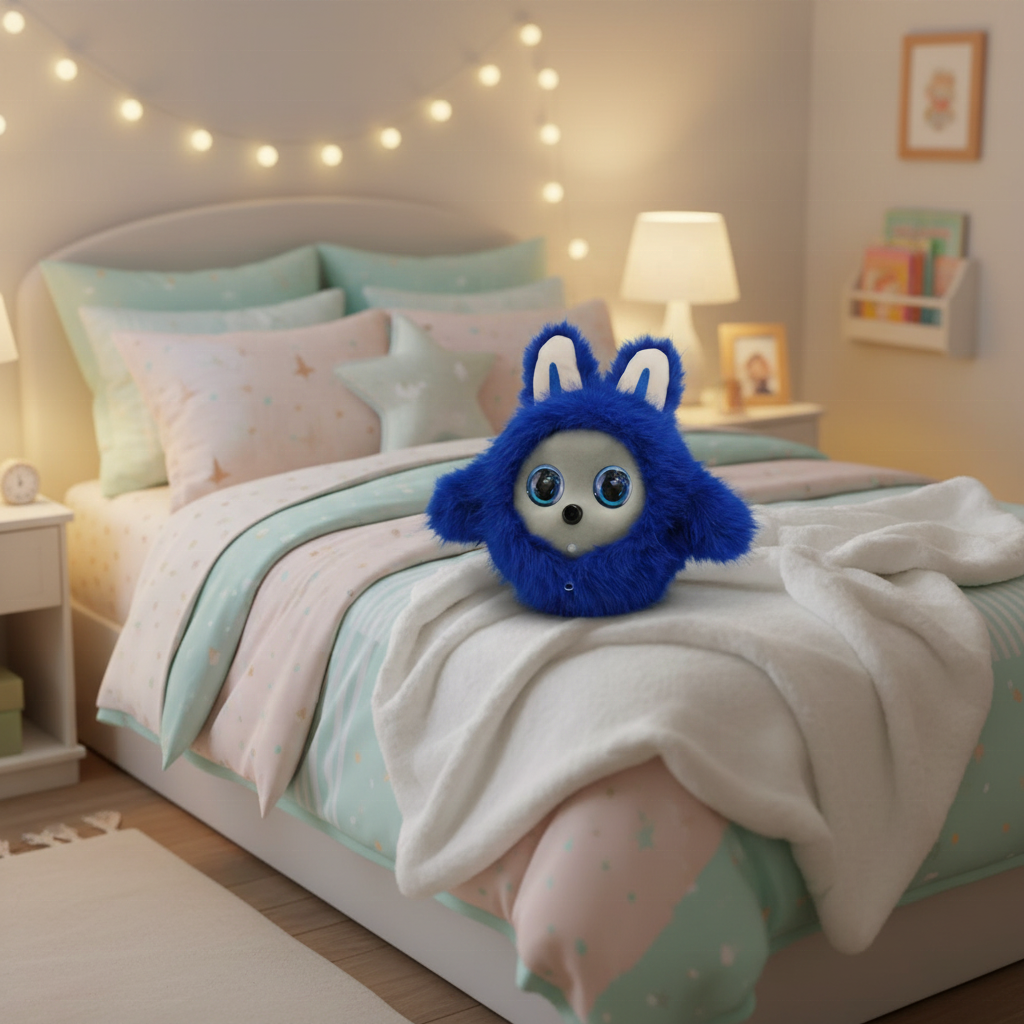
RG-AI-K01 AI Educational Robot Bunny Plush Toy with Smart Learning Mode and Dialogue
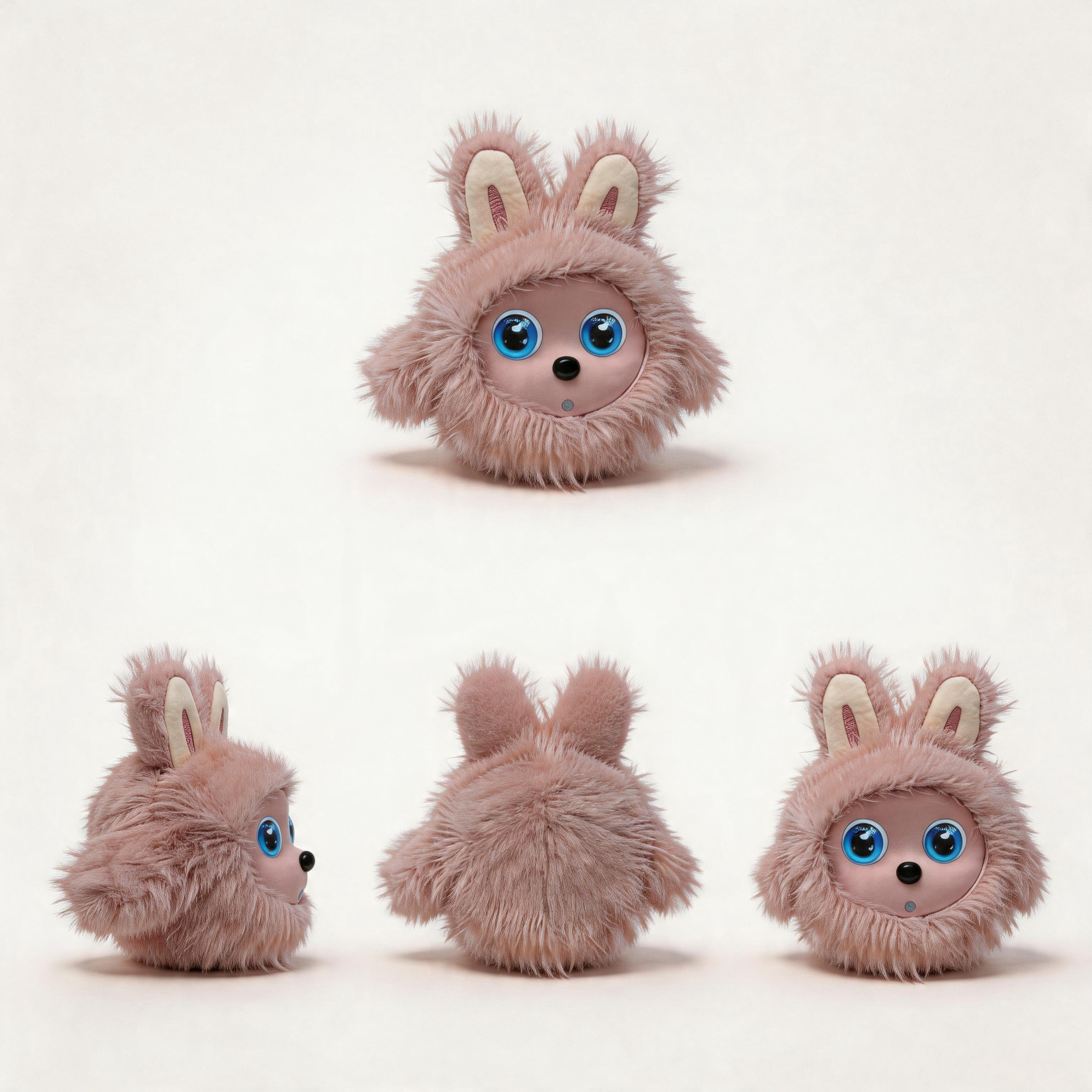
RG-AI-K01 New Design AI Robot Companion Bunny Plush Toy for Toddlers Learning
Suzhou ESPS Technology: 16-Year Precision Engineering Legacy
Headquartered in Zhangjiagang, Jiangsu, Suzhou ESPS Technology Co., Ltd. bridges the gap between mechanical hardware precision and child-safe conversational smart electronics.
Third-Party Verification & Toy Compliance
Unlike drop-shippers or unverified assembly sheds, our facilities have undergone comprehensive SGS Onsite Verification. We strictly satisfy ISO 9001, ISO 14001, and OHSAS 18001 standards.
- Complete physical testing for EN 71-1, 2, 3 mechanical & chemical limits
- EMC & RED testing for CE, FCC Part 15 Class B digital devices
- RoHS (2011/65/EU) & REACH SVHC screening on all micro-components
Deep Acoustic & Micro-Robotic Synergy
Born out of high-tolerance metal stamping and display bracket manufacturing, ESPS integrates mechanical damping directly into plush toys. This resolves motor humming during musical playback.
- Bespoke acoustic sound boxes preventing internal fabric resonance
- Kinematic joint isolation preventing gear chatter in rhythmic dance modes
- Proprietary sound pressure control keeping acoustic levels below 80 dB
Agile OEM/ODM & Global Trade Terms
From custom wake-word firmware flashing to localized packaging design and small-batch pilot validation, our bilingual engineering group ensures seamless technology transfer.
- Flexible trade terms: FOB, CIF, EXW, CIP, FCA, CPT, DDP, and DAF
- Multi-currency transactions (USD, CNY) via verified T/T banking channels
- Rapid prototyping cycles: custom plush shells & PCB tooling in 14-21 days
Technological Evolution: From Simple Soundboxes to Embodied Edge-AI
Understanding the transition of musical robot toys from static ROM playback modules to responsive, conversational companions with multi-modal acoustic recognition.
For over two decades, the conventional "musical toy" sector relied on rudimentary single-chip microcontrollers paired with low-grade piezo-electric buzzers or low-fidelity 0.25W magnetic speakers. These legacy architectures played back static, 8-bit mono MIDI melodies or compressed 16 kHz voice loops triggered by mechanical snap-action switches. However, modern consumer expectations, catalyzed by ubiquitous smart speakers and interactive voice agents, have caused a permanent structural disruption in the juvenile entertainment and early educational robotics market.
Today's top-tier China musical robot toy manufacturers operate at the nexus of three converging disciplines: Acoustic Engineering, Kinematic Synchronization, and Edge Natural Language Processing. Importers seeking enduring shelf-life and robust margins must recognize how foundational innovations are reshaping product viability across tier-one retail channels in North America, Europe, and Asia-Pacific.
| Engineering Domain | Traditional Musical Toy (Legacy Architecture) | Next-Gen Musical Robot (ESPS Technical Standard) |
|---|---|---|
| Audio Processing Unit (APU) | OTP (One-Time Programmable) 8-bit MCU; fixed ROM playback without equalization or dynamic range adjustment. | 32-bit DSP audio core with integrated Digital Audio Amplifier, onboard EQ profiles, and software-definable dynamic range compression. |
| Acoustic Cavity Design | Unsealed interior plush placement; motor mechanical noise couples directly with speaker output, causing audible buzz. | Acoustically isolated ABS baffle chamber with rubberized dampers; separates kinematic gear vibration from audio transducers. |
| Kinematic Synchronization | Uncalibrated DC motor drives driven directly by power rail; dance motions lose sync as battery voltage declines. | Pulse-Width Modulation (PWM) micro-steppers synced to acoustic beat-detection firmware algorithms via real-time interrupt pins. |
| Interactive Feedback | Mechanical press-button only; zero environmental awareness or sound adaptation. | Dual-MEMS microphone arrays with far-field acoustic echo cancellation (AEC), capacitive skin sensing, and directional voice localization. |
| Power Management | Non-rechargeable zinc-carbon/alkaline dry cells prone to internal chemical leaks inside plush cavities. | Rechargeable Lithium-Polymer cell (UN 38.3 & IEC 62133 certified) with thermal cut-off IC, overcharge protection, and Type-C input. |
A critical breakthrough reflected in our latest RG-AI series is the elimination of "acoustic bleed." In musical plush toys featuring motorized ear articulations, head panning, or walking gaits, internal high-RPM miniature motors produce significant electrical and mechanical noise. Our engineering division deploys silicon-damped motor housings, helical nylon gear trains, and custom-tuned decoupling capacitors across the motor terminals. This engineering nuance guarantees that whether the companion is singing a rhythmic educational lullaby or engaging in conversational English dialogue, sound reproduction remains crystal clear at compliant decibel limits (<80 dB measured at 50 cm).
Future Sourcing & Procurement Trends (2025–2030)
Navigating compliance hurdles, material circularity, tariff shifts, and firmware security in international children's robotics procurement.
Multi-Language Firmware Localization
Global toy importers are pivoting away from monolithic single-market SKUs. Sourcing trends prioritize unified hardware motherboards featuring multi-bank flash memories that accommodate OTA (Over-The-Air) or factory-flashed multilingual voice databases.
ESPS maintains native linguistic databases covering North American English, Latin American Spanish, Parisian French, German, and standard Japanese, facilitating localized marketing without requiring physical re-tooling.
COPPA, GDPR-K & Audio Privacy Compliance
Regulatory bodies in the US (FTC) and EU (EDPB) are intensifying scrutiny over voice-enabled connected toys. The sourcing trajectory favors "Local Offline AI" architecture—where speech recognition, song triggers, and emotional dialogue occur entirely on the toy's local neural MCU.
By avoiding non-consensual voice cloud uploads, our B2B partners mitigate the massive legal liabilities of the EU AI Act and COPPA regulations.
Chemical Neutrality & Circular Packaging
Importers in the EU face mandatory corporate ESG audits. Modern musical plush robotics must pass stringent tests for phthalates, cadmium, polycyclic aromatic hydrocarbons (PAHs), and organic tin compounds.
ESPS implements high-grade flame-retardant PP cotton and recycled polyester (rPET) plush covers with Oeko-Tex Standard 100 certification, packaged in FSC-certified retail cartons ready for automated distribution centers.
Frequently Asked Questions for B2B Importers
Direct technical and operational answers from our export engineering and logistics desks.
