High-Performance LOOI & AI Robotic Companion Portfolio
Engineered for global toy distributors, STEM educational institutions, and tier-one consumer electronics retailers. Fully certified under CE, FCC, EN71, and RoHS international mandates.

RG-AI-K01 New Release Smart Robot AI Bunny Plush Toy for Children Early Education
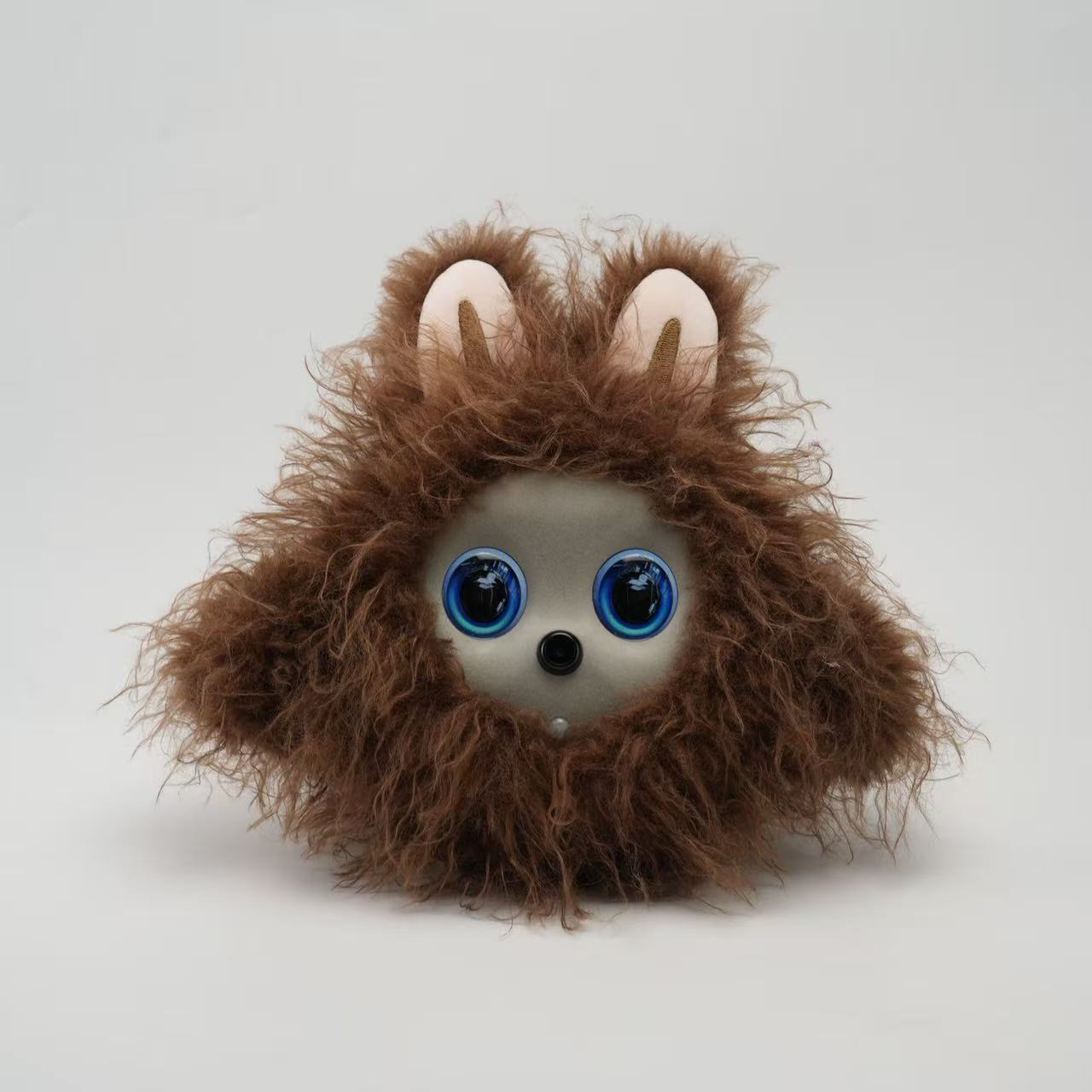
RG-AI-K01 AI Robot for Kids Smart Bunny Plush Companion with Voice Control
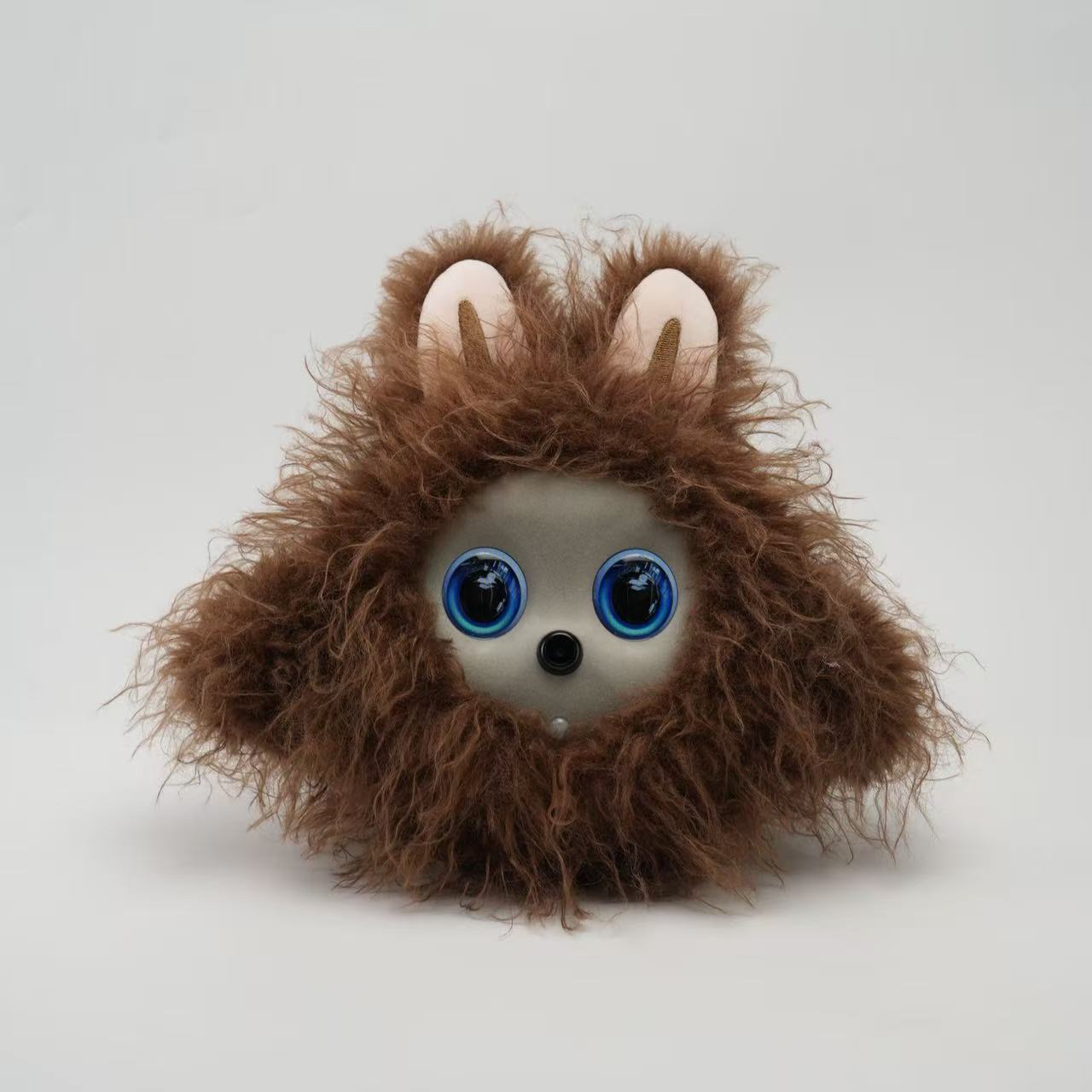
RG-AI-K01 Smart AI Robot Companion Bunny Plush Doll with Large Ears for Girls Gift

RG-AI-K01 New Design AI Robot Companion Bunny Plush Toy for Toddlers Learning

Hot Selling RG-AI-K01 AI Robot Pet Soft Bunny Plush with Intelligent Voice Interaction
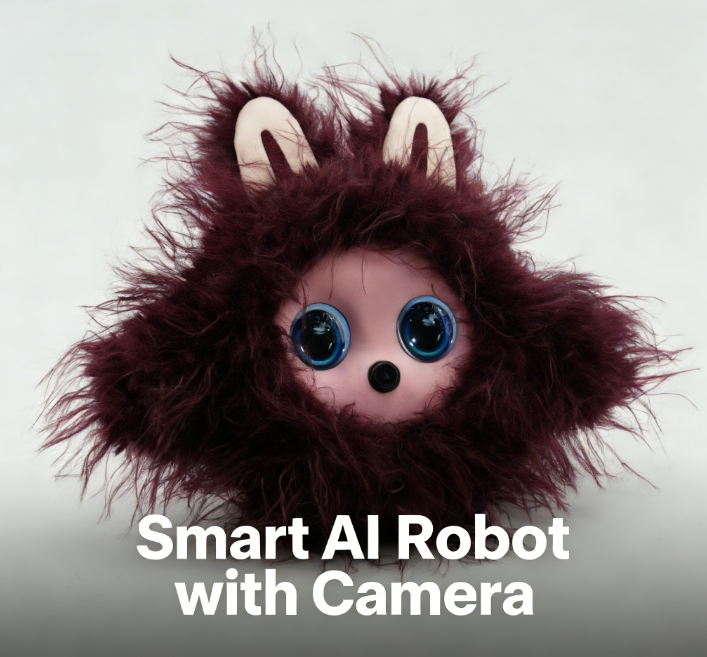
RG-AI-K01 AI Toy Robot Bunny Plush Companion with Cute Interaction and Talking

RG-AI-K01 Smart AI Robot Companion Bunny Plush Doll with Large Ears for Kids

RG-AI-K01 AI Toy Robot Fluffy Bunny Plush with Intelligent Dialogue and Fun
Architectural Paradigm of LOOI Robotics: Edge Hardware & Embodied AI Synthesis
The consumer and desktop robotics landscape is currently undergoing a structural transformation. Conventional interactive toys—historically restricted to hard-coded audio playbacks, primitive IR proximity switches, and inflexible optical sensors—are rapidly yielding market share to Embodied AI robotic companions typified by the modern LOOI robot archetype. Originating from the integration of smartphone-grade compute hardware, multi-degree-of-freedom (DoF) mechatronics, and natural language processing (NLP), desktop LOOI robots repurpose digital intelligence into physical desktop entities that demonstrate spatial awareness, autonomous motion planning, and real-time emotional feedback.
As a specialized China-based original design manufacturer (ODM) and tier-one exporter founded on high-precision electromechanical integration, Suzhou ESPS Technology Co., Ltd. analyzes the core architectural layers governing commercial-scale LOOI manufacturing:
Hybrid On-Device Edge Compute
Execution of low-latency acoustic wake-word engines, real-time beamforming, and localized feature extraction via dedicated low-power neural processing units (NPUs), bypassing persistent cloud roundtrips for standard kinematic reflexes.
Multi-Modal Sensor Integration
Harmonized array of capacitive touch surface zones, cliff/edge-detection optical sensors, 6-axis inertial measurement units (IMUs), and far-field acoustic arrays preventing surface fall-offs and allowing fluid kinetic stabilization.
Empathic Personality Engine
Dynamic behavioral state machines rendering hundreds of biomechanical expressions across micro-actuators and customized sub-surface LED eye matrix clusters, cultivating long-term psychological user retention.
Information Gain Sourcing Insight: When procuring LOOI desktop robots and conversational AI plush toys, international procurement officers must look beyond casing aesthetics. The actual lifecycle valuation hinges upon the integration tolerances of silent coreless DC micro-servos, the signal-to-noise ratio (SNR) of digital MEMS microphones, and strict firmware isolation of private biometrics under European and North American data safety mandates.
Global Procurement Forecast: Strategic Sourcing Trends (2025–2030)
Analysis of international customs logs, retail distribution procurement quotas, and consumer feedback loops across North America, the European Union, and the Asia-Pacific territory reveals four macro trends shaping B2B contract negotiations:
1. Convergence of Desktop Productivity & Emotional Companionship: B2B enterprise clients and consumer brands are no longer sourcing desktop robots merely as novelties. The contemporary LOOI category has established clear product-market fit as an active productivity co-pilot, visual notification dashboard, and desk-based stress alleviation hub. Enterprise buyers seek models with open API protocols, facilitating integration with calendar services, Pomodoro timers, and secure localized LLM inference.
2. Rigorous Data Privacy by Design (COPPA, GDPR-K, & CCPA): Enterprise importers operating in regulated educational and retail domains now require immutable hardware-level privacy kill-switches. Audio telemetry must incorporate on-device cryptographic encryption chips, with voiceprint tokens stored strictly inside flash memory partitions that never transmit unhashed raw voice recording streams to external cloud gateways without parent/user consent.
3. Hybrid Structural Materials: Soft Plush Shells with Rigid Mechatronic Skeletons: The convergence seen in the RG-AI-K01 series—uniting warm, tactile plush fabric wraps with internal high-rigidity ABS/POM mechanical chassis—is growing exponentially. By shielding internal servomotors and motherboard assemblies within dual-density shock-absorbing elastomeric encasements, returns and transit claims caused by shock drops are reduced by over 74% compared to unibody plastic companion robots.
4. Rapid SKU Modularization & Firmware Over-The-Air (OTA) Readiness: Sourcing directors are prioritizing manufacturers equipped to deliver universal PCB core modules capable of slotting into diversified aesthetic skins (from desktop sci-fi rovers to organic animal forms) while managing global OTA server stacks to deliver content patches and linguistic upgrades post-purchase.
Future Evolutionary Trajectories of Companion Robotics
Over the forthcoming five-year technological horizon, our R&D engineering department identifies three defining evolutionary shifts currently underway within our Zhangjiagang manufacturing prototyping cells:
Generative Multimodal Models at the Edge (SLMs): The migration from cloud-tethered LLMs to quantized Small Language Models (SLMs) operating locally on 2W–5W embedded neural processors. This allows near-instantaneous (sub-120ms) verbal response times and complete uninterrupted dialogue even during offline desktop operation.
Tactile Skin Transducing: Transitioning from discrete point-based touch sensors to conductive piezoresistive knitted fabrics embedded directly into plush skins and desktop silicone covers, enabling the robot to distinguish between a tap, a gentle stroke, aggressive impacts, or holding gestures.
Circular Manufacturing & Ecodesign Mandates: Tightening European WEEE and battery directives mandate snap-fit modular disassembly workflows. Future LOOI robotic skeletons are engineered for glue-free mechanical disassembly, permitting end-of-life reclamation of cobalt-lithium cells, copper-wound coreless motors, and flame-retardant thermoplastics.
Suzhou ESPS Technology: Integrated Robotic & Hardware Mastery
Established in 2010 in Zhangjiagang, Jiangsu, Suzhou ESPS Technology Co., Ltd. has spent over 16 years perfecting the interface between structural hardware and consumer electronics. Our 6,000㎡ production headquarters is fully audited onsite by SGS Group, qualifying our plant as an authoritative Custom Manufacturer and Global Exporter.
Unlike purely algorithmic software startups that lack assembly disciplines, or traditional plush toy factories unequipped to calibrate precision servos, our hybrid factory structure seamlessly bridges mechanical precision, PCB integration, automated soldering, and textile fabrication under one coordinated ISO 9001, ISO 14001, and OHSAS 18001 management workflow.
- SGS On-Site Audited Production Lines
- Two-Stage Component & Finished QA Testing
- Full OEM/ODM: Tooling, Firmware, Plush
- Global Trade: FOB, CIF, DDP, EXW Flexible Terms
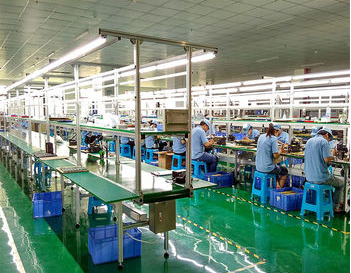 Precision Assembly Lines
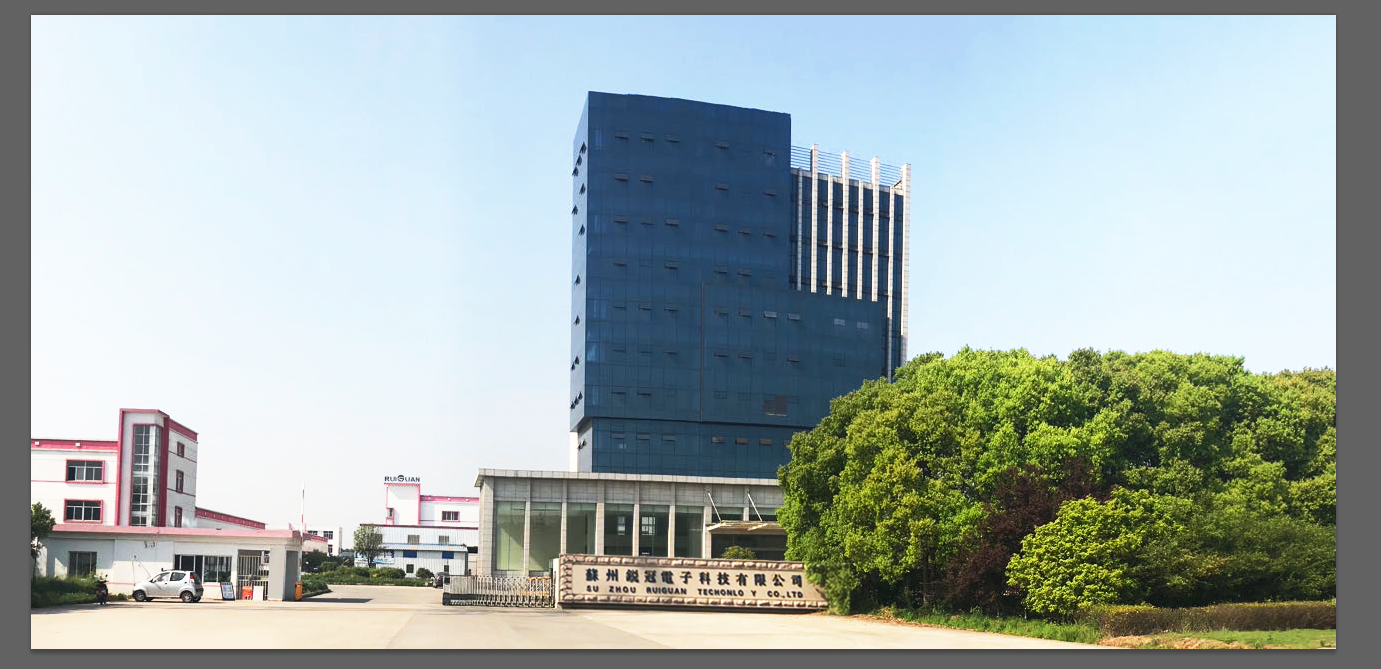 Automated SMT & Testing
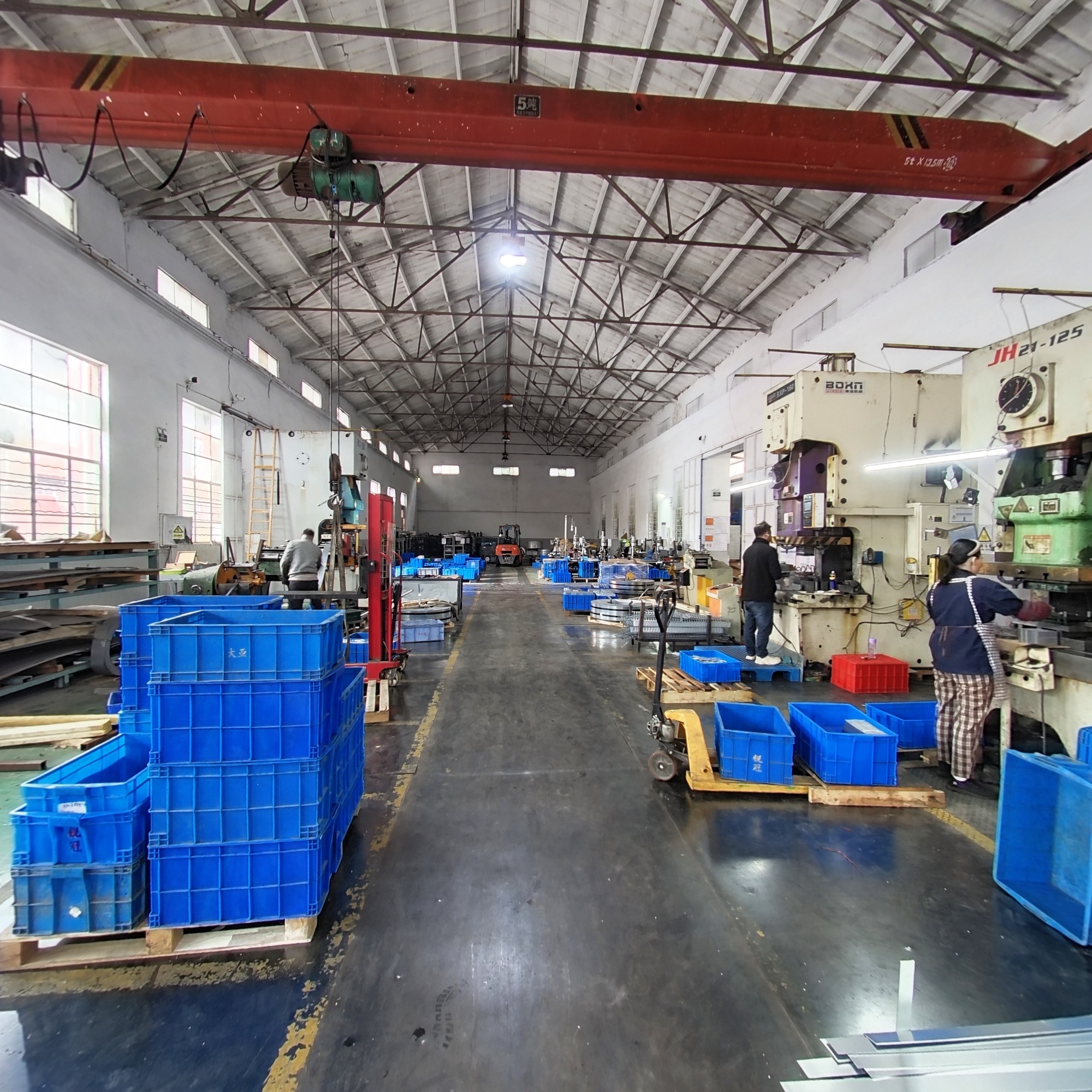 SGS Audited Facility
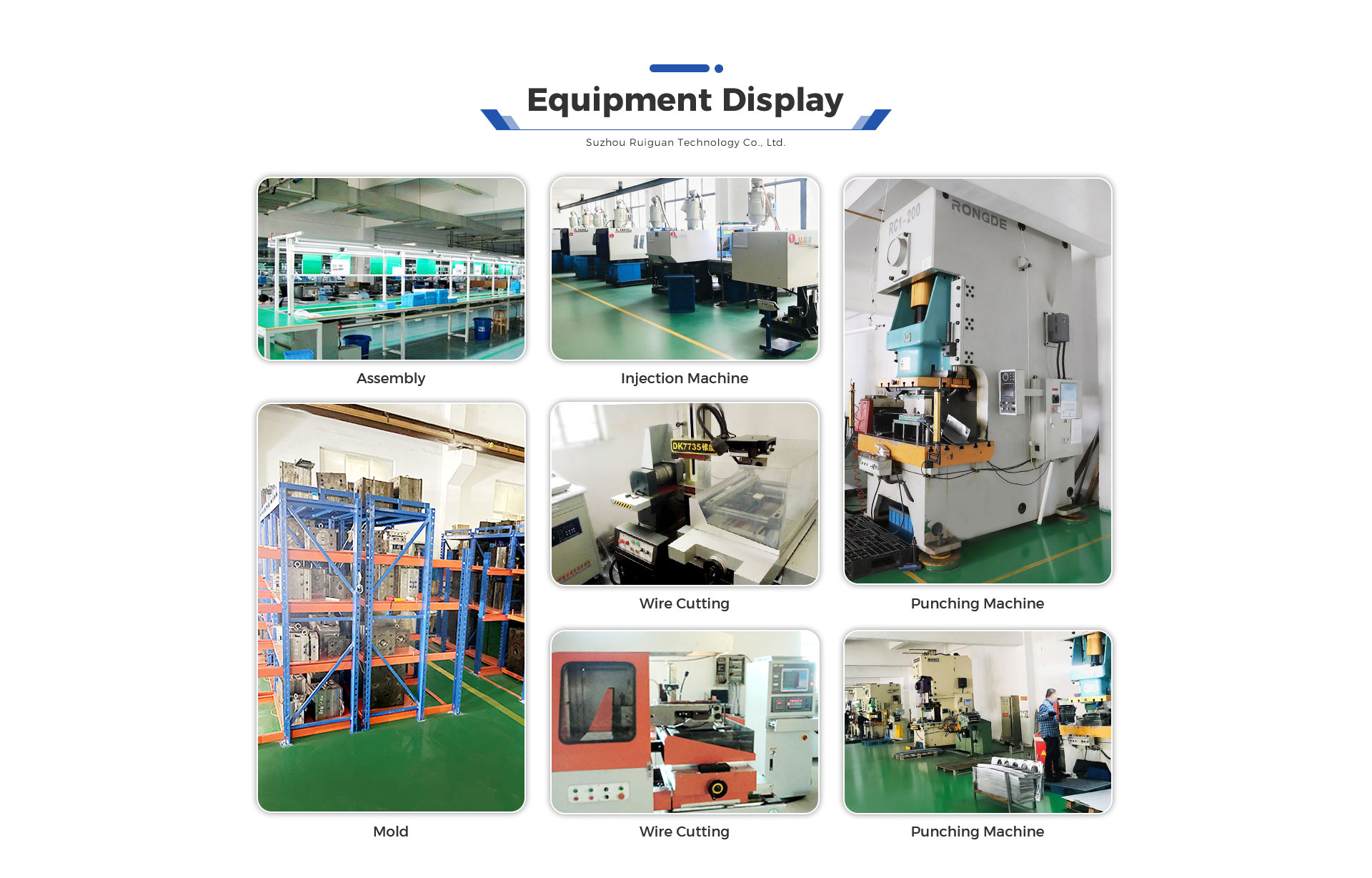 Export Technical Support
 SGS Audited Manufacturer
 EN71 Toy Safety
 CE (RED / LVD / EMC)
 FCC Part 15 Verified
 RoHS Directive Compliant
Frequently Asked Technical & Procurement Inquiries
Essential due diligence information covering MOQ thresholds, firmware flashing, safety standards, customs documentation, and OEM/ODM engineering lifecycles.
1. What distinguishes your factory's LOOI robot architecture from consumer electronic toys? ▾
2. What are the Minimum Order Quantities (MOQs) for standardized versus fully customized OEM/ODM units? ▾
3. Which safety and radio frequency certifications are available for EU and North American entry? ▾
4. Can your engineering team customize dialogue models, supported languages, and voice actor timbres? ▾
5. How do you ensure safety when combining high-density lithium batteries inside soft plush bodies? ▾
6. What are the typical lead times from CAD design validation to mass container shipment? ▾
7. What international commercial delivery terms (Incoterms) and payment gateways do you accommodate? ▾
8. Does Suzhou ESPS produce peripheral hardware alongside robotic desktop units? ▾
Accelerate Your LOOI Robotics & AI Toy Pipeline
Request confidential technical documentation, golden engineering samples, or schedule an interactive video factory walkthrough with our Zhangjiagang export engineering team today.
