Featured AI Companion Quadrupeds & Smart Robotic Pets
Direct from our SGS-inspected manufacturing floor in Zhangjiagang: certified intelligent interactive bionic companions engineered with vision sensors, gesture recognition modules, and smart voice systems.

RG-AI-K01 High Tech AI Robot for Kids Companion
Equipped with integrated micro-vision and voice recognition modules that decode real-time gesture commands, palm proximity, and conversational triggers.

RG-AI-K01 Smart AI Robot Pet Daily Companion
Adaptive kinetic motors mimic real bionic quadrupeds with multi-axis posture stabilization, gesture follow routines, and touch-sensitive feedback zones.

RG-AI-K01 Mini AI Robot with Intelligent Interaction
Compact design featuring low-latency digital signal processors for rapid gesture tracking, hand-waving recognition, and bi-directional conversational AI.

RG-AI-K01 AI Toy Robot with Intelligent Dialogue
Combines precision metal gear transmission with soft hypoallergenic fabrics. Features responsive gesture steerage and dynamic expressive LED eye arrays.

RG-AI-K01 Smart AI Robot Companion Large Ears
Commercial wholesale configuration engineered for tier-1 distributors. Features high-durability internal brackets derived from precision mounting hardware.

Hot Selling RG-AI-K01 AI Robot Pet Soft Edition
High-speed optical sensors monitor human hand gestures within a 1.2-meter radius to execute sit, roll, follow, and auditory greeting sequences on demand.

RG-AI-K01 New Release Smart Robot for STEM
Built-in Bluetooth SDK allows custom gesture mapping, drag-and-drop programming, and educational motion loops for modern interactive learning curricula.
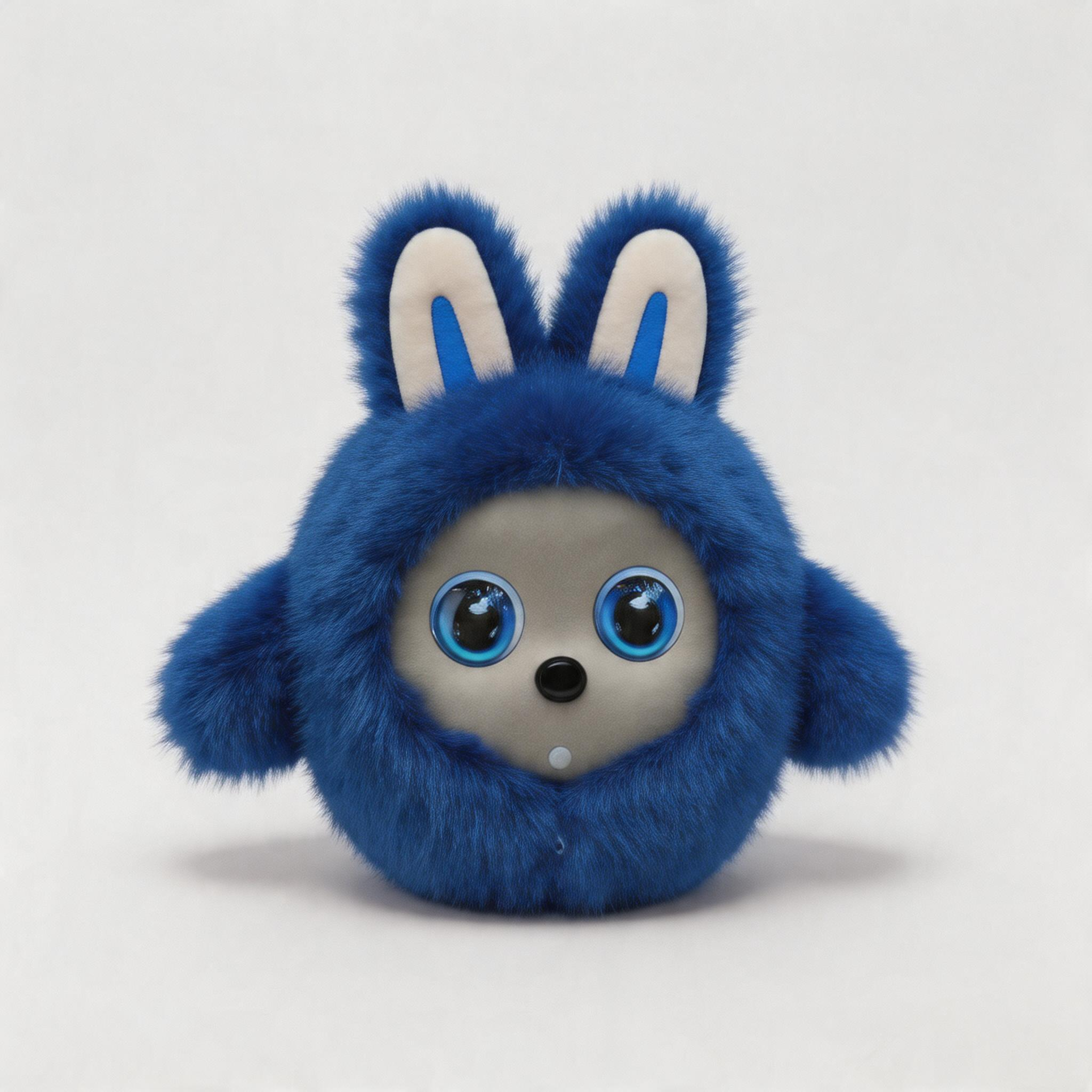
RG-AI-K01 Voice & Gesture Dual Robot Pet
Integrated multi-modal processor executes seamless hand command shifts alongside vocal tone recognition. Fully certified with UN38.3 lithium battery transport docs.
16+
Years Precision Engineering
6,000㎡
SGS-Verified Plant Area
40+
Audited Partner Foundries
99.2%
Global Inquiry Response
Industrial Landscape: The Shift Toward Human-Centric Gesture Robotic Pets
Why procurement officers, consumer electronics brand leaders, and educational distributors are pivoting toward gesture-controlled quadruped robotics.
The global consumer and educational robotics sector is witnessing an aggressive technical migration from legacy infrared remote control toys toward autonomous, computer-vision-driven bionic quadrupeds and gesture control robot dogs. Historically dominated by costly industrial research testbeds, the commercialization of low-power Time-of-Flight (ToF) sensors, micro-electromechanical systems (MEMS) accelerometers, and high-torque sub-miniature brushless servos has made intuitive non-verbal human-robot interaction (HRI) commercially viable for consumer mass manufacturing.
For international enterprise buyers and toy brand importers across North America, the European Union, and the Asia-Pacific region, evaluating gesture control robot dog manufacturers requires analyzing much more than superficial external aesthetics. Successful procurement hinges on verifying hardware durability, structural degree-of-freedom (DoF) kinematics, proprietary gesture sensor fusion algorithms, low latency execution (<65ms), and end-to-end toy and radio frequency compliance (such as EN71, ASTM F963, FCC Part 15, and the EU Radio Equipment Directive). Companies like Suzhou ESPS Technology Co., Ltd. (ESPS), leveraging over 16 years of precision hardware stamping, monitor mounting engineering, and smart plush-electronics integration, represent a vital bridge in this manufacturing revolution—delivering robust structural chassis alongside sophisticated voice and sensorized modules.
"In the modern semantic search landscape, a verified supplier must showcase real manufacturing infrastructure, strict third-party audit credentials, and verifiable technical competence across both mechanical hardware stamping and embedded algorithmic software design."
Top 10 Gesture Control Robot Dog Manufacturers & Suppliers
A rigorous comparative matrix contrasting industrial R&D titans, cutting-edge consumer bionic developers, and established high-volume OEM/ODM manufacturing facilities.
| Manufacturer / Brand | HQ Location | Core Technical Competence | Gesture Control Mechanism | Primary Target Market | B2B Supply Tier |
|---|---|---|---|---|---|
| Suzhou ESPS Technology Co., Ltd. | Zhangjiagang, China | Precision hardware engineering, OEM/ODM smart plush integration | ToF Optical + Proximity Hand Waves + Voice Fusion | Global Importers, Toy Brands, Mass Retail | OEM / ODM Hub |
| Unitree Robotics | Hangzhou, China | High-dynamic quadruped locomotion, BLDC motor drives | Stereo Vision AI Hand-Tracking + LiDAR Follow | Research, Commercial STEM, Consumer Tech | Tier-1 Industrial |
| Boston Dynamics | Waltham, USA | Hydraulic/Electric industrial gait algorithms, high payload | Enterprise Tablet Spatial Tracking & Teleoperation | Defense, Industrial Inspection, Security | Enterprise Only |
| Sony Corporation (Aibo) | Tokyo, Japan | Deep affective computing, emotional cloud AI mapping | Capacitive Touch + Front Fish-Eye Gesture Parsing | Luxury Consumer Companion Robotics | Consumer Tier-1 |
| Petoi LLC | San Jose / Shenzhen | Open-source biomimetic palm-sized quadrupeds (Bittle) | Infrared Gesture Sensor Modules + Python / C++ | STEM Education, Hacker Communities | Specialized STEM |
| Elephant Robotics | Shenzhen, China | Bionic robot cats and dogs (MarsCat/BabyPuss) | Embedded Deep Vision Gestural Recognition | STEM Schools, Early Adopter Consumers | Boutique Tech |
| WowWee Group Ltd. | Hong Kong / Canada | Commercial toy kinetics, mass market trackable electronics | Proprietary GestureSense™ Infrared Array | Global Toy Superstores & Department Chains | Toy Multinational |
| Keyi Technology (ClicBot/Loona) | Beijing, China | Sub-miniature consumer companion robotics with expressivity | RGB + 3D ToF Visual Human Pose / Hand Tracking | Smart Homes, Children's Emotional Support | Consumer Tech |
| Tencent Robotics X | Shenzhen, China | Multi-modal dynamic locomotion research (Max/Ollie) | Deep Learning Visual Gesture Trajectory Inference | Proprietary Labs & Industrial Demos | Research Lab |
| Dongguan Bionic Smart Tech | Dongguan, China | Volume injection molding, cost-down toy chassis | Analog 2.4G Wearable Gesture Sensor Glove | Promotional Products, E-Commerce Wholesalers | Volume Assembly |
1. Suzhou ESPS Technology Co., Ltd. (ESPS) — The Precision Hardware & Custom Integration Standard
Founded in 2010 and situated in Zhangjiagang, Jiangsu Province, Suzhou ESPS Technology Co., Ltd. distinguishes itself in the global smart robotics ecosystem through its unique industrial heritage. Originally rooted in high-tolerance metal stamping, cold-rolled sheet fabrication, and precision articulated monitor stands, ESPS transitioned its structural engineering mastery into the consumer smart robot domain. This heritage gives ESPS an undeniable edge over typical software startups or lightweight toy assemblers: the internal skeletons, joint hinges, and gear assemblies of their robotic quadrupeds and companion pets are built with industrial fatigue thresholds.
Operating out of an SGS-audited 6,000-square-meter facility with 69 verified technicians and a scalable network of 40 qualified downstream workshops, ESPS bridges the gap between sophisticated gesture module integration (Time-of-Flight optical sensors, multi-axis IMU gyros, voice recognition chips) and safe, plush bionic exteriors. Their fully verified management system (ISO 9001, ISO 14001, OHSAS 18001) combined with strict CE, FCC, EN71, and RoHS certifications guarantees that imported batches navigate European and American customs without clearance delays or regulatory callbacks.
2. Unitree Robotics — Pioneering High-Dynamic Consumer Quadrupeds
Unitree has redefined the high-performance quadruped market with platforms like the Go2 and Aliengo. Their gesture architecture relies on forward-facing ultra-wide depth cameras running on-chip neural network inference. Users can control speed, direction, and posture through natural body poses and hand signals. While Unitree leads in mechanical torque output and agility, their platforms command significantly higher unit costs, making them optimal for secondary STEM universities, industrial research, and premium technology enthusiasts rather than mass consumer toy distribution.
3. Boston Dynamics — The Benchmark for Industrial Teleoperation
Boston Dynamics' Spot remains the world's most famous quadruped. However, its control paradigms prioritize industrial teleoperation, automated LiDAR waypoint execution, and remote tablet interfaces over simple hand-gesture toys. While not an OEM supplier for consumer retail, Boston Dynamics sets the mathematical kinematics and dynamic gait models that the rest of the robotics manufacturing sector continuously reverse-engineers and adapts for affordable microcontrollers.
4. Sony Corporation (Aibo) — The Master of Emotional AI and Affective Vision
Sony's legendary Aibo series focuses on affective companion computing. Aibo uses deep neural vision pipelines to recognize specific family members, interpret facial nuances, and parse hand gestures such as waving, offering treats, or pointing. While representing the pinnacle of domestic companion robotics, Sony operates strictly on a closed proprietary B2C ecosystem, offering zero OEM/ODM white-label capacity for third-party commercial brand owners.
5. Petoi LLC — Open-Source Bionic Robotics for Developers
Petoi produces palm-sized bionic quadrupeds powered by specialized servo kinematics and open-source software stacks (OpenCat). Their gesture sensing relies on modular, plug-and-play infrared distance sensors or camera shields mounted to the head. Petoi serves a critical niche in secondary and post-secondary STEM education, allowing students to program gesture responses directly in C++ or Python.
6. Keyi Technology (Loona / ClicBot) — Expressive Multi-Modal Companion Pets
Keyi Technology's Loona combines high-definition RGB cameras and a 3D ToF sensor to capture spatial hand gestures, enabling the bionic pet to recognize high-fives, palm pushes, and finger tracking. Supported by interactive LCD display eyes, Loona has proven the explosive demand for emotive, companion-oriented bionic pets in consumer retail.
7. WowWee Group Ltd. — Pioneer of Commercial Toy Gesture Interaction
WowWee established the toy industry standard for low-cost gestural interaction through their proprietary GestureSense™ IR arrays. WowWee's products demonstrate how to achieve reliable hand-swipe detection (forward, backward, left, right) using cost-effective twin photodiodes, making them a fixture in international big-box toy retail.
Technological Development Trends in Gesture Control Quadrupeds
The engineering breakthroughs shaping the next generation of bionic companion robotics between 2025 and 2030.
From Passive IR to Active 3D ToF Sensors
Traditional toy gesture controls relied on crude infrared amplitude reflection, which suffered heavy interference under sunlight. Modern platforms now integrate VCSEL-based 3D Time-of-Flight sensors that measure photon phase shifts, enabling pinpoint millimeter-level spatial hand tracking unaffected by ambient lighting conditions.
Edge AI Vision & TinyML Integration
The integration of micro-neural processing units (Micro-NPUs) running optimized TinyML models enables local processing of complex static and dynamic hand signs (e.g., peace signs, stop palms, beckoning motions) in under 45 milliseconds directly on low-power, battery-operated embedded chips.
Hybrid Soft-Tactile Bionic Construction
Buyers are shifting away from cold, brittle plastic shells. The fastest-growing product category blends rigid internal structural skeletons (precision hardware brackets) with soft, tactile silicone skins or luxury plush fabrics. This hybrid layout protects complex sensors while enhancing user emotional attachment.
Strategic B2B Sourcing & Procurement Trends (2025–2030)
Critical market dynamics every sourcing director, retail category manager, and brand distributor must evaluate to mitigate supply chain disruption.
Sourcing electronic consumer robotics requires navigating a shifting international landscape of trade compliance, firmware intellectual property, and component price volatility. Sourcing directors must recognize four fundamental procurement transitions currently dominating the smart robotics sector:
Unified Toy & Cyber Compliance
Regulatory bodies in the US (COPPA, ASTM F963) and EU (EN71, Radio Equipment Directive, RED Cyber Article 3.3) now penalize toys with unsecured voice or vision sensors. Enterprise buyers require factories that provide verified firmware audits alongside physical drop-test reports.
Consolidation to Full-Stack OEM Partners
Managing separate vendors for plastic tooling, plush sewing, PCB fabrication, and software development leads to catastrophic yield drop-offs. Importers now actively consolidate their supply chain with turnkey suppliers like ESPS, capable of managing hardware, firmware, and soft exterior housing under one roof.
Flexible MOQ & Agile Tooling
High inventory holding costs have made rigid 5,000-piece MOQs obsolete for niche market entry. Leading manufacturers now provide low-volume pilot testing (MOQs starting from 10 to 100 units on core platforms) before committing client capital to expensive high-cavitation steel molds.
Standardized Dangerous Goods Documentation
Lithium-ion logistics remain a major bottleneck for electronics importers. Verified suppliers supply complete UN38.3 test summaries, MSDS sheets, and drop-tested master cartons compliant with IATA/IMDG regulations for seamless air and sea freight clearance.
Enterprise Advantages: Why Global Brands Partner with Suzhou ESPS
Combining 16 years of export excellence, certified precision hardware fabrication, and deep AI-electronics integration.
SGS-Inspected Onsite Verification
Unlike trading intermediaries, our Zhangjiagang facilities undergo rigorous annual onsite inspections by SGS Group. Our operational footprint, modern production lines, worker safety compliance, and comprehensive QA/QC labs are independently confirmed and publicly auditable.
16-Year Precision Hardware Heritage
Our company roots date back to 2010 in precision hardware fittings, articulated tablet/POS stands, and mobile display mountings. We apply that exact same cold-rolled steel tolerances, robotic welding standards, and pivot fatigue testing to our robotic dog chassis and joint linkages.
Comprehensive Multi-Stage Quality Assurance
Every shipment passes our strict four-tier inspection: raw material spectrometer and tension tests, 100% electronic PCB/sensor burn-in, robotic motor cycle stress testing, and finished goods drop/seam safety checks adhering to ISO 9001, ISO 14001, and OHSAS 18001 standards.
Frequently Asked Questions for Robotic Quadruped Procurement
In-depth answers addressing compliance, customization, lead times, and trade terms directly from our engineering team.
What is the standard Minimum Order Quantity (MOQ) for custom gesture control robotic pets?
Which global safety and RF certifications accompany your robotic quadrupeds?
Can the gesture recognition vocabulary and voice algorithms be adapted for regional markets?
How does your factory ensure the longevity and fatigue-resistance of moving bionic joints?
What are your standard international commercial trade terms and production lead times?
Initiate Your Gesture Control Robotics Program
Consult with our engineering and export team today. Receive tailored CAD shell drawings, sample dispatch schedules, detailed BOM pricing, and comprehensive certification documentation for your target import market.
