Flagship AI Robot & Interactive Learning Lineup
Industrialized precision hardware integrated with voice-interactive, sensor-guided machine learning companions for commercial distribution.
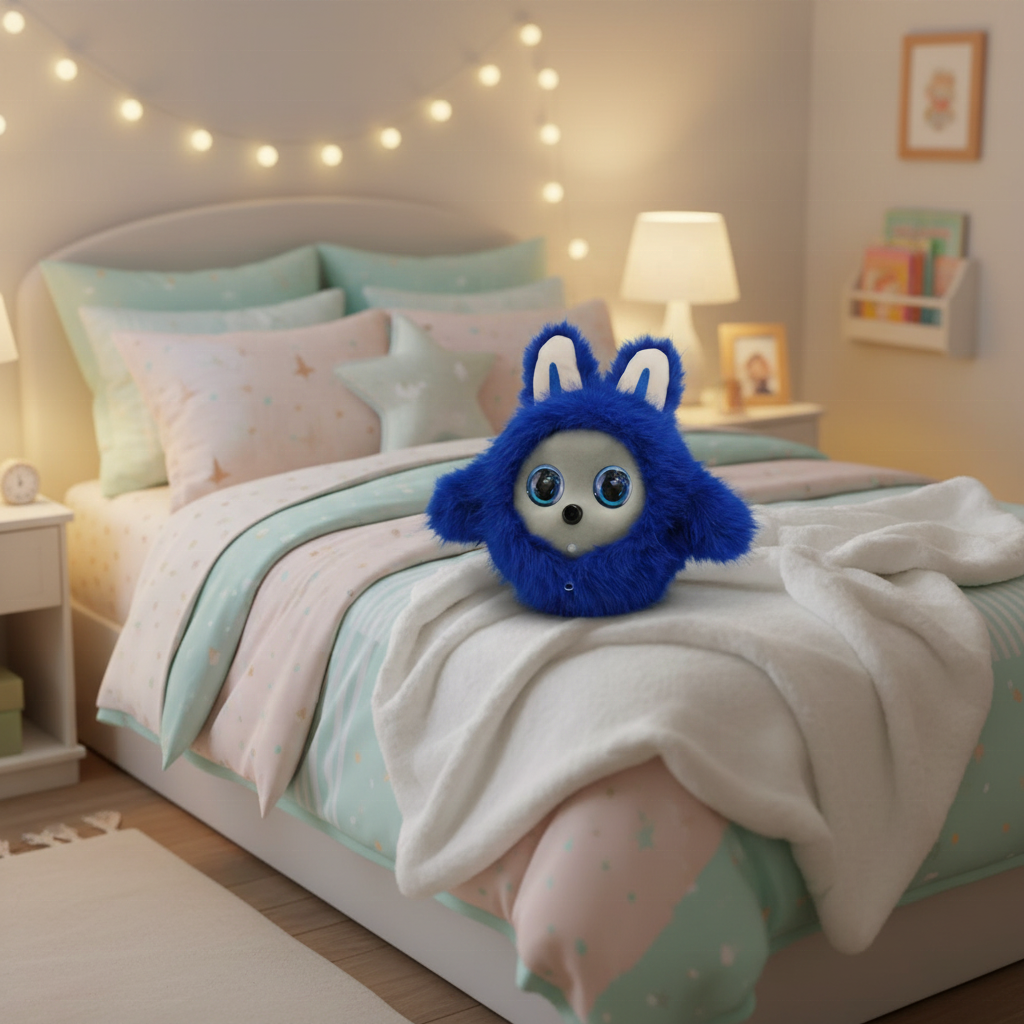
RG-AI-K01 AI Educational Robot Bunny Plush Toy with Smart Learning Mode and Dialogue

RG-AI-K01 AI Robot Companion Bunny Plush with Intelligent Voice Recognition
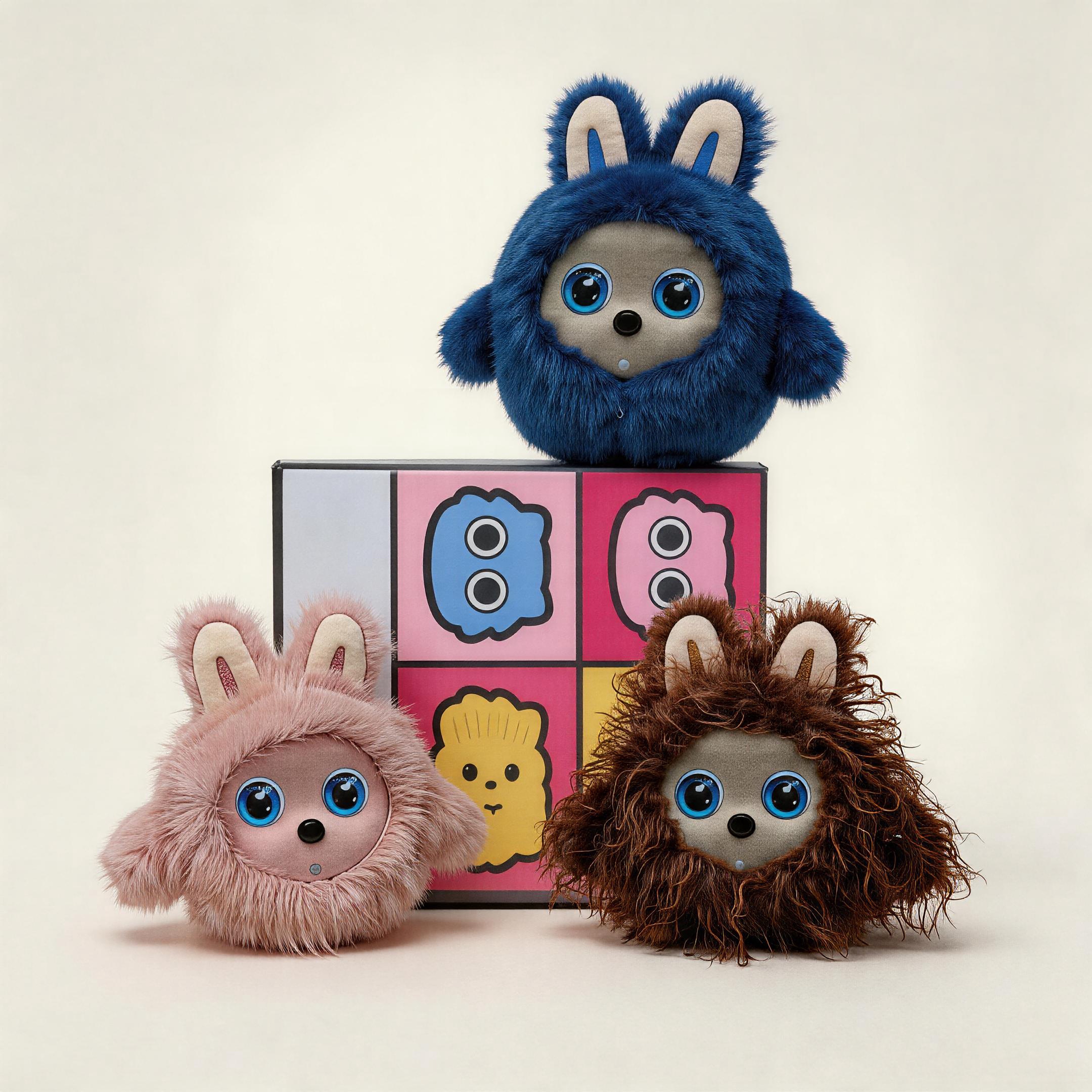
Innovative RG-AI-K01 AI Robot Pet Soft Bunny Plush with Intelligent Voice Interaction

RG-AI-K01 AI Robot for Kids Education Interactive Bunny Plush with Smart Chatting
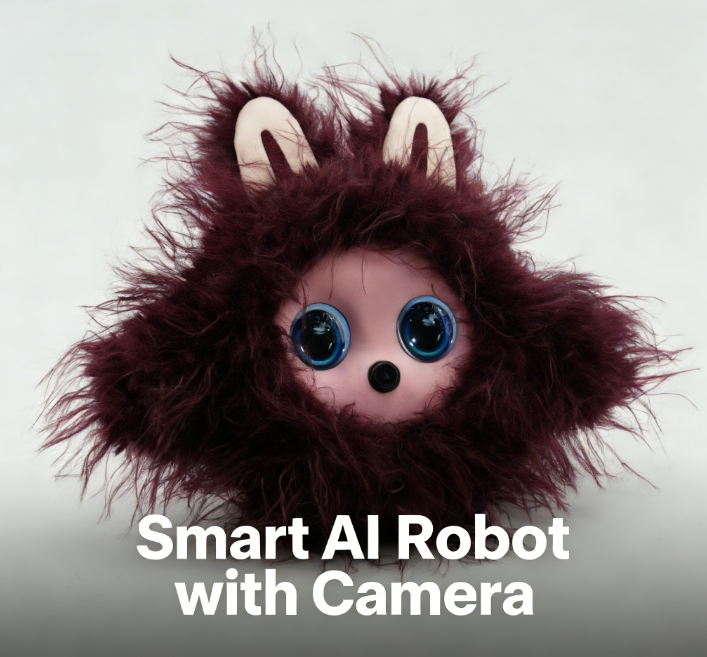
RG-AI-K01 AI Toy Robot Bunny Plush Companion with Cute Interaction and Talking

RG-AI-K01 New Release Smart Robot AI Bunny Plush Toy for Children Early Education
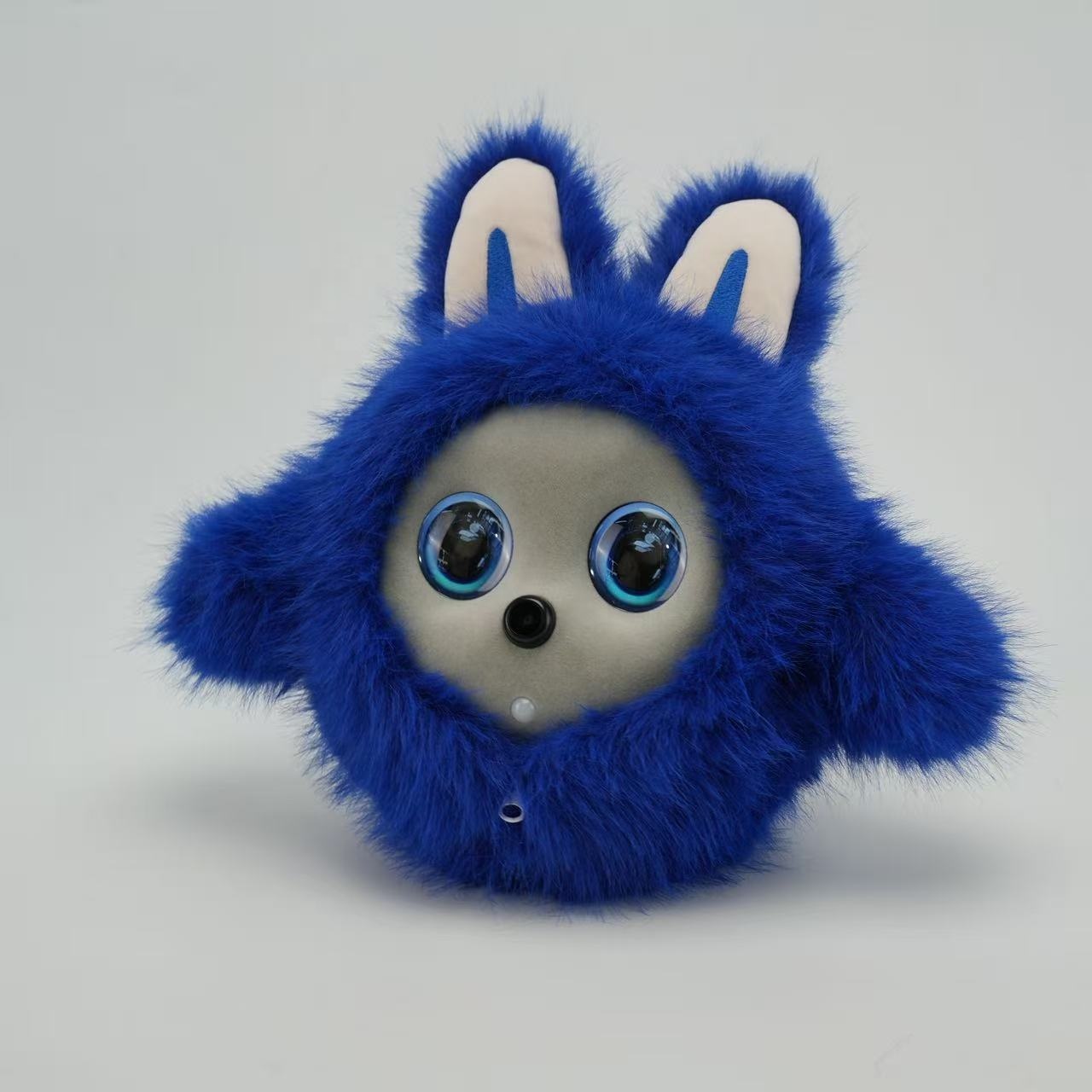
RG-AI-K01 AI Robot for Kids Smart Bunny Plush Companion with Voice Recognition

RG-AI-K01 Smart Robot Toy Bunny AI Companion with Interactive Features for Children
White Paper: Engineering Architecture of AI Drawing & Educational Interactive Robots
The transition from passive electronic toys to dynamic, generative AI drawing robots and conversational companions represents a monumental paradigm shift in children's educational technology and consumer electronics. Precision plotting mechanisms combined with on-device edge AI algorithms require an uncommon fusion of sub-millimeter mechanical engineering, micro-stepper motor control, low-latency natural language processing (NLP), and uncompromising chemical and physical safety standards.
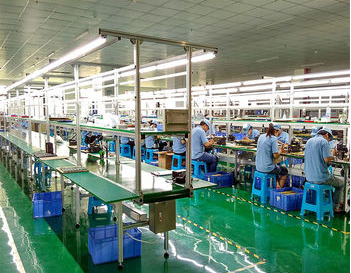
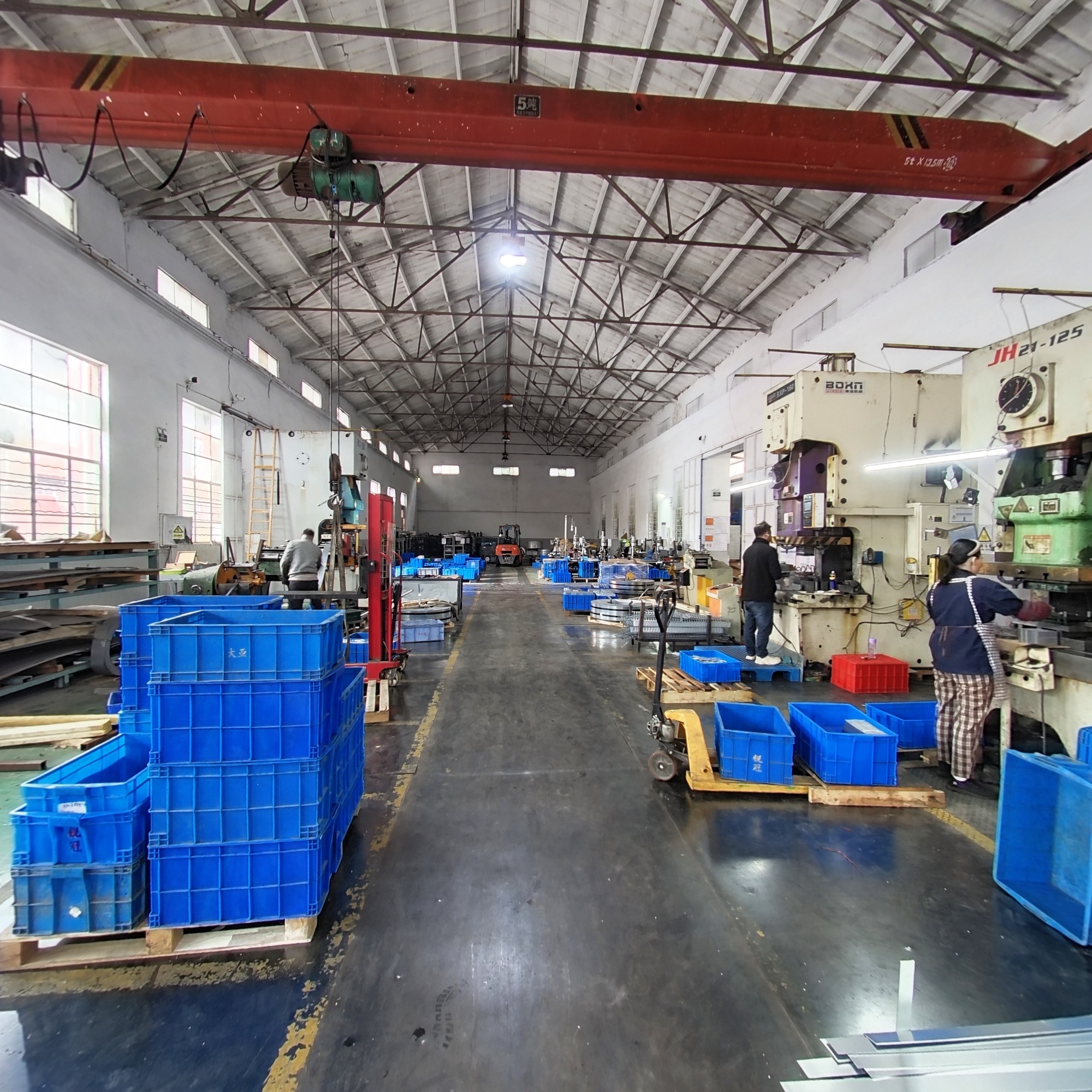
As an established custom manufacturer founded in 2010 in Zhangjiagang, Jiangsu, Suzhou ESPS Technology Co., Ltd. addresses the historical pain points of the interactive robotics sector. Traditional consumer electronic factories often fail at soft mechanical integration, while soft plush manufacturers lack the cleanroom assembly and mechatronic discipline required for micro-stepping precision, computer vision calibers, and radio frequency certification. Our vertically integrated production model unites high-tolerance metal stamping and bracket fabrication (originating from our commercial monitor, POS, and TV cart engineering divisions) with dedicated automated SMT lines, ultrasonic housing welding, and cleanroom plush integration.
Future Procurement Trends in B2B AI Drawing & Smart Robotics
Strategic sourcing insights for retail chain buyers, consumer brand owners, educational supply vendors, and global distributors for 2025–2030.
1. Edge Computing & Zero-Latency Local Execution
Global procurement teams are shifting away from 100% cloud-dependent voice and rendering engines. Cloud latency creates awkward 2-3 second dialogue lags that break engagement, while recurring API token costs degrade distributor margins. Procurement contracts increasingly mandate hybrid edge-compute chips capable of executing vector-based robotic drawing paths, offline wake-word recognition, and core dialogue synthesis locally, reserving cloud synchronizations for continuous curriculum expansion.
2. Stringent COPPA & GDPR-K Biometric Governance
Regulatory scrutiny over children's acoustic footprint and biometric imaging has made compliance the primary risk factor for importers in North America and the European Union. Procurement specifications now stipulate hardware-level microphone killswitches, localized ephemeral memory buffers that discard voiceprint data post-interaction, and third-party penetration audits certifying that smart companions cannot be transformed into surveillance liabilities.
3. Modularity, Circularity & Clean Repairability
With EU Right-to-Repair directives and tightening waste electrical equipment (WEEE) quotas, enterprise importers actively reject glued-shut assemblies. Modern procurement RFPs demand modular mechanical sub-chassis where lithium battery packs, stepping drive servos, and outer plush/vinyl casings can be unclipped, serviced, washed, or recycled independently without specialized proprietary tooling.
Architectural & Engineering Trends Shaping Next-Gen AI Robotics
How mechatronic breakthroughs, vector stroke parsing, and affective multimodal AI redefine the product roadmap.
Sub-Millimeter Micro-Stepping Drive
Next-generation drawing robots utilize closed-loop optical encoder motors paired with wear-resistant polyoxymethylene (POM) gears, achieving 0.05 mm pen positioning repeat accuracy across uneven drawing surfaces.
Multimodal Affective Interaction
Moving beyond static speech synthesis, integrated tactile capacitance sensors along the ear and belly zones pair with custom IPS/LED micro-expression eye matrices to communicate emotional states based on user interaction velocity.
Unified Thermal & Power Architecture
Combining battery charging management, low-dropout regulation, and class-D audio amplification onto a four-layer impedance-controlled PCB prevents thermal buildup within enclosed plush hulls while guaranteeing 6+ hours of active runtime.
Generative Stroke Deconstruction
Proprietary edge firmware converts raster images and voice descriptions into optimized continuous SVG stroke sequences, teaching children foundational geometry through real-time step-by-step mechanical drawing demonstration.
Industrial Lineage & SGS-Verified Manufacturing Infrastructure
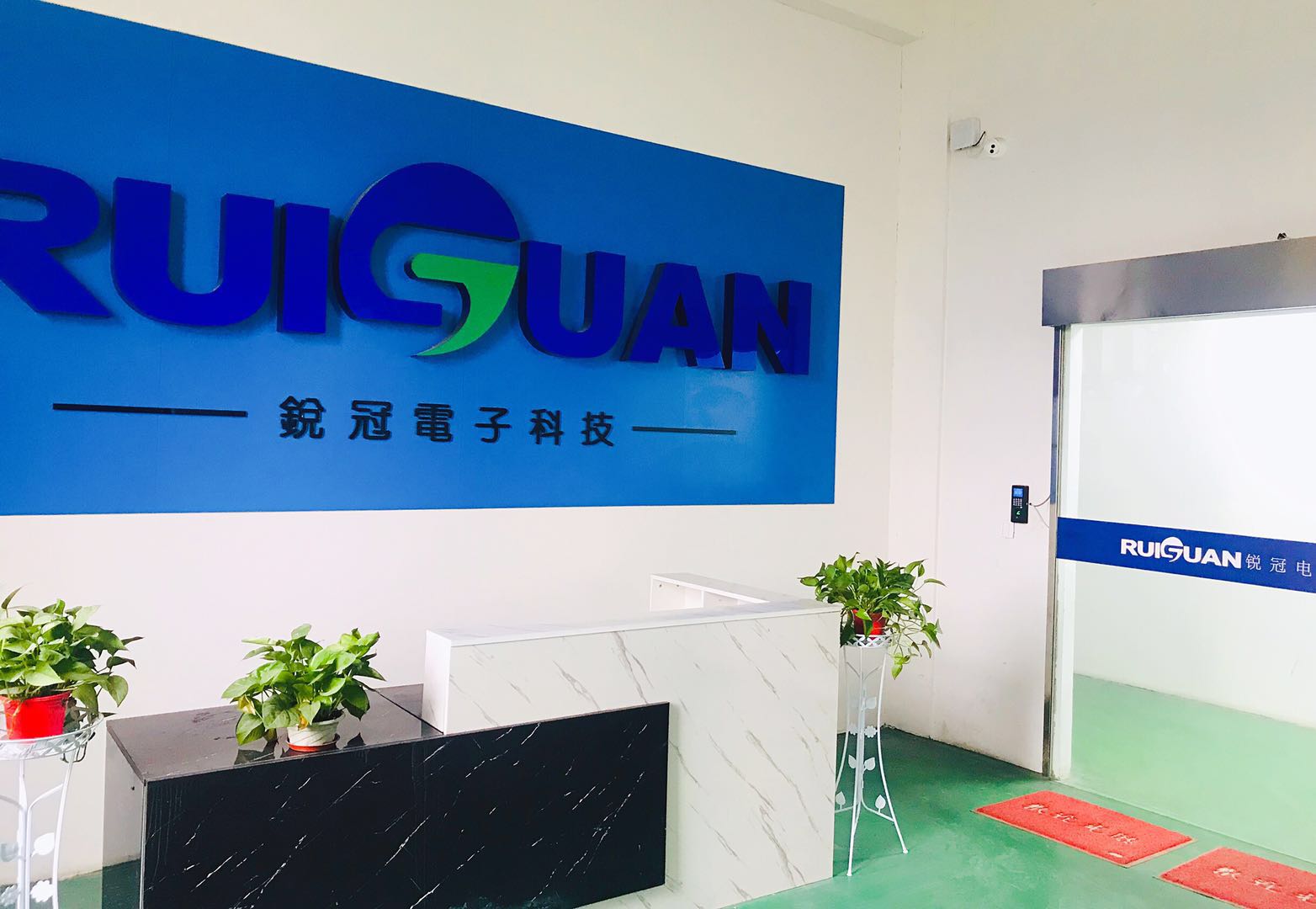
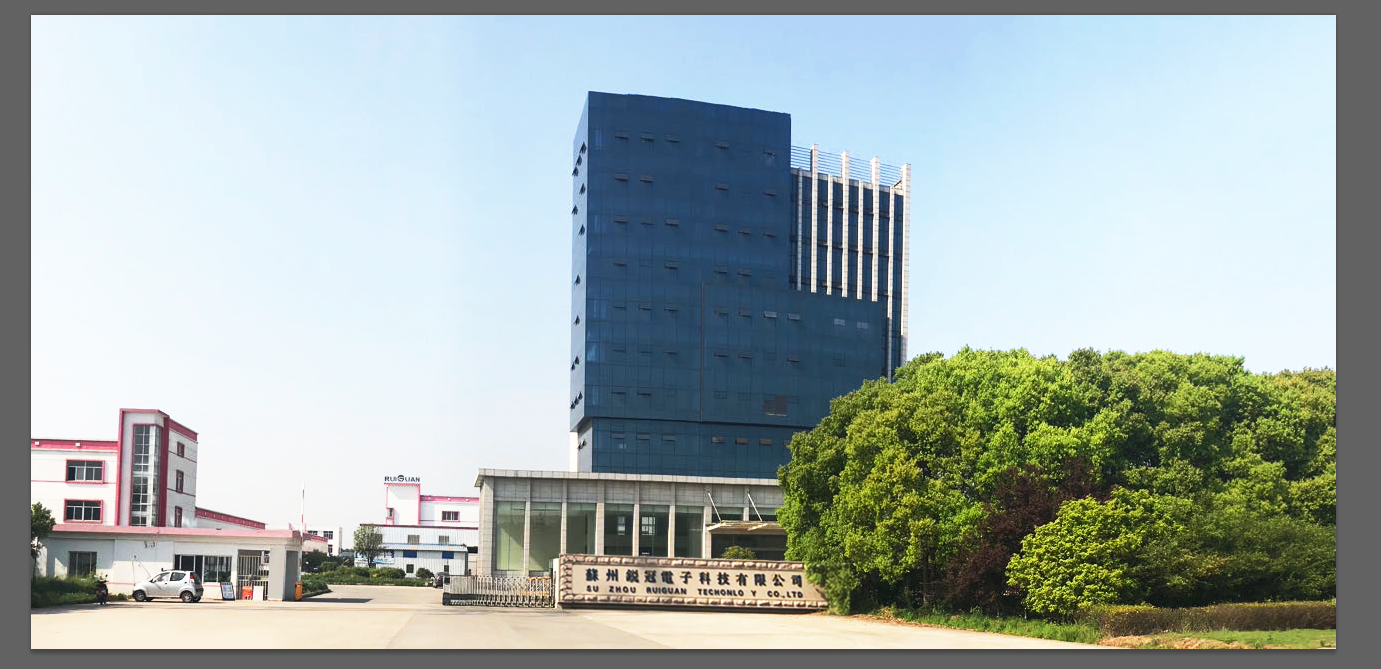
Suzhou ESPS Technology Co., Ltd. (founded in 2010, Zhangjiagang, Jiangsu) bridges the critical divide between precision structural engineering and smart consumer robotics. Originating as a precision metal and mounting hardware manufacturer—producing heavy-duty commercial monitor arms, POS cash system terminals, and mobile medical TV carts—our engineering team brings extreme structural tolerance discipline to consumer robotics manufacturing.
Spanning an SGS onsite-verified 6,000 square meter primary plant with 69 verified technicians and a scalable tier-1 consortium of over 40 assessed partner facilities, we offer full lifecycle OEM/ODM services. From initial CAD/CAM chassis tooling and mold flow analysis to surface mount component placement (SMT), acoustic chamber calibration, child-safe upholstery sewing, and end-of-line wireless diagnostic RF testing, we provide single-source accountability.
Our management system operates in full compliance with certified ISO 9001 quality management, ISO 14001 environmental safety, and OHSAS 18001 operational standards, ensuring uninterrupted regulatory compliance across Tier-1 retail audits in North America, Western Europe, and Asia-Pacific.
Two-Stage Multi-Parameter Quality Assurance Protocol
Manufacturing failure in AI robotics generally occurs at the nexus of mechanical movement and soft exterior encapsulation. ESPS enforces a zero-defect assembly methodology encompassing two distinct inspection tiers backed by documented test traceability:
Phase 1: Incoming Component Validation (IQC)
100% optical inspection of SMT micro-soldering; X-ray analysis of BGA chip packaging; spectrophotometer testing of plush fur dyes for lead, phthalates, and AZO compounds; drop-testing of gear trains; UL94 flame-retardant burn checks on inner plastic shells.
Phase 2: In-Process Mechatronic Stress (IPQC)
Automated robotic test benches execute 5,000 cycles of continuous pen lifter/stepping actuation; acoustic anechoic testing for signal-to-noise ratio (SNR) on MEMS microphones; battery thermal chamber cycling (-10°C to +55°C) to simulate severe transport climates.
Phase 3: Outgoing Physical & RF Verification (OQC)
Seam tension pull testing (90N requirement to prevent choking hazards under EN71-1); FCC/CE spectrum analyzer sweeps verifying RF harmonic limits; full firmware verification confirming clean bootloader locked states and customer-specific localized language packs.
B2B Procurement & Engineering FAQ
Technical, financial, and logistical details addressed directly by our senior technical export team.
What are the specific Minimum Order Quantities (MOQ) across standard versus full ODM customized runs?
How does ESPS handle language localization, custom wake words, and regional accent training?
What international toy safety, radio frequency, and chemical certifications accompany each shipment?
What international commercial terms (Incoterms) and payment methods do you support?
How does the company leverage its hardware division heritage in consumer robotics manufacturing?
Architect Your Custom AI Robotic Companion Line Today
Consult with our senior mechatronic and software integration engineers. Request verified factory audit reports, complete bill-of-materials breakdowns, and full wholesale pricing.
Get Catalog