Verified Zibby & Companion Robot Series
Industrial-grade conversational robotics manufactured in Zhangjiagang, Jiangsu. Each system features custom wake-word firmware, localized natural language processing (NLP), and verified mechanical compliance.

RG-AI-K01 OEM ODM AI Toy Robot Fluffy Bunny Plush with Intelligent Interaction
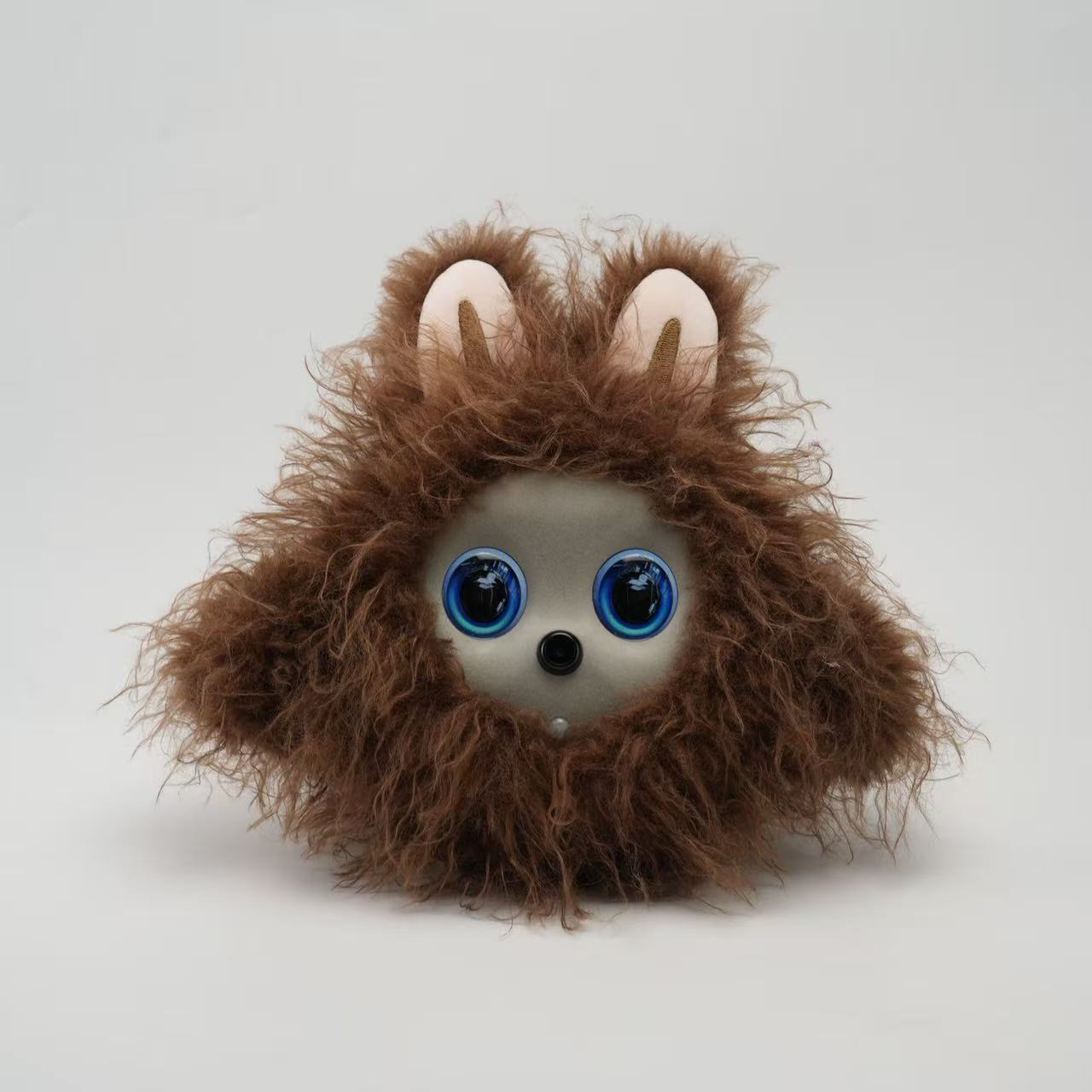
RG-AI-K01 AI Robot for Kids Smart Bunny Plush Companion with Voice Control
RG-AI-K01 Smart AI Robot Companion Bunny Plush Doll with Large Ears
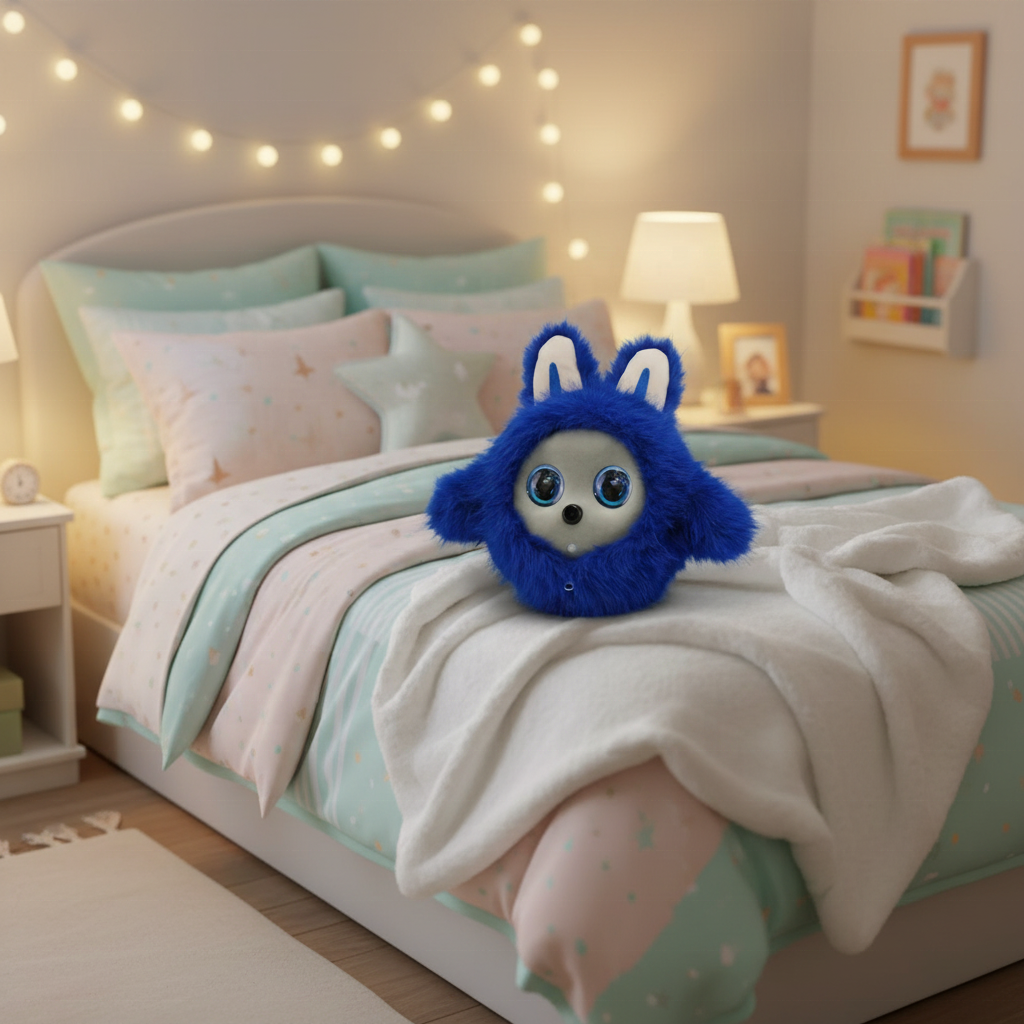
RG-AI-K01 Mini AI Robot Bunny Plush Smart Electronic Toy for Holiday Gifts
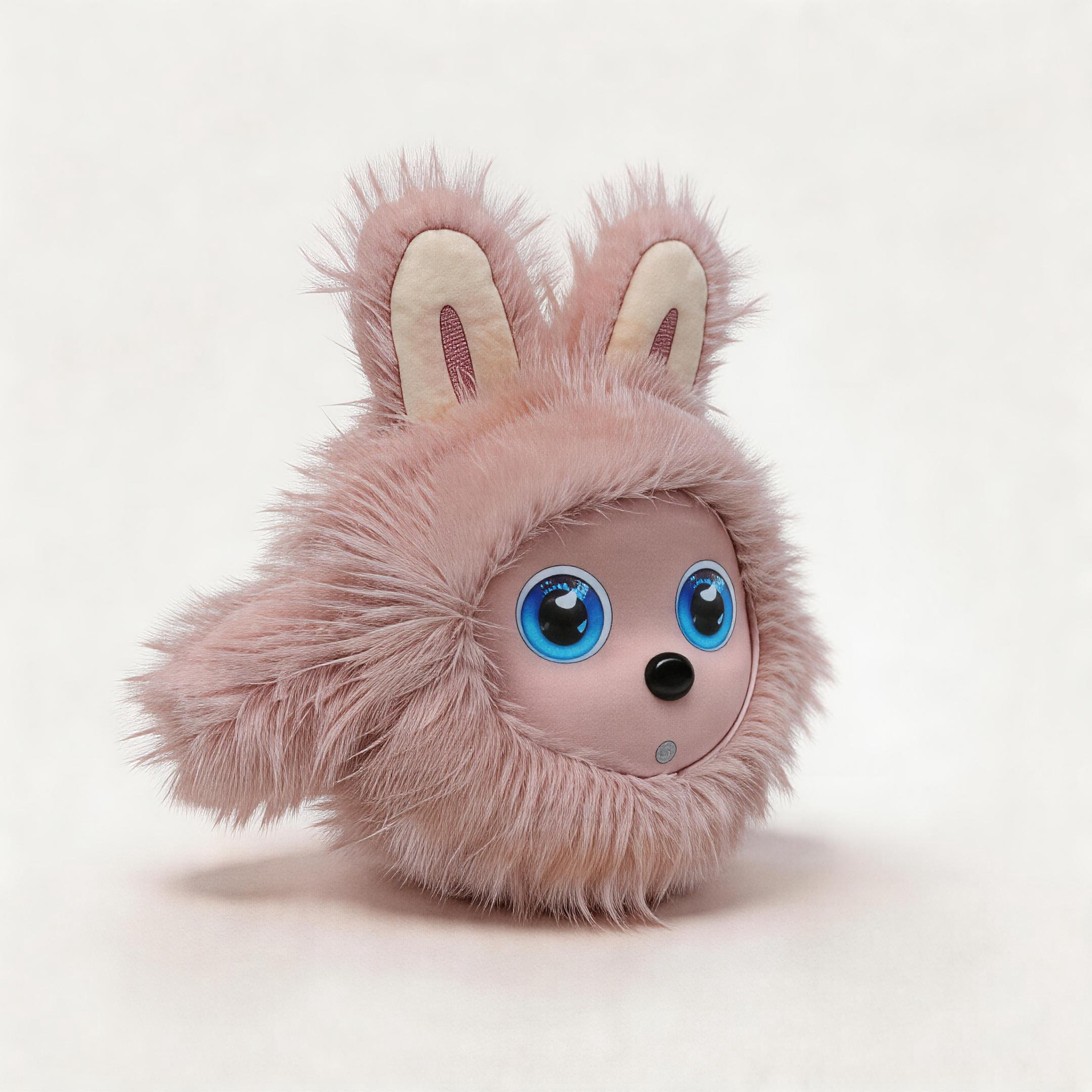
RG-AI-K01 AI Toy Robot Fluffy Bunny Plush with Intelligent Interaction and Chat
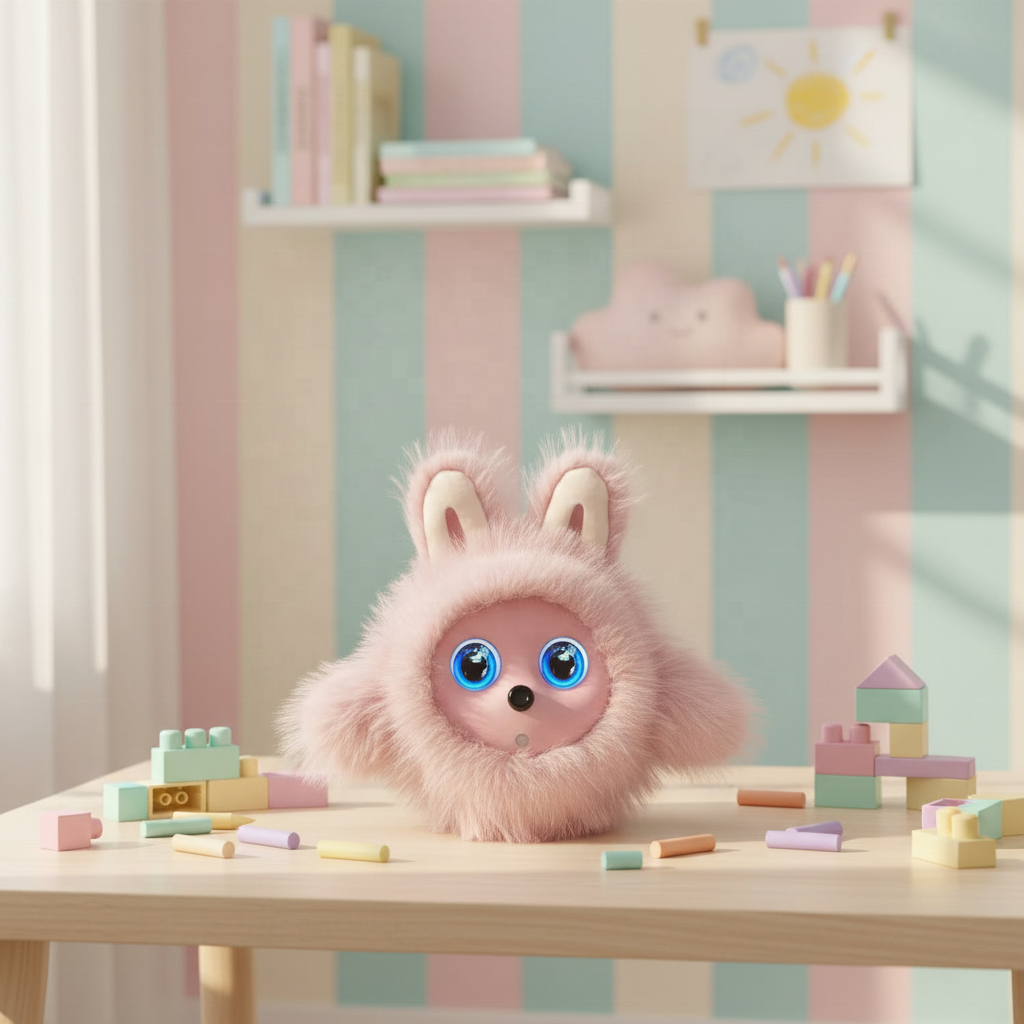
RG-AI-K01 AI Robot Companion Bunny Plushie with Smart Dialogue and Interaction
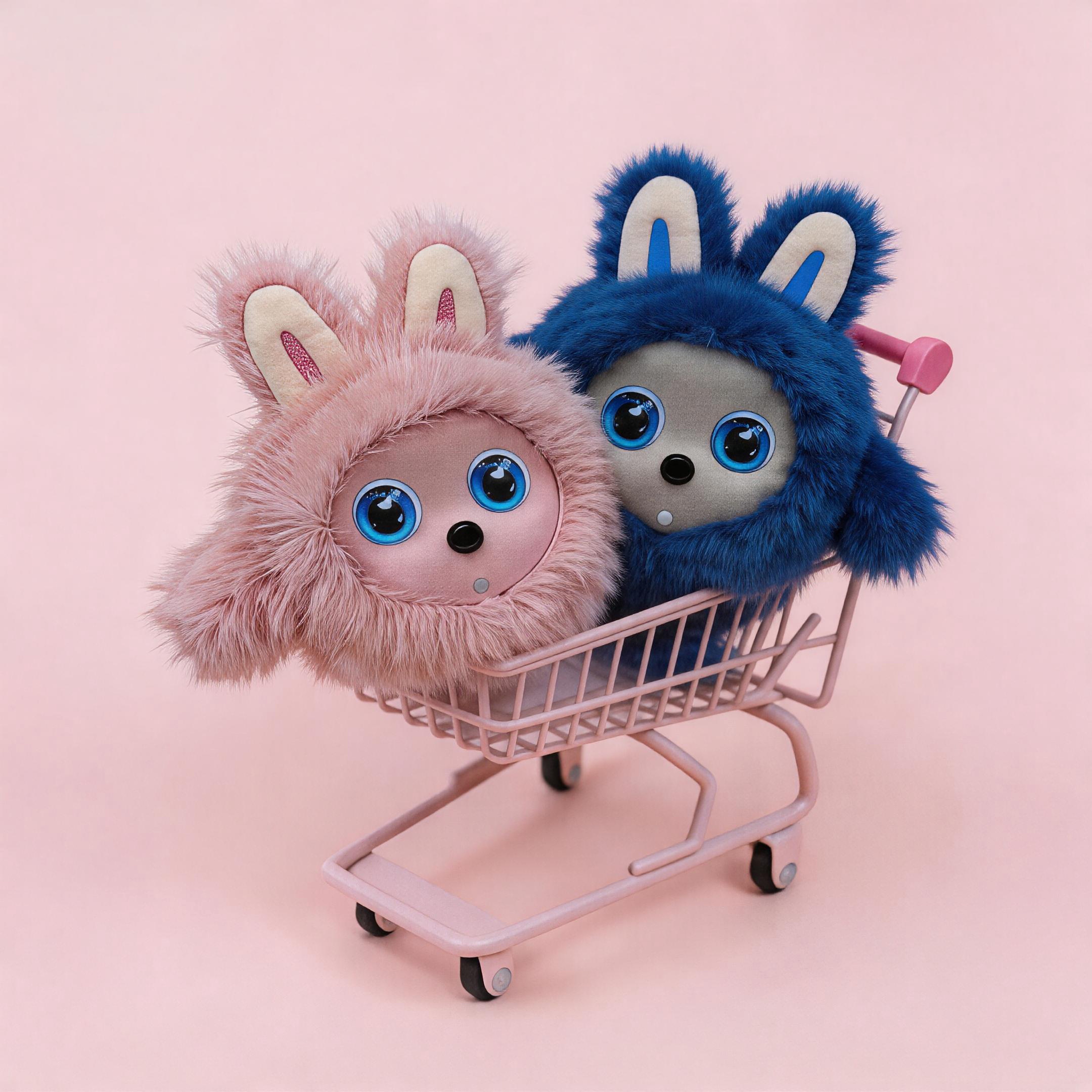
RG-AI-K01 AI Robot for Kids Education Interactive Bunny Plush with Smart Chatting
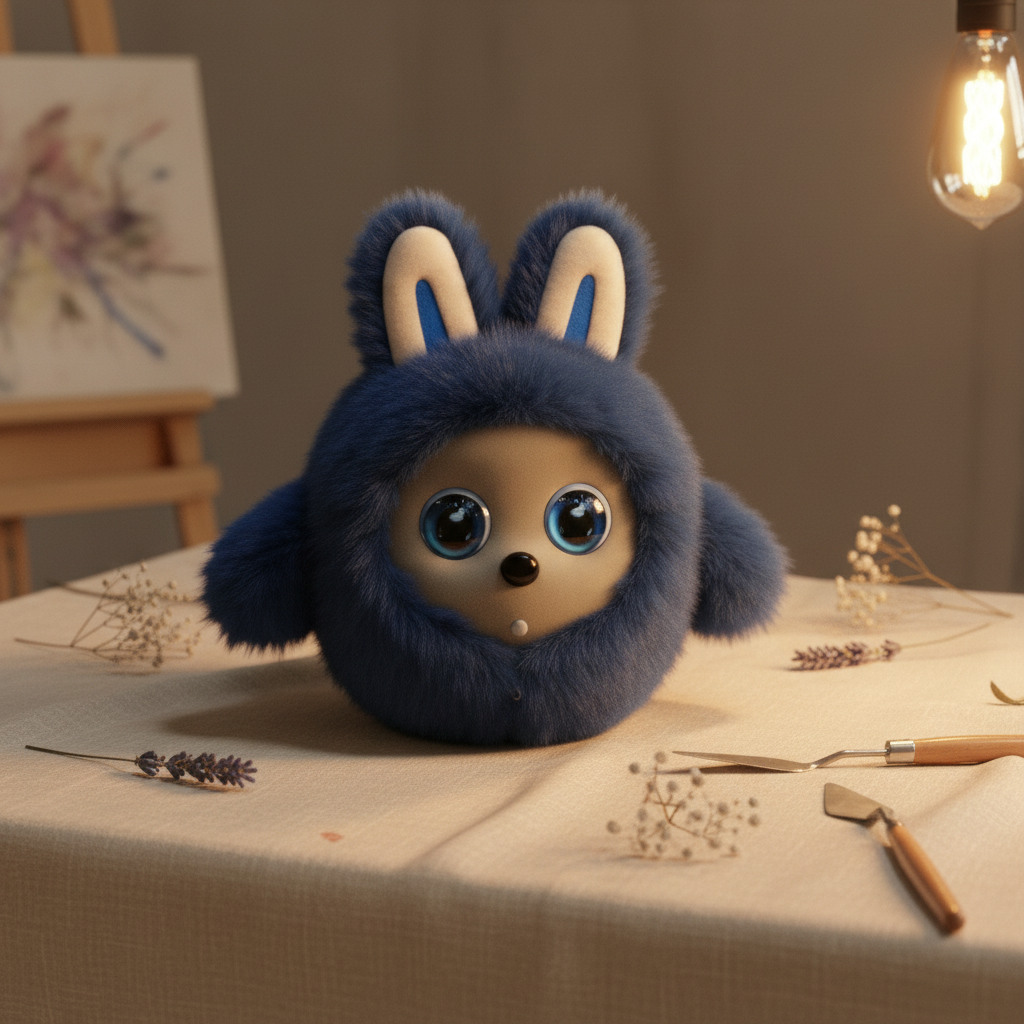
RG-AI-K01 Smart Robot AI Bunny Plush Toy for Children Early Education
Suzhou ESPS Technology Co., Ltd. Engineering Authority
Founded in 2010 in Zhangjiagang, Jiangsu, Suzhou ESPS Technology Co., Ltd. stands as an SGS-verified custom manufacturer bridging precision hardware mechanics, IoT firmware programming, and electronic educational companion production.
SGS Onsite Verification
Independently inspected manufacturing operations, clean-room electronics assembly, multi-stage PCB testing, and standardized production pipelines verified for international enterprise delivery.
Rapid Prototyping Cycle
Complete transformation from industrial CAD renderings and algorithm logic to functional 3D mockups, rapid silicone molds, and sample voice tuning completed in as little as 14 business days.
Full-Spectrum OEM / ODM
End-to-end proprietary development covering outer skin customization (recycled yarns, hygienic silicone), internal mechanical ribbing, far-field microphone positioning, and custom child-safe acoustics.
ISO Accredited Infrastructure
Operating under stringent ISO 9001 (Quality Management), ISO 14001 (Environmental Accountability), and OHSAS 18001 (Occupational Safety) certifications to guarantee uncompromised batch consistency.
Technical Anatomy of the Modern Zibby Educational Robot
The phrase "Zibby educational robot" has transitioned from a single proprietary model concept into an entire global taxonomy of interactive conversational companions for early childhood and STEM education. Unlike conventional low-tier audio toys that rely on hardcoded masked ROMs and repetitive static clips, a genuine commercial-grade Zibby-type robot is a sophisticated IoT terminal combining edge acoustics, tactile multi-point capacitive inputs, and encrypted natural language processing pipelines.
Suzhou ESPS Technology co-engineers these units with hardware-level acoustic echo cancellation (AEC) and dual-microphone beamforming arrays. This hardware design maintains speech recognition accuracy above 94% even in noisy classroom or living environments (up to 68 dB ambient noise). By isolating child speech frequencies (typically between 250 Hz and 2,500 Hz), our customized digital signal processing (DSP) front-end rejects peripheral white noise and television back-chatter, preventing unexpected triggering and ensuring conversational fluidness.
| Evaluation Parameter | Legacy Electronic Audio Toys | Generic Smart Bluetooth Toys | ESPS Zibby Educational Platform |
|---|---|---|---|
| Core Processing Unit | 8-bit / 16-bit OTP Microcontroller | Standard SoC (Broadcom/Realtek generic) | Dual-Core RISC-V + Dedicated NPU DSP |
| Voice Interaction Latency | Instant (Playback of ~5-10 pre-saved clips) | 1,800ms - 3,200ms (High latency lag) | < 650ms (Edge Cache + Streamed Neural TTS) |
| Microphone Array & SNR | Single Electret condenser (SNR < 50 dB) | Single MEMS (Omnidirectional, uncalibrated) | Dual MEMS Array with Beamforming (SNR > 65 dB) |
| Acoustic Decibel Limiter | Unregulated (Risk of exceeding 85 dBA) | Software-only limiting (Prone to bugs) | Hardware-enforced 80 dBA ceiling (EN 71-1 Compliant) |
| Child Privacy / Cybersecurity | None (No network capabilities) | Unencrypted Bluetooth (Vulnerable to hijacking) | AES-256 Cloud Tunnel, COPPA & GDPR-K Certified |
| Battery Safety Engineering | Alkaline dry cells or unprotected Li-ion | Single-MOS protection Li-ion pouch | Dual-MOS PTC, NTC Thermal Monitoring, UN38.3 |
Educational Robotics Sourcing Trends (2025–2030)
Enterprise procurement directors for major retailers, educational distributors, and toy conglomerates must navigate shifting trade policies, tighter regulatory standards, and disruptive technological advancements. The following strategic currents define commercial success over the coming five-year cycle.
1. Hardware-Level Zero-Trust Privacy
Regulatory scrutiny is escalating across North America and Europe with updates to COPPA 2.0 and the EU Artificial Intelligence Act. Commercial buyers are ditching devices that store unencrypted child biometrics or transmit raw vocal audio to unsecured external servers. Future procurement contracts will require on-device edge NLP wake-word triggers, dynamic localized tokenization, and third-party certified zero-knowledge cloud architectures.
2. Small Language Models (SLMs) on Edge Chips
By late 2026, educational toys will migrate away from cloud-dependent APIs toward hybrid edge-cloud intelligence. Highly quantized Small Language Models running directly on 1W–2W edge processors allow the robot to maintain interactive storytelling, social emotional learning (SEL) coaching, and vocabulary mentoring even when disconnected from household Wi-Fi, dramatically lowering API recurring fees for brands.
3. Total Cost of Ownership (TCO) Re-Engineering
B2B importers are looking beyond upfront FOB unit prices to evaluate the total product lifecycle. Sourcing failures often arise from high post-sale return rates (RMA) caused by stripped gearboxes, seam tears during toddler play, or poor Bluetooth pairing. Future procurement mandates standardized modular components, Type-C uniform charging, and drop-tested silicone-embedded hulls to depress RMA figures below 0.8%.
Technological Trajectories Shaping Smart Companion Toys
The technical synthesis of soft tactile skins with hard electronic skeletons is one of the most demanding engineering disciplines in the consumer electronics sector. At Suzhou ESPS Technology, our R&D team balances mechanical shock absorption, thermal dissipation from fast-charging batteries, and non-damped acoustic output inside a huggable plush form factor.
The evolution of child-robot interaction is following three definitive technical vectors:
Multi-Modal Affective Computing
Next-generation educational companions will not only listen—they will sense touch patterns, embrace strength, and tilt orientation. Integrated 6-axis IMUs and capacitive fabric grids allow Zibby robots to detect whether a child is hugging, tossing, or soothing them, immediately responding with reciprocal phonetic tones and realistic heartbeat vibrations.
Adaptive Neuro-Linguistic Pedagogies
Moving away from random Q&A chat, future robotic companions implement adaptive CEFR (Common European Framework of Reference for Languages) scaffolding. If a 4-year-old child struggles with phonetic pronunciations of consonants, the internal AI engine detects the speech defect and organically threads supportive pronunciation exercises into personalized interactive stories.
Ecological & Circular Materials
By 2027, global retail distribution channels will penalize non-sustainable materials. ESPS has already introduced OEKO-TEX Standard 100 certified recycled rPET fabrics sourced from consumer post-use plastic bottles, coupled with soy-based non-toxic dyes and halogen-free lead-free solder pastes across our entire manufacturing workflow.
Engineering Quality Control & Testing Protocols
Consumer electronic educational toys are subjected to the dual rigors of consumer electronics standards and child mechanical abuse testing. At our Zhangjiagang facilities, every mass-production run is evaluated against rigorous benchmark procedures.
Tensile Seam Verification
Every stitched assembly (including bunny ears, limb joints, and internal mechanical enclosures) must withstand a continuous 90 Newton pull force test for 10 seconds without seam displacement, preventing child access to internal micro-hardware.
Drop & Impact Tumbling
Robots undergo 50 consecutive drop cycles from a 1.2-meter height onto concrete test surfaces. Internal dampening skeletons must retain electronic alignment, PCB trace continuity, and battery anchor integrity without structural failure.
Electroacoustic Decibel Capping
Utilizing high-precision artificial ear acoustic chambers, sound output is calibrated at 50cm to strictly respect the 80 dBA boundary condition set by EN 71-1, eliminating acoustic pressure risks to developing eardrums.
Thermal & Battery Abuse Run
Integrated Lithium-Ion pouch cells are evaluated under severe 55°C chamber thermal stress, short-circuit, overcharge, and puncture simulations, verified with dual-stage PTC protection circuits conforming to UL 1642 and IEC 62133.
Frequently Asked Questions on Zibby Educational Robot Sourcing
Detailed insights from our engineering and export trade directors addressing technical feasibility, private labeling, order quantities, and compliance management.
What is the standard Minimum Order Quantity (MOQ) for custom OEM/ODM Zibby companion robots?
How do you handle multi-language localization, custom wake words, and dialogue scripts?
How does Suzhou ESPS Technology protect client intellectual property and custom tooling?
What international test certificates are physically furnished prior to ocean or air dispatch?
What are your standard payment terms, production lead times, and Incoterms?
How does ESPS manage electronic hardware longevity and warranty provisions?
Initiate Your Zibby Educational Robot Sourcing Plan
Connect directly with our engineering sales specialists in Zhangjiagang. Request comprehensive wholesale price tiers, product technical data sheets (TDS), mechanical BOM breakdowns, and golden benchmark samples for market evaluation.
