Commercial Off-The-Shelf & Customizable AI Robotic Platforms
Explore our SGS-verified, ready-to-brand intelligent companion robots and conversational plush toys. Each platform supports full hardware, sensory PCB, custom wake word, and multi-language firmware localization.

Hot Selling RG-AI-K01 AI Robot Pet Soft Bunny Plush with Intelligent Voice Interaction

RG-AI-K01 New Design AI Robot Companion Bunny Plush Toy for Toddlers Learning

RG-AI-K01 Talking Robot AI Bunny Plush Toy for Children Early Learning and Dialogue

RG-AI-K01 Bulk Price Smart AI Robot Companion Bunny Plush Doll with Large Ears for Gifts

RG-AI-K01 Smart Robot Toy Bunny AI Companion with Interactive Features for Children

RG-AI-K01 High Tech AI Robot for Kids Smart Bunny Plush Companion with Voice Recognition
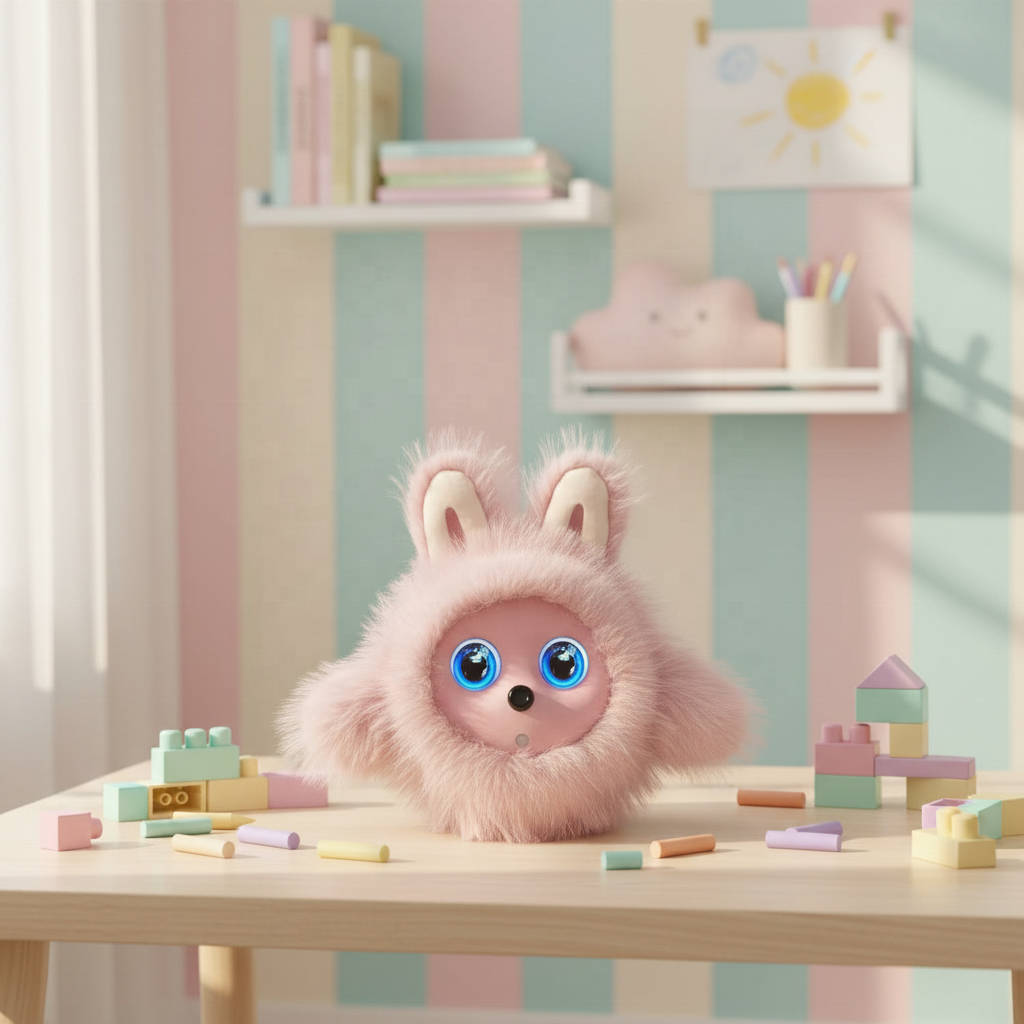
RG-AI-K01 Top Ranking AI Educational Robot Bunny Plush Toy with Smart Learning Mode

RG-AI-K01 Smart AI Robot Pet Plush Bunny for Interactive Fun and Daily Companionship
The Technical Anatomy of Next-Generation Smart Toy Robotics
A rigorous examination of acoustic isolation, mechatronic safety, embedded neural processing, and international compliance within intelligent robotic toy exports.
The global juvenile smart consumer electronics market has reached an inflection point. Conventional interactive toys—historically restricted to static audio pre-recordings triggered by crude mechanical leaf switches—are being superseded by Edge-AI-enabled conversational companion robots. Sourcing these advanced cyber-physical devices from China requires an analytical approach that evaluates both precision electronic manufacturing and classical plush/plastic toy compliance.
Suzhou ESPS Technology Co., Ltd. addresses the primary reason smart toy projects fail: fragmented vendor communication. Traditional sourcing arrangements segregate soft goods cut-and-sew operations, PCBA surface-mount technology (SMT) lines, micro-acoustic tuning labs, and certification consultants across isolated subcontractors. When acoustic feedback loops occur within the plush cavity, or battery containment fails ASTM F963 impact standards, finger-pointing creates catastrophic production delays. By uniting precision tooling (derived from our foundation in monitor and POS hardware systems) with dedicated cleanroom electro-acoustic assembly, our engineering operations produce cohesive, fully certified smart robots.
Dual-Microphone Beamforming & AEC
Our RG-AI-K01 architecture integrates high-SNR digital MEMS microphone arrays coupled with Acoustic Echo Cancellation (AEC) DSPs. This eliminates motor backlash noise and internal speaker feedback, enabling 96.8% wake-word accuracy up to 3.5 meters.
Thermal Dissipation in Soft Shells
Plush outer shells act as aggressive thermal insulators. We construct customized polyoxymethylene (POM) inner skeleton cages with passive micro-chimney heat vents, keeping lithium-ion cell operating temps below 37.5°C during continuous streaming.
Zero-Data-Retention Privacy Protocols
In full compliance with US COPPA Rule (16 CFR Part 312) and EU GDPR Recital 38, our companion platforms support offline localized inference for natural speech synthesis, avoiding unauthorized biometric transmission or cloud speech storage.
Technical Specification Comparison: Industrial Standard vs. ESPS RG-AI Enterprise Series
Procurement directors must look beyond external cosmetic aesthetics. The table below delineates the electromechanical divergence between tier-3 mass-market smart toys and our SGS-verified RG-AI-K01 manufacturing baseline:
| Engineering Attribute | Standard Mass-Market Export | ESPS RG-AI-K01 Specification | Compliance & Operational Impact |
|---|---|---|---|
| Processor Architecture | 8-bit or 16-bit OTP Microcontroller | Dual-Core 32-bit RISC-V + Dedicated NPU | High Real-Time Inference Sub-200ms natural conversational latency. |
| Voice Processing | Single omnidirectional analog mic | Dual MEMS Array with Far-Field Beamforming | Filters ambient room resonance and internal servo gear train audio. |
| Power Management & Safety | Unshielded 18650 pouch cell | Flame-Retardant ABS Battery Pod + PTC Protection | UN38.3 & IEC 62133 Verified drops without thermal runaway. |
| Chassis Structure | Loose stuffing around loose PCB | Rigid Internal Skeleton with Reinforced Seams | Passes 90N tension testing under EN 71-1:2014 Section 8.4. |
| Firmware Maintenance | Hardcoded mask ROM (Non-updatable) | Encrypted Dual-Partition OTA via BLE 5.3 / Wi-Fi | Enables continuous post-market lexicon and AI feature patching. |
Future Procurement Trends in Smart Toy Robotics (2025–2030)
Anticipate supply chain disruptions, shifting international consumer safety legislation, and key technology vectors shaping intelligent consumer goods procurement.
Hybrid Edge-Cloud SLMs
Toy robots are transitioning to hybridized on-device Small Language Models (SLMs). Offline edge inference provides instant basic dialog, while optional Wi-Fi relays complex generative Q&A through sandboxed, child-safe cloud agents.
Data Privacy Mandates
Regulatory scrutiny around biometric logging (voiceprints and facial vectors) is intensifying globally. Sourcing strategies now mandate cryptographic hardware root-of-trust chips that prevent firmware tampering and malicious reverse-engineering.
Multi-Modal Bio-Mimicry
Simple limb pivoting is being replaced by sub-miniature high-efficiency coreless motor servos and capacitive skin sensor arrays, enabling the robot pet to detect hugging, stroking, and drop impacts with biological realism.
Integrated Modular Platforms
Enterprise buyers are consolidating supply chains with vertically integrated manufacturers who handle injection molds, SMT pick-and-place, precision embroidery, and multi-national logistics under unified quality management systems.
Navigating the New Era of AI Hardware Sourcing
As international retail giants (including European hypermarkets, US specialty chains, and cross-border e-commerce brands) demand more interactive features, product lifecycle velocity has accelerated. In previous years, a typical electronic toy design lasted 24 to 36 months without core software changes. In the current generative AI cycle, firmware lexicons and interactive scenarios must evolve quarterly. Importers who buy low-cost fixed-ROM inventory risk severe price devaluation. By contrast, partnering with Suzhou ESPS ensures access to modular internal architectures where firmware can be maintained, localized, and patched over the air without re-tooling outer plush fabrics or plastic injection chassis.
Suzhou ESPS Technology: 16 Years of Precision Engineering
Combining precision metal/plastic tolerances from display mount systems with cleanroom electro-acoustic smart plush toy assembly.
SGS-Verified Custom Manufacturer in Jiangsu, China
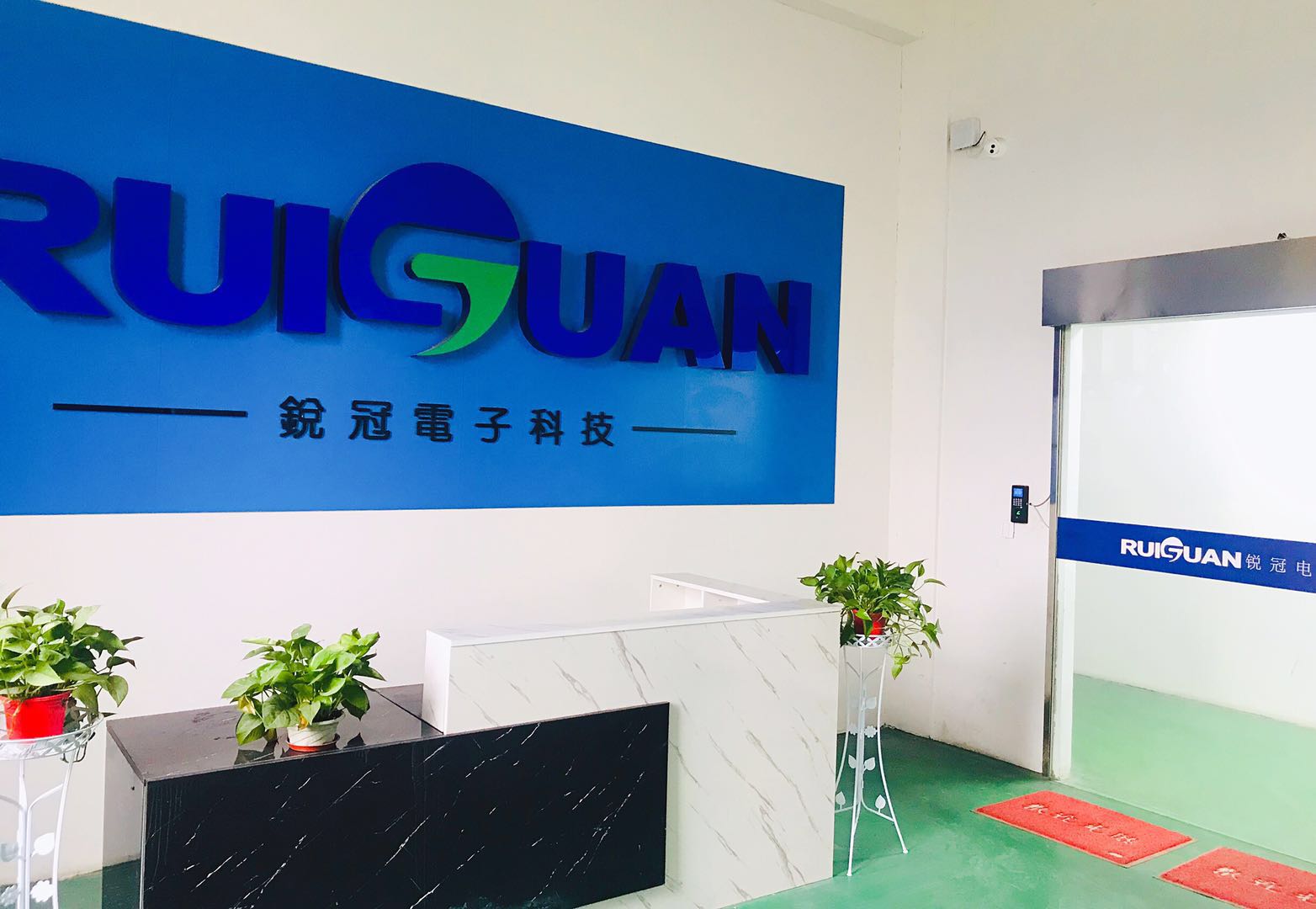
Founded in 2010 in Fenghuang Town, Zhangjiagang, Suzhou ESPS Technology Co., Ltd. operates with a verified physical facility spanning over 6,000 square meters. Our 69 verified technicians, precision toolmakers, and QA/QC specialists maintain zero-defect standards for global supply chains.





Systematic 4-Stage Quality Assurance Protocol
Every batch of intelligent plush robotics undergoes rigorous multi-stage verification before commercial dispatch:
Incoming Material Quality Control (IQC)
Micro-spectrometry verifies virgin non-toxic cotton, azo-free color-fast dyes, lead-free solder pastes, and original manufacturer A-grade Li-ion cells.
In-Process PCB & Audio Calibration (IPQC)
Automated Optical Inspection (AOI) inspects all SMD soldering joints. Audio chambers verify microphone calibration, wake sensitivity, and total harmonic distortion.
Physical Torture & Seam Integrity (FQC)
90N seam tensile pulls, drop tests onto solid concrete from 1.5 meters, thermal cycling, and 12-hour continuous cycling verify chassis resilience.
Export Outgoing Verification (OQC)
Carton drop testing (ISTA 1A), barcode readability, batch firmware version authentication, and shipping pallet balance audits ensure seamless customs clearance.
Frequently Asked Questions for B2B Importers & Toy Brands
In-depth technical, logistics, compliance, and OEM/ODM answers addressing common procurement inquiries.
What is the minimum order quantity (MOQ) for custom OEM/ODM AI toy robots?
Which laboratory safety and radio certifications are documented for your robots?
How does Suzhou ESPS handle privacy and child data compliance (COPPA / GDPR)?
Can you customize linguistic lexicons, dialect wake words, and synthetic accents?
What is the standard production lead time from prototype sign-off to container loading?
Launch Your Smart Companion Robot Line with an SGS-Verified Factory
Whether you need rapid delivery on certified catalog platforms like our RG-AI-K01 Bunny series, or require ground-up engineering for custom electromechanical plush robotics, our bilingual technical export team is ready to assist with full DFM reviews, compliance mapping, and transparent factory-direct pricing.
