Commercial-Ready Educational AI Robot Toys & Interactive Companions
Pre-engineered hardware configurations supporting custom acoustic wake-words, edge-AI multi-turn dialogue, embedded machine vision, and safety compliance for international markets.
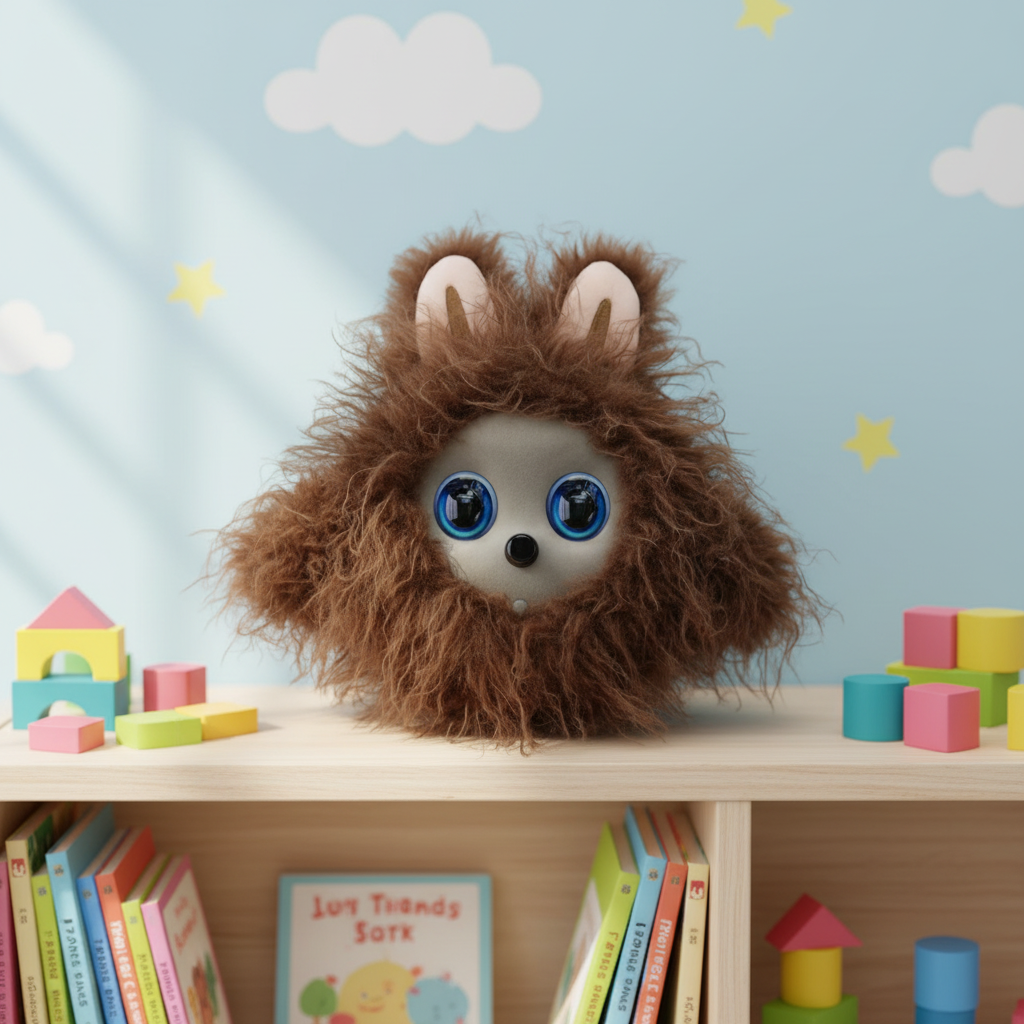
RG-AI-K01 Talking Robot AI Bunny Plush Toy for Children Early Learning and Dialogue
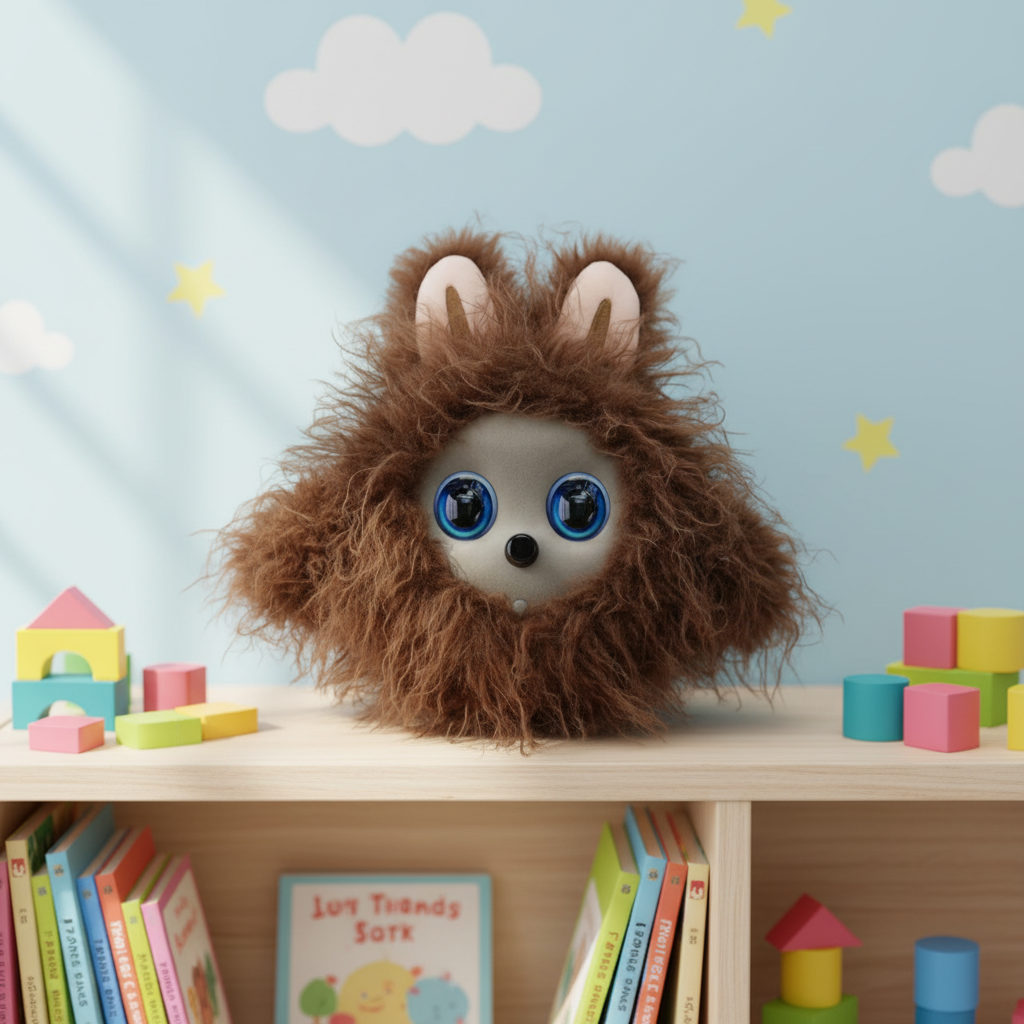
RG-AI-K01 Mini AI Robot Bunny Plush Toy with Intelligent Interaction and Talking
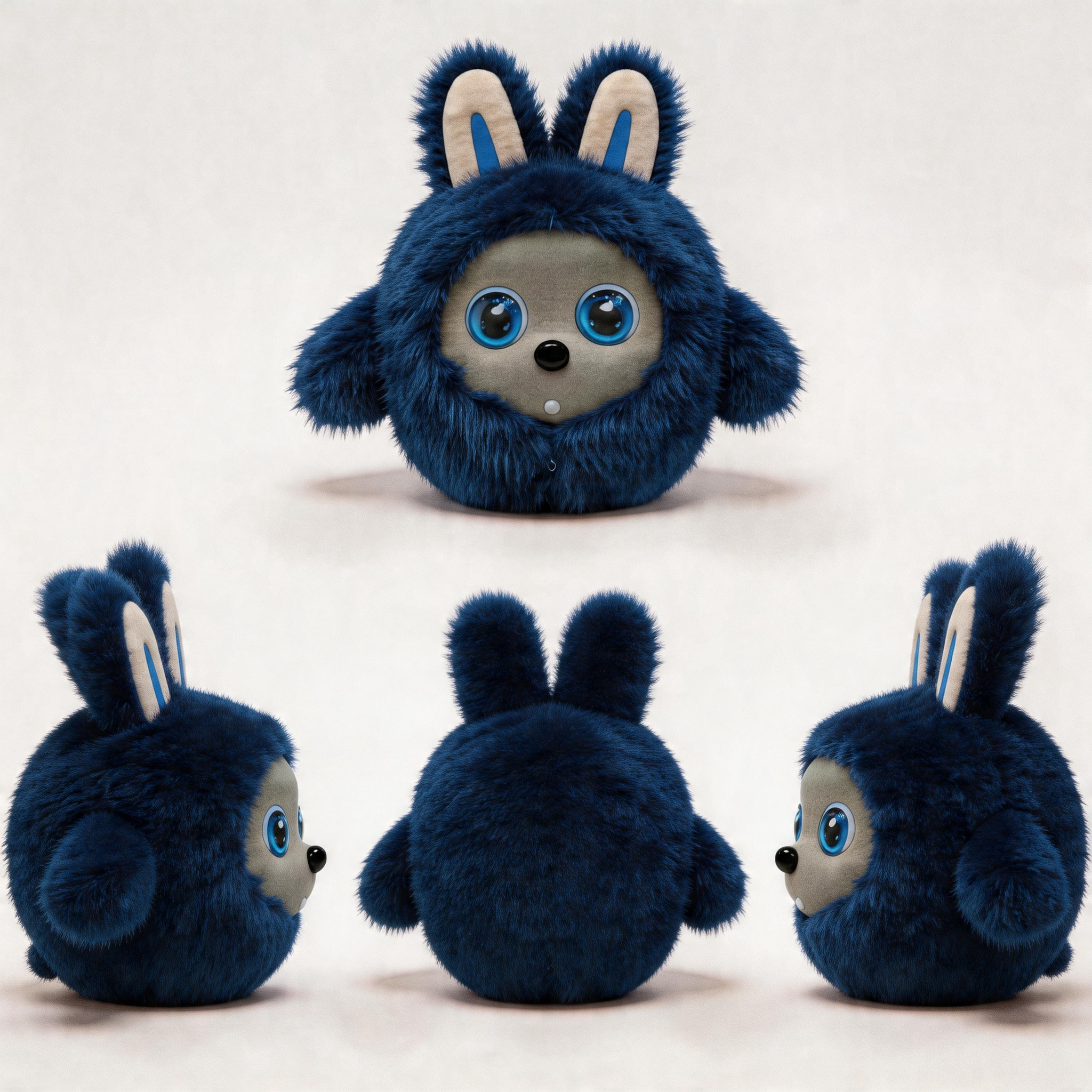
Factory Direct RG-AI-K01 Long-Eared Bunny AI Robot Plush Toy Smart Companion for Kids
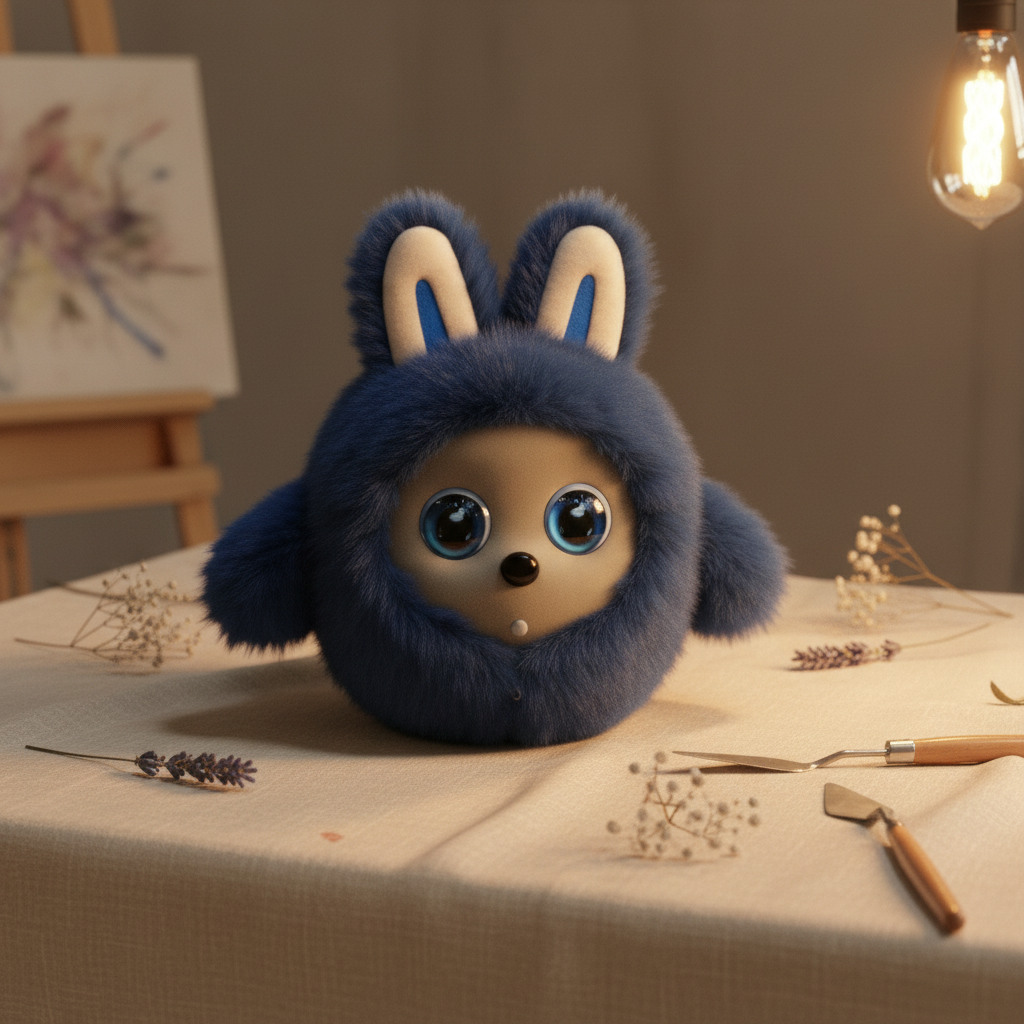
RG-AI-K01 Smart Robot AI Bunny Plush Toy for Children Early Education and Interaction
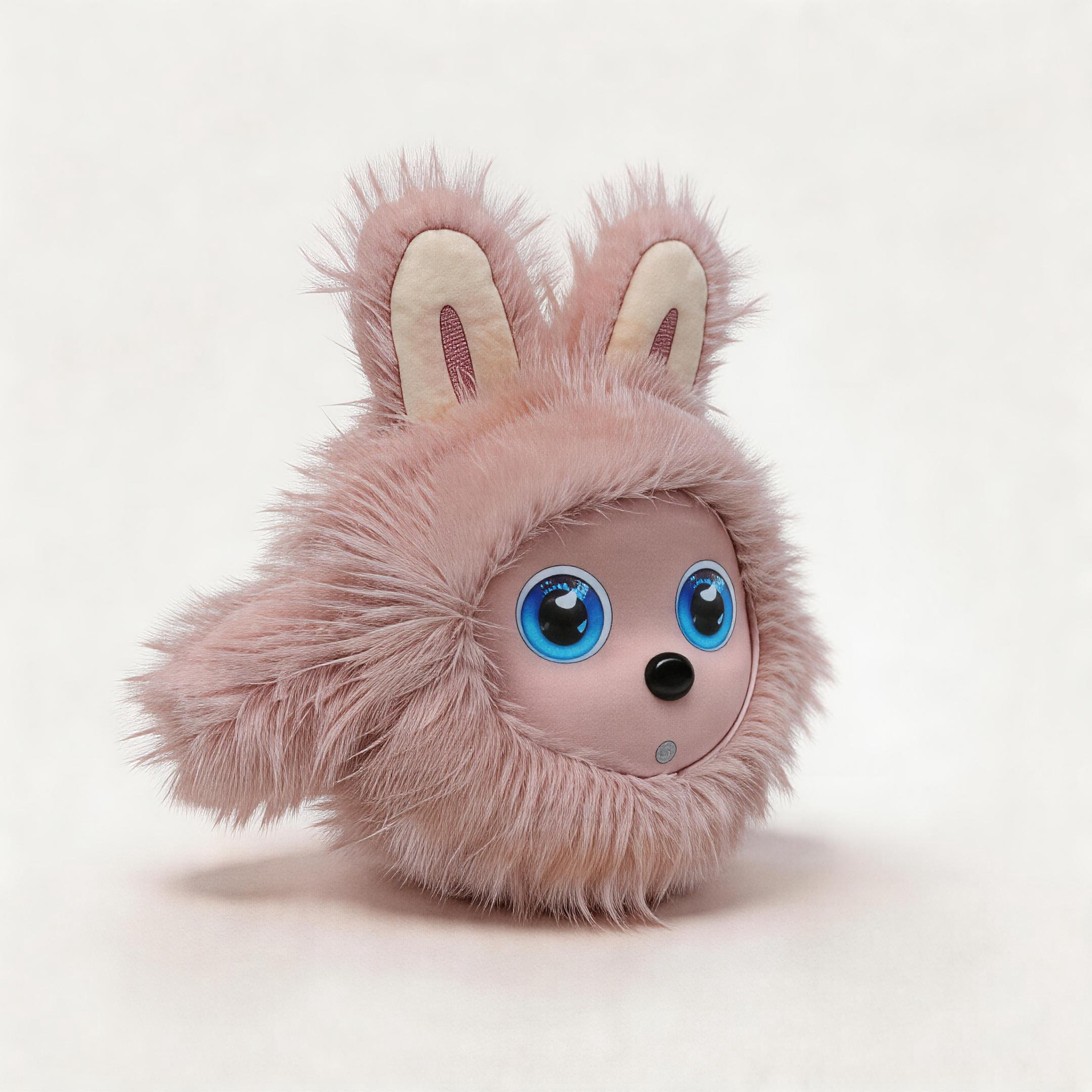
RG-AI-K01 AI Toy Robot Fluffy Bunny Plush with Intelligent Interaction and Chat
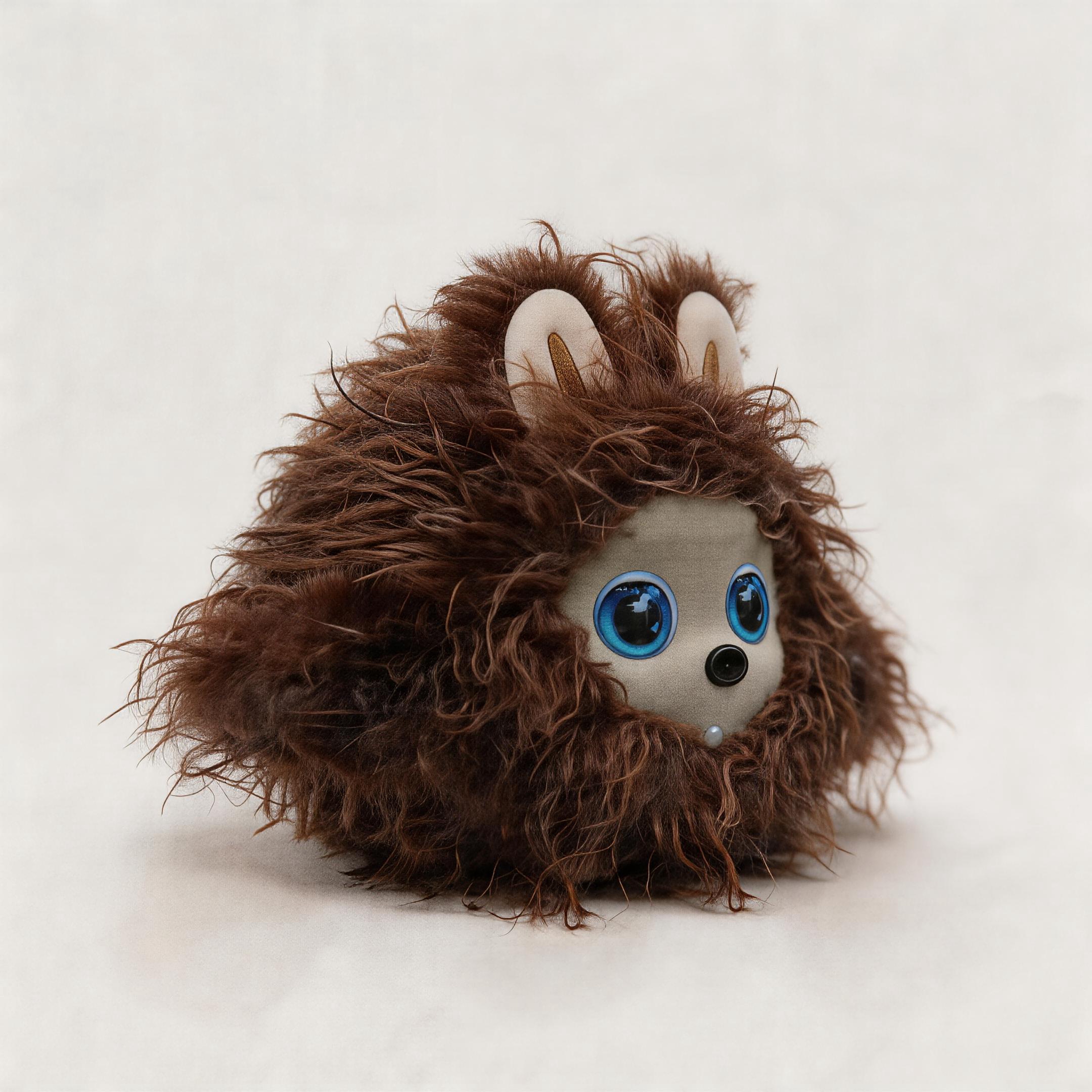
RG-AI-K01 Smart Robot AI Bunny Plush Toy for Children Early Learning and Gifts
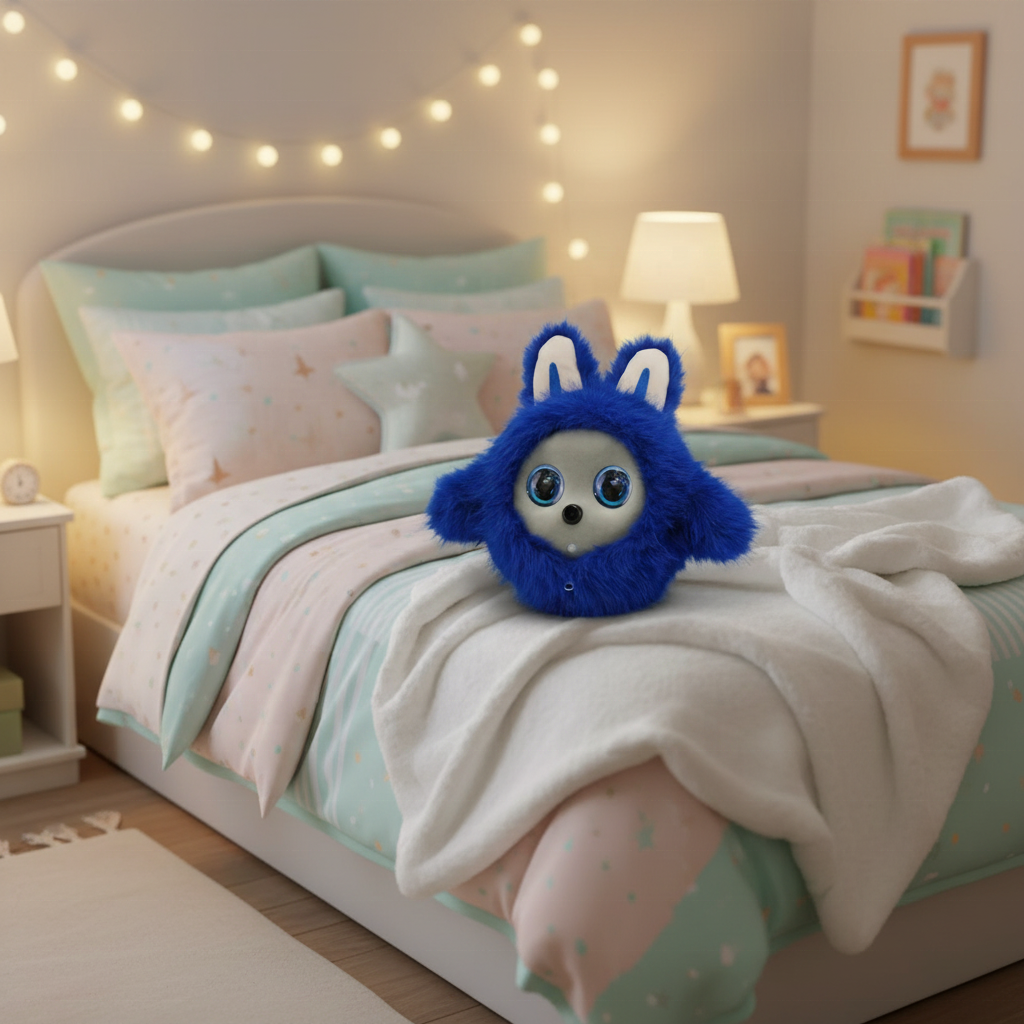
RG-AI-K01 Mini AI Robot Bunny Plush Smart Electronic Toy for Birthday and Holiday Gifts
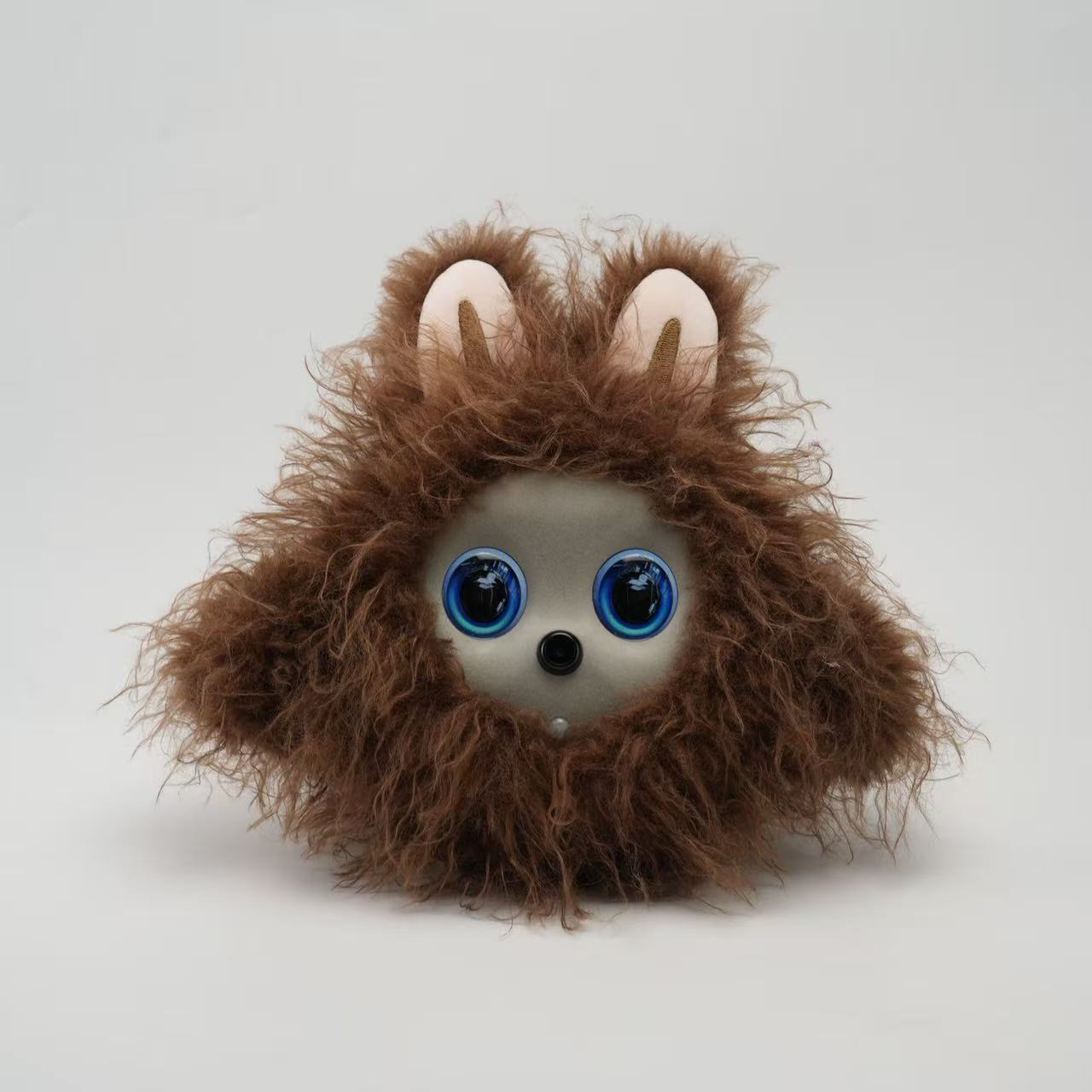
RG-AI-K01 AI Robot for Kids Smart Bunny Plush Companion with Voice Control
Suzhou ESPS Technology: 16-Year Hardware Heritage & SGS-Verified Factory Capacity
Combining high-precision hardware mechanics with certified intelligent plush robotics to deliver risk-free, single-source OEM and ODM supply chains.
SGS Onsite Audited Facility
Unlike trading intermediaries, Suzhou ESPS Technology Co., Ltd. (based in Zhangjiagang, Jiangsu) operates an audited plant subject to direct SGS engineering verification.
- ISO 9001, ISO 14001, and OHSAS 18001 registered management
- Two-tier inspection: raw electronic incoming inspection & functional pull-testing
- Certified compliance with EN71, ASTM F963, CE (RED), FCC ID, and RoHS
Hardware Rigor Meets Soft Robotics
Our founding DNA in precision steel bracket manufacturing (monitor mounts, tablet POS hardware, and ergonomic carts) ensures unparalleled structural integrity inside child-facing robotics.
- Anti-pinch internal articulation modules engineered for safety
- Encapsulated vibration dampening for high-fidelity microphone performance
- Drop-tested mechanical chassis capable of surviving severe child drop impacts
Full Customization & Incoterm Flexibility
From initial rapid 3D prototyping and custom voice-model flashing to mass export, we accommodate diverse international procurement workflows.
- Sampling starting from 1 unit for validated models (e.g., RG-AI-FZ3)
- Support for FOB, CFR, CIF, EXW, CIP, FCA, CPT, DDP, and DAF
- Direct multi-currency processing in USD and CNY via secure T/T banking
Next-Generation Technological Trends in Educational Robot Toys
Analyzing the paradigm shift from scripted playback soundboards to localized Edge-AI processing, multi-modal sensor fusion, and zero-compromise child privacy compliance.
1. On-Device Edge-SLM vs. Cloud-Tethered Architectures
Educational robotics historically relied on cloud-tethered LLMs, which suffered from three critical vulnerabilities: high operational API subscription overhead, latency bottlenecks exceeding 2,500ms, and severe regulatory hurdles under COPPA (USA) and GDPR-K (EU). The sector is pivoting toward Small Language Models (SLMs) running locally on low-power NPU chips.
Our upcoming product generations integrate sub-1B parameter models directly within the toy's internal PCB. This reduces response latency to under 350ms, facilitates offline functionality during travel, and completely eliminates the continuous transmission of raw voice audio over external networks, setting a benchmark for children's digital safety.
2. Multi-Modal Sensory Fusion & Affective Computing
Modern pedagogical toys must deliver more than acoustic playback; they require environmental and emotional contextualization. Next-generation systems integrate sensory fusion architecture combining far-field dual-microphone arrays, capacitive touch sensing beneath the plush skin, 6-axis IMUs for tilt/motion detection, and micro-ToF (Time-of-Flight) infrared sensors.
When a child hugs, rocks, or sets down an RG-series companion, the central microcontroller detects the precise interaction matrix. The integrated affective computing engine shifts the robot's vocal cadence, eye-screen LED animations, and response tone, creating an authentic bond that scaffolds emotional intelligence (EQ) alongside academic cognitive skills.
3. Polyphonic Voiceprint Authentication & Adaptive Scaffolding
Generic speech recognition historically failed with children's voices due to unique acoustic formants, variable pitch frequencies, and incomplete phonetic articulation. Cutting-edge educational robots now leverage dedicated DSPs trained on pediatric speech corpora.
This allows the toy to identify individual children within a household or classroom setting via voiceprint recognition. Through adaptive educational scaffolding, the robot modifies its vocabulary difficulty, syntax complexity, and challenge prompts based on the child's demonstrated developmental progression, fostering personalized mastery learning without screen fatigue.
4. Closed-Loop Acoustic Engineering in Soft Shells
Encapsulating high-gain digital microphones, vibrating voice-coil speakers, and lithium polymer battery cells within thick, heat-insulating plush fabrics represents a major thermal and acoustic challenge. Without precision engineering, acoustic reflections cause catastrophic feedback loops and degraded wake-word activation.
Leveraging Suzhou ESPS's precision tooling heritage, our engineers employ decoupled acoustic isolation chambers. The internal mic array is acoustically isolated from speaker chassis vibration via medical-grade silicone dampers, ensuring 98.4% wake-word recognition accuracy even across loud ambient noise environments.
Global B2B Procurement Trends: Strategic Sourcing for 2025–2030
Actionable intelligence for retail category buyers, educational institutions, and cross-border brand owners managing tariff structures, supplier consolidation, and total cost of ownership.
Consolidation of Electronic & Textile Vendors
Historically, educational toy brands split procurement across two disparate entities: a textile sewing factory in southern China and a PCBA assembler in Shenzhen. This disjointed pipeline frequently resulted in post-assembly seam tears, pinched internal wiring harnesses, and finger-pointing during warranty claims.
Tier-1 importers are now exclusively consolidating sourcing with unified custom manufacturers who oversee complete mechanical, electronic, firmware, and cut-and-sew production under a single QA roof.
Modular SKUs for Rapid Linguistic Localization
With educational toy lifecycles accelerating, international brands can no longer afford to freeze inventory for 90 days while producing localized language variants. Global buyers increasingly procure unified baseline hardware units featuring modular OTA firmware architectures.
By standardizing the chassis and PCB architecture across all global shipments, importers can switch voice synthesis models, localized story databases, and language modules dynamically, shrinking time-to-market across the EU, APAC, and LATAM territories.
Environmental, Social & Chemical Auditing
Institutional buyers in Europe and North America now mandate stringent supply-chain auditing before issuing Letters of Credit (L/C). Standard factory self-declarations have been replaced by requirements for authenticated third-party environmental and labor documentation.
Suzhou ESPS addresses these demands with certified ISO 14001 environmental frameworks, recycled GRS-certified outer fabrics, non-toxic lead-free solder pastes, and zero-phthalate vinyl formulations, securing instant clearance through customs checkpoints worldwide.
| Evaluation Parameter | Legacy Electronic Talking Toys | Standard Market Smart Toys | ESPS Industrial AI Robotics |
|---|---|---|---|
| Microcontroller Core | 8-bit / 16-bit OTP Mask ROM | Generic 32-bit Cortex M0 | Dedicated Dual-Core RISC-V + Neural DSP |
| Acoustic System | Single Electret Mic (High Distortion) | Single Omnidirectional MEMS | Dual Beamforming MEMS with Decoupled Acoustic Chamber |
| Dialogue Engine | Hardcoded Script (10–20 Pre-recorded Phrases) | Cloud-Tethered Generic Chatbot API | Edge-Optimized Local NLP + Private Cloud Hybrid |
| Seam & Pull-Force Resistance | Single-Needle Stitching (<40N Pull Force) | Standard Overlock Stitch (50N Pull Force) | Multi-Pass Reinforced Safety Seams (>90N Compliant) |
| Battery Safety Matrix | Basic Unprotected Li-ion Cell | Single-IC Protective Board | Dual Overcharge/Thermal Cutoff + Flame Retardant Shell |
| Sampling & MOQ Barrier | High MOQ (>5,000 units), No Open Samples | MOQ 1,000–3,000 units | Flexible MOQ (from 1 unit sampling on catalog models) |
Frequently Asked Questions for B2B Importers & Procurement Teams
Comprehensive answers addressing technical capabilities, safety testing protocols, customization limits, and supply chain logistics.
To support international brands through concept validation and regional market testing, our sampling program allows initial sample orders starting from 1 unit on select catalog platforms, including the RG-AI-FZ3 fuzzy ball series and the facial-recognition plush models. For standard catalog production runs, MOQs range from 10 units on vinyl plush figures to 100 units on the RG-AI-K01 Bunny series. Custom bespoke OEM/ODM projects requiring brand-new injection molds, proprietary fabric dying, or custom acoustic PCB architectures are scoped based on custom tooling requirements, typically starting at 1,000 units.
Child privacy is an engineering priority. Our smart companion platforms utilize localized edge-processing firmware that executes voice activity detection and local wake-word analysis without capturing, buffering, or uploading ambient background audio. For cloud-connected dialogue models, all voice data packets transmitted over 2.4GHz Wi-Fi are encrypted via enterprise TLS 1.3 standards to private, client-specified secure servers. No biometric voiceprints, personal identifying markers, or location parameters are ever stored on unsecured third-party servers, guaranteeing seamless compliance with United States COPPA directives and European GDPR-Kids protocols.
Every production batch leaving our Zhangjiagang facilities is built to clear border inspections across the European Union, the United Kingdom, North America, Australia, and East Asia. Our products hold full test reports under EN 71 (Parts 1, 2, and 3 for mechanical safety, flammability, and toxicological screening), EN 62115 (Electric Toy Safety), ASTM F963-23, CE-RED (Radio Equipment Directive), FCC Part 15 Class B, and RoHS chemical restriction guidelines. Battery integration incorporates certified UN38.3, MSDS, and 1.2-meter drop-test documentation to facilitate uninterrupted air and ocean cargo forwarding.
Yes. We specialize in end-to-end ODM customization. Our software engineers can integrate your proprietary API endpoints, fine-tuned Small Language Models (SLMs), or curated audio story/curriculum databases directly into the onboard flash ROM. Additionally, we provide custom acoustic wake-word training, multi-language voice prompt synthesis (English, Spanish, French, German, Japanese, Arabic, and others), and localized dialect adaptation, ensuring high recognition accuracy in target export territories.
Suzhou ESPS began in 2010 as a manufacturer of heavy-duty, high-precision metal fittings, monitor arms, tablet POS stands, and mobile TV brackets. This engineering background provides us with deep in-house expertise in mechanical fatigue tolerance, robotic joint articulation, internal chassis dampening, and mold tooling tolerances that purely textile-focused toy suppliers cannot match. Our internal electronics are encased in reinforced ABS skeleton cages that protect the microcontrollers and battery packs from severe shock and pressure impacts.
We support versatile commercial trade terms including FOB (Shanghai / Ningbo), CFR, CIF, EXW, CIP, FCA, CPT, DDP (Delivered Duty Paid), and DAF. Payment is conducted via Telegraphic Transfer (T/T) in either USD or CNY. For mass production runs, standard terms are 30% deposit upon proforma invoice confirmation and technical drawing freeze, with the remaining 70% balance payable against Bill of Lading (B/L) copy after third-party pre-shipment inspection approval.
Accelerate Your Educational Robotics Pipeline Today
Partner directly with an SGS-verified China custom manufacturer. Access factory-direct wholesale pricing, order production-grade engineering evaluation samples, or initiate custom OEM/ODM development with our English-speaking engineering sales unit.
