Intelligent Dialogue

Explore our flagship turnkey AI robotic platforms. Engineered with dual-core acoustic DSPs, onboard neural speech synthesis, capacitive sensory shells, and international child safety certifications.


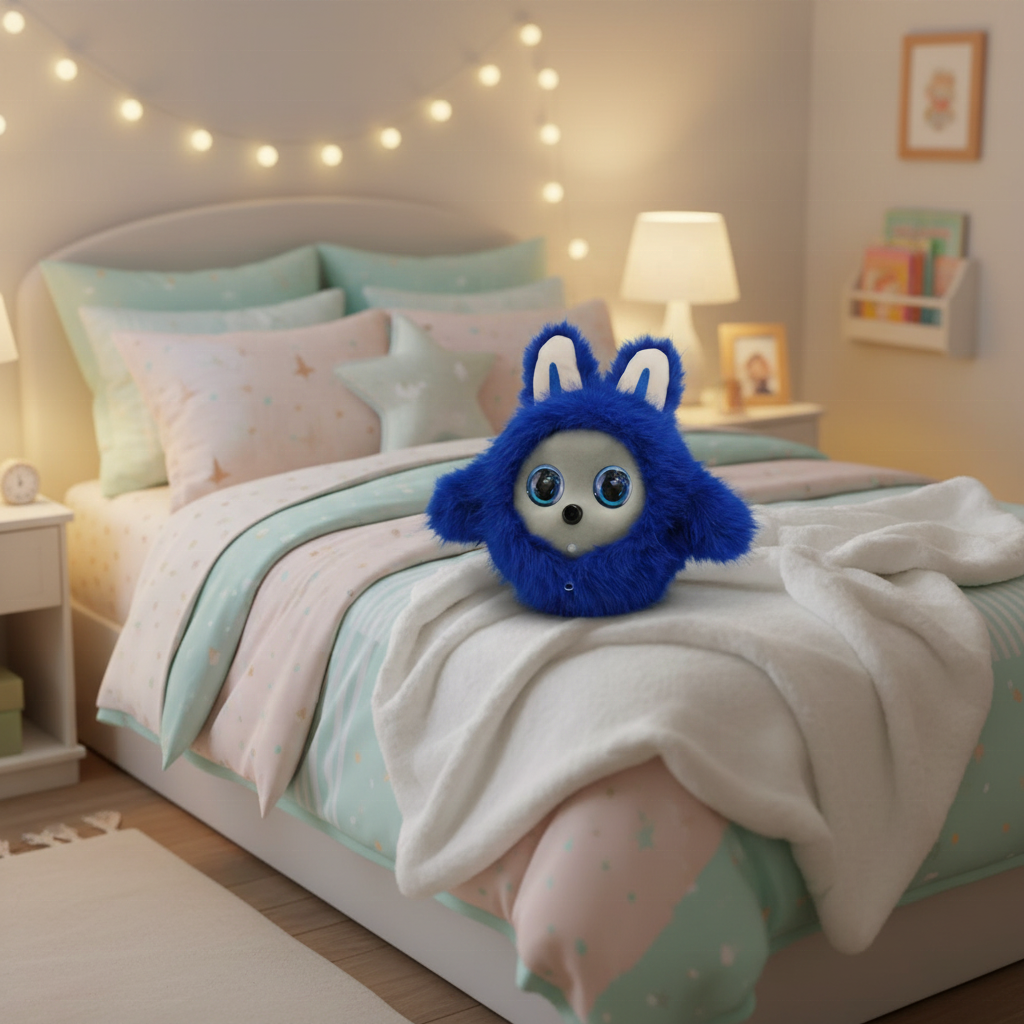


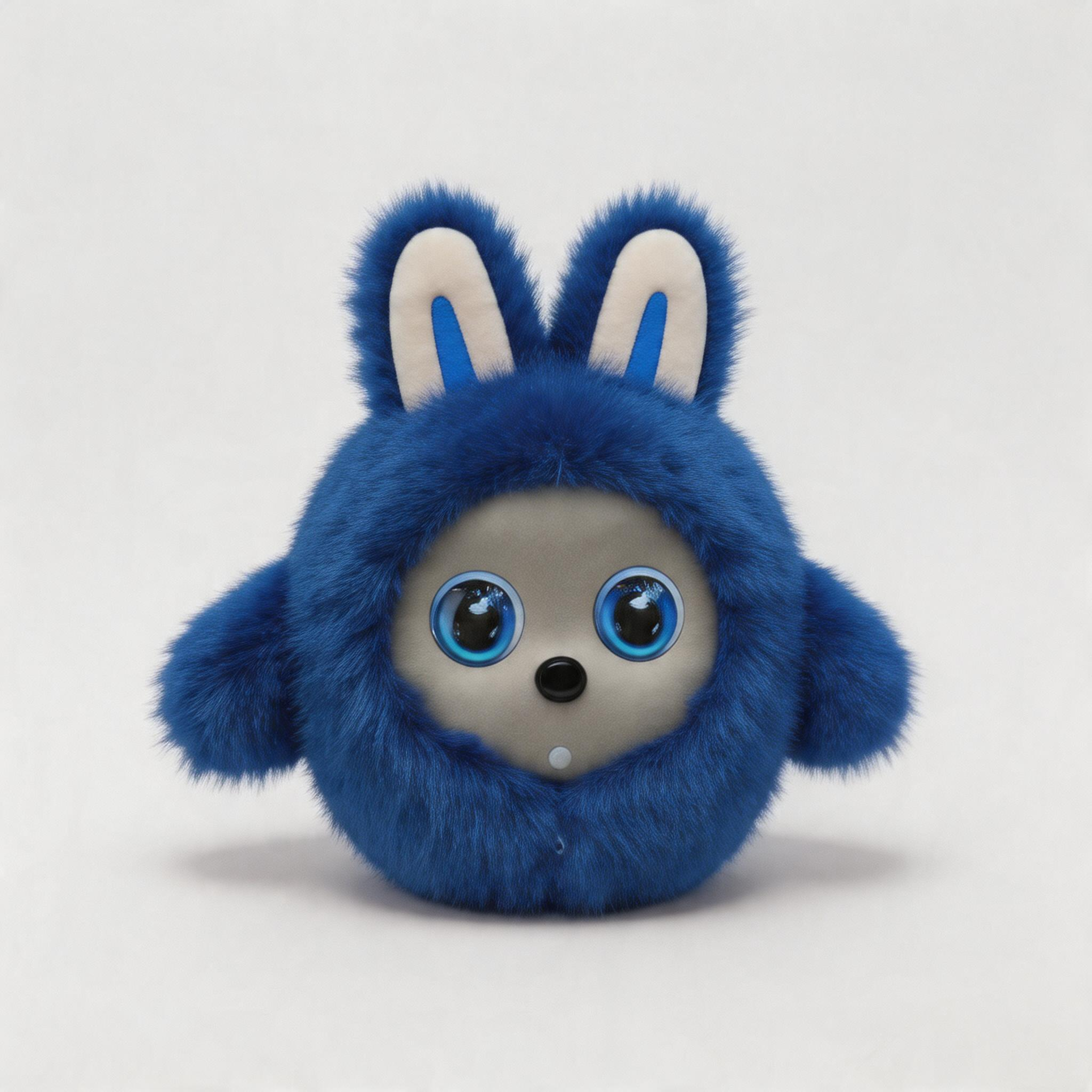

An engineering breakdown of how China's precision contract manufacturing ecosystem is redefining child-robot interaction (CRI) through localized computing, acoustic dampening, and multi-sensor fusion.
The global smart toy sector has reached an architectural inflection point. The legacy paradigm—characterized by pre-recorded, mask-ROM sound chips, simplistic capacitive trigger pins, and rigid binary branching dialogues—is obsolete. Modern consumers and institutional toy distributors demand context-aware companion agents capable of open-domain conversation, expressive emotional cues, and real-time behavioral adaptation. As an SGS-verified custom manufacturer rooted in precision engineering, Suzhou ESPS Technology Co., Ltd. (ESPS) examines how integrating embedded hardware with machine intelligence transforms smart plush toys into responsive educational platforms.
Unlike rigid plastics, plush shells absorb and scatter sound waves unpredictably. Our structural engineers create isolated resonant sub-chambers for speaker drivers while deploying sound-isolation baffling around dual MEMS microphone arrays. This reduces acoustic echo feedback (AEC) and maintains wake-word detection rates above 97% even when high-pile polyester fibers cover the microphone apertures.
Children lose attention if conversational pauses exceed 800 milliseconds. ESPS implements a hybrid edge-cloud orchestration pipeline: deterministic commands, wake-up phonemes, and reflex expressions execute locally on high-efficiency ARM Cortex-M or RISC-V silicon within 120ms, while generative dialogue routes through encrypted cloud LLM endpoints optimized for sub-700ms round trips.
Global privacy regulations (US COPPA, EU GDPR-K, and California Age-Appropriate Design Code) forbid the indefinite retention of biometric voice signatures. Our hardware embeds physical hardware kill-switches, localized feature extraction (converting raw waveforms into tokenized phonemes on-device), and zero-retention cloud handshakes to safeguard sensitive data.
A detailed comparison between legacy electronic toys, current connected plush, and ESPS's next-generation edge-AI companion robotics platforms.
| Engineering Attribute | Legacy Electronic Toys (2015-2020) | Early Connected Toys (2020-2023) | Next-Gen ESPS AI Platforms (2025-2030) |
|---|---|---|---|
| Speech Processing | Fixed ROM sound playback (~10-30 phrases) | Cloud-tethered ASR with 2000ms+ latency | Hybrid Edge ASR + SLM (Sub-600ms latency) |
| Sensory Integration | Mechanical spring switches & push-buttons | Basic single-zone capacitive touch pads | Multi-zone capacitive skins + 6-axis IMU + Facial Tracking |
| Expression Output | Single LED flash or static painted eyes | Monochrome segmented LCD displays | Dynamic dual RGB OLED / Micro-LED animated emotional eyes |
| Thermal & Power Safety | Standard alkaline dry batteries (AA/AAA) | Basic Li-ion cell without thermal containment | Flame-retardant ABS-wrapped LiPo with NTC thermistor cutoffs |
| Firmware & Lifespan | Factory-sealed, no post-purchase updates | Unstable Bluetooth SPP manual firmware flash | Secure dual-bank OTA updates via Wi-Fi 6 & BLE 5.3 |
Strategic supply chain directives for category managers, toy importers, and IP license holders preparing inventory strategies over the next five years.
Historically, brands procured electronic PCB modules from Shenzhen and shipped them to plush cut-and-sew workshops in Yangzhou or Shandong. This fragmented approach resulted in catastrophic failure rates during final ultrasonic welding and stuffing. Future procurement mandates single-source mechatronics integration—where circuit design, housing molding, acoustic chamber tuning, and robotic seam stitching take place within one audited quality envelope.
Global retailers are transitioning away from zero-margin hardware sales toward recurring software models. Modern AI plush devices serve as hardware gateways. Forward-looking procurement contracts demand micro-OTA frameworks capable of downloading new language packs, holiday persona scripts, and educational STEM curricula over secure mobile companion apps, unlocking post-purchase subscription revenue.
European and North American retailers (Target, Walmart, Carrefour) mandate strict ESG documentation. Procurement trends indicate a 40% surge in requests for GRS (Global Recycled Standard) verified rPET plush fibers, biodegradable corn-starch PLA internal skeletons, and non-halogenated circuit boards that satisfy RoHS 2.0 and WEEE recycling directives without compromising child tear-strength thresholds.
Founded in 2010 in Zhangjiagang, Jiangsu, ESPS combines heavy-duty precision hardware assembly with advanced consumer mechatronics. An SGS-verified custom manufacturer bridging the gap between soft goods and smart IoT hardware.
Our Zhangjiagang facilities undergo rigorous on-site verification by SGS Group. Floor space, mechanical tooling, static-free cleanrooms, and QA/QC inspection lines are certified under ISO 9001, ISO 14001, and OHSAS 18001.
Leveraging over a decade of precision hardware manufacturing (monitor stands, POS mounts, and mobile TV brackets), we apply tight metal-to-plastic tolerances and thermal heat dissipation protocols to companion robot chassis.
Incoming raw materials (fabrics, stuffing, MCUs, battery cells) undergo 100% incoming lot inspection. Finished robots undergo 48-hour continuous burn-in, acoustic sweep tests, and drop-table impact checks prior to carton packing.
Exporting to over 45 countries across North America, Europe, East Asia, and South America. We support full multi-modal shipping terms: FOB Shanghai/Ningbo, CIF, CFR, EXW, FCA, CPT, and door-to-door DDP with cleared duties.
Authentic photographic documentation from our Zhangjiagang assembly lines, quality testing labs, and showroom facilities.
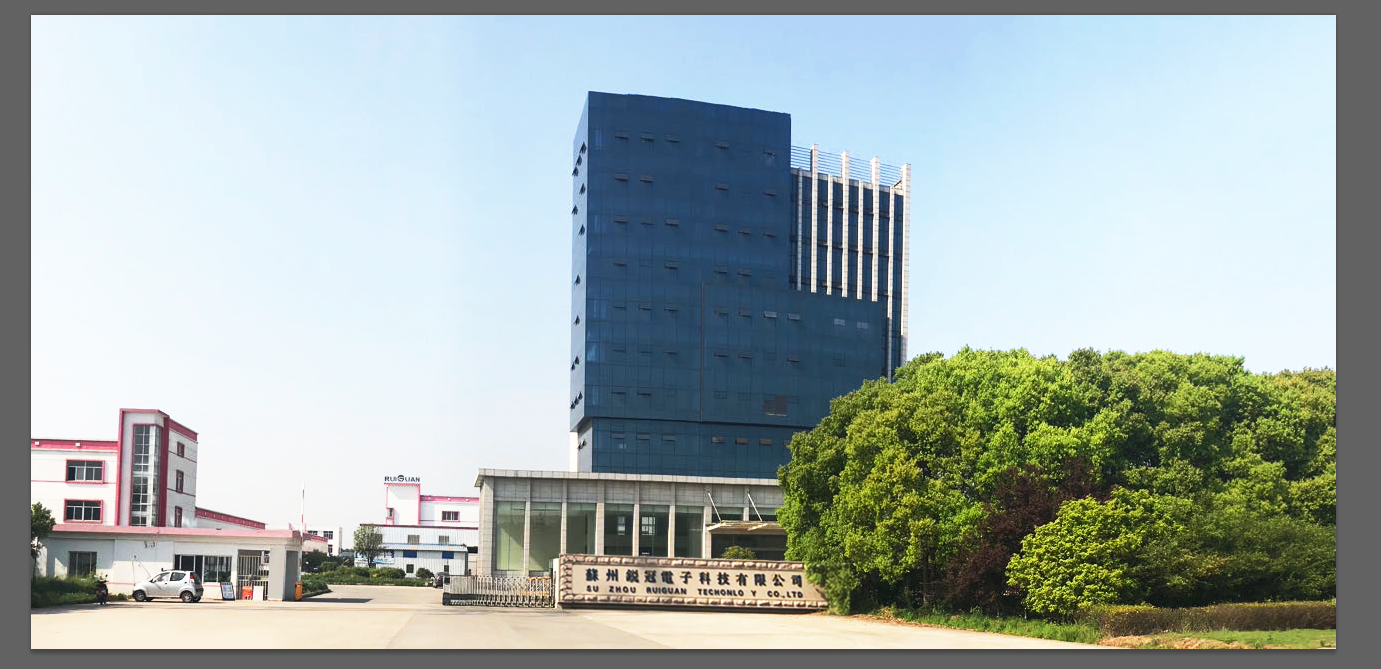
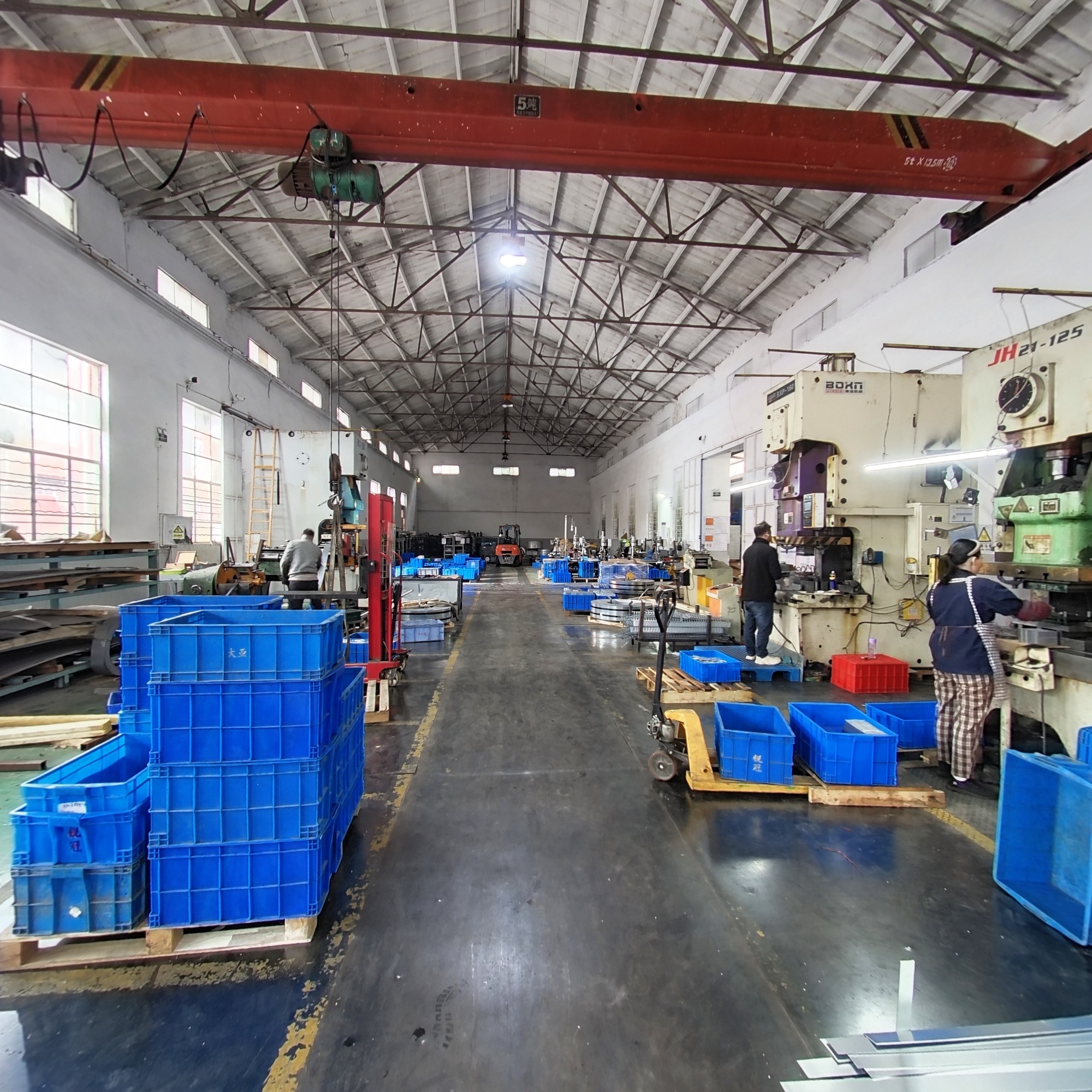
Navigating the intersection of mechanical toy safety, radio-frequency emissions, battery transport, and child data protection laws.
| Compliance Vector | Target Market Jurisdictions | Standard / Certification Protocol | ESPS Factory Engineering Measure |
|---|---|---|---|
| Mechanical & Physical Safety | European Union & United Kingdom | EN 71-1, EN 71-2, UKCA | Seam tensile pull-testing exceeding 90N; locked battery enclosures requiring specialized tools; torque tests on eyes/noses. |
| Flammability & Toxicity | United States & Canada | ASTM F963-17 / CPSIA Section 101/108 | Non-toxic polyester fill; total lead content below 90 ppm; 100% phthalate-free vinyl components; flame retardant flammability index. |
| Wireless & Radio Emissions | North America / European Union | FCC Part 15 Class B, CE RED (Radio Directive) | Pre-scanned RF shielded anechoic chamber testing; low-power spurious emission filtering; calibrated SAR compliance for head/hand proximity. |
| Hazardous Substances | Global / European Union | RoHS 2.0 (2011/65/EU) & REACH | Lead-free reflow soldering lines; independent XRF spectrometry scanning of PCB passives, cables, and enclosure plastics. |
| Rechargeable Battery Safety | International Air & Sea Transport | UN 38.3, IEC 62133, MSDS | Dedicated battery management circuit (BMS) with over-charge, over-discharge, short-circuit, and high-temp thermal cutoff protections. |
Clear, direct answers regarding custom engineering, minimum order quantities, lead times, IP protection, and firmware customization.
Consult directly with our mechatronic engineering and export compliance team. We provide DFM (Design for Manufacturing) analysis, prototype BOM costing, acoustic chamber assessments, and safety regulatory mapping within 24 business hours.
