Flagship AI Robot Pets & Smart Companion Devices
Industrial-grade micro-controllers, low-latency conversational firmware, child-safe plush touchscreens, and dynamic tactile feedback.

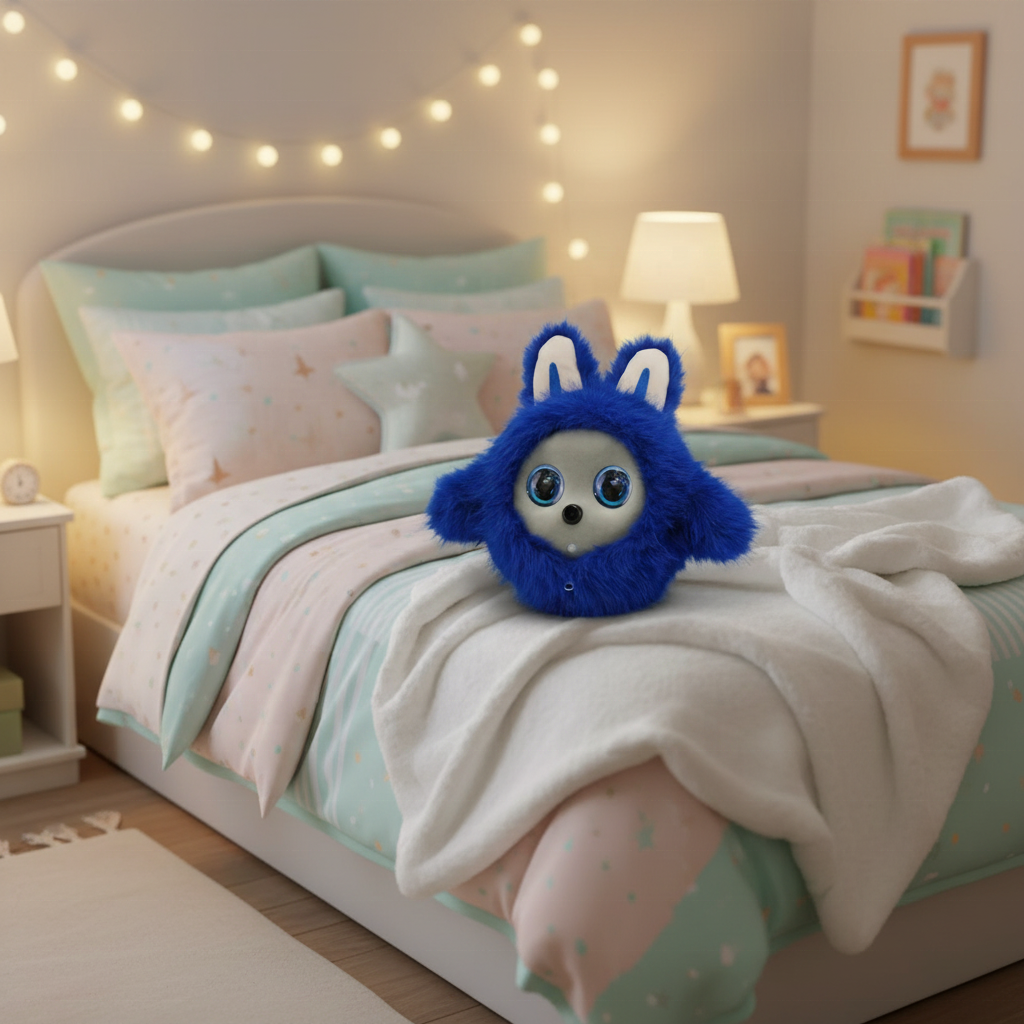


The Paradigm Shift: From Animatronics to Generative Embodied Pets
A comprehensive examination of why tier-one brand owners, robotics distributors, and educational toy importers are realigning procurement strategies toward Chinese manufacturing ecosystems.
The Convergence of Generative AI & Haptic Mechatronics
The global companion robotics sector is navigating a tectonic disruption. Historically, traditional robotic toys operated on pre-recorded script loops and crude optoelectronic switches. These rudimentary configurations provided nominal engagement lifespans, often suffering high return rates and poor user retention after 14 days of consumer deployment.
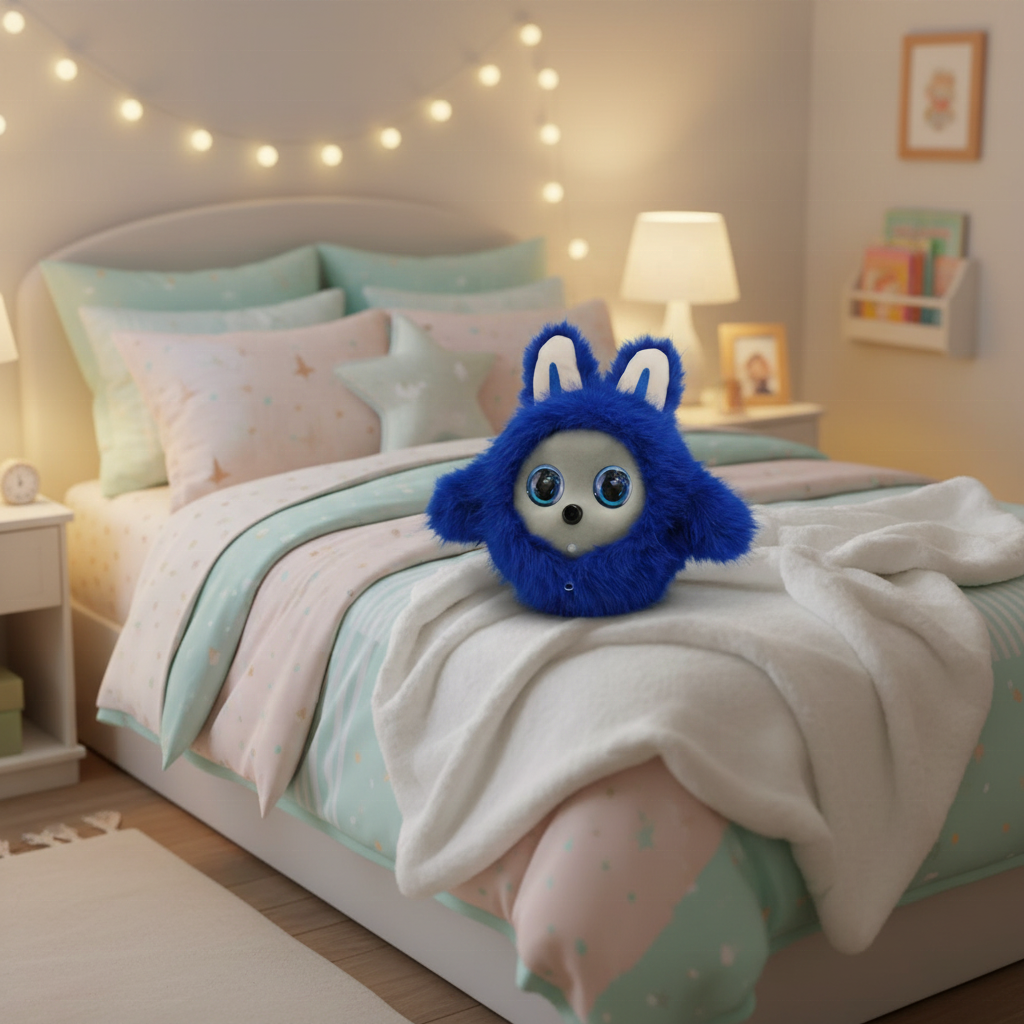
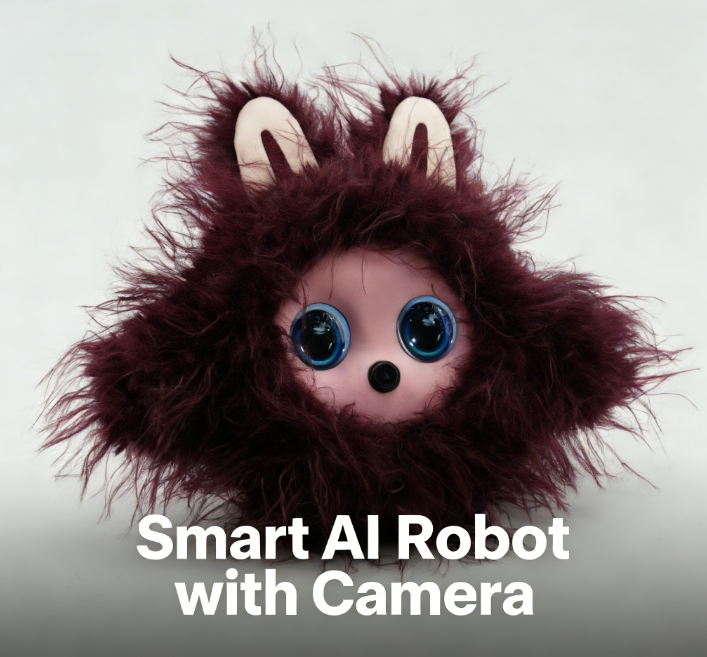
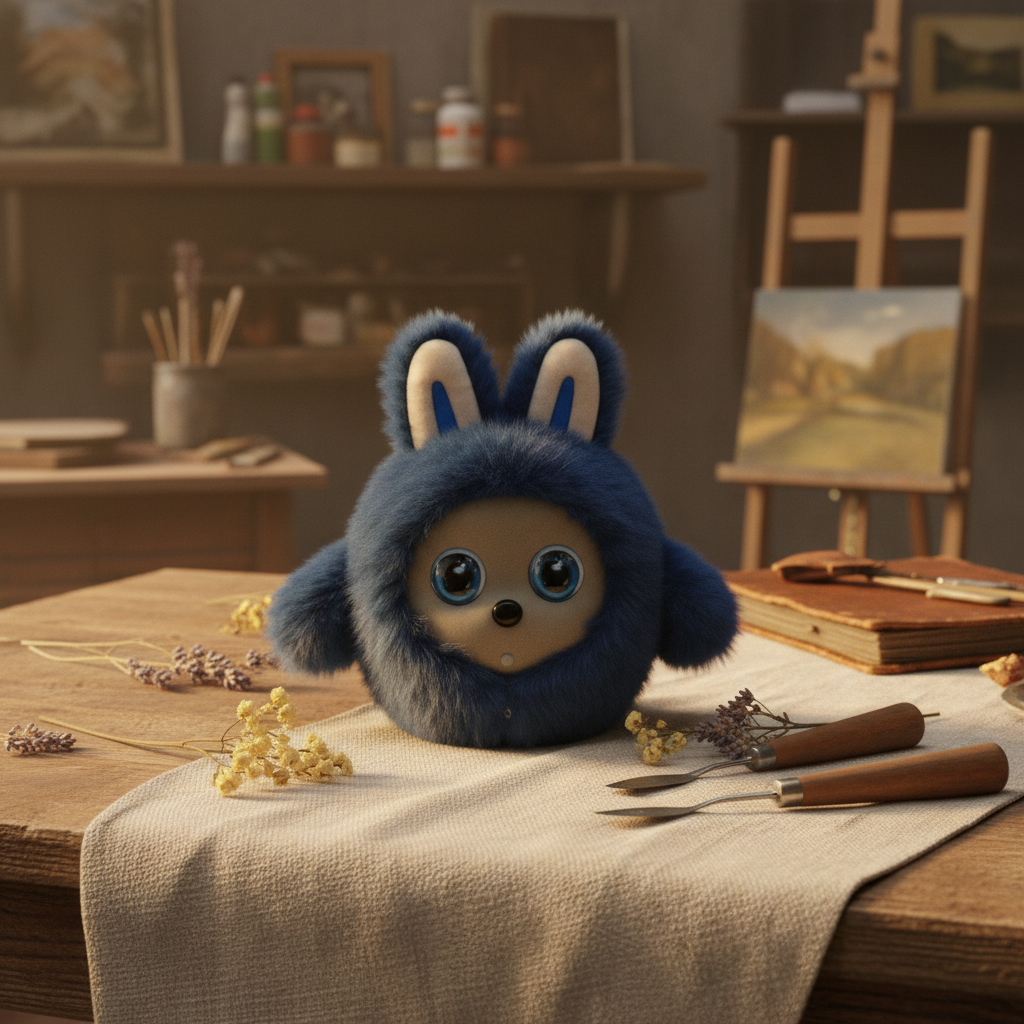
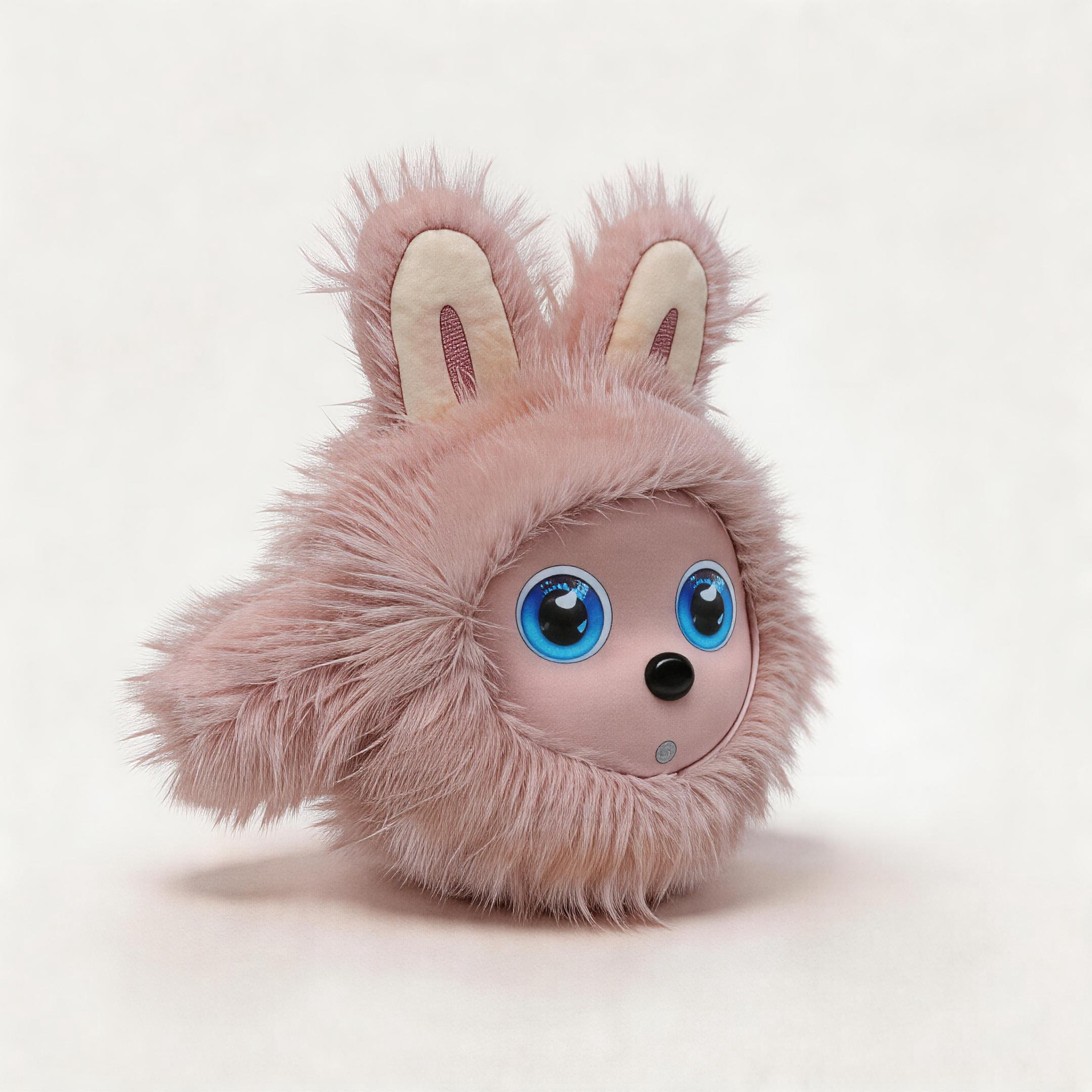
Today, Chinese high-tech manufacturers such as Suzhou ESPS Technology Co., Ltd. are pioneering the deployment of on-device embedded neural processors (NPUs) paired with edge-cloud hybrid large language models (LLMs). This architectural convergence transforms the conventional electronic plush rabbit or canine into a hyper-personalized companion capable of episodic memory retrieval, semantic voice analysis, and emotional adaptation.
By engineering custom-molded skeletal frameworks fitted with brushless micro-servos and capacitance-based tactile skin arrays, modern Chinese manufacturers guarantee a lifelike kinetic response. When a child or geriatric owner strokes the plush exterior, internal sensor grids register touch velocity and pressure dynamics, immediately translating them into affectionate mechanical ear wiggles, LED pupil dilatations, and comforting vocalizations.
Macroeconomic Procurement Drivers: Why China Leads the Supply Chain
Procuring companion robots involves multifaceted engineering intersections: precision tooling, injection molding, electronic component sourcing, plush textile craftsmanship, high-yield SMT (Surface Mount Technology), and uncompromising compliance testing. China's Yangtze River Delta and Greater Bay Area remain the only industrial corridors globally where all these nodes converge within a 50-kilometer radius.
Western hardware startups and established retail giants routinely encounter protracted developmental bottlenecks when attempting to assemble AI toys in fragmented regions. At ESPS Technology, backed by our 16-year legacy in precision hardware fabrication, precision stampings, and 40 certified auxiliary sub-plants, we compress prototype-to-tooling lead cycles from nine months down to 45 business days.
Furthermore, local integration guarantees streamlined quality oversight. Factory-level testing includes automated drop rigs, needle detector safety lines, automated acoustic acoustic chambers, and accelerated thermal chamber endurance runs, delivering defect rates beneath 120 PPM (parts per million).
Next-Generation AI Pet Robot Sourcing Trends (2025–2030)
Critical engineering considerations, firmware architectures, and compliance benchmarks every B2B buyer must audit before committing capital.
1. Multimodal Edge-Compute Integration
Buyers are shifting away from dumb-cloud dependencies. Future pet models incorporate 1.2 TOPS edge NPU silicon directly onto mainboards, permitting offline facial verification, speaker identification, and immediate offline gesture processing without recurring cloud server subscription costs.
2. Zero-Trust Child Data Privacy
Global regulatory bodies (FCC, CE-RED, UK PSTI) are enforcing strict hardware-level encryption. State-of-the-art AI pets now utilize encrypted onboard memory partitions (eMMC with AES-256) and physical microphone disconnect toggle switches to protect domestic audio-visual streams.
3. Biocompatible & Washable Skins
Commercial durability relies on maintainability. Next-gen sourcing mandates quick-release internal mechatronic exoskeletons, permitting the outer plush skin (tested under OEKO-TEX Standard 100) to be fully detached, laundered, or interchanged with variant aesthetic skins in seconds.
4. Low-Carbon Recycled Polymers
Driven by EU Corporate Sustainability Due Diligence, tier-one retailers demand structural chassis constructed from GRS-certified post-consumer recycled ABS. Sustainable packaging eliminates single-use plastics in favor of soy-ink corrugated cardboard and bio-foams.
5. Geriatric Therapy & Healthcare Pivot
While early demand was concentrated in toy retail, senior care facilities across Japan, Europe, and North America represent the highest growth CAGR. Companion robots equipped with fall notification alerts, medication reminders, and cognitive stimulation routines dominate export requests.
6. Modular Firmware Customization (White-Label)
Modern B2B buyers avoid lock-in. Sourcing contracts heavily favor manufacturers providing turnkey SDKs, open API access to LLM token switching (OpenAI, Claude, DeepSeek, or localized private servers), and effortless branded wake-word training.
Suzhou ESPS Technology: 16 Years of Industrial Manufacturing Mastery
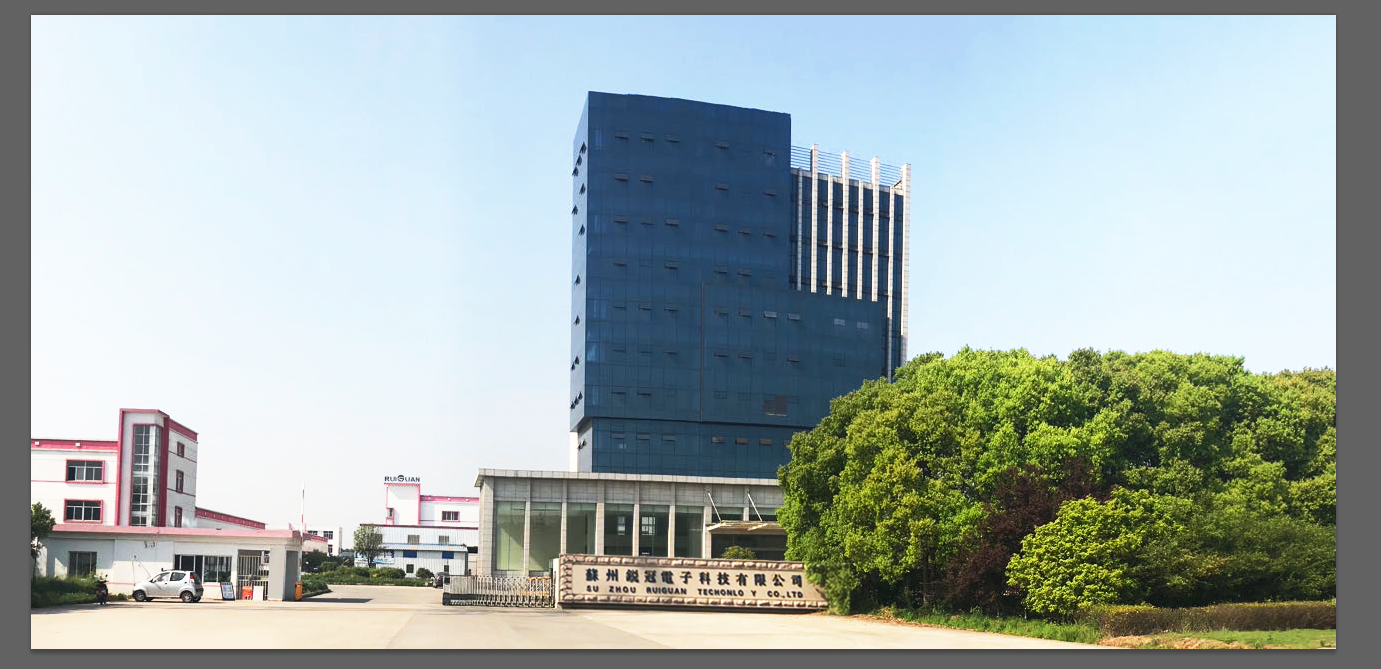
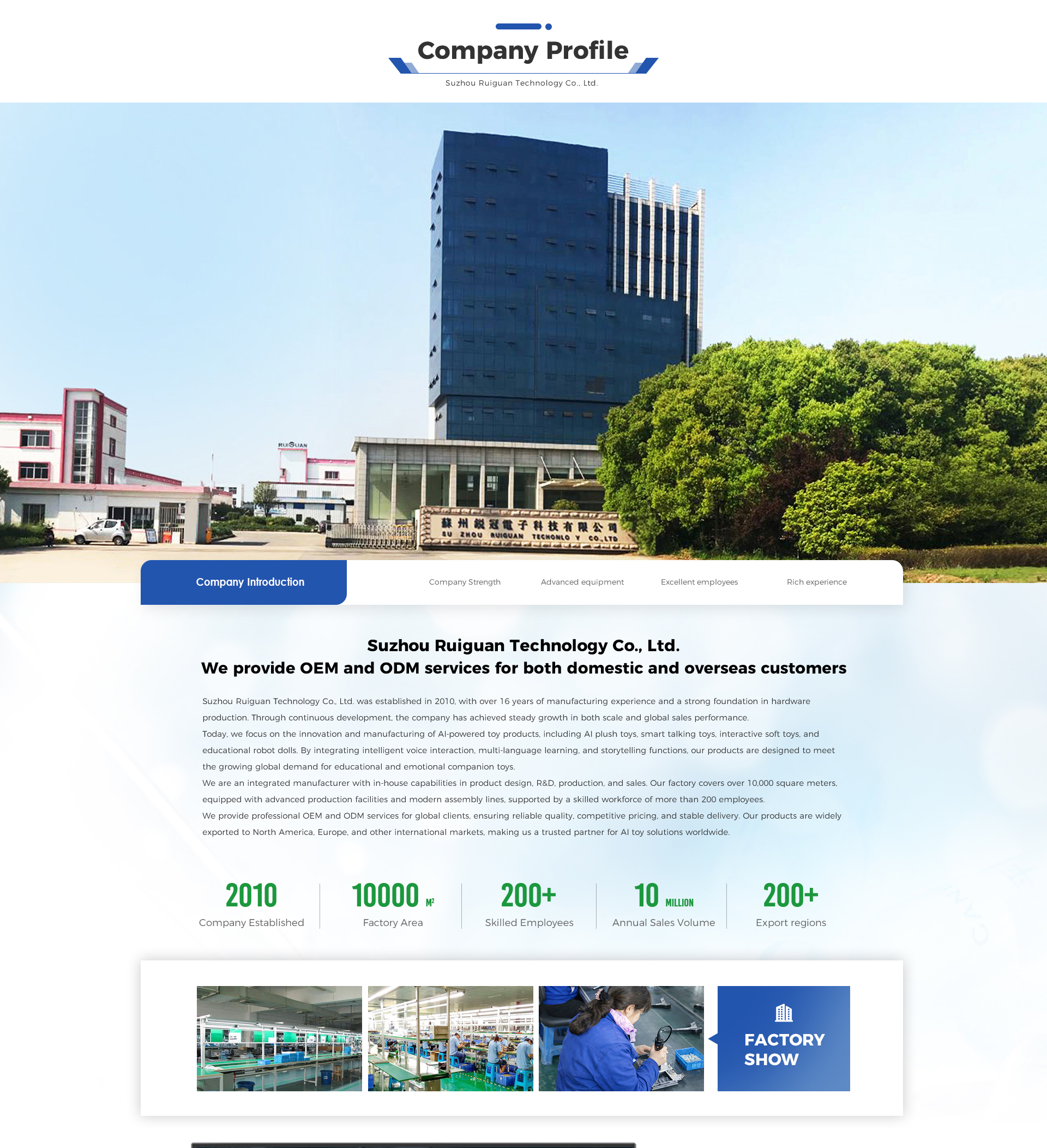
Founded in 2010 in Zhangjiagang, Jiangsu, Suzhou ESPS Technology Co., Ltd. has evolved from a high-precision hardware stamping and monitor display bracket manufacturer into a recognized leader in integrated embodied intelligent systems. This dual heritage gives ESPS an unmatched mechanical and electronic advantage.
✓ SGS Onsite Assessed Facility
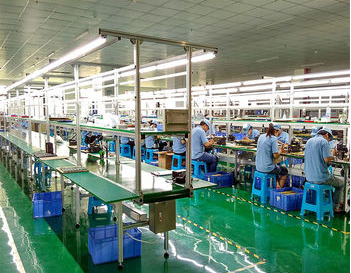
Our 6,000㎡ plant, precision SMT production runs, and multi-line clean assembly stations are officially certified and audited by SGS Group.
✓ Unified Mechatronic Fabrication
Zero fragmentation. We manage PCBA surface mounting, plastic injection molds, plush sewing, and firmware flashing in an integrated workflow.
✓ Flexible Contract Scales
From fast prototyping samples (MOQ from 1 piece) to full 40-foot high-cube container exports (10,000+ units) supported by 40 vetted supply partners.
 SGS Assessed
 EN 71 Safety
 CE Directives
 FCC Certified
 RoHS Compliant
Frequently Asked Questions by Global Importers
Essential trade details covering technical integration, lead times, international testing, and intellectual property protection.
What are the typical MOQs for standard vs. fully customized OEM/ODM AI pet robots?
How does ESPS handle multilingual voice recognition and regional LLM integration?
Which regulatory certifications are provided with shipments to Europe and North America?
Can you support custom outer fabrics, branding, and proprietary retail packaging?
What international trade terms (Incoterms) and payment methods are accepted?
Accelerate Your AI Companion Robot Roadmap
Consult with our lead hardware engineers and international trade specialists in Zhangjiagang. Request comprehensive CAD schematics, bill-of-materials breakdowns, and wholesale tier pricing.
