Featured AI Smart Pet & Companion Robot Lines
Factory-direct smart robotic plush animals engineered with localized edge-AI microcontrollers, dual-array beamforming microphones, and bio-mimetic touch response sensors.
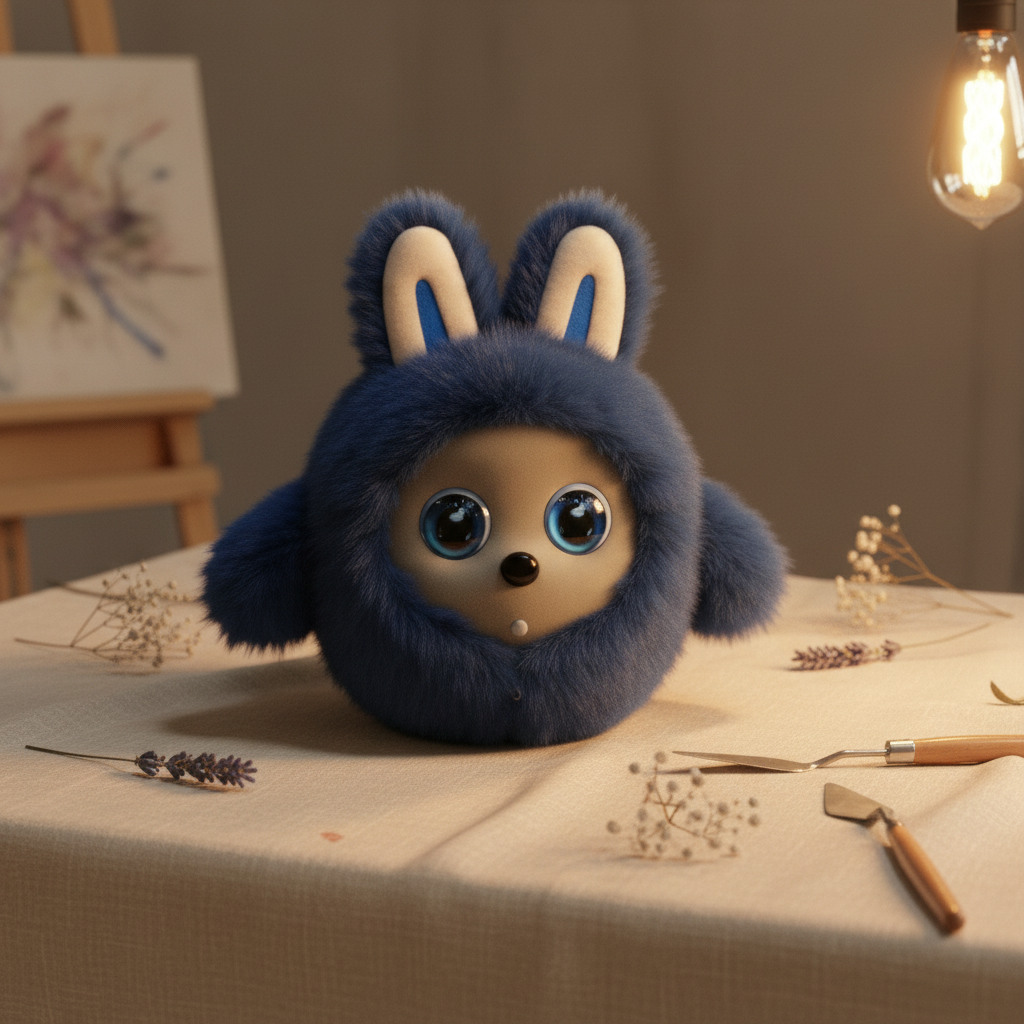
RG-AI-K01 Smart Robot AI Bunny Plush Toy for Children Early Education
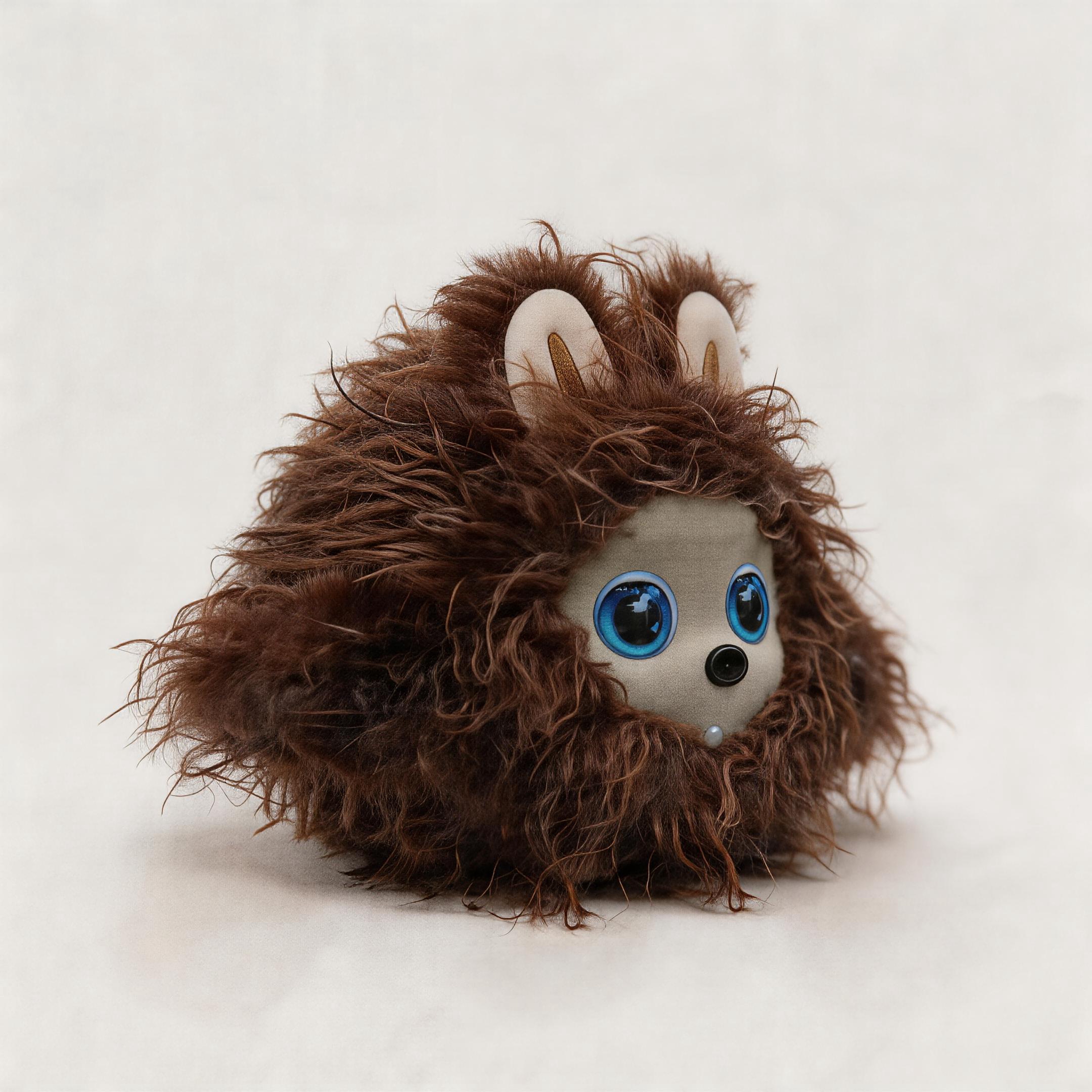
RG-AI-K01 Smart Robot AI Bunny Plush Toy for Early Learning & Gifts
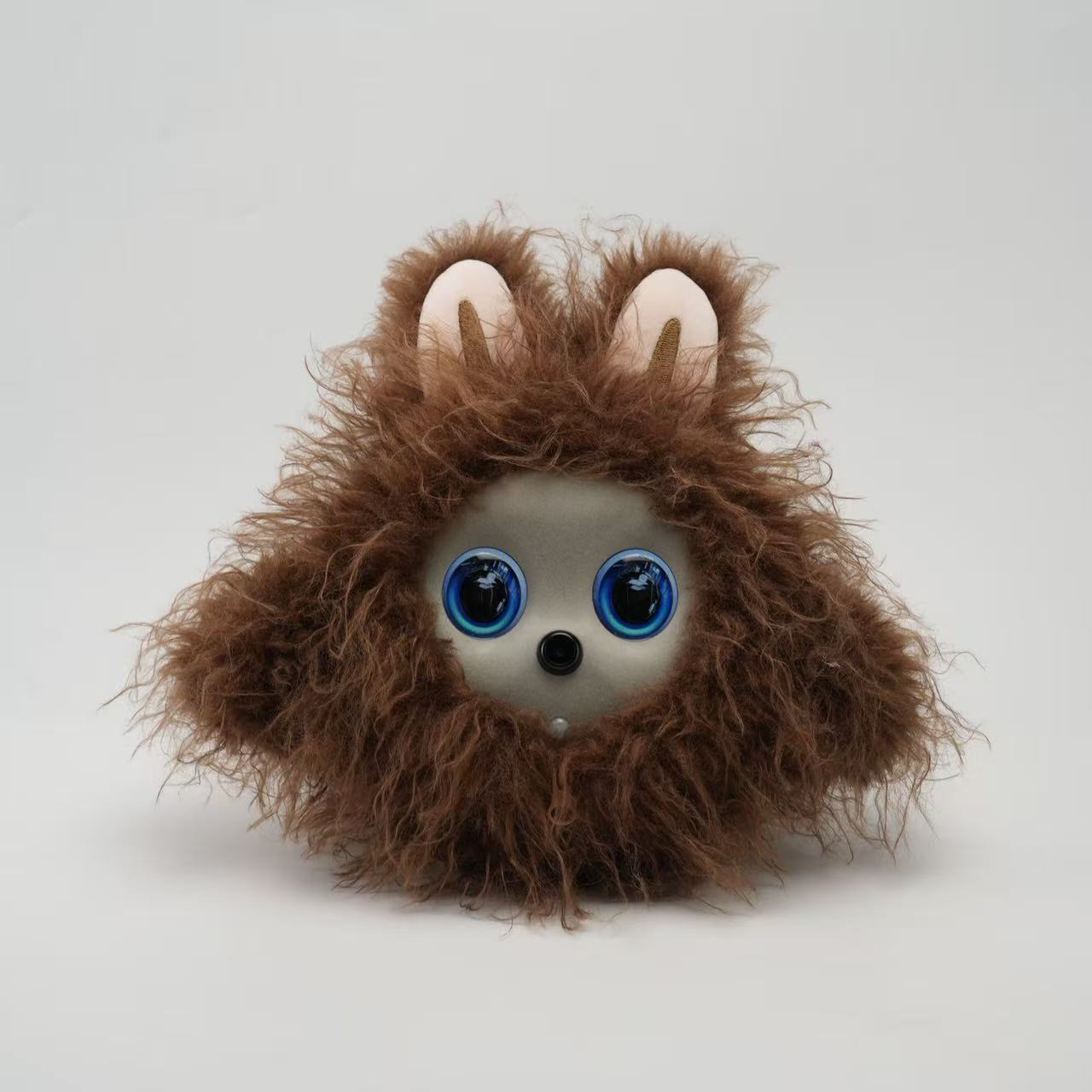
RG-AI-K01 AI Robot for Kids Smart Bunny Companion with Voice Control

RG-AI-K01 Mini AI Robot Bunny Plush Toy with Intelligent Talking

RG-AI-K01 New Design AI Robot Companion Bunny for Toddler Learning
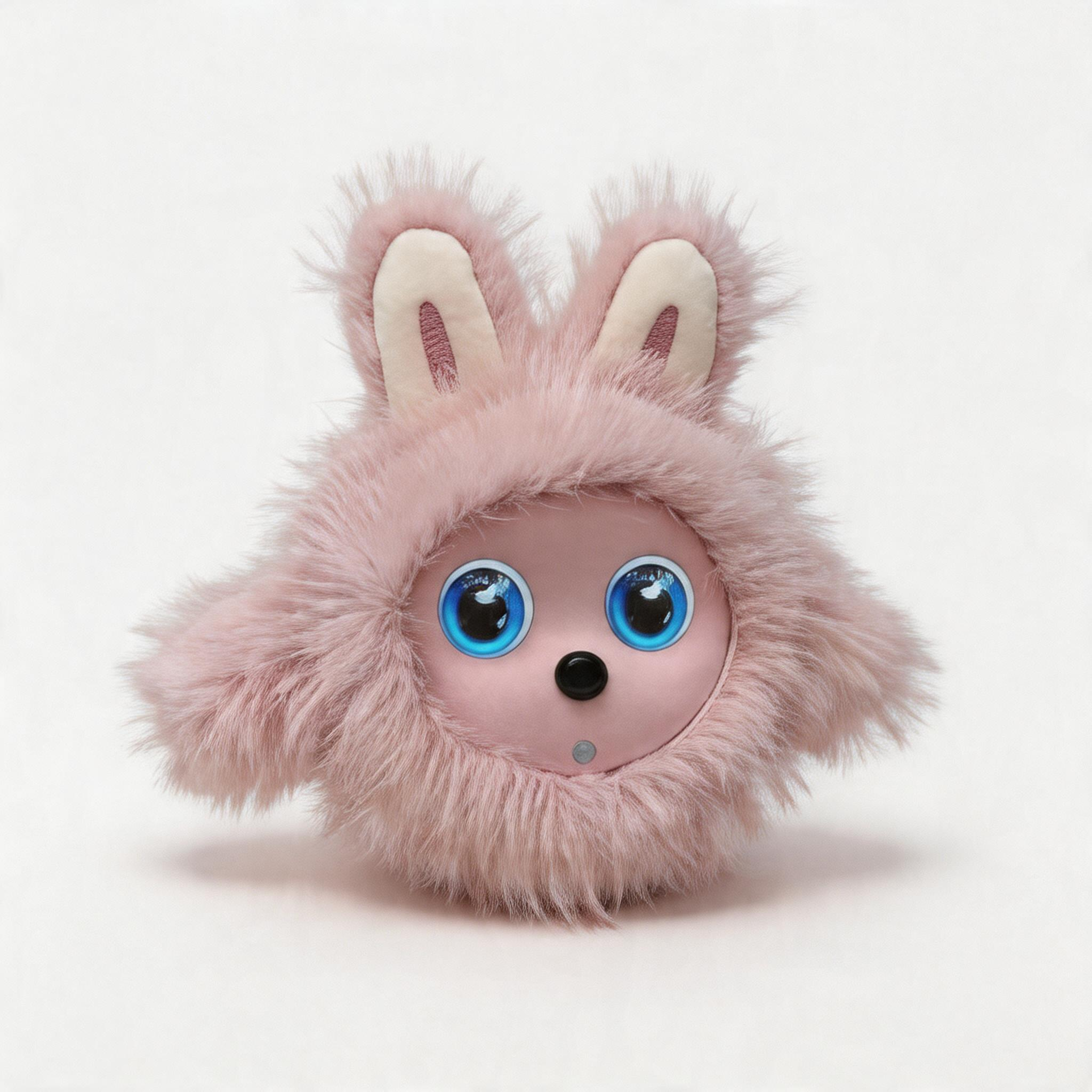
RG-AI-K01 Smart AI Mini Robot Bunny Plush with Intelligent Dialogue

RG-AI-K01 AI Companion Bunny Plushie with Real-Time Emotion Response

RG-AI-K01 AI Robot Companion Bunny with Voiceprint Recognition
The Technological Evolution of Electronic Pet Toys: From Reactionary Mechatronics to Cognitive Companions
A deep technical analysis of hardware stacks, edge compute topologies, natural language interaction, and sensory feedback loops dominating modern smart toy manufacturing.
The international consumer landscape for electronic pet toys and companion robotics has undergone an unprecedented paradigm transformation. Historically defined by simple electromechanical feedback loops—such as pressure-activated squeakers, repetitive motor-driven walking cams, or predetermined 8-bit sound synthesizers—the industry has pivoted irrevocably toward cognitive emotional companions. Contemporary enterprise buyers, ranging from multinational mass retailers to specialized educational toy distributors and omnichannel IP licensing houses, no longer procure mere mechanical novelties. They demand intelligent, cyber-physical robotic companions capable of autonomous behavioral modeling, localized voiceprint recognition, and multimodal situational empathy.
At the center of this technological metamorphosis is the synthesis of Edge Acoustic Intelligence and low-power embedded computing. Older generations of talking toys relied on high-latency cloud connectivity or fixed mask-ROM chips with severely constrained audio libraries. In stark contrast, modern tier-one China manufacturers integrate specialized Neural Processing Units (NPUs) and dedicated Digital Signal Processors (DSPs) directly on the embedded printed circuit board assembly (PCBA). This hardware topology enables real-time on-device Voice Activity Detection (VAD), Acoustic Echo Cancellation (AEC), and customized offline keyword spotting without incurring recurring cloud API token fees or compromising consumer privacy.
| Technical Architecture | Gen-1: Electromechanical Pets | Gen-2: Digital Audio Toys | Gen-3: Cloud-Connected App Pets | Gen-4: Autonomous Cognitive Robots (Current ESPS Benchmark) |
|---|---|---|---|---|
| Main Compute Core | Analog trigger switch / Simple relay | 8-bit / 16-bit OTP Microcontroller | 32-bit Wi-Fi MCU (ESP32 class) | Dual-Core RISC-V / ARM Cortex-M with Integrated NPU Edge Engine |
| Acoustic & Voice Input | None (Mechanical buzzer) | Single omnidirectional microphone | Standard electret condenser mic | Dual digital MEMS microphone array with spatial beamforming & DSP noise filtering |
| Dialogue Engine | None | Hardcoded looping WAV phrases (10-30s) | Cloud speech-to-text (Latency: >2500ms) | Hybrid Edge-Cloud LLM: Instant sub-500ms local reflex + contextual semantic dialogue |
| Kinematic & Sensory Layer | Single DC motor, plastic gearcam | Capacitive single-point switch | Basic optical or vibration sensor | Multi-zone capacitive touch shells, 6-axis IMU posture tracking, and expressive micro-OLED/LED eyes |
| Data & Child Privacy | Zero data risk | Zero data risk | Frequent COPPA / GDPR-K compliance risks | Privacy-by-Design: Hardware encryption enclave, offline voice modes, zero cloud telemetry storage |
Sub-Microsecond Acoustic Beamforming
By utilizing phase-matched dual MEMS microphones and spatial filtering algorithms, our electronic pet platforms isolate a child's direct acoustic wake word from high-noise ambient domestic environments (e.g., blaring televisions, background kitchen noise), delivering a wake-up precision rate exceeding 96.4% across 15+ international accents.
Bio-Mimetic Soft-Touch Mechatronics
Bridging industrial precision metal fabrication with delicate textile ergonomics. High-tensile internal skeletal armatures prevent mechanical fatigue under severe mechanical drop tests, while distributed capacitive touch sensors detect delicate hugging, stroking, or shaking, triggering real-time purring, shivering, or ear-wiggling reactions.
Hardware-Level Privacy Compliance
Engineered to comply comprehensively with strict global child safety frameworks, including the US COPPA (Children's Online Privacy Protection Act) and European GDPR-Kids directives. Hardware switches physically cut microphone power during sleep mode, ensuring zero eavesdropping vulnerabilities.
Future Sourcing Trends: How Global Buyers Are Navigating the China Smart Toy Ecosystem
Essential procurement intelligence for international category directors, sourcing agents, and supply chain managers balancing cost velocity, IP integrity, and regulatory hurdles.
The international procurement model for smart electronic toys has transitioned away from transactional, low-cost assembly towards co-engineering partnerships. Global retail brands, premium subscription boxes, and educational toy distributors can no longer afford the risks of coordinating fractured supply chains—where software developers, electronic board assemblers, injection molders, and plush cut-and-sew workshops operate in decentralized silos. Fractured supply models result in critical product flaws: misaligned sensory antennas, excessive electrical humming near sensitive audio pick-ups, delayed safety certifications, and uncoordinated mass-production bottlenecks.
Forward-thinking procurement professionals are consolidating their vendor portfolios by prioritizing Chinese custom manufacturers possessing integrated mechatronic lineage. When evaluating production facilities in manufacturing hubs such as Jiangsu and Guangdong, top procurement teams focus on five fundamental operational disciplines:
1. Unified Mechatronic & Textile Tooling
The primary point of field failure in electronic pet plush toys occurs at the interface between rigid interior electronic housings and pliable outer textile skins. Professional factories utilize 3D parametric CAD simulation to mold custom acoustic cavities and dampening gaskets directly inside the plush body, isolating internal speaker vibrations from the PCB microphone and preventing self-triggering audio distortion.
2. Agile Microcontroller Firmware Localization
Procurement contracts increasingly mandate multi-market agility. Sourcing an electronic pet toy that can only support single-language English output creates unmanageable inventory risk. Top factories deliver reconfigurable flash ROM architectures allowing buyers to switch audio voice packs, localized wake words, and linguistic models (Spanish, German, French, Japanese, Arabic) with zero hardware retooling.
3. Stringent Battery Logistics & UN38.3 Testing
With rising air and sea transport restrictions on high-density lithium-ion chemistry, premier manufacturers engineer certified, low-internal-resistance rechargeable battery assemblies integrated with dual-MOSFET protection circuits. Every export production run is accompanied by up-to-date UN38.3 transport safety documents, MSDS chemical declarations, and drop-impact drop test certifications.
Suzhou ESPS Technology: Where High-Precision Hardware Meets AI Toy Innovation
Founded in 2010 in Zhangjiagang, Jiangsu, Suzhou ESPS Technology Co., Ltd. integrates 16+ years of precision engineering with state-of-the-art interactive smart toy production.
From Precision Structural Hardware to Smart Companion Robotics
Suzhou ESPS Technology Co., Ltd. holds a uniquely advantageous position in the Chinese smart manufacturing sector. Established in 2010, the company originally forged its reputation as a premier designer and manufacturer of precision structural hardware, including commercial monitor arms, medical tablet PC stands, heavy-duty POS mounts, and mobile TV cart hanging brackets. This extensive sixteen-year heritage in metalworking tolerances, kinematic articulation, structural fatigue analysis, and high-integrity tooling represents the exact engineering DNA required to build resilient, long-lasting electronic pet toys.
Unlike conventional plush toy factories that simply stitch pre-bought, generic electronic noisemakers into standard stuffed animals, ESPS engineers every companion robot from the structural chassis outward. Our in-house engineering and R&D teams develop custom internal articulation linkages, high-durability gear trains, shock-absorbing battery compartments, and specialized acoustic resonance chambers. We manage the entire product lifecycle—from PCB layout design and firmware compilation to final textile embroidery and retail packaging—eliminating intermediary markups and guaranteeing uncompromised quality control.
Supported by an audited network of 40+ specialized supply-chain partner plants across Jiangsu, our main 6,000㎡ production facility scales effortlessly from nimble sampling runs to multi-container mass production orders, maintaining an exceptional 99.18% on-time delivery metric for global B2B clients.
Industrial Capability Snapshot
- Verified Facility Area: 6,000+ Square Meters
- Engineering & Production Staff: 69 Verified Specialists
- Customization Modes: Full OEM, ODM, Sample, Design
- Accepted Incoterms: FOB, CIF, EXW, DDP, FCA, CIP
- Accepted Currencies: USD, EUR, CNY
- Core Export Destinations: North America, EU, Japan, AU
Four-Stage Comprehensive Quality & Compliance Verification Workflow
How our production lines eliminate defects, safeguard RF integrity, and enforce strict mechanical and toxicological safety.
IQC Material Inflow Audit
Incoming raw textiles, hypoallergenic PP cotton fillings, electronic chipsets, and lithium battery cells undergo chemical spectrometry and tension screening to guarantee zero heavy metal contamination (RoHS/REACH) prior to production release.
IPQC In-Process Calibration
Automated test fixtures flash and verify microcontroller firmware, testing audio frequency response, microphone signal-to-noise ratios, and wireless radio transmission power (FCC Part 15 / RED) directly on the surface-mount line.
FQC Mechanical & Safety Stress
Finished companion pets undergo multi-angle pneumatic drop tests from 1.5 meters, 90-Newton seam tension stress tests to prevent child choking hazards (EN 71-1 / ASTM F963), and continuous 72-hour burn-in cycles for electronic servos.
OQC Packaging & Pre-Shipment
Final random inspection following MIL-STD-105E AQL 1.5/4.0 standards. Verification of retail UPC barcodes, multilingual safety user manuals, carton burst strength, and shipping container desiccant levels for moisture-free transit.
Frequently Asked Questions for Global Toy Importers & Brands
Detailed engineering, regulatory, and commercial answers to resolve technical queries prior to sample commissioning.
What are the exact Minimum Order Quantity (MOQ) requirements for standard catalog models versus full OEM/ODM projects?
How does Suzhou ESPS ensure compliance with global toy safety and electromagnetic standards such as EN 71, ASTM F963, CE, and FCC?
Can ESPS execute multi-language firmware localization and custom AI conversational dialogues for non-English target markets?
What are your production lead times for custom prototyping versus full container mass production?
How do you protect international intellectual property (IP), proprietary character molds, and brand confidentiality?
What international trade terms, logistics handling, and payment structures do you support for cross-border deliveries?
Accelerate Your Next AI Toy Project with an SGS-Verified Chinese Manufacturer
Whether you require rapid sampling of our certified RG-AI-K01 intelligent companion series or a comprehensive turnkey OEM/ODM development path with custom voiceprint AI and bespoke tooling, our bilingual engineering and export directors are standing by to deliver technical feasibility assessments and transparent B2B pricing within 24 hours.
