Featured CE-Certified Light-Up & Conversational AI Robotics
Tested rigorously under EN 71, EN 62115, EMC Directive 2014/30/EU, and RoHS standards. Designed with integrated luminous LED expression eyes, high-fidelity acoustics, and child-safe materials.
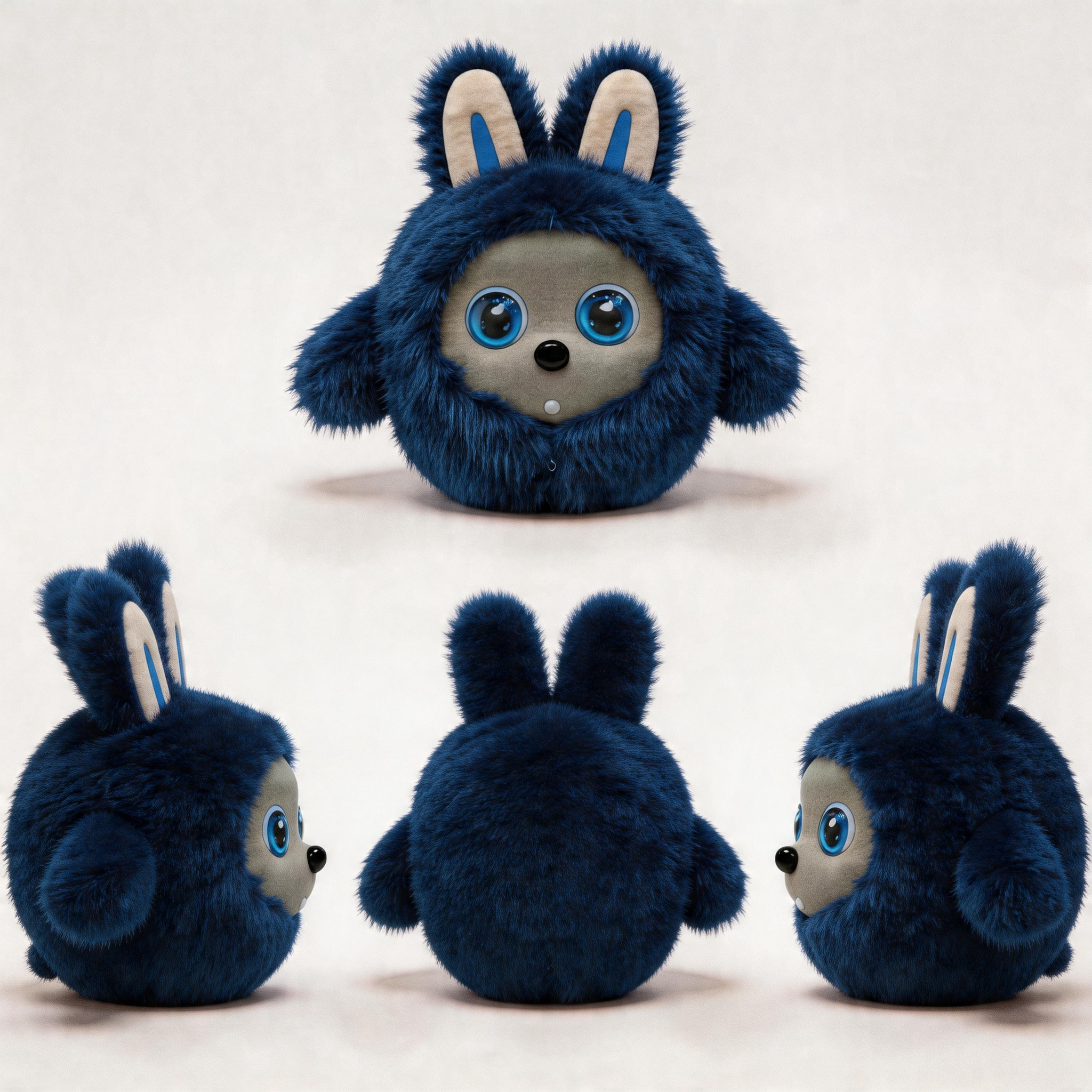
Factory Direct RG-AI-K01 Long-Eared Bunny AI Robot Plush Toy Smart Companion for Kids
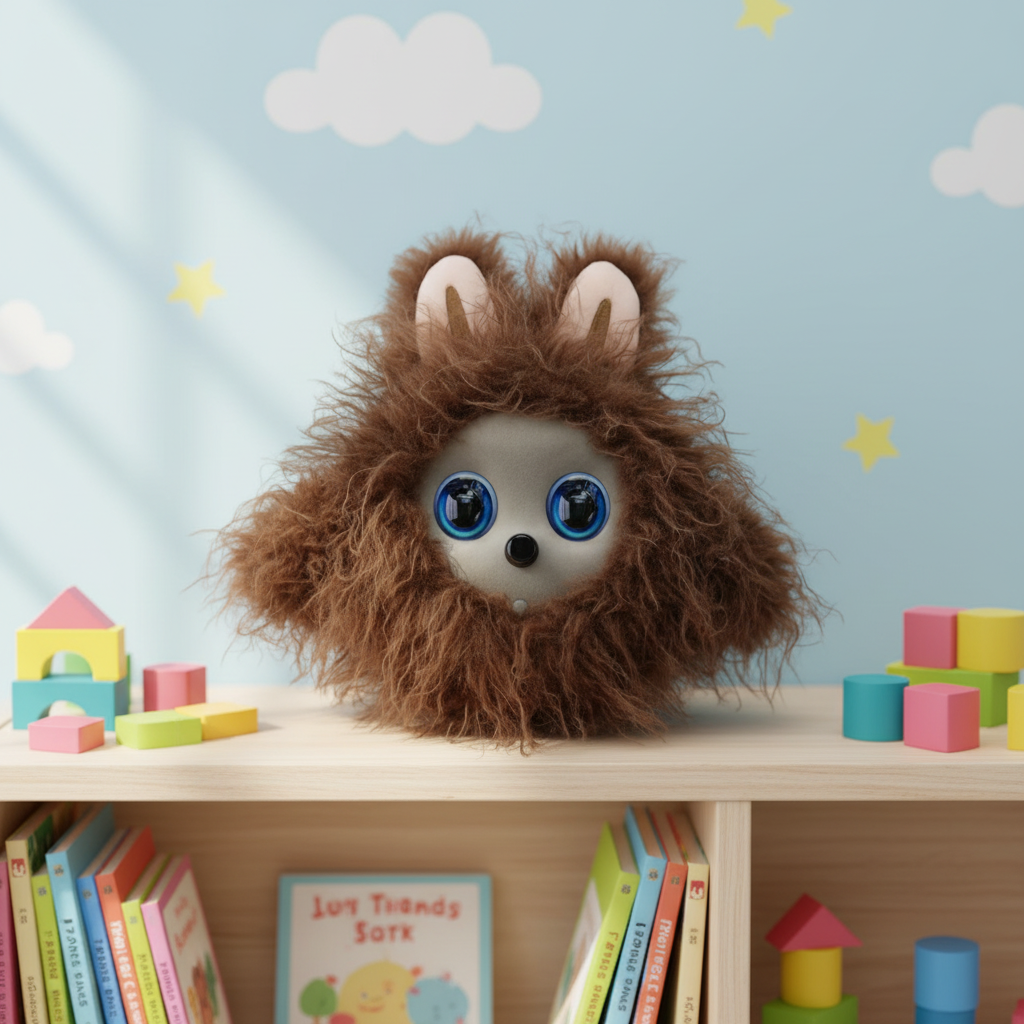
RG-AI-K01 Talking Robot AI Bunny Plush Toy for Children Early Learning and Dialogue
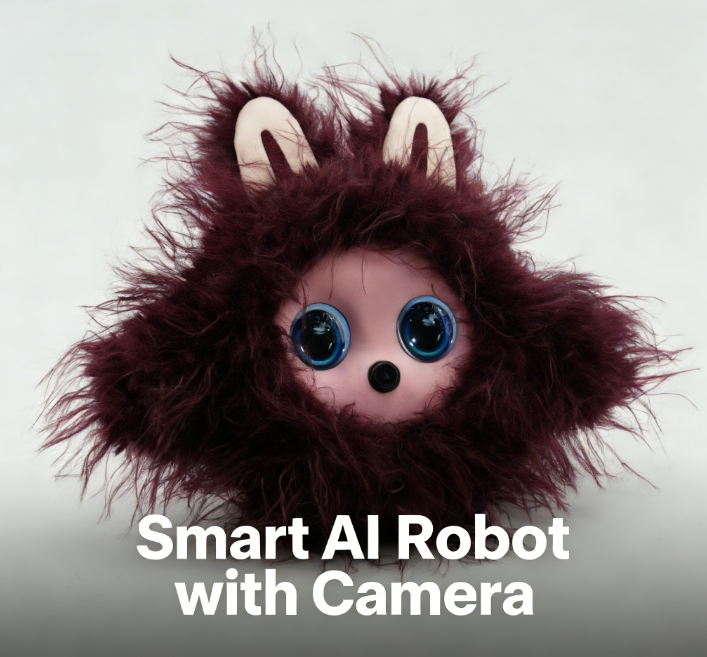
RG-AI-K01 AI Toy Robot Bunny Plush Companion with Cute Interaction and Talking
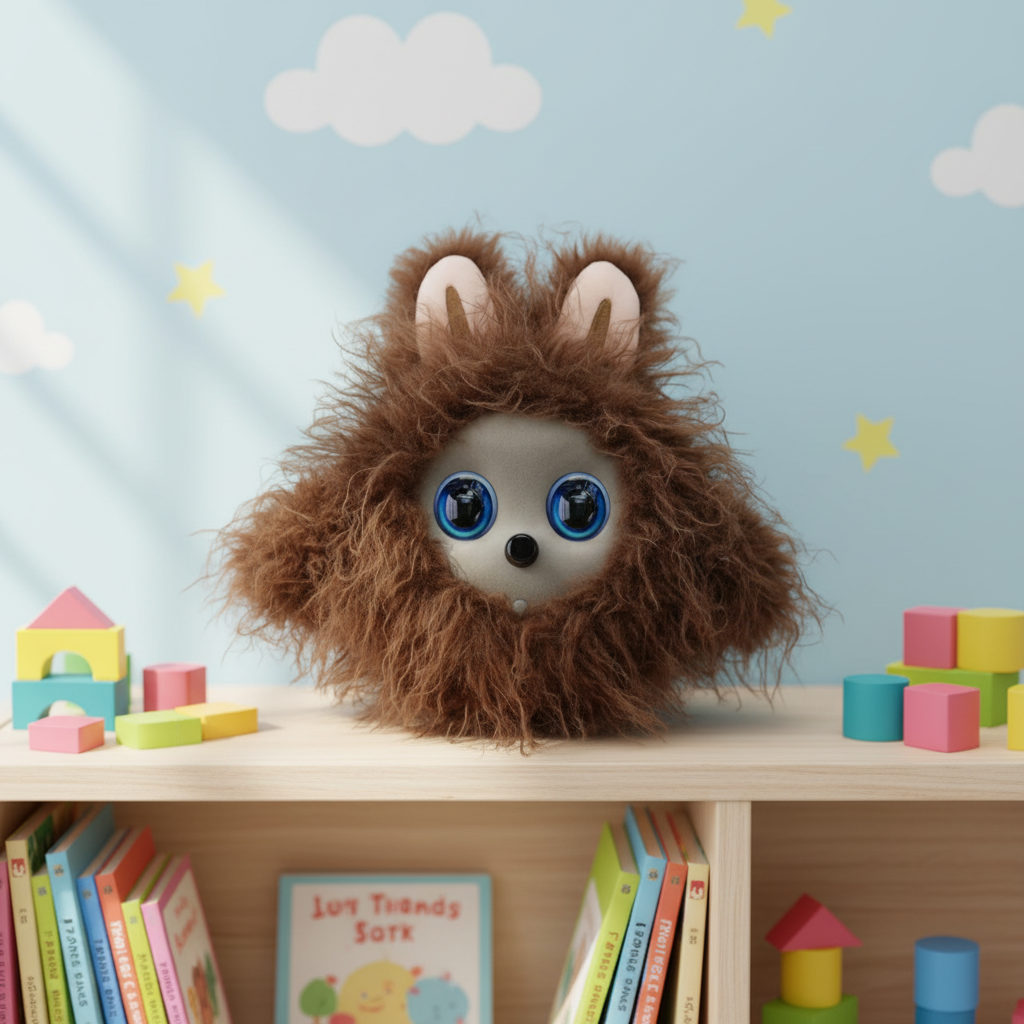
RG-AI-K01 Mini AI Robot Bunny Plush Toy with Intelligent Interaction and Talking

RG-AI-K01 Smart AI Robot Pet Plush Bunny for Interactive Fun and Daily Companionship
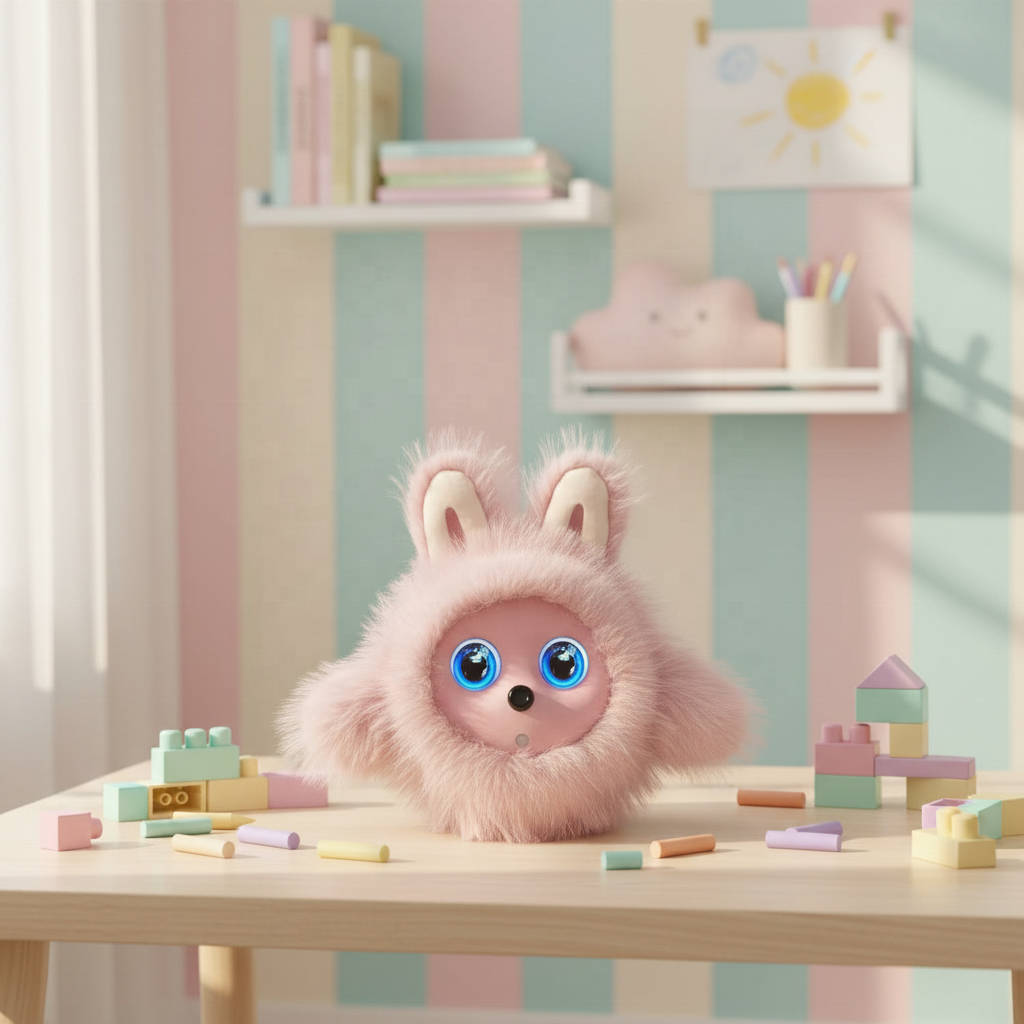
RG-AI-K01 Top Ranking AI Educational Robot Bunny Plush Toy with Smart Learning Mode
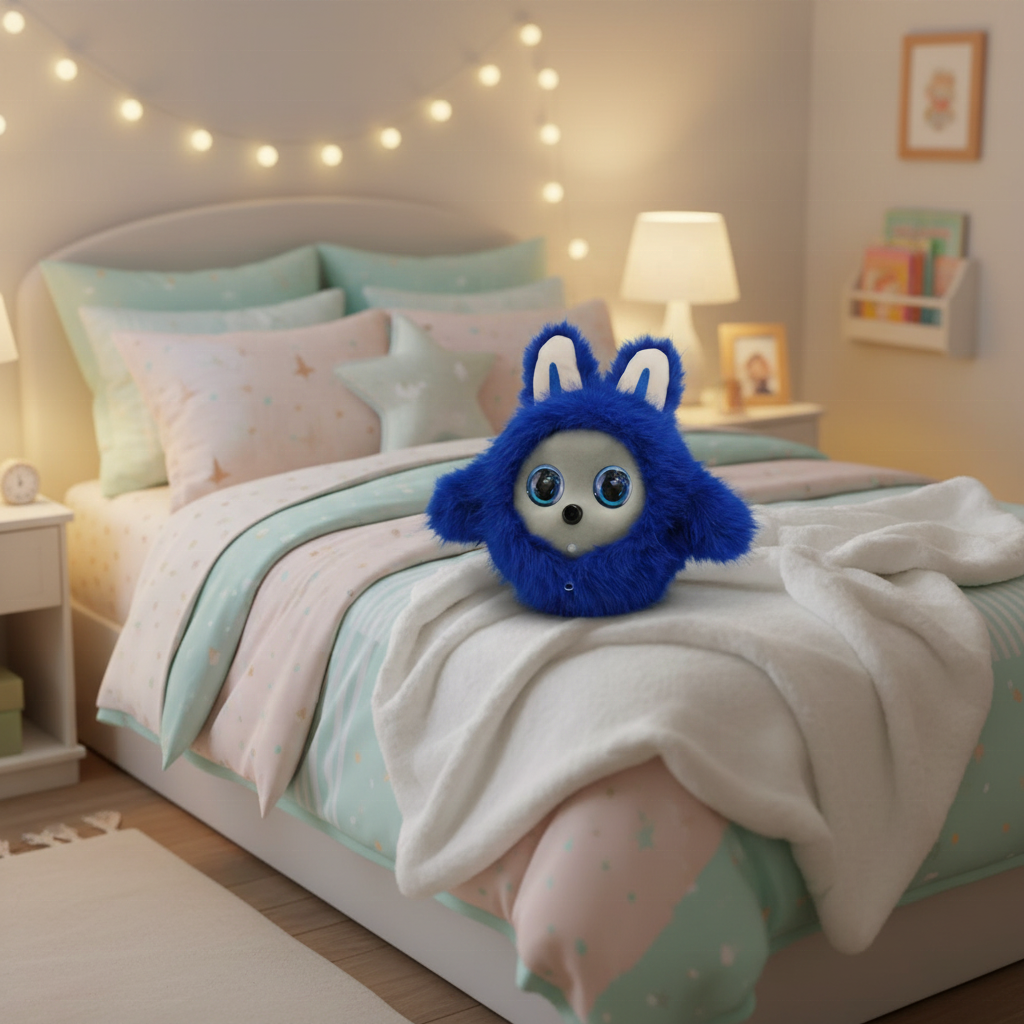
RG-AI-K01 AI Educational Robot Bunny Plush Toy with Smart Learning Mode and Dialogue
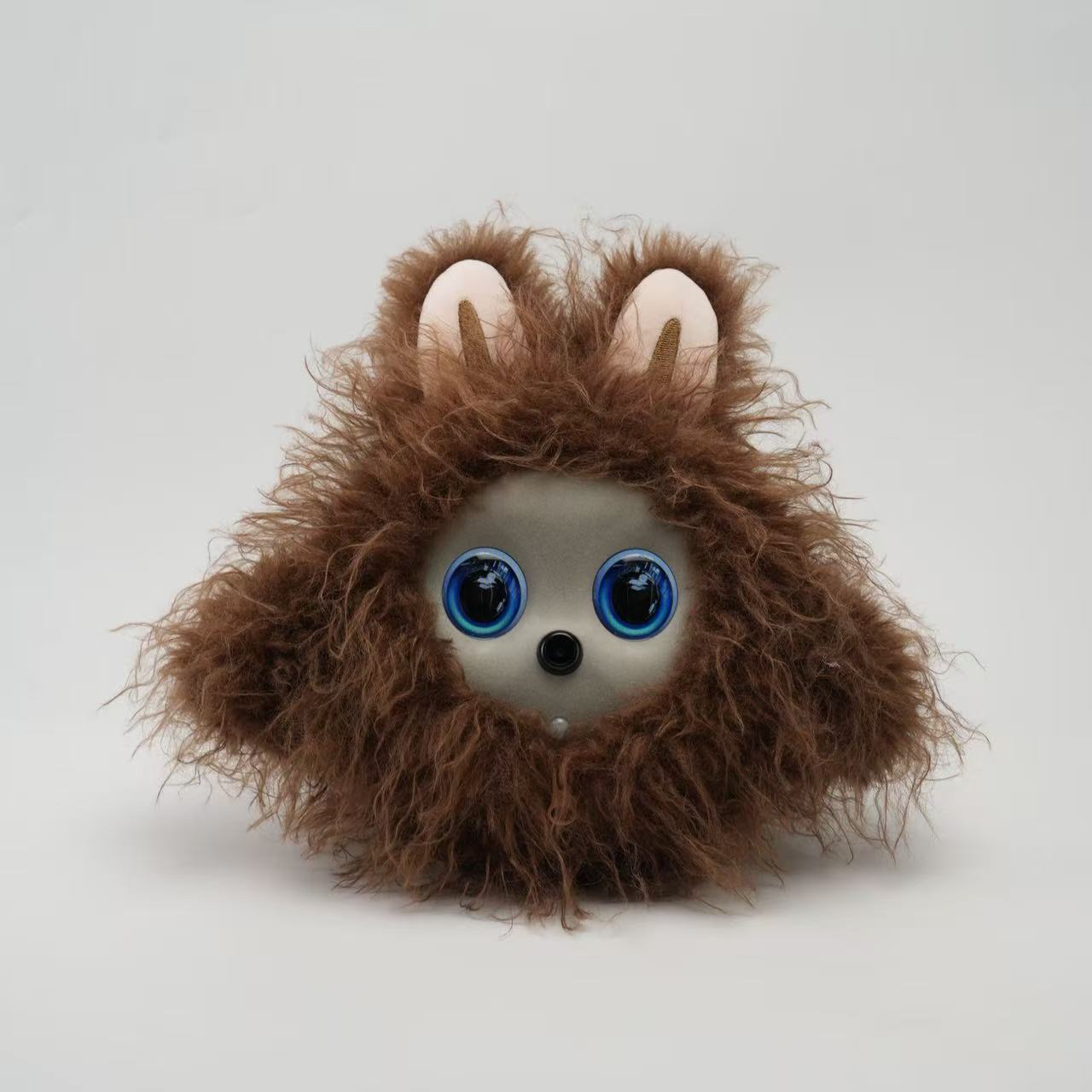
RG-AI-K01 Smart AI Robot Companion Bunny Plush Doll with Large Ears for Girls Gift
Suzhou ESPS Technology: 16 Years of Precision Engineering
Founded in 2010 in Zhangjiagang, Jiangsu, Suzhou ESPS Technology Co., Ltd. is an SGS-verified Custom Manufacturer. Operating across 6,000+ m² of advanced facilities with 69 direct technicians and a verified consortium of over 40 partner facilities, we bridge the gap between mechanical hardware durability and cutting-edge artificial intelligence.
Unlike conventional stuffed doll assemblers, our engineering heritage originated in high-tolerance ergonomic assemblies, POS systems, and commercial monitor mechanisms. We leverage this electro-mechanical heritage to resolve the industry's most common pain points: fragile wiring harness failures in articulated plush bodies, light-emitting thermal overheating, battery cycle decay, and electro-magnetic interference.
Our multi-tier quality control protocol encompasses strict raw fabric laboratory screening, surface flammability analysis, tensile testing on seams and eye attachments, and 100% full-load firmware functional burn-ins prior to packaging.
White Paper: Compliance & Architecture of Smart Interactive Robot Toys
The global juvenile entertainment and educational robotics sector is experiencing a structural paradigm shift. Simple battery-operated mechanical noise-makers are being replaced by sensory-rich, edge-computed AI companion robots. As global consumer watchdogs tighten surveillance under the EU Toy Safety Directive 2009/48/EC and incoming digital privacy mandates, procurement managers must evaluate light-up robotic merchandise through a comprehensive technical lens encompassing photobiological safety, radio frequency compliance, mechanical resilience, and embedded intelligence.
1. Photobiological & Optical Safety Standards (EN 62115 & EN 62471)
Modern light-up robotic companions rely heavily on expressive ocular lighting systems to convey emotional nuance. In models such as our RG-AI-K01 series, diffused multi-chromatic micro-LED arrays simulate eye movement, blinking, and mood states. Sourcing managers must recognize that child ocular tissues transmit significantly more high-energy blue-spectrum light than adult eyes. Consequently, illumination modules must conform to EN 62471 (Photobiological safety of lamps and lamp systems), ensuring zero retinal blue-light hazard (Exempt Group status). Furthermore, optical enclosures must feature shatterproof polycarbonate diffusers that prevent point-source glare and resist dynamic impact forces exceeding 50 Newtons without fragmenting.
2. Electro-Magnetic Compatibility (EMC) & RED Directive 2014/53/EU
Because contemporary interactive robots combine pulse-width-modulated (PWM) LED drivers with micro-speakers and RF wireless transceivers (Bluetooth Low Energy and 2.4GHz Wi-Fi), electromagnetic interference is a primary cause of customs seizure. Cheap drivers emit unacceptable RF conduction and radiation that fail EN 55032 and EN 301 489 testing. Suzhou ESPS mitigates these challenges via multilayer PCB grounding planes, isolated power lines between the acoustic amplification stage and high-current LED arrays, and shielded SMD inductors, ensuring seamless CE conformity.
3. Future Procurement Trends: Edge-AI, Privacy, and Circular Materials
Procurement teams preparing product lines for upcoming cycles should align their sourcing matrices with three irreversible industry shifts:
Edge-Calculated Privacy
Heightened scrutiny from GDPR-K and COPPA prohibits direct raw audio uploading to public clouds. Next-generation buyers require offline keyword spotting and on-chip voiceprint matching to execute conversations safely without exposing child biometrics.
Haptic-Optic Synchronicity
Static flashing lights no longer stimulate modern consumers. Trending specifications demand bio-rhythmic LED illumination paired with capacitive touch sensors along the doll's plush ears, head, and chest, creating intuitive reciprocal biofeedback.
Recycled Shell Polymeric Blends
Under tightening European CSRD directives, major retail chains favor suppliers utilizing GRS-certified (Global Recycled Standard) recycled plush pile and non-toxic ABS/PP chassis with full SVHC (Substances of Very High Concern) lab declarations.
Frequently Asked Questions on Light-Up Robot Toy Sourcing
Addressing essential technical, chemical, logistical, and legal parameters evaluated by international import directors.
What mandatory European test documentation is included with CE-certified toy exports?
A legitimate CE marking for smart robotic toys requires a consolidated Technical Construction File (TCF). This comprises: EN 71 Parts 1, 2, and 3 (Mechanical properties, Flammability, and Heavy Metal migration); EN 62115 (Electric toys safety); RED 2014/53/EU test reports for RF/EMC; and RoHS 2.0 (2011/65/EU as amended by 2015/863) chemical analysis of all internal PCB soldering and exterior polymers. Suzhou ESPS provides fully traceable third-party accredited laboratory test reports.
How does the factory prevent lithium battery failures in soft plush housings?
Integrating rechargeable lithium polymer cells into soft plush items requires specialized passive and active safety countermeasures. Our internal battery cells are housed inside rigid, flame-retardant ABS structural sub-chambers that shield the chemistry from external compression or puncture. Each pack contains a dedicated Seiko-based protection IC (OVP, UVP, OCP, and thermal cutoff), accompanied by valid UN38.3, MSDS, and 1.2m drop-test documentation for safe sea and air transport.
Can we localize dialogue scripts, wake words, and light sequences for specific markets?
Yes. We offer comprehensive full-scope OEM and ODM customization. You can customize audio wake words, cloud-based natural language dialogues, offline speech recognition engines in over 30 languages (English, German, Spanish, French, Japanese, etc.), and synchronize bespoke RGB LED blinking frequencies to harmonize with brand melodies or interactive storylines.
What are your production lead times, sampling conditions, and Incoterms?
Standard off-the-shelf samples (such as the RG-AI-K01 bunny or RG-AI-FZ3 series) can be dispatched within 3 to 5 business days, starting from 1 unit. Custom functional prototypes featuring modified molds and tailored electronics typically require 15 to 25 working days. Mass volume lead time ranges from 30 to 45 days. We support flexible global delivery terms including FOB Shanghai, CIF, CFR, EXW, FCA, and turnkey DDP services with T/T settlement.
Accelerate Your Smart Robotic Toy Sourcing with Verified Experts
Whether you require turn-key CE-certified distribution inventory or bespoke industrial-grade OEM/ODM development from circuit schematics to final packaging, our engineering desk is ready to assist.
